Summary:
What Is Sciatica and What Causes It
Sciatica isn’t a condition itself. It’s a symptom. Specifically, it’s pain that radiates along the path of your sciatic nerve, which runs from your lower back through your hips, buttocks, and down each leg. It’s the longest nerve in your body, which is why sciatica can cause pain anywhere along that entire route.
The pain happens when something compresses or irritates the nerve. Most often, that’s a herniated disc in your lumbar spine. The disc bulges out, presses on the nerve root, and triggers sharp, shooting pain down your leg. Other chronic back pain causes include bone spurs, spinal stenosis (narrowing of the spinal canal), or degenerative disc disease.
What makes sciatica distinctive is that it typically affects one side of your body. You might feel sharp, shooting pain, tingling, numbness, or even muscle weakness in the affected leg. For some people, it’s a dull ache. For others, it’s completely debilitating.
Sciatica Symptoms That Help Identify Nerve Compression
Sciatica symptoms vary from person to person, but there are patterns that help identify it. The hallmark is pain that starts in your lower back and travels down the back of your thigh, sometimes all the way to your calf or foot. That’s a key distinguisher: sciatica often extends below the knee, while SI joint pain typically stops at the thigh.
You might notice the pain gets worse when you sit for long periods, cough, sneeze, or make sudden movements. Standing up from a seated position can trigger a sharp jolt. Some people describe it as an electric shock sensation running down their leg. Others feel a constant burning or tingling that won’t quit.
Numbness and weakness are red flags that point to nerve compression. If you’re having trouble moving your foot, feeling sensations in your leg, or noticing changes in your reflexes, that suggests true sciatica rather than SI joint issues. True muscle weakness—not just pain that makes movement difficult, but actual inability to lift your foot or push off with your toes—indicates the nerve is being compressed somewhere along your spine.
The intensity varies wildly. Some people manage mild discomfort and keep working. Others can barely walk without shooting pain. But the pattern remains consistent: pain following the sciatic nerve pathway, often worsening with specific movements, and frequently accompanied by neurological symptoms like numbness or tingling that travel down into your foot.
What you’re experiencing is nerve compression sending distress signals. When a herniated disc or bone spur physically presses on the nerve root as it exits your spine, it sends pain signals down the entire nerve pathway. That’s why the pain can travel so far down your leg and why you might experience numbness or weakness. Your brain is receiving distress signals from a compressed nerve, and those signals radiate through the entire nerve distribution from your lower back all the way to your toes.
Chronic Back Pain Causes Behind Sciatica
Sciatica doesn’t just appear randomly. There are specific reasons why that nerve gets compressed, and understanding them helps explain why some people are more vulnerable than others—and why non-surgical back pain treatment focuses on addressing these root causes.
Herniated discs are the most common culprit. Your spinal discs are cushions between your vertebrae, and over time—or due to sudden injury—the outer layer can tear and allow the inner gel-like material to push out. When that bulge presses against a nerve root, you get sciatica. This can happen from heavy lifting with poor form, a sudden twisting motion, or simply from years of wear and tear on your spine that gradually weakens the disc structure.
Spinal stenosis is another major cause, especially in people over 50. As you age, the spinal canal can narrow due to bone overgrowth, thickened ligaments, or disc degeneration. That narrowing puts pressure on the nerves traveling through the canal. It’s a gradual process, which is why spinal stenosis-related sciatica often develops slowly rather than appearing overnight after one bad movement.
Bone spurs can form along your spine as a result of osteoarthritis. These bony projections can jut into the space where nerves exit the spinal column, causing compression and irritation. Degenerative disc disease—where discs lose height and cushioning ability over time—can also lead to nerve compression as vertebrae move closer together and the spaces where nerves exit become narrower.
Risk factors include age (discs degenerate over time), occupation (jobs requiring heavy lifting, twisting, or prolonged sitting put extra stress on spinal discs), obesity (extra weight increases stress on your spine with every movement), diabetes (which can cause nerve damage that makes you more susceptible), and prolonged sitting (which actually puts more pressure on spinal discs than standing does). Even pregnancy can trigger sciatica due to the extra weight and postural changes that shift your center of gravity.
What’s important to understand is that sciatica stems from a structural issue in your spine that’s physically compressing a nerve. It’s not about joint inflammation or misalignment—it’s about something pressing on the nerve itself. That distinction becomes crucial when we compare it to SI joint dysfunction, where the mechanism of pain is entirely different and requires different chiropractic services to address.
Want live answers?
Connect with a DR Roses expert for fast, friendly support.
SI Joint Dysfunction Causes and Symptoms
Your sacroiliac joints sit where your spine meets your pelvis, one on each side of your lower back. They’re small but mighty, absorbing shock between your upper body and legs with every step you take. When these joints aren’t moving correctly—either too much or too little—you develop SI joint dysfunction.
The critical difference from sciatica: SI joint dysfunction isn’t caused by nerve compression. There’s no herniated disc pushing on a nerve root. Instead, the pain comes from the joint itself being inflamed, unstable, or misaligned. The joint can irritate nearby nerves without actually compressing them, which is why the pain can radiate down your leg and mimic sciatica even though the source is completely different.
The pain pattern differs, though. SI joint dysfunction typically causes pain in your lower back that’s off to one side. You can usually pinpoint exactly where it hurts—right around that dimple at the base of your spine. The pain might radiate into your buttock, hip, or thigh, but it rarely travels below your knee. That’s a key distinguishing feature when you’re trying to figure out what’s actually causing your symptoms.

How SI Joint Pain Feels Different From Sciatica
SI joint pain has a distinct feel and pattern that sets it apart from sciatica, even though both can cause lower back and leg discomfort. Learning to recognize these differences helps you understand what’s actually happening in your body—and what kind of lower back pain relief you need.
The pain is usually localized to your lower back on one side, right around the area of the SI joint itself. Many people can put their finger directly on the spot that hurts. The pain might be sharp when you move certain ways, or it might be a constant, dull ache that never quite goes away. It often radiates into your buttock, hip, or groin, and sometimes down the back of your thigh—but it typically stops there. Unlike sciatica, SI joint pain rarely extends below the knee or into your foot.
What triggers your pain matters for diagnosis. SI joint dysfunction tends to flare up with specific movements and positions that stress the joint. Standing up from sitting often hurts. Climbing stairs can be painful. Putting more weight on one leg than the other—like when you’re standing and shift your weight to one hip—usually makes it worse. Long periods of standing or walking can aggravate it because your SI joint is constantly absorbing impact. Even lying on the affected side at night might wake you up.
You probably won’t experience the numbness, tingling, or muscle weakness that’s common with sciatica. That’s because the nerve isn’t being compressed—it’s just irritated by the inflamed joint nearby. You might feel stiffness or a sense of instability in your pelvis, like your lower back isn’t quite holding together properly. Some people describe it as a “giving way” sensation when they step or turn.
The pain pattern is also more predictable with certain activities. Transitioning from sitting to standing is a classic trigger. Getting in and out of a car can be painful. Rolling over in bed might hurt. These are movements that specifically stress the SI joint, whereas sciatica pain is more likely to worsen with prolonged sitting, coughing, or bending forward—movements that increase pressure on spinal discs.
Women are more susceptible to SI joint dysfunction, particularly during and after pregnancy. The hormone relaxin, which loosens ligaments to prepare for childbirth, can make the SI joints too mobile and unstable. That’s why many women first experience SI joint pain during pregnancy or in the postpartum period, and why it’s one of the common chronic back pain causes in women of childbearing age.
What Causes SI Joint Dysfunction
SI joint dysfunction happens when these joints move either too much (hypermobility) or too little (hypomobility), and understanding the causes helps explain why non-surgical back pain treatment needs to be different from sciatica treatment.
Traumatic injuries are a common trigger. A fall directly onto your buttocks can jar the SI joint out of alignment. Car accidents, especially rear-end collisions, can cause sudden stress to the pelvis that throws off spinal alignment. Even heavy lifting with improper form or a sudden twisting motion can strain the ligaments that hold the SI joint in place. Unlike sciatica, which often develops gradually from disc degeneration, SI joint dysfunction can appear suddenly after a specific incident you can point to.
Pregnancy is a major risk factor that many women in Bayonne, NJ and throughout Hudson County, NJ experience. The hormone relaxin softens the ligaments around your pelvis to allow the baby to pass through the birth canal, but it also makes the SI joints less stable. Add the extra weight and the shift in your center of gravity, and you’ve got the perfect setup for SI joint problems. Many women continue to experience SI joint pain long after giving birth if the joint doesn’t stabilize properly on its own.
Arthritis can affect the SI joints just like any other joint in your body. Osteoarthritis causes the cartilage in the joint to wear down over time, leading to inflammation and pain. Ankylosing spondylitis, a type of inflammatory arthritis, specifically targets the spine and SI joints, causing chronic inflammation and eventually fusion of the joints if left untreated.
Leg length discrepancy—when one leg is shorter than the other—puts uneven stress on your SI joints with every step you take. Over time, that imbalance can lead to dysfunction. Similarly, gait abnormalities from other injuries (like a sprained ankle that never fully healed) can alter how you walk and create ongoing stress on one SI joint more than the other.
Previous lumbar spine surgery can sometimes lead to SI joint dysfunction. When part of your spine is fused, it changes the biomechanics of your lower back and can transfer more stress to the SI joints. This is why some people develop SI joint pain months or years after successful back surgery—the surgery fixed one problem but created stress somewhere else.
The key difference from sciatica is this: SI joint dysfunction is about joint mechanics and inflammation, not nerve compression. You’re not dealing with a herniated disc pressing on a nerve. You’re dealing with a joint that’s either moving wrong or inflamed, and that inflammation can irritate nearby nerves without actually compressing them. That’s why the pain pattern is different, why you don’t get the same neurological symptoms, and why treatment approaches through chiropractic services need to be tailored to the actual problem you’re facing.
Getting the Right Diagnosis Matters for Back Pain Relief
The bottom line: if you’re treating sciatica when you actually have SI joint dysfunction—or vice versa—you’re not going to get better. The causes are different, the pain patterns are different, and the treatments need to be different. Months of ineffective treatment happen because the diagnosis was wrong from the start.
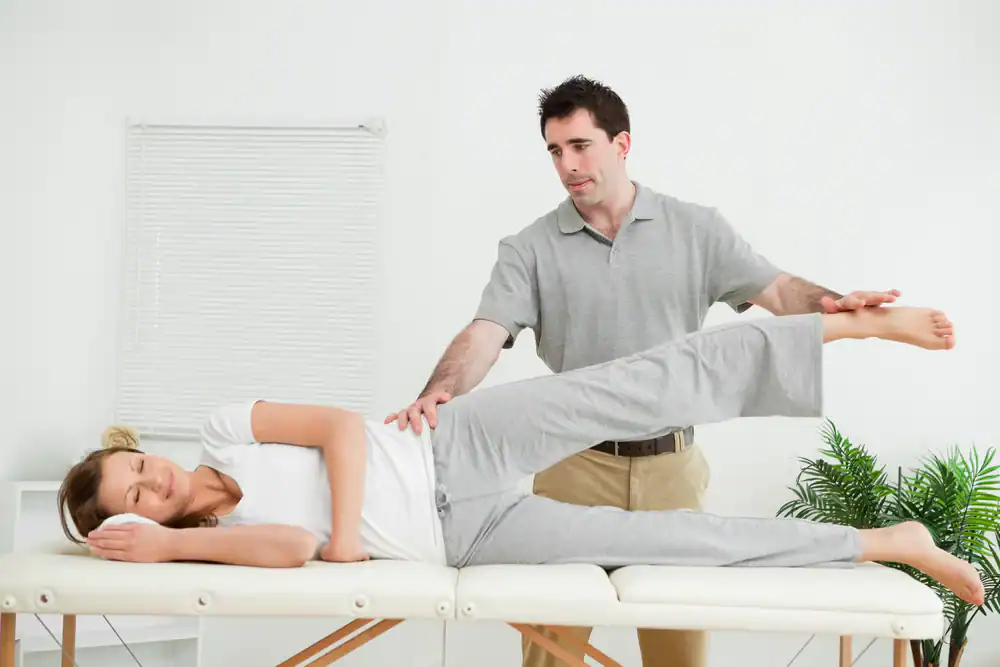
A proper diagnosis starts with a thorough physical examination that includes provocation tests to identify SI joint dysfunction and neurological screening to reveal the nerve compression signs that point to sciatica. Your history matters too—when the pain started, what makes it worse, whether you’ve had injuries or pregnancies. All of these pieces come together to form a clear picture of what’s actually causing your pain.
Don’t settle for guesswork or generic “back pain” treatment that doesn’t address your specific problem. If you’re in Hudson County, NJ and dealing with persistent lower back or leg pain, getting an accurate assessment from an experienced chiropractor can save you months of ineffective treatment. We’ve been providing chiropractic services and helping patients in Bayonne, NJ and surrounding areas distinguish between these conditions and get targeted, non-surgical back pain relief for over 30 years. The right diagnosis is the first step toward actually feeling better.