Summary:
What Are Growing Pains and When Should You Worry?
Growing pains are real. They affect somewhere between 10% and 37% of kids ages 3 to 12. They typically show up as aching or cramping in both legs—usually the calves, thighs, or behind the knees. The pain comes on late in the day or at night, and by morning it’s gone.
Here’s the thing: despite the name, growing pains have nothing to do with actual growth. Experts still don’t know exactly what causes them. What they do know is that they’re often linked to overuse—running, jumping, playing hard all day.
But not all leg pain is harmless. If your child is limping, complaining during the day, or the pain is only in one leg, that’s a red flag. Same goes for swelling, fever, or if the pain stops them from playing or going to school.
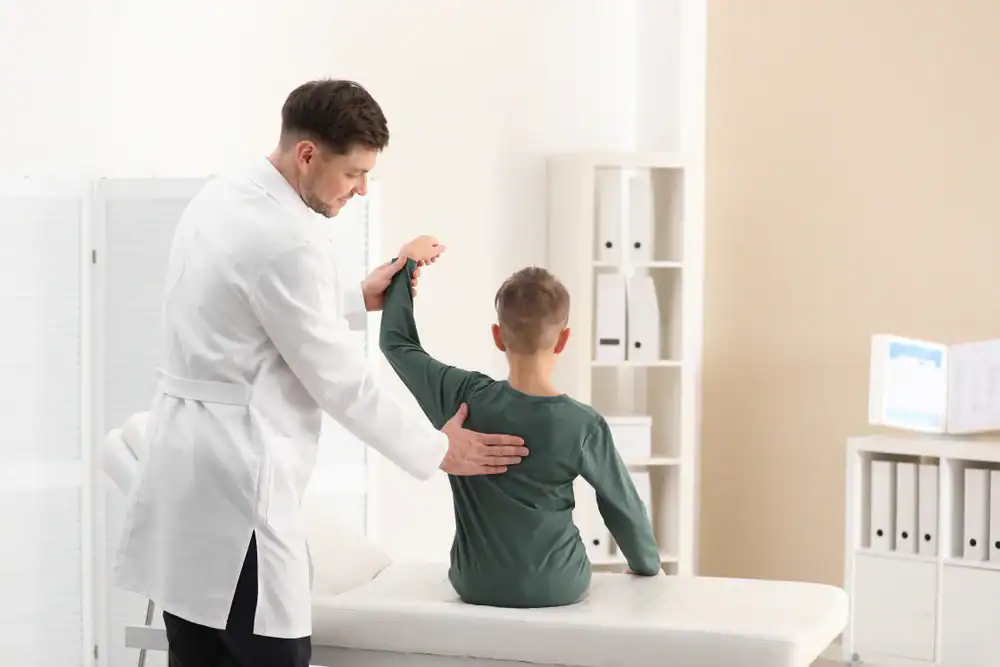
How Sports and Backpacks Add Hidden Stress to Growing Bodies
Kids in Hudson County, NJ are busy. Between school, sports, and after-school activities, their bodies are under constant strain. And a lot of that strain is invisible until it starts causing pain.
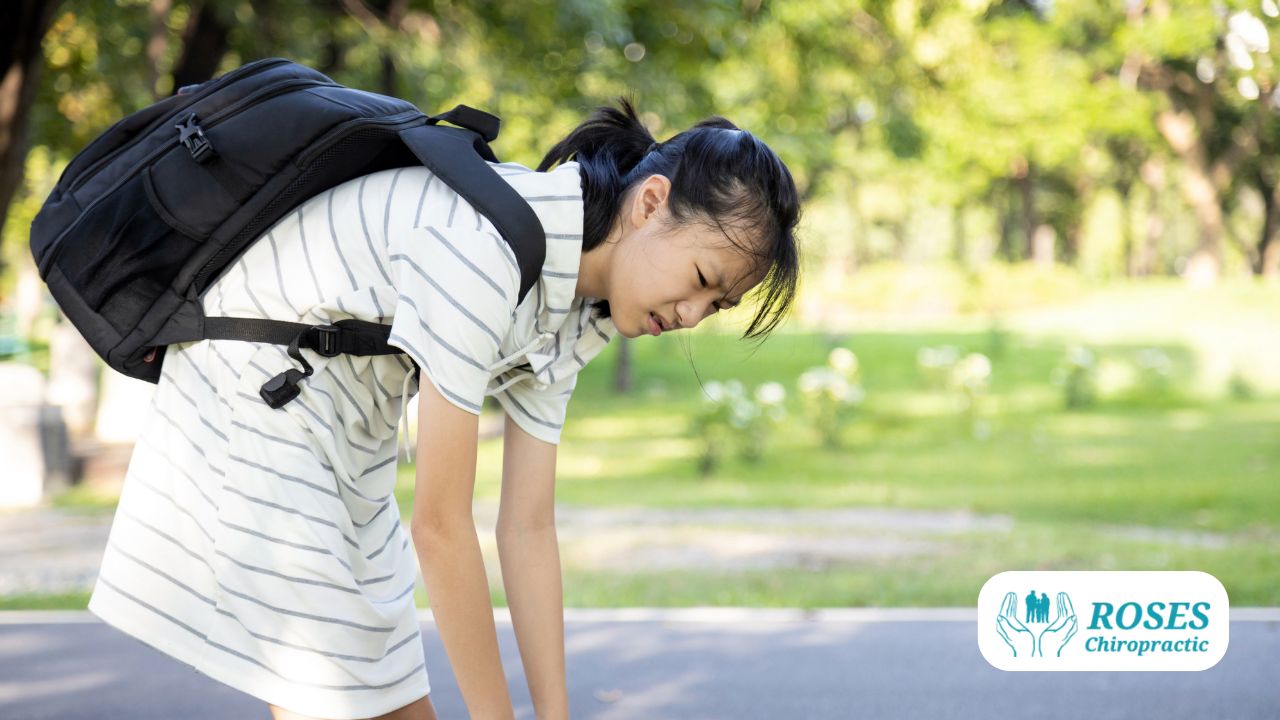
Take backpacks. Studies show that kids regularly carry backpacks weighing 15% of their body weight—sometimes 30 pounds or more. That’s way over the recommended 10% max. Heavy backpacks pull kids backward, so they compensate by leaning forward or arching their backs. Over time, this creates muscle imbalances, postural changes, and pressure on the spine. Experts have found that about 60% of orthopedists are now seeing pediatric patients with back and shoulder pain caused by heavy backpacks.
Then there’s sports. Running, jumping, pivoting—these are all great for kids. But repeated stress on growing bones and muscles can lead to overuse injuries at the growth plates. Conditions like Sever’s disease, Achilles tendonitis, and runner’s knee are common in young athletes. The pain might show up as leg aches at night, but the root cause is biomechanical stress during the day.
And let’s not forget the hours spent sitting. Kids sit at school, sit doing homework, sit playing video games or scrolling on devices. Prolonged sitting increases pressure on spinal discs, reduces lower back strength, and contributes to poor posture. All of this can manifest as leg or back pain that parents assume is just part of growing up.
The reality? A lot of what gets labeled as growing pains is actually your child’s body reacting to physical stress. Their muscles, bones, and joints are trying to keep up with the demands being placed on them. When alignment is off—even slightly—it creates tension, discomfort, and compensatory patterns that can follow them into adulthood if not addressed.
Red Flags That Mean It's Time to See a Child Chiropractor
Not every ache needs professional care. But there are clear signs that what your child is experiencing goes beyond typical growing pains. Here’s what to watch for.
If the pain happens during the day, that’s a signal. True growing pains show up at night and are gone by morning. If your child is complaining while they’re active, something else is going on. Same if they’re limping or favoring one leg. That’s not normal and shouldn’t be ignored.
Pain in only one leg is another red flag. Growing pains are bilateral—they affect both legs. If your child consistently points to the same spot on one side, it could be an injury, a stress fracture, or a biomechanical issue that needs evaluation.
Watch their activity level. If the pain is stopping them from playing sports, running with friends, or participating in PE class, that’s not something to wait out. Pain that interferes with normal childhood activities deserves attention.
Other concerning signs include swelling, redness, warmth in the leg, fever, rash, or loss of appetite. These could indicate infection or another medical issue. Numbness, tingling, or weakness in the legs can point to nerve involvement. And if your child is waking up multiple nights a week in severe pain, even if it’s gone by morning, that level of disruption isn’t normal.
A child chiropractor can perform a thorough assessment to determine whether the pain is coming from spinal misalignment, muscle imbalance, postural issues, or something that needs referral to another specialist. The goal is to find the actual source of the problem, not just manage symptoms.
Want live answers?
Connect with a DR Roses expert for fast, friendly support.
How Pediatric Chiropractic Care Helps Kids with Leg and Back Pain
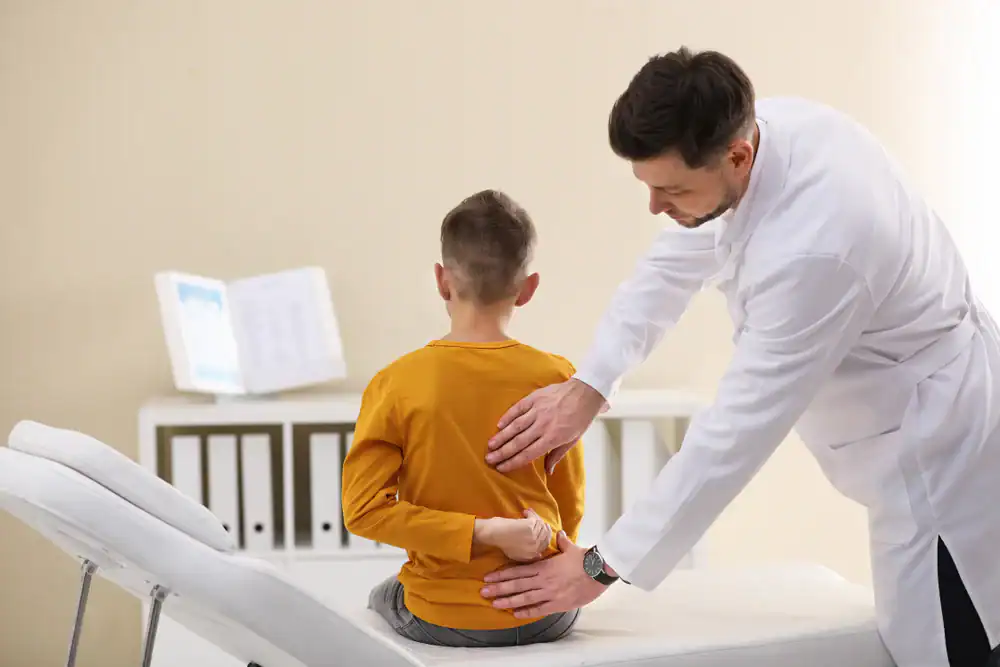
Chiropractic care for children isn’t the same as care for adults. Pediatric adjustments are gentle, using light fingertip pressure to correct spinal misalignments. There’s no forceful twisting or cracking. The techniques are specifically designed for developing bodies.
When we evaluate your child, we’re looking at the whole picture. How does your child move? Where is their posture off? Are there areas of tension or restricted motion? What’s their daily routine like—how much time sitting, how heavy is their backpack, what sports do they play?
Misalignments in the spine—even small ones—can create tension in surrounding muscles and nerves. This can show up as leg pain, back pain, headaches, or even sleep problems. By gently realigning the spine, we help restore proper function, reduce nerve irritation, and allow the body to heal naturally.
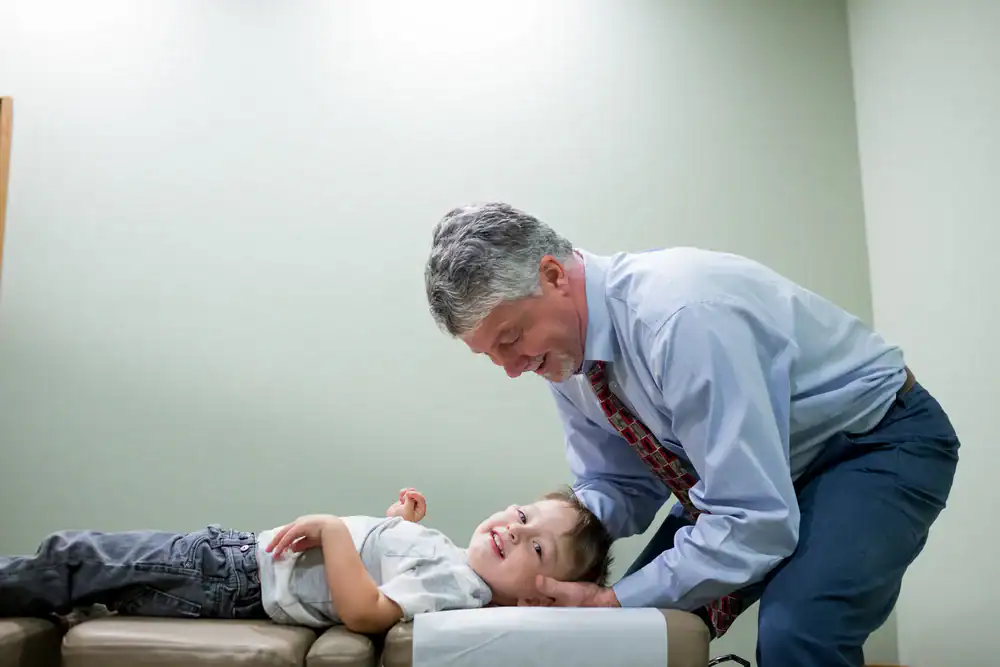
Natural Pain Relief for Children Without Medication
A lot of parents are looking for natural pain relief for children that doesn’t involve medication. Pediatric chiropractic offers exactly that. Instead of masking symptoms, it addresses the underlying cause.
When the spine is properly aligned, the nervous system functions better. Blood flow improves. Muscles relax. Inflammation decreases. Kids often report feeling immediate relief after an adjustment, and over time, the recurring pain episodes become less frequent or disappear altogether.
Chiropractic care has been shown to help with more than just pain. Parents report improvements in sleep quality, behavior, focus, and immune function. That makes sense when you consider that the nervous system controls all of these things. When there’s interference—whether from misalignment, muscle tension, or postural stress—it affects the whole body.
For kids dealing with sports-related pain, chiropractic can also improve performance. Proper alignment means better range of motion, stronger muscles, and more efficient movement. Athletes who receive regular chiropractic care often experience fewer injuries and faster recovery times.
And for the backpack issue? We can assess how that daily load is affecting your child’s spine and posture, then provide specific recommendations and exercises to counteract the strain. Small adjustments in how they wear their pack, how they lift it, and how they strengthen their core can make a big difference.
The approach is holistic. It’s not just about adjusting the spine—it’s about teaching kids and parents how to support their bodies through movement, posture, and lifestyle choices that promote long-term health.
Supporting Proper Development During Growth Spurts
Kids grow fast. During growth spurts, bones lengthen quickly, but muscles and tendons don’t always keep pace. This creates tightness and tension, which is one reason why growing pains happen in the first place. But when you add biomechanical stress on top of that—heavy backpacks, sports, poor posture—the body can’t compensate as well.
Pediatric spinal alignment is especially important during these critical growth years. The spine is developing, the nervous system is maturing, and patterns are being set that will affect your child’s health for decades. Addressing misalignments early prevents compensatory patterns from becoming permanent.
Think of it this way: if your child’s spine is slightly out of alignment and they’re carrying a 30-pound backpack every day, their body will adapt. But that adaptation isn’t ideal. It might mean one shoulder sits higher than the other, or they develop a forward head posture, or certain muscles become overdeveloped while others weaken. Over time, these adaptations create chronic issues—headaches, neck pain, back pain, even digestive or breathing problems.
We help ensure that as your child grows, their structure stays balanced. Regular assessments catch small issues before they become big ones. Adjustments keep the spine mobile and properly aligned. And education empowers families to make choices that support healthy development.
Parents in Hudson County, NJ often bring their kids in after months of dismissing pain as normal. Once they see the difference that proper care makes—better sleep, less pain, improved mood and energy—they wish they’d come sooner. You don’t have to wait until the pain is severe or constant. If something feels off, trust that instinct.
When to Schedule a Pediatric Assessment for Your Child
If your child has recurring leg or back pain, it’s worth getting it checked. Not every ache is an emergency, but waiting too long can allow small problems to become bigger ones. A child chiropractor in Hudson County, NJ can provide a thorough evaluation, identify the source of the pain, and create a care plan that supports your child’s health and development.
You know your child best. If their pain is affecting sleep, limiting activities, or just doesn’t feel right to you, don’t brush it off. We offer pediatric assessments designed to give you answers and give your child relief. Because growing up shouldn’t have to hurt.