
Summary:
Why 'Pushing Through' Pain Leads to Bigger Problems
Most people who stay active have been told at some point to push through discomfort. And in some cases, that advice makes sense—like when you’re building endurance or working through normal muscle soreness after a hard workout.
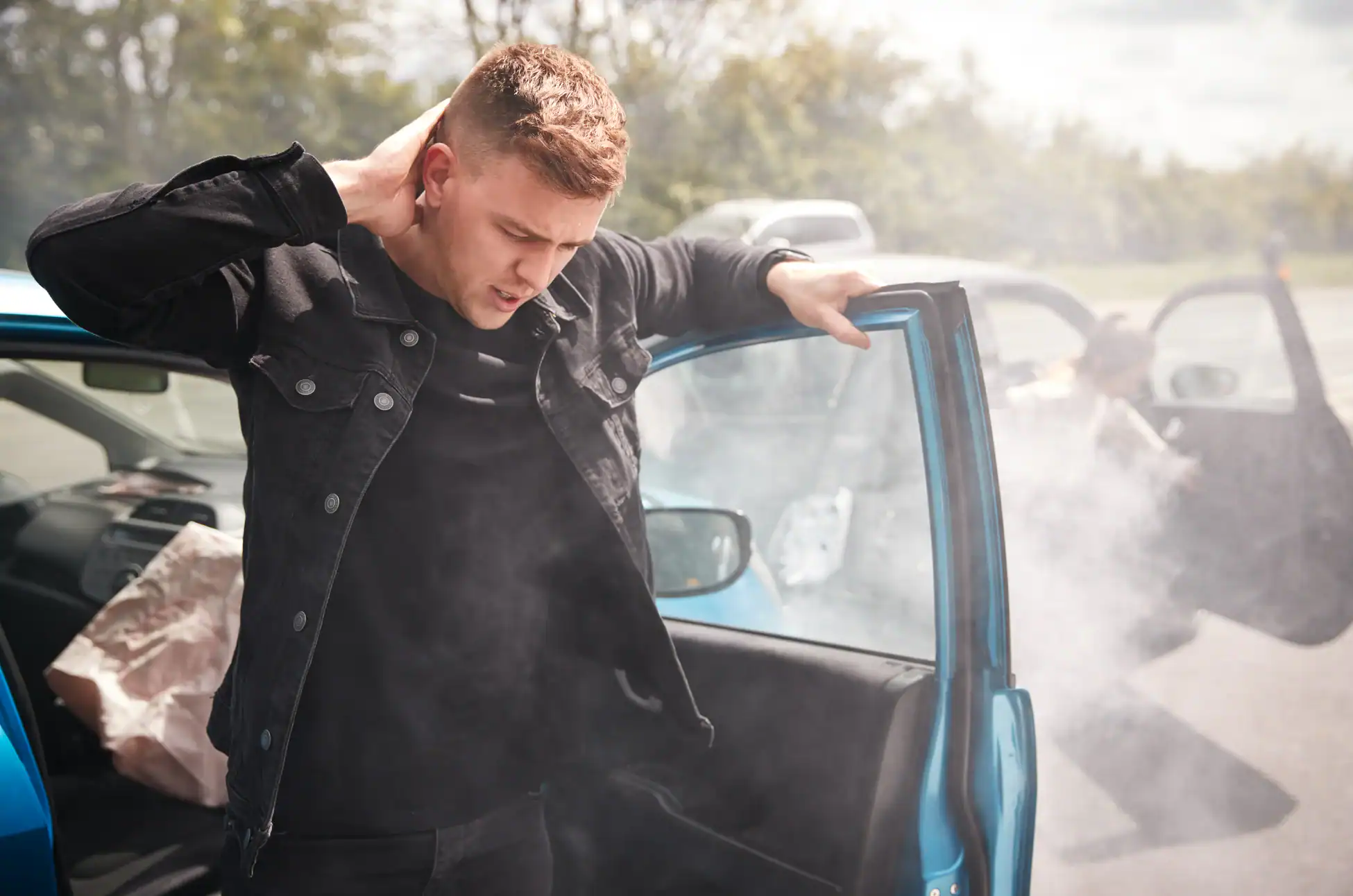
But there’s a massive difference between soreness and pain. Soreness is that dull, achy feeling that shows up a day or two after you challenge your muscles. Pain is sharp, persistent, or gets worse when you move a certain way. Pain during activity—especially if it’s making you adjust how you move—is your body’s way of saying something’s wrong.
When you ignore that signal and keep playing, you’re not building toughness. You’re setting yourself up for a longer recovery, a more serious injury, or even permanent damage. One overuse injury can quickly turn into six if you’re compensating with poor movement patterns just to avoid the pain.

What Happens When You Ignore Sports Injuries
Let’s say you tweaked your shoulder playing tennis. It’s sore, but you figure it’ll go away on its own. So you keep playing. Week after week, that soreness turns into stiffness. Then it starts affecting your serve. Before long, you’re dealing with shoulder impingement, inflammation in the rotator cuff, and pain that won’t quit—even at rest.
Now what could have been addressed with a few weeks of targeted care has turned into months of limitations. Maybe you can’t lift your arm overhead without wincing. Maybe you’re popping ibuprofen before every match just to get through it. And the worst part? You’re not even playing at the level you want to because your body is working against you.
This pattern plays out all the time with weekend warriors. You sit at a desk all week, then suddenly ask your body to sprint, jump, pivot, and perform like it’s still 25 years old. Your muscles, tendons, and joints aren’t conditioned for that kind of demand. When you add “pushing through pain” into the mix, you’re compounding the problem.
The truth is, untreated injuries don’t just linger—they get worse. Inflammation becomes chronic. Muscle imbalances develop. Scar tissue builds up. Range of motion decreases. And eventually, what started as a minor issue becomes something that requires serious intervention, or worse, keeps you off the field entirely.
That’s why catching sports injuries early matters. The sooner you address the root cause, the faster you can get back to doing what you love—without the constant worry that one wrong move will put you back on the bench.
Common Sports Injuries in Hudson County Athletes and Weekend Warriors
Certain injuries show up again and again in active adults, especially those who pack most of their physical activity into weekends. If you’re playing sports in Hudson County—whether it’s pickup basketball in Jersey City, tennis in Bayonne, or running along the waterfront—you’re probably familiar with at least one of these.
Rotator cuff injuries are common in any sport that involves overhead motion. Tennis, baseball, swimming—they all put repeated stress on the shoulder joint. Over time, that stress can lead to inflammation, impingement, or even tears in the tendons. You’ll feel it when you try to lift your arm, reach behind your back, or lie on that shoulder at night.
Knee pain is another big one, especially for runners and anyone playing sports that involve quick direction changes. Runner’s knee, meniscus tears, cartilage damage, ACL strains—they all fall under this umbrella. As you age, the tendons and ligaments in your knee start to break down, making inflammation and injury more likely. If you’re dealing with knee pain during or after activity, it’s not something to ignore.
Tendonitis can show up almost anywhere—elbows, wrists, ankles, shoulders. It’s caused by repetitive motion and overuse, and it’s marked by inflammation in the tendon. Tennis elbow and golfer’s elbow are probably the most well-known versions, but Achilles tendonitis is just as common, especially in people who run or jump frequently. The tendons in the lower leg lose elasticity with age, making them more vulnerable to inflammation and tears.
Then there’s the stuff that doesn’t always get a fancy name but still sidelines people: lower back pain from poor posture or weak core muscles, ankle sprains from uneven surfaces or sudden pivots, and general muscle strains from doing too much too soon. These injuries might seem minor at first, but they have a way of sticking around if you don’t address them properly.
What ties all of these injuries together is how they happen. Most of them aren’t the result of a single traumatic event. They develop over time due to overuse, poor flexibility, muscle imbalances, or biomechanical issues that put extra stress on certain areas. And because they develop gradually, it’s easy to convince yourself they’re not a big deal—until they are.
The good news is that most of these injuries respond well to conservative care when caught early. You don’t need surgery or heavy medication to recover. You need a plan that addresses the underlying cause, restores proper movement, and builds strength in the right places. That’s where our chiropractic services come into play.
Want live answers?
Connect with a DR Roses expert for fast, friendly support.
How Chiropractic Care Helps Athletes Recover From Sports Injuries
Chiropractic care isn’t just about cracking your back and sending you on your way. When it comes to sports injuries, it’s about identifying what’s not moving right, what’s compensating, and what needs to be strengthened so your body can heal and perform the way it’s supposed to.
The process starts with understanding the injury. We look at more than just where it hurts. We assess how you move, where you’re tight, where you’re weak, and how those factors are contributing to the problem. Then we build a treatment plan that addresses all of it—not just the symptoms, but the root cause.
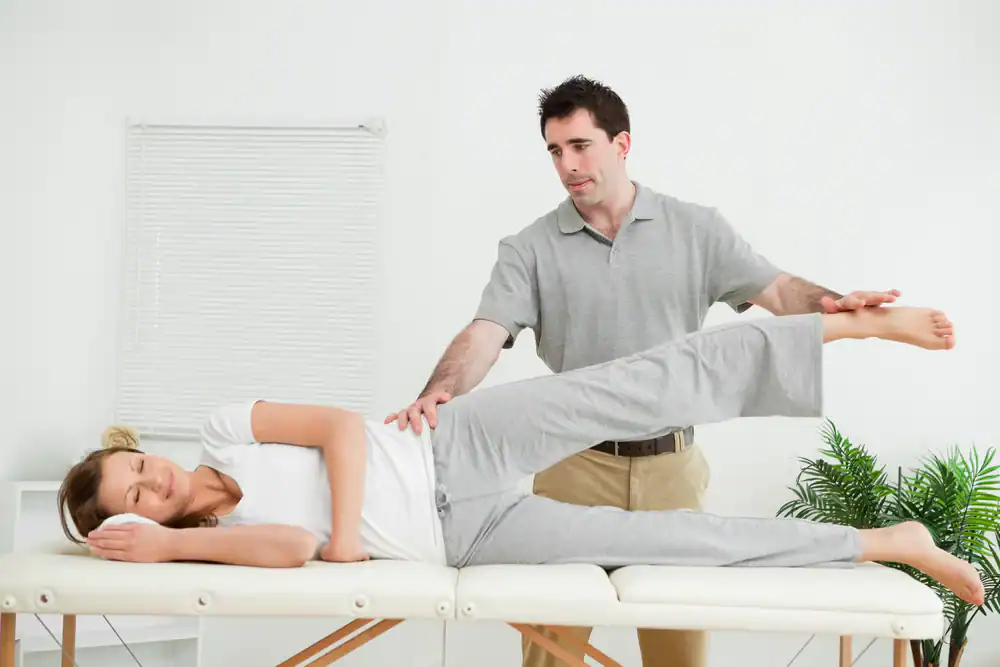
That plan typically includes hands-on adjustments to restore joint mobility and alignment, soft tissue work to reduce tension and inflammation, and corrective exercises that retrain your body to move efficiently. It’s a combination approach, and it works because it treats the whole system, not just the sore spot.
What to Expect During Chiropractic Treatment for Sports Injuries
If you’ve never worked with a chiropractor for a sports injury, here’s what the process generally looks like. Your first visit involves a thorough assessment. That means talking about how the injury happened, what movements make it worse, and what your goals are—whether that’s getting back to your weekend tennis league or just being able to lift your arm without pain.
From there, we perform a physical exam to check your range of motion, muscle strength, joint stability, and alignment. We’re looking for imbalances, restrictions, and compensatory patterns that might be contributing to the injury. In some cases, we may use diagnostic imaging to get a clearer picture of what’s going on inside.
Once we understand the full scope of the injury, treatment begins. Chiropractic adjustments are a big part of that. These are controlled, targeted movements that realign joints and restore proper function. When a joint isn’t moving the way it should, it creates stress on the surrounding muscles, tendons, and ligaments. Adjustments relieve that stress, reduce inflammation, and help your body heal more efficiently.
Soft tissue therapy is another key component. This might include massage, trigger point release, or instrument-assisted techniques that break up scar tissue, improve circulation, and reduce muscle tightness. These therapies work hand-in-hand with adjustments to address both the joint and the soft tissue around it.
But here’s where chiropractic care for sports injuries really stands out: corrective exercises. You’re not just getting treated in the office and then sent home to rest. You’re given a customized exercise plan that helps you rebuild strength, improve flexibility, and retrain movement patterns that may have contributed to the injury in the first place. These exercises are designed to be done between visits, and they play a huge role in long-term recovery and injury prevention.
The goal isn’t just to make the pain go away. It’s to make sure the injury doesn’t come back. That means addressing the biomechanical issues, muscle imbalances, and movement dysfunctions that led to the problem. It means building stability in the joints, improving flexibility in tight areas, and strengthening weak muscles so your body can handle the demands of your sport without breaking down.
Corrective Exercise Plans and Return-to-Play Guidance
One of the biggest questions athletes have after an injury is: when can I get back out there? And the answer isn’t as simple as “when it stops hurting.” Pain is just one piece of the puzzle. You also need full range of motion, adequate strength, proper movement patterns, and confidence that you won’t re-injure yourself the moment you step back on the court or field.
That’s where a corrective exercise plan becomes essential. These aren’t generic stretches you found on YouTube. They’re specific exercises tailored to your injury, your sport, and your body’s needs. They’re designed to progress over time, starting with basic movements that restore mobility and gradually building up to sport-specific drills that prepare you for the demands of competition.
For example, if you’re recovering from shoulder impingement, your corrective exercise plan might start with gentle range-of-motion exercises and postural corrections. As your shoulder heals, you’ll progress to strengthening exercises that target the rotator cuff and scapular stabilizers. Eventually, you’ll work on dynamic movements that mimic the actions you perform in your sport—whether that’s serving a tennis ball, throwing a baseball, or swimming laps.
The same approach applies to knee pain, tendonitis, or any other sports injury. The exercises evolve as you heal, ensuring that you’re not doing too much too soon, but also not babying the injury to the point where you lose strength and mobility. It’s a careful balance, and it requires ongoing assessment and adjustment.
Return-to-play decisions are based on objective criteria, not just how you feel on a given day. Can you perform sport-specific movements without pain? Do you have full range of motion? Is your strength comparable to the uninjured side? Can you change direction, jump, or sprint without hesitation? These are the benchmarks that determine whether you’re truly ready to get back in the game.
Rushing back too soon is one of the biggest mistakes athletes make. You might feel 80% better and convince yourself that’s good enough. But that missing 20% is often the difference between a full recovery and a re-injury that sets you back even further. We help you make smart decisions about when to progress, when to pull back, and when you’re actually ready to return to full activity.
And even after you’re cleared to play, the work doesn’t stop. Maintenance exercises, periodic check-ins, and continued focus on proper mechanics help ensure that the injury doesn’t come back. Because the goal isn’t just to get you back on the field—it’s to keep you there.
Recover Smarter, Not Harder: Chiropractic Care for Hudson County Athletes
Pushing through pain doesn’t make you tougher. It makes you more likely to end up on the sidelines for longer than necessary. If you’re dealing with a sports injury—whether it’s shoulder pain, knee issues, tendonitis, or something else—the smartest thing you can do is address it now, before it becomes a bigger problem.
Chiropractic care offers a proven, drug-free approach to sports injury recovery. It’s not about masking symptoms or rushing you back into action. It’s about understanding what went wrong, fixing the underlying issues, and giving your body what it needs to heal properly. That means hands-on treatment, corrective exercises, and guidance on when it’s actually safe to return to play.
For athletes and weekend warriors across Hudson County, we provide the expertise and personalized care you need to recover smarter and get back to doing what you love—without the constant worry that one wrong move will put you back at square one.