What to Expect at Your First Chiropractic Visit in Bayonne, NJ
Share:

Summary:
Walking into a chiropractor’s office for the first time can feel intimidating, especially if you’re not sure what to expect. This guide breaks down every step of your first visit—from the initial consultation to the physical exam and your first adjustment. You’ll learn what questions your chiropractor will ask, what the exam involves, why that “popping” sound is completely normal, and how drug-free care can address the root cause of your pain. If you’re in Bayonne or Hudson County and considering chiropractic care, this is everything you need to feel confident about booking that appointment.
Table of contents
- What Causes Chronic Back Pain to Keep Returning
- How Biomechanics and Posture Affect Your Spine
- Why Nerve Irritation Leads to Recurring Pain
- Conservative Care Options for Recurring Back Pain
- How Chiropractic Adjustments Address the Root Cause
- Prevention Steps to Stop the Pain Cycle
- Finding Lasting Relief from Recurring Back Pain
You’ve been dealing with back pain, neck stiffness, or headaches long enough. Maybe you’ve tried over-the-counter meds, heating pads, or just pushing through it. A friend mentioned seeing a chiropractor, and you’re curious—but also a little hesitant. What actually happens at a first chiropractic visit? Will it hurt? What’s with that cracking sound? And can it really help? If you’re in Bayonne or anywhere in Hudson County, NJ, and you’re considering chiropractic care for the first time, this guide walks you through exactly what to expect. No fluff, no surprises—just a straightforward look at the consultation, exam, and what “drug-free care” actually means for your body.
What Happens During Your First Chiropractic Consultation
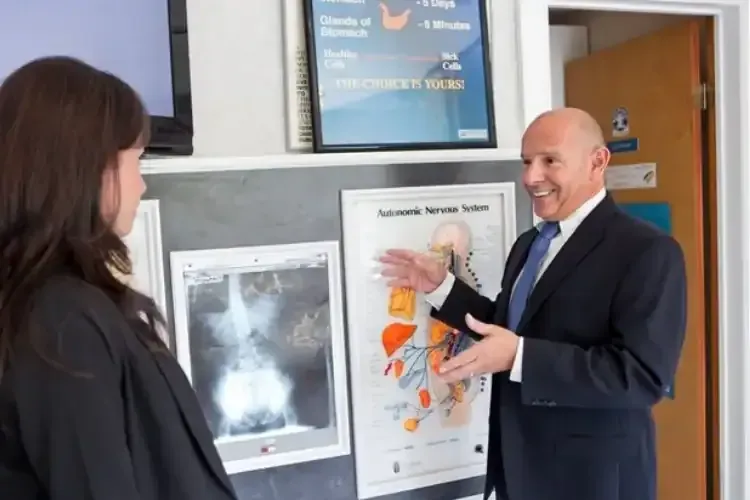
Your first visit typically lasts between 45 and 60 minutes. That might sound long, but it’s because we need to understand your full health picture before jumping into treatment.
When you arrive, you’ll fill out paperwork. This isn’t busywork. The forms ask about your current symptoms, when the pain started, what makes it better or worse, and your medical history. Be honest here. We need to know about past injuries, surgeries, medications, and even lifestyle habits that could be contributing to your discomfort.
After the paperwork, you’ll sit down with us for a consultation. This is where you explain what brought you in. We’ll ask specific questions: Is the pain sharp or dull? Does it come and go, or is it constant? Does it radiate anywhere? This conversation helps us figure out whether chiropractic care is the right fit for your condition—and if it’s not, we’ll tell you that too.

The Physical Exam and Spinal Assessment
Once we understand your symptoms, we’ll move on to the physical exam. This is where we assess your body’s current state and identify problem areas.
The exam typically includes checking your posture, range of motion, reflexes, and muscle tone. You might be asked to bend forward, twist to the side, or move your neck in different directions. These movements help us see where you’re restricted or compensating.
We’ll also use our hands to feel along your spine. This is called palpation, and it helps us locate areas that are stuck, misaligned, or inflamed. You might feel some tenderness when we press on a problem spot, but it shouldn’t be painful.
Depending on your condition, we may recommend X-rays or other diagnostic imaging. Not everyone needs them. X-rays are typically used if there’s been recent trauma, if we suspect a spinal deformity like scoliosis, or if we need to rule out fractures or other conditions that wouldn’t respond to chiropractic care. If X-rays are necessary, we’ll explain why and what we’re looking for.
The goal of this exam isn’t just to find out what hurts. It’s to understand why it hurts. We look for the root cause of your pain—whether it’s a misalignment in your spine, muscle imbalance, poor posture, or nerve interference. Once we identify the source, we can create a treatment plan that actually addresses the problem instead of just masking the symptoms.
After the exam, we’ll explain our findings. We’ll tell you what we discovered, whether chiropractic care can help, and what the treatment plan might look like. Some conditions—like fractures, tumors, or infections—don’t respond to chiropractic methods and require a different specialist. We’ll be upfront about this. If we can help, we’ll outline how many visits you might need and what kind of results you can expect.
Will You Get Adjusted on Your First Visit?
Many patients wonder if they’ll actually receive treatment on day one, or if the first visit is just a consultation. The answer depends on your specific situation, but in many cases, yes—you can get adjusted during your first appointment.
If we determine that chiropractic care is appropriate for your condition and you’re comfortable moving forward, we’ll often perform your first adjustment the same day. There’s no reason to delay treatment once the exam is complete and you understand what’s happening.
Your first adjustment will likely take place on a padded chiropractic table. You’ll be positioned based on the area being treated—face down for the lower back, seated or lying on your side for the neck. We’ll use our hands or specialized instruments to apply controlled, precise force to specific joints. The goal is to restore proper alignment and movement to areas that are restricted or stuck.
And yes, you might hear a popping or cracking sound. Let’s talk about that, because it’s one of the most common concerns people have.
The sound is called cavitation, and it’s completely normal. It’s not your bones cracking or breaking. What you’re hearing is the release of gas bubbles—mostly nitrogen, oxygen, and carbon dioxide—from the fluid inside your joints. When we adjust a joint, the pressure inside changes quickly, and those dissolved gases form bubbles and pop. It’s the same thing that happens when you crack your knuckles, just in a controlled, therapeutic way.
Here’s the important part: the sound doesn’t mean the adjustment worked. Some adjustments make noise, some don’t. The effectiveness of the treatment has nothing to do with how loud the pop is. What matters is whether the joint is moving better and whether you’re getting relief. Many highly effective adjustments happen in complete silence.
If the idea of that sound makes you nervous, tell us. There are low-force techniques and instrument-based methods that produce little to no noise. We can tailor our approach to your comfort level. The goal is always to help you feel better, not to make you anxious.
After your first adjustment, you might feel immediate relief. Some people walk out feeling looser and more mobile than they have in months. Others might feel a little sore for a day or two, similar to how your muscles feel after a workout. That soreness is normal—your body is adjusting to the new alignment. Drinking water, gentle stretching, and applying ice or heat can help ease any discomfort.
We’ll explain what to expect after the adjustment and answer any questions you have. We’ll also schedule follow-up visits if needed. Depending on your condition, you might need a series of adjustments over a few weeks, or you might just need occasional tune-ups. Either way, the plan will be based on your specific needs and goals.
Want live answers?
Connect with a DR Roses expert for fast, friendly support.
What Does Drug-Free Care Actually Mean?
You’ve probably heard us talk about “drug-free care,” but what does that actually mean for you? It means treating the cause of your pain without relying on medications that only mask symptoms.
Pain medications—whether over-the-counter or prescription—work by numbing your body’s pain signals. They can provide temporary relief, but they don’t fix the underlying problem. Once the medication wears off, the pain comes back. And if you’re taking them long-term, you’re dealing with potential side effects, tolerance issues, and in the case of opioids, the risk of dependence.
Chiropractic care takes a different approach. Instead of covering up the pain, we address the root cause. If your back hurts because a vertebra is misaligned and pressing on a nerve, adjusting that vertebra removes the pressure. The nerve can function properly again, and the pain goes away—not because it’s been numbed, but because the problem has been corrected.
How Chiropractic Adjustments Address the Root Cause of Pain
Your spine is more than just a stack of bones. It’s the main highway for your nervous system. Every message your brain sends to your body—and every signal your body sends back—travels through your spinal cord and the nerves that branch out from it.
When a vertebra shifts out of place or stops moving the way it should, it can interfere with those nerve signals. This is called a subluxation. It might not sound like a big deal, but even a small misalignment can cause pain, stiffness, muscle tension, headaches, or other symptoms. Over time, if left untreated, it can lead to bigger problems.
We’re trained to identify these subluxations and correct them through spinal adjustments. By restoring proper alignment and movement to the spine, we remove the interference that’s causing your symptoms. Your nervous system can function the way it’s supposed to, and your body can start healing itself.
This is why chiropractic care is often described as holistic. It’s not just about treating your back or your neck. It’s about supporting your body’s natural ability to heal and function. When your spine is aligned and your nervous system is working properly, everything else works better too—your posture, your mobility, your energy, even your immune system.
And because chiropractic care is hands-on and non-invasive, it doesn’t come with the risks that surgery or long-term medication use do. There’s no recovery time, no anesthesia, no prescriptions to fill. You walk in, get adjusted, and walk out. For many people, that’s a huge relief.
Studies back this up. Research shows that patients who see a chiropractor for back pain are 55% less likely to fill an opioid prescription compared to those who don’t receive chiropractic care. That’s significant, especially in a time when opioid dependence is a real concern. Chiropractic care offers a safer, more effective alternative for managing musculoskeletal pain.
Common Questions About Your First Chiropractic Visit
If you’re still on the fence, you’re not alone. Most people have questions before their first visit, and that’s completely normal. Here are the most common concerns we hear from patients in Bayonne and Hudson County.
Will it hurt? Most patients say no. Adjustments are generally not painful. You might feel some pressure or a brief stretch, but it shouldn’t hurt. If you have tight muscles or inflammation, there might be some tenderness, but that’s different from pain. And if you’re uncomfortable at any point, you can tell us. We’ll adjust our technique or try a different approach.
Is it safe? Yes. Chiropractic care is one of the safest forms of treatment for musculoskeletal pain. Serious complications are extremely rare. Chiropractors undergo years of training—typically 6 to 9 years of education—and are licensed professionals. We know how to assess your condition and determine whether chiropractic care is appropriate. If it’s not, we’ll refer you to the right specialist.
Do I have to keep going forever? No. Some people think that once you start seeing a chiropractor, you’re locked in for life. That’s not true. Your treatment plan will depend on your condition and your goals. Some people need a few visits over a couple of weeks. Others benefit from occasional maintenance visits to keep their spine healthy. But you’re never obligated to continue care if you don’t want to.
What if I don’t hear a pop? That’s fine. Not all adjustments produce sound, and the sound isn’t what makes the adjustment effective. Some people’s joints release gas bubbles during an adjustment, and some don’t. What matters is whether the joint is moving better and whether you’re getting relief. We’re not trying to make noise—we’re trying to restore function.
How long does it take to feel better? That varies. Some people feel immediate relief after their first adjustment. Others notice gradual improvement over a few visits. It depends on your condition, how long you’ve had it, and how your body responds to treatment. We’ll give you a realistic timeline based on our assessment.
What should I wear? Wear comfortable, loose-fitting clothes. You’ll need to move during the exam, and we may need to access your spine or joints. Avoid anything tight or restrictive. Athletic wear or casual clothes work well.
Can I eat before my appointment? Yes. There’s no need to fast or make any special preparations. Just show up as you normally would.
If you have other questions, don’t hesitate to ask. We’ll take the time to explain the process, answer your concerns, and make sure you feel comfortable before starting treatment. You’re not expected to know everything going in—that’s what the consultation is for.
Ready to Take the Next Step Toward Drug-Free Pain Relief?
Your first chiropractic visit doesn’t have to be intimidating. Now that you know what to expect—the consultation, the exam, the adjustment, and what “drug-free care” really means—you can walk in with confidence.
Chiropractic care offers a safe, effective way to address the root cause of your pain without relying on medications or invasive procedures. Whether you’re dealing with back pain, neck stiffness, headaches, or just want to improve your overall health, our chiropractic services can help.
If you’re in Bayonne, NJ or anywhere in Hudson County, we’re here to help. At Roses Chiropractic, Dr. Paul Roses has been serving the community for over 40 years, providing advanced spinal correction and personalized care in a welcoming environment. Your first visit is just the beginning of feeling better—and it’s a lot less scary than you might think.