
Hear from Our Customers
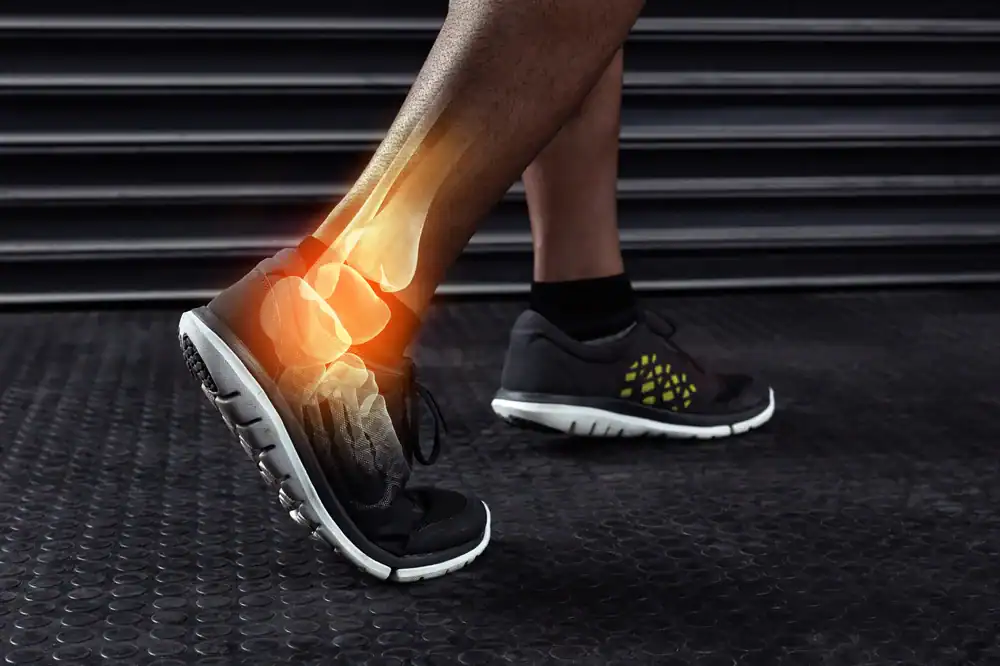
Most sports injuries aren’t just muscle strains. That ankle sprain or shoulder pain you’re dealing with probably threw your alignment off, which stresses other muscles and sets you up for another injury down the road.
When you address the root cause—not just the pain—you recover faster and stay in the game longer. Research shows athletes getting chiropractic care recover from lower back pain quicker than those using standard medical treatment alone.
You’re not looking for temporary relief. You want to get back to full strength without relying on pain meds or sitting through weeks of half-measures. Proper spinal alignment improves joint mobility, reduces inflammation, and lets your body actually heal instead of just masking symptoms.
Here’s what changes: better range of motion, less swelling, stronger stability in previously injured areas. You move better. You feel better. And you’re not constantly worried about reinjuring the same spot.
Dr. Paul Roses grew up in Bayonne, graduated from Life Chiropractic College in 1981, and has been treating athletes and active people in Hudson County for over three decades. He’s not new to sports injuries in West Side, NJ—he’s seen every type, from high school soccer players to weekend warriors pushing too hard at the gym.
This isn’t a corporate clinic. You’re working with someone who knows the community, understands how active the population is here, and has built a practice on getting people back to doing what they love without unnecessary procedures or prescriptions.
Dr. Roses was on-site providing care during the 9/11 rescue operations. That’s the level of commitment you’re dealing with—someone who shows up when it matters.
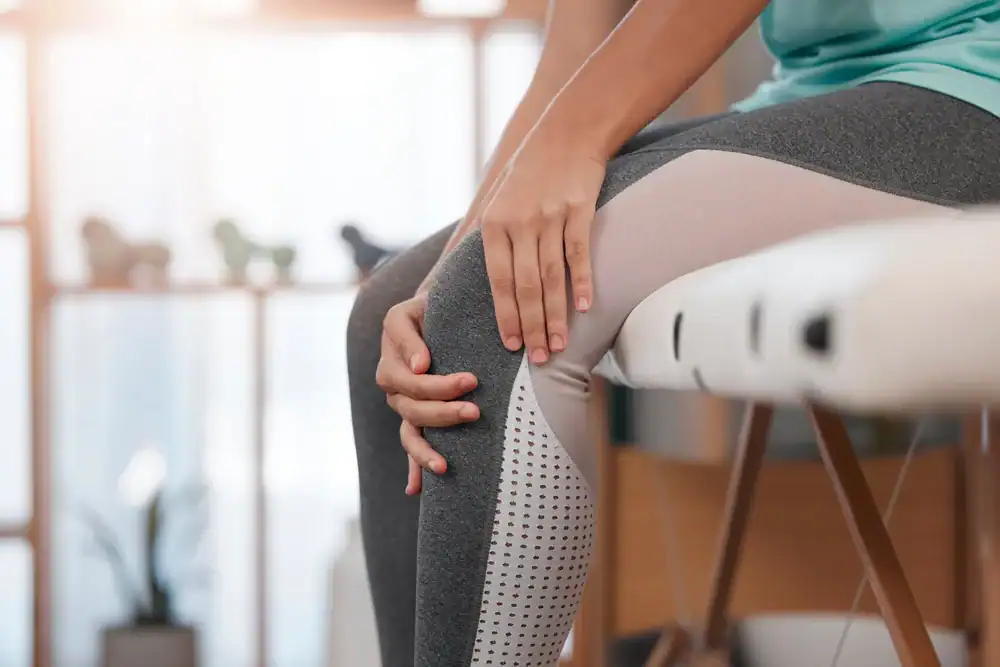
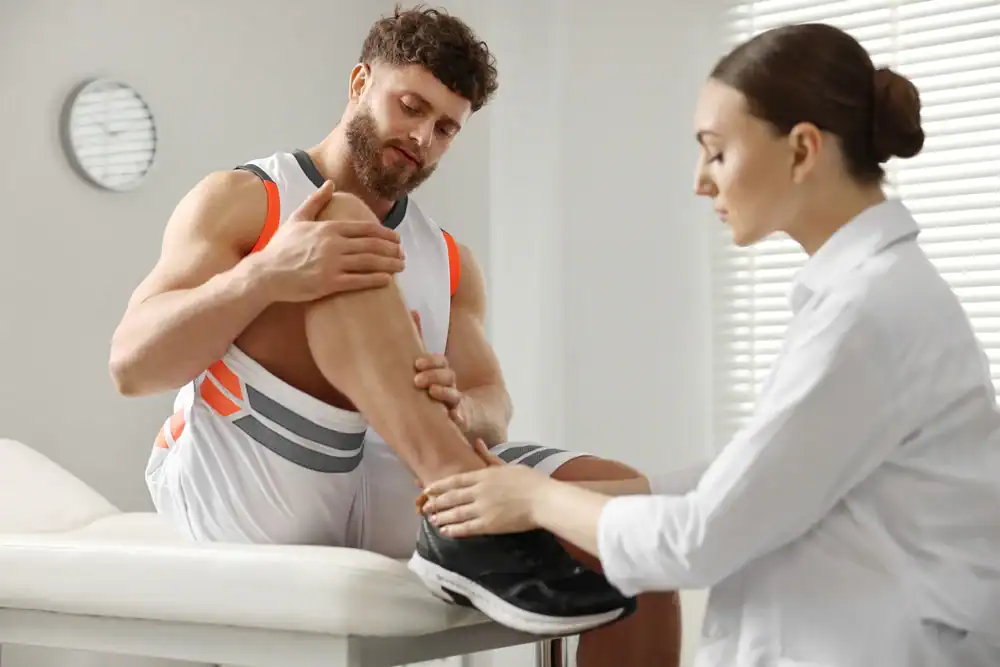
First visit starts with figuring out what’s actually wrong. Not just where it hurts, but what caused it—poor biomechanics, muscle imbalance, misalignment from the impact. You’ll get a full assessment that looks at the injury and how it’s affecting the rest of your body.
Treatment uses hands-on spinal adjustments to restore proper alignment, which takes pressure off stressed muscles and joints. This isn’t about cracking your back and sending you home. It’s about releasing muscle tension, improving blood flow to the injured area, and breaking up scar tissue that limits your movement.
You’ll also get a plan to prevent this from happening again. That might mean addressing how you warm up, correcting movement patterns, or strengthening areas that are compensating for the injury. The goal is to get you back to full function—not 80%, not “good enough,” but actually ready to perform.
Most minor sports injuries recover faster than you’d expect when the root cause gets handled. You’re not waiting weeks hoping it gets better. You’re actively healing.

Ready to get started?
We treat the full scope of sports injuries—sprains, strains, joint pain, repetitive motion injuries, impact trauma. If you’re dealing with a sports injury in West Side, NJ, you’re getting advanced spinal correction techniques that are safer and more effective than older methods.
Hudson County has one of the most active populations in New Jersey. With 736,185 residents and a median age of 35.8 years, there’s a lot of people here pushing their bodies—running along the waterfront, playing in recreational leagues, training for competitions. That means a lot of overuse injuries, a lot of people who don’t warm up properly, and a lot of athletes who keep playing through pain until something gives out.
You’re also getting a drug-free approach. No prescriptions, no masking symptoms, no side effects. Just your body healing the way it’s supposed to when everything’s aligned correctly. The injury rate associated with chiropractic care is one in a million for serious complications—considerably lower than standard primary care.
And if you’re wondering whether this actually works for serious athletes: 100% of NFL and MLB teams have chiropractors on staff. 72% of PGA golfers get regular chiropractic treatment. They’re not doing it for fun—they’re doing it because it improves performance and keeps them healthy.

Depends on the injury, but most minor sports injuries—muscle strains, mild sprains—start improving within a few days to a week when you’re treating the root cause and not just managing pain. If you’re 18-30 years old, your body’s already primed to heal quickly. Chiropractic care speeds that up by improving blood flow, reducing inflammation, and making sure your alignment isn’t working against you.
More serious injuries like ligament damage or chronic issues from old injuries that were never properly treated will take longer. But even then, you’re looking at faster recovery than if you just rest and hope for the best. Research backs this up—athletes receiving chiropractic care recover from lower back pain faster than those using standard medical care alone.
The key is consistency. One adjustment might give you relief, but a proper treatment plan over a few weeks actually fixes the problem. You’re not just feeling better temporarily—you’re healing correctly so you don’t end up back here in three months with the same injury.
Yes, and that’s one of the biggest reasons athletes get regular chiropractic care even when they’re not injured. Proper alignment means your muscles and joints are working the way they’re supposed to, which reduces the risk of strains, sprains, and overuse injuries.
When your spine’s misaligned, other parts of your body compensate. That creates muscle imbalances and puts stress on joints that aren’t built to handle it. Over time, that’s what leads to injuries—especially repetitive motion injuries from running, throwing, or any movement you do hundreds of times.
Regular adjustments keep everything balanced. Your range of motion improves, your biomechanics get better, and you’re not setting yourself up for the same injury pattern over and over. A lot of sports injuries happen because something was already off before the actual incident. You rolled your ankle because your gait was compensating for tight hips. You strained your shoulder because your upper back wasn’t moving right.
Fix the underlying issues, and you’re not just recovering—you’re actually less likely to get hurt in the first place.
Pretty much anything that doesn’t require surgery. Sprains and strains are the most common—ankles, knees, shoulders, wrists. Those account for about 37% of all sports injuries, and they respond really well to chiropractic care because most of them involve alignment issues that standard treatment misses.
You’ve also got overuse injuries—runner’s knee, tennis elbow, rotator cuff problems from repetitive motion. These happen when your body’s compensating for poor biomechanics, and they don’t get better with rest alone. You need to fix the movement pattern causing the problem.
Impact injuries are another big category. You took a hard fall, got hit during contact sports, landed wrong after a jump. Even if nothing’s broken, that kind of trauma knocks your spine out of alignment and creates muscle tension that limits your recovery. Chiropractic adjustments address that directly.
Head and face injuries make up about 24% of sports injuries overall, but those need medical evaluation first. For everything else—back pain, neck pain, joint issues, muscle strains—chiropractic care gets you back to playing faster than waiting it out or just taking pain meds.
Extremely safe. The injury rate for chiropractic care is one in one million for serious complications, which is significantly lower than standard medical treatment. For younger athletes—high school and college age—it’s often the better option because you’re not introducing pain medications or invasive procedures during a critical development period.
About 57% of high school students play at least one sport, and nearly 8 million high school athletes are active nationally. That’s a lot of growing bodies dealing with sports injuries, and a lot of them don’t heal right because they’re undertreated or they go back to playing too soon.
Chiropractic care addresses the injury properly without drugs or surgery. For a 16-year-old with a sprained ankle or strained hamstring, that means faster recovery, better healing, and less risk of chronic issues later. Younger athletes also respond faster to treatment because their bodies are already healing quickly—you’re just optimizing that process.
Parents bring their kids to us because they want effective treatment that doesn’t involve prescriptions. You’re getting a safe, proven approach that’s been used by professional sports teams for decades.
First 24-48 hours: rest, ice, compression, elevation. You know the drill. That controls swelling and prevents the injury from getting worse. Don’t try to “walk it off” or keep playing through it—that’s how minor injuries become major ones.
If there’s severe pain, visible deformity, or you can’t bear weight on it, get medical evaluation first to rule out fractures or tears that need immediate intervention. Chiropractic care is incredibly effective for sports injuries, but you need to know what you’re dealing with.
Once you’ve got the initial swelling under control and you know it’s not a fracture, that’s when chiropractic treatment makes the biggest difference. Most people wait too long—they rest for a week, it still hurts, so they rest another week, and now they’re dealing with scar tissue and compensation patterns that make recovery slower.
Getting in early means you’re addressing alignment issues and muscle tension before they become chronic problems. You’re also getting a clear picture of what caused the injury so you can prevent it from happening again. The sooner you start proper treatment, the faster you’re back to full strength.
Most insurance plans in New Jersey include chiropractic coverage, but the specifics vary by plan. Some cover a set number of visits per year, others require a copay, and some have deductibles you need to meet first. You’ll want to check your specific plan to see what’s covered.
What matters more than insurance is whether the treatment actually works. Chiropractic care for sports injuries is cost-effective compared to prolonged medical treatment, multiple specialist visits, or procedures that don’t address the root cause. You’re paying for something that gets results, not just temporary relief.
If cost is a concern, call our office and ask about payment options. We work with patients to make treatment accessible because we’d rather see you get better than have you skip care and deal with chronic problems later.
The bigger question isn’t whether insurance covers it—it’s whether you want to keep sitting on the sidelines or actually fix what’s wrong. Thirty-five percent of patients don’t need regular visits after their initial treatment because the chiropractic care was effective enough that the problem’s resolved. That’s not a long-term expense—that’s an investment in getting back to what you love doing.