
Hear from Our Customers
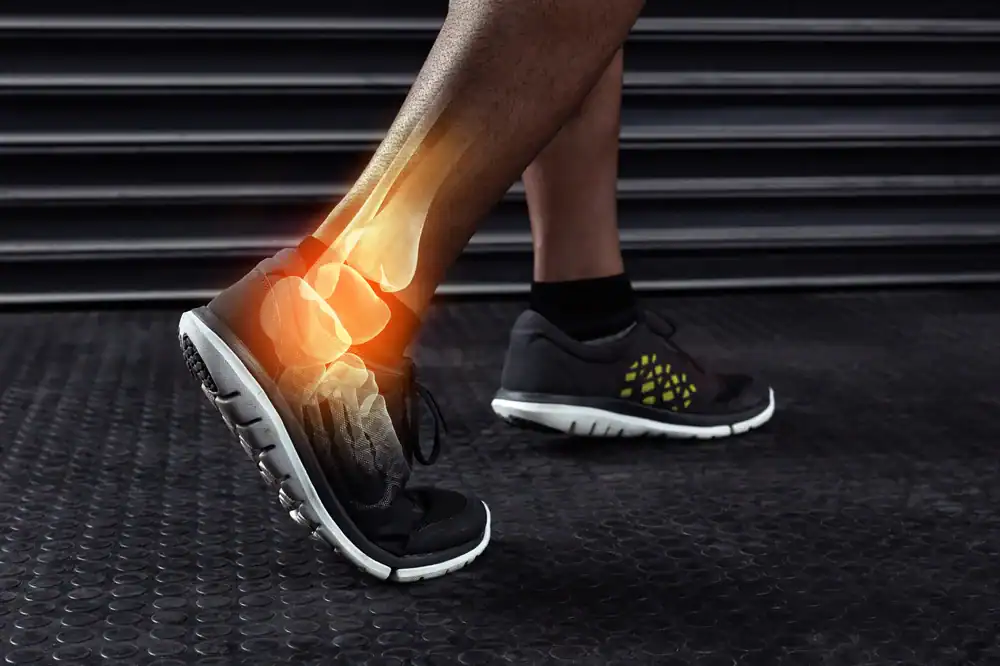
You’re not looking for temporary relief. You want to train hard, compete confidently, and wake up without that nagging reminder that something’s still off.
When sports injuries in Liberty State Park, NJ get treated at the source—not just masked with medication—your body stops compensating and starts performing. Research shows athletes who receive regular chiropractic care experience fewer lower limb muscle strains and miss fewer matches due to non-contact knee injuries. That’s not luck—that’s your nervous system communicating clearly with every muscle, joint, and tissue.
You’ll notice the difference when you’re pushing through a workout and there’s no sharp twinge holding you back. When you’re sleeping through the night instead of shifting positions every hour. When you’re confident your body can handle what you’re asking it to do, whether that’s a weekend 5K or a full season of competitive play.
Dr. Paul Roses has been practicing chiropractic care in Hudson County for over 30 years. That’s three decades of treating runners along the Liberty State Park waterfront, weekend warriors at local gyms, and competitive athletes across North Jersey.
After September 11, 2001, Dr. Roses provided on-site care for the firefighters and police officers who worked the World Trade Center rescue efforts. That’s the kind of commitment we bring—showing up when the community needs real help, not just when it’s convenient.
Liberty State Park draws thousands of active people every week—joggers, cyclists, soccer players, and families staying active outdoors. We understand the specific demands placed on bodies in this area, from the hard pavement along the promenade to the uneven terrain on the trails.
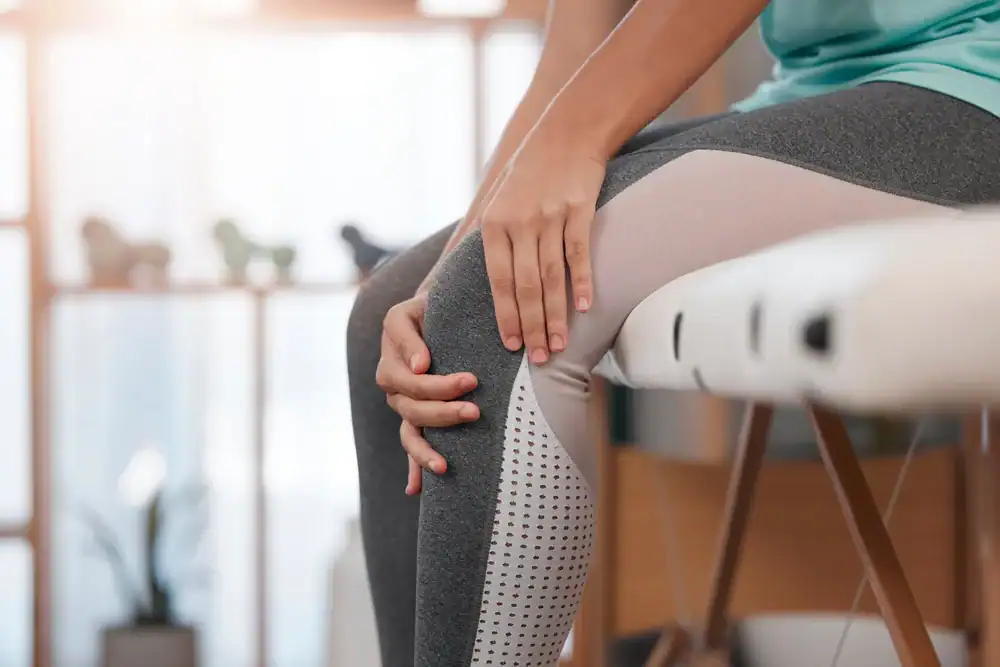
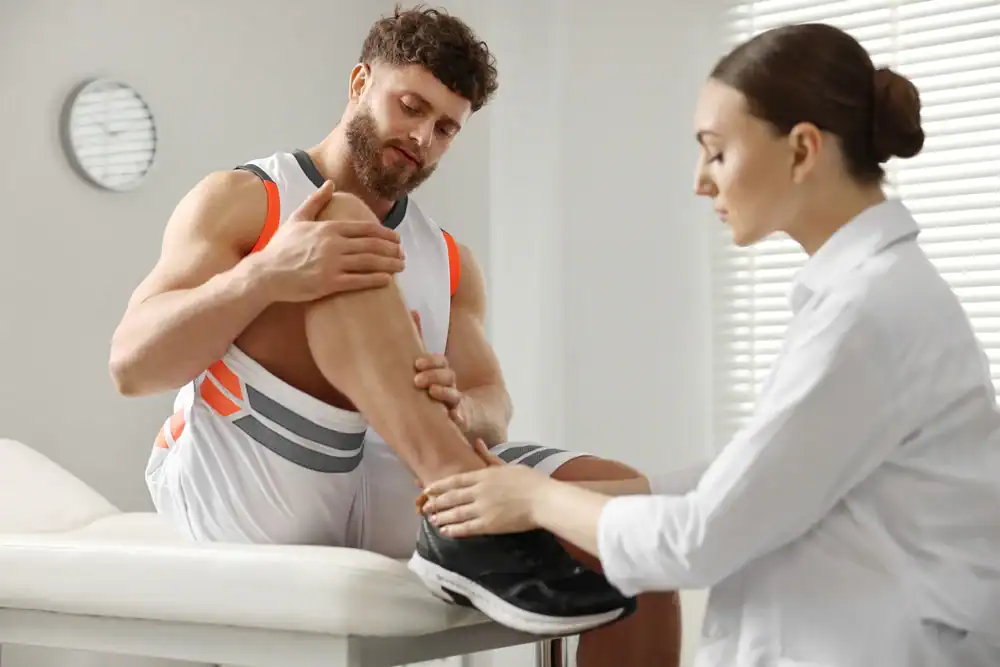
First, you’ll get a baseline assessment using Titron Infrared Imaging to identify exactly where nerve interference is occurring. If needed, x-rays provide a complete picture of what’s happening structurally. No guessing.
Then comes the actual treatment—spinal adjustments that remove subluxations causing your pain and limiting your performance. This isn’t about cracking your back and sending you home. It’s about restoring proper communication between your brain and the injured area so your body can do what it’s designed to do: heal itself.
You’ll also receive specialized exercises designed specifically for your injury and your sport. Not generic stretches you could find online—targeted movements that address the root problem and prevent re-injury. We provide lifestyle coaching and activity modifications so you’re not undoing progress between visits.
Recovery timelines vary, but most athletes notice improvement within the first few visits. The goal isn’t just getting you back to your sport—it’s getting you back stronger and less prone to the same injury happening again.

Ready to get started?
Every sports injury treatment at Roses Chiropractic starts with identifying the subluxation—the misalignment causing nerve interference and preventing your body from healing properly. Whether you’re dealing with a hamstring strain from running the Liberty State Park loop or shoulder pain from competitive swimming, the approach is the same: find the root cause and fix it.
You’ll receive hands-on spinal manipulation proven to be as effective as prolonged medical care and exercise combined, but without the drugs or surgery. Hudson County athletes are increasingly choosing this route—77% of people who see a chiropractor rate their treatment as “very effective,” and the safety record speaks for itself. Chiropractic care has a 40 per 100,000 incident rate compared to 153 per 100,000 in primary care.
Treatment includes therapeutic exercises tailored to your specific sport and injury, ergonomic advice to prevent future problems, and gait analysis if needed. For athletes training around Liberty State Park’s varied terrain—pavement, grass, gravel—small adjustments in how you move can make a massive difference in whether you stay healthy or keep getting hurt.
Insurance coverage for chiropractic services continues to expand, and many employer health plans now include it. We work with your insurance to maximize benefits, so cost doesn’t keep you from getting the care that actually works.

Recovery time depends entirely on the type and severity of your injury, how long you’ve been dealing with it, and how well you follow the treatment plan. That said, most athletes notice some improvement within the first two to three visits.
If you’re dealing with an acute injury—something that just happened in the last few days or weeks—you’ll typically recover faster than someone who’s been ignoring a problem for months. Your body hasn’t built up compensation patterns yet, so it responds quicker to adjustments.
Chronic issues take longer because your body has adapted to the misalignment. Muscles have tightened, joints have stiffened, and your nervous system has accepted this dysfunctional state as normal. Reversing that takes consistent care, usually over several weeks. But here’s what matters: you’re not just masking pain, you’re actually fixing the problem so it doesn’t keep coming back every season.
Yes, and the research backs this up. Studies show that athletes receiving regular chiropractic care experience fewer lower limb muscle strains and fewer non-contact knee injuries. Researchers have concluded that chiropractic should be added to sports training programs specifically because of these preventative benefits.
Here’s why it works: when your spine is properly aligned, your nervous system communicates clearly with every muscle and joint. That means better coordination, improved reaction time, and muscles that fire correctly when you need them. When something’s misaligned, your body compensates—and those compensations are where injuries happen.
Preventative care includes regular adjustments to maintain alignment, therapeutic exercises to strengthen vulnerable areas, and gait or movement analysis to catch problems before they become injuries. For athletes training regularly around Liberty State Park or competing in local leagues, this kind of proactive approach keeps you in the game instead of watching from the sidelines.
Chiropractic care is particularly effective for musculoskeletal injuries—anything involving muscles, joints, tendons, or ligaments. That includes the most common sports injuries: lower back strains, neck pain, shoulder issues, hamstring pulls, knee problems, and ankle sprains.
Neck and back pain account for 81.3% of the issues that bring athletes to chiropractors, and for good reason. These areas house your spinal cord and the nerves that control everything else in your body. When they’re misaligned, pain and dysfunction spread to other areas. Fix the spine, and you often fix problems that seem unrelated.
Runner’s knee, tennis elbow, rotator cuff strain, plantar fasciitis—these all respond well to chiropractic care because they’re often caused or worsened by compensation patterns stemming from spinal misalignment. Even if the pain is in your knee, the root cause might be in your lower back or pelvis. We look at your whole body, not just where it hurts, to figure out what’s actually going wrong.
Chiropractic care has an exceptional safety record. The average incident rate is 40 per 100,000 patients, compared to 153 per 100,000 in primary care. Older adults have a 76% lower adjusted injury risk with chiropractic care than with primary care for the same conditions.
For acute sports injuries, chiropractors are trained to assess whether manipulation is appropriate or if you need to be referred elsewhere. If you’ve got a fracture, a complete ligament tear, or something requiring surgery, we’ll tell you. X-rays and imaging help rule out serious structural damage before any adjustment happens.
What makes chiropractic care particularly valuable for acute injuries is that it addresses inflammation and pain without drugs. Health organizations now advocate for non-drug approaches to pain relief, and chiropractic is at the forefront of that movement. You’re not risking dependency on pain medication or dealing with side effects—you’re letting your body heal with the interference removed.
The goal is to fix the problem, not create a patient for life. How many visits you need depends on what’s wrong, how long it’s been wrong, and what you do between appointments.
Acute injuries typically require more frequent visits up front—sometimes two to three times per week for the first couple weeks—then taper off as you improve. Once you’re pain-free and moving correctly, you’re done with intensive treatment. Some athletes choose to continue with occasional maintenance visits to stay ahead of problems, especially during heavy training periods, but that’s a choice, not a requirement.
Chronic issues or recurring injuries take longer to resolve because your body needs time to unlearn compensation patterns and rebuild strength in the right areas. But even then, the frequency decreases as you progress. We provide specialized exercises and lifestyle modifications specifically so you can maintain the improvements on your own. You’re not being set up for endless appointments—you’re being given the tools to stay healthy after treatment ends.
Yes. An increasing number of private insurers and public health plans now reimburse chiropractic services, and many employer health plans include chiropractic care as a standard benefit. Medicare also covers chiropractic treatment.
We work with your insurance to maximize your benefits. That means verifying coverage before you start treatment, submitting claims correctly, and helping you understand what’s covered and what’s not. The goal is to remove cost as a barrier to getting care that actually works.
If you don’t have insurance or your plan doesn’t cover chiropractic, payment options are available. The reality is that effective treatment up front—even if you’re paying out of pocket—costs less than months of ineffective care, missed work, or a more serious injury down the line because you didn’t address the root problem. You’re not just paying for appointments; you’re investing in getting back to your sport and staying there.