
Hear from Our Customers
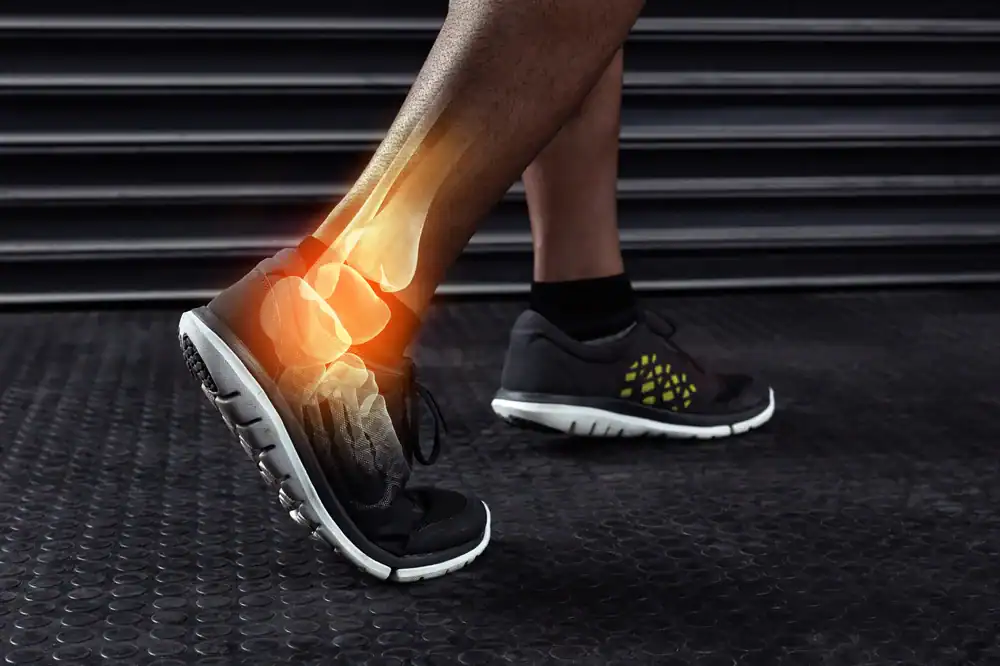
You pushed through the workout. Now your shoulder won’t rotate the same way. Or that nagging knee pain from last season just came back during your morning run.
Here’s what most athletes do: pop ibuprofen, ice it, hope it goes away. Then three weeks later, you’re still compensating, your form is off, and you’re setting yourself up for something worse.
Sports injuries aren’t like regular injuries. They happen because you’re asking your body to perform at high levels repeatedly. That means the fix isn’t just about pain relief. It’s about correcting what’s causing the breakdown, strengthening the area, and making sure you can train without fear of re-injury.
Our chiropractic care for sports injuries in Liberty Harbor, NJ focuses on your body’s natural ability to heal and perform. No prescriptions that dull your edge. No surgeries that sideline you for months. Just targeted adjustments, soft tissue work, and movement strategies that address the root cause so you can get back to doing what you love.
Studies show athletes using recovery strategies like chiropractic care improve performance by over 10%. That’s not just feeling better. That’s measurable results in how you move, how you recover, and how you compete.
Dr. Paul Roses has been serving Hudson County since 1981. He’s not new to sports injuries, and he’s not guessing at what works.
Liberty Harbor is full of professionals who stay active—whether that’s training for marathons, playing weekend soccer, hitting the climbing wall, or just trying to keep up with your kids. You value your time, and you need treatment that actually works.
We combine spinal adjustments with soft tissue techniques, movement assessment, and personalized recovery plans. Dr. Roses is trained in Applied Kinesiology and Active Release Techniques, which means he understands how your muscles, joints, and nerves work together when you’re performing at your best—and what goes wrong when you’re not.
You’re not getting a one-size-fits-all approach here. You’re getting someone who looks at why the injury happened and how to keep it from happening again.
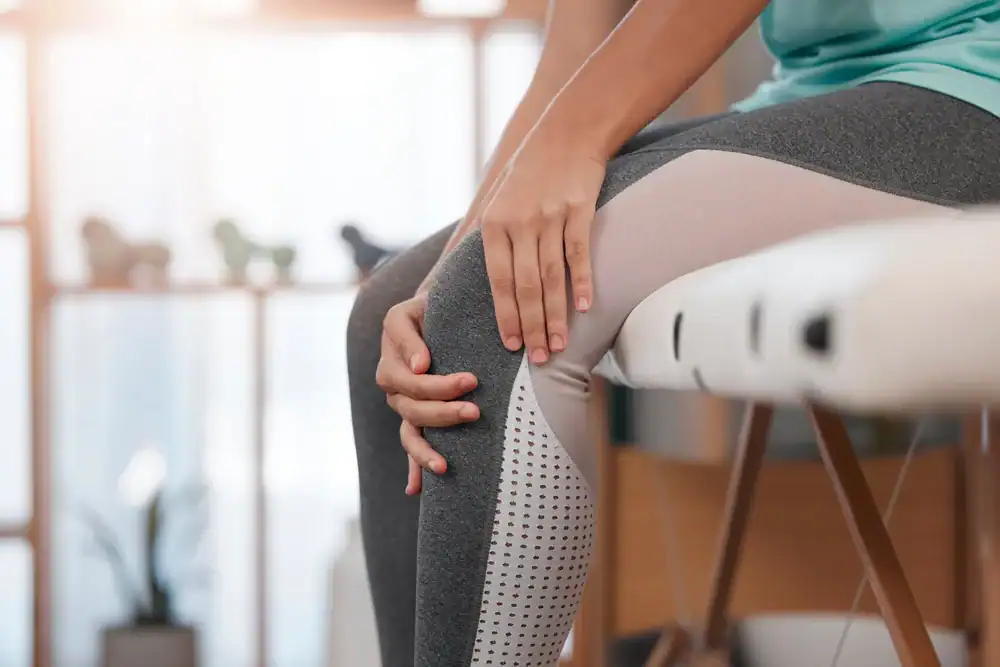
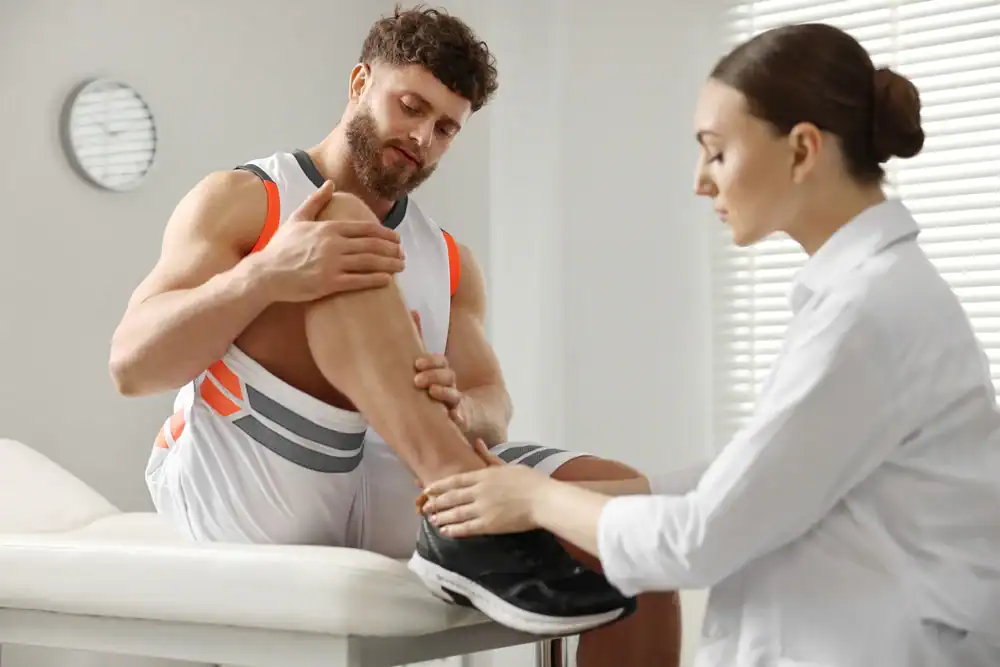
Your first visit starts with a real assessment. Not a quick look and a prescription pad. Dr. Roses evaluates your movement, checks your spine and joints, and uses diagnostic imaging when needed to see what’s actually going on beneath the surface.
Then you get a clear explanation. What’s injured, why it happened, and what the treatment plan looks like. No medical jargon. No runaround.
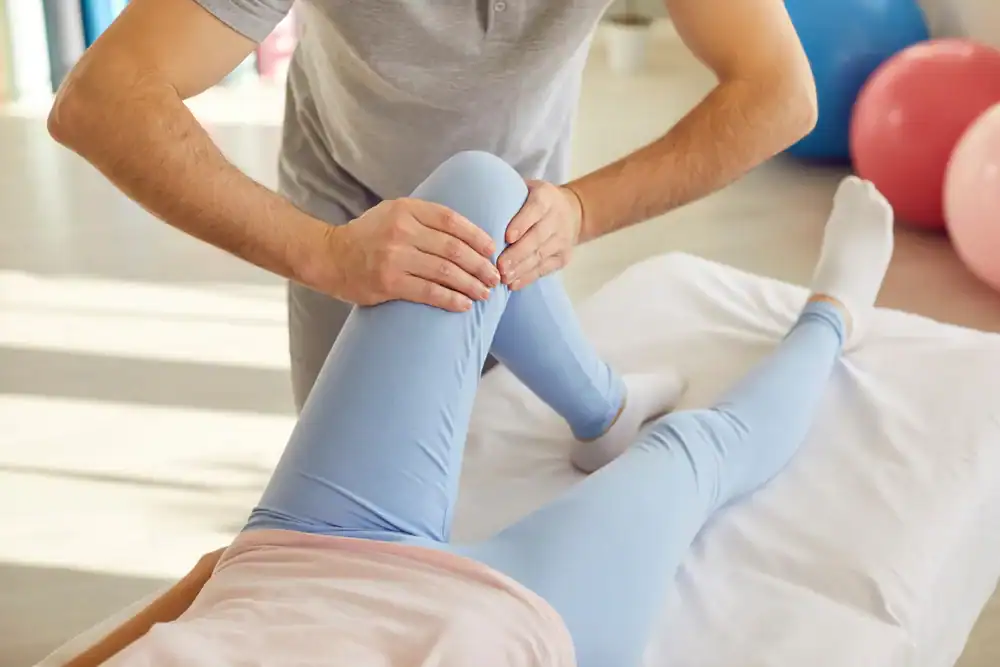
Treatment typically includes spinal adjustments to restore proper alignment, soft tissue work to release tension and improve blood flow, and specific exercises designed for your injury and your sport. You’ll also get guidance on what to avoid while you heal and how to modify your training so you’re not making things worse.
Most athletes notice improvement within the first few visits. Less pain, better range of motion, more confidence in the injured area. The goal isn’t just to get you out of pain—it’s to get you back to full strength and keep you there.
Follow-up visits track your progress and adjust the plan as you heal. Some injuries resolve in a few weeks. Others take longer. Either way, you’ll know where you stand and what to expect.
Ready to get started?
Every treatment plan includes a full musculoskeletal evaluation, spinal adjustments to correct misalignments, and soft tissue therapy to address muscle tightness and scar tissue. You’re also getting movement coaching—how to move properly so you’re not re-injuring yourself every time you train.
Liberty Harbor athletes deal with specific challenges. You’re commuting on trains, sitting at desks, then jumping into high-intensity workouts. That combination creates imbalances. Tight hips from sitting. Weak glutes. Forward head posture that throws off your shoulder mechanics. These things don’t just cause discomfort—they set you up for injury when you push hard.
We address those patterns. Dr. Roses looks at how your daily routine impacts your athletic performance and builds a plan that fits your life. That might mean adjustments twice a week at first, then tapering down as you improve. It might include specific stretches for your commute or desk setup recommendations that take pressure off your lower back.
You also get access to recovery strategies that go beyond the adjustment table. Guidance on when to use ice versus heat. How to structure your training to allow for proper recovery. What warning signs mean you need to back off before a minor issue becomes a major one.
Nearly 8 million high school students play sports every year, and injury rates are climbing. But the athletes who prioritize recovery and corrective care stay in the game longer and perform better. That’s not luck. That’s smart training.

Sports injuries require a different approach because you’re not just trying to eliminate pain—you’re trying to restore full function so you can perform at a high level again. Regular chiropractic care might focus on pain relief and basic mobility. Sports injury treatment focuses on strength, stability, range of motion, and preventing re-injury during activity.
Athletes can’t just avoid the movements that caused the injury. A runner can’t stop running. A tennis player can’t avoid overhead motion. So treatment has to address the biomechanics that led to the injury in the first place, strengthen the affected area, and improve movement patterns so the same injury doesn’t keep happening.
That means more emphasis on functional movement, sport-specific exercises, and understanding the demands you’re placing on your body. Dr. Roses looks at your training schedule, your technique, and the repetitive stress you’re putting on certain joints and muscles. Then he builds a plan that works with your athletic goals, not against them.
In many cases, yes. Surgery is sometimes necessary, but it’s often recommended too quickly—especially for back pain, neck pain, and joint issues that can respond well to conservative care.
Chiropractic adjustments restore proper alignment and movement to your spine and joints. When your body is aligned correctly, pressure comes off nerves, inflammation decreases, and your muscles can function the way they’re supposed to. That often eliminates the pain and dysfunction that made surgery seem like the only option.
Studies show that up to half of people who have spinal surgery see their symptoms return within a few years. That’s because surgery addresses the symptom—like a herniated disc—but doesn’t always address what caused the problem in the first place. Our chiropractic care focuses on correcting those underlying issues: poor posture, muscle imbalances, joint restrictions, faulty movement patterns.
If you’ve been told you need surgery, it’s worth getting a second opinion from someone who specializes in non-invasive treatment. Worst case, you still have the surgical option. Best case, you avoid it entirely and get back to your sport faster with less risk and no recovery time from an operation.
It depends on the injury, how long you’ve had it, and how well you follow the treatment plan. Minor strains or joint issues might improve significantly within two to three weeks. More severe injuries—like a disc problem or chronic tendinitis—can take several months of consistent care.
Here’s what typically happens: most patients notice some improvement within the first few visits. Less pain, better movement, more confidence in the injured area. That early progress is encouraging, but it doesn’t mean you’re fully healed. The next phase focuses on strengthening and stabilizing so the injury doesn’t come back the first time you push hard in training.
Athletes who stick with the full treatment plan recover faster and stay healthier long-term. The ones who stop coming as soon as they feel better tend to re-injure themselves because they didn’t finish the strengthening and corrective phase.
Dr. Roses will give you a realistic timeline based on your specific injury and your goals. If you’ve got a race coming up or a season starting, he’ll work with you to get you as ready as possible while being honest about what’s safe and what’s risky.
We treat the full range of sports injuries: back pain and neck pain from improper lifting or training, shoulder injuries from overhead movements, knee pain from running or jumping, ankle sprains, hip strains, elbow tendinitis, and wrist issues. We also work with athletes dealing with sciatica, herniated discs, muscle pulls, and chronic overuse injuries that haven’t responded to rest or physical therapy alone.
A lot of athletes come in after trying other treatments with little progress. Maybe you’ve done physical therapy and it helped some, but you’re still not 100%. Or you’ve been managing the pain with medications, but it keeps coming back. Our chiropractic care often works well in those situations because it addresses the structural and neurological components that other treatments miss.
Head and face injuries account for about 24% of sports injuries, with concussions making up a significant portion. While chiropractic care doesn’t treat concussions directly, we do address the neck and upper back issues that often accompany head trauma and can contribute to ongoing headaches and dizziness.
The key is getting an accurate diagnosis and a treatment plan that matches your injury and your activity level. Dr. Roses uses a combination of hands-on assessment, imaging when necessary, and his 40+ years of experience to figure out exactly what’s going on and how to fix it.
No, you don’t need a referral. You can call and schedule directly. Chiropractors are portal-of-entry providers, which means you can see one without going through your primary care doctor first.
That said, if you’ve already seen another provider and have imaging or test results, bring those with you. It saves time and helps Dr. Roses get a complete picture of what’s going on. If he determines you need additional imaging or a specialist consult, he’ll let you know and can coordinate that referral.
Many athletes prefer starting with chiropractic care because it’s non-invasive, doesn’t require prescriptions, and focuses on getting you back to activity as quickly and safely as possible. If your injury turns out to be something that needs a different type of care—like a fracture or a tear that requires surgery—Dr. Roses will tell you that upfront and help you get to the right provider.
Insurance coverage varies, so it’s worth checking your plan to see what’s covered. Our front desk can help you understand your benefits and what to expect in terms of costs.
First, stop the activity. Pushing through pain might feel tough, but it usually makes the injury worse and turns a two-week problem into a two-month problem. Rest the injured area, apply ice for 15-20 minutes at a time to reduce swelling, and avoid movements that increase the pain.
Don’t assume it’ll just go away on its own. A lot of athletes wait weeks hoping the injury will heal, then come in frustrated that it’s not getting better. Early intervention almost always leads to faster recovery. The longer you wait, the more compensations your body develops, and those compensations create new problems.
If the pain is severe, you can’t bear weight on the injured area, or you notice significant swelling or bruising, get it checked out right away. Those can be signs of a fracture or serious soft tissue damage that needs immediate attention.
For most sports injuries—strains, sprains, joint pain, back pain, neck stiffness—schedule an appointment with us as soon as possible. Dr. Roses will assess the injury, let you know what you’re dealing with, and start treatment to reduce pain and inflammation while protecting the area from further damage. The sooner you address it, the sooner you’re back to training at full capacity.