
Hear from Our Customers
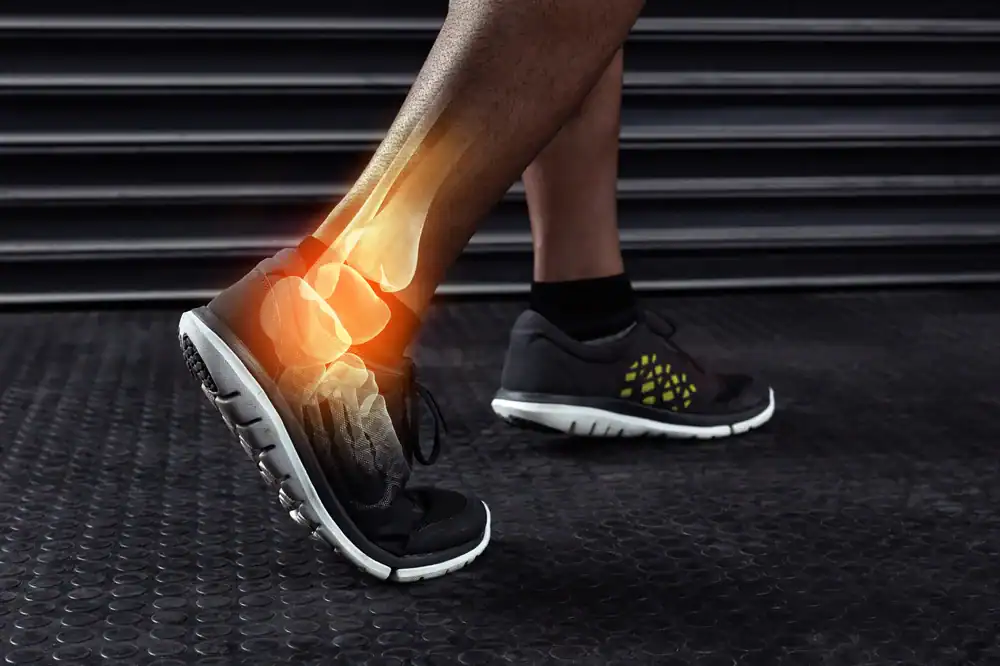
Here’s what changes when you treat a sports injury the right way. You stop compensating with other muscles that weren’t meant to carry the load. Your range of motion comes back without that nagging tightness that makes you second-guess every move.
The pain goes away, but more importantly, your confidence returns. You’re not worried about re-injury every time you push yourself. You’re not taking ibuprofen before every game or practice just to get through it.
Most athletes in Journal Square who come to us are dealing with something that happened weeks or months ago that never fully healed. Maybe you tried rest, ice, and hoping it would go away. It didn’t. That’s because sports injuries need more than time—they need the right intervention at the right stage of healing, or you end up with chronic issues that follow you for years.
Dr. Paul Roses has been practicing chiropractic care in this area since 1981. That’s over 30 years of treating everything from high school basketball players with ankle sprains to weekend warriors who tweaked their back during a pickup soccer game at Lincoln Park.
After 9/11, Dr. Roses provided on-site care for first responders working at Ground Zero. That’s the kind of commitment to this community we’re talking about. Journal Square isn’t just a location on our website—it’s where we’ve built our reputation one patient at a time.
You’re not walking into a franchise or a clinic that just opened last year. You’re working with someone who’s seen thousands of sports injuries and knows the difference between what sounds good in a brochure and what actually gets you better.

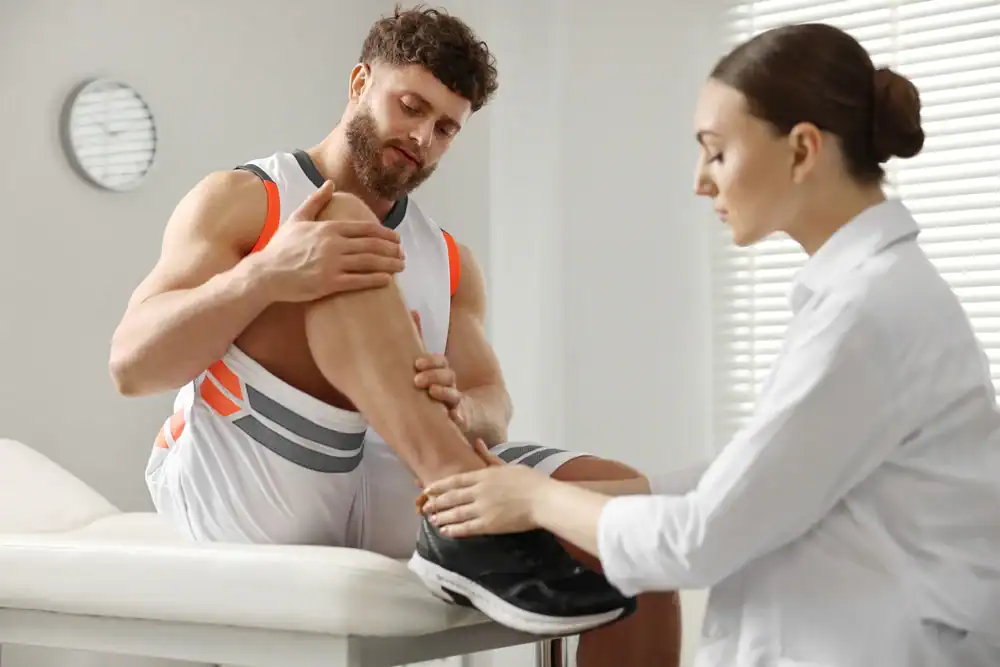
First visit, we figure out what’s actually wrong. That means a real evaluation—not just asking where it hurts. We use diagnostic imaging when needed, check your range of motion, and test how your body is compensating for the injury. Most sports injuries affect more than just the spot that hurts.
Then we build your treatment plan. This isn’t a one-size-fits-all approach. A torn rotator cuff in a swimmer needs different care than a hamstring pull in a runner. We use spinal adjustments, soft tissue work, and specific exercises designed for your injury and your sport.
You’ll come in for regular sessions—usually 2-3 times a week at first, then we taper as you improve. Each visit builds on the last one. We’re restoring function, reducing inflammation, and retraining your body to move correctly so you don’t just feel better temporarily.
Between visits, you’ve got homework. Stretches, strengthening exercises, and modifications to your training. Recovery isn’t just what happens in our office—it’s what you do the other 23 hours of the day. We’ll tell you exactly what that looks like.

Ready to get started?
You get a full baseline assessment using diagnostic technology that shows us what’s happening beneath the surface. We’re looking at nerve function, inflammation patterns, and structural issues that might not show up on a standard exam. X-rays are available if we need them.
Your treatment includes hands-on chiropractic adjustments to restore joint function in your spine, but also in knees, ankles, shoulders, wrists—wherever the injury is. We’re not just spine specialists. Every joint in your body can benefit from proper alignment and movement.
You’ll receive specific rehabilitation exercises designed for your injury. These aren’t generic stretches you could find on YouTube. They’re progressive protocols that change as you heal, targeting exactly what needs strengthening or lengthening at each stage.
Journal Square athletes deal with specific challenges. If you’re training at the waterfront parks or using the PATH station stairs as part of your routine, we factor that into your recovery plan. If you’re a high school athlete at Ferris or Dickinson, we know your season schedule and we’ll work to get you back before playoffs if that’s realistic.
You also get lifestyle coaching. That means honest conversations about training modifications, nutrition for healing, and when it’s actually safe to return to full activity. We’re not going to clear you to play if you’re not ready, even if your coach is pressuring you.

It depends entirely on what you injured and how long you waited to get treatment. A fresh ankle sprain caught in the first week might need 3-4 weeks of care. A chronic shoulder issue you’ve been dealing with for six months could take 8-12 weeks to fully resolve.
Here’s what actually affects your timeline: the severity of the injury, whether you’ve got previous damage to that area, and honestly, whether you follow through with the exercises and modifications we give you. Athletes who do their homework heal faster. Athletes who keep training at full intensity while trying to recover don’t.
Most people start feeling noticeably better within the first two weeks. That doesn’t mean you’re healed—it means the acute pain is reducing. Full recovery means you can perform at 100% without pain, without compensation, and without fear of re-injury. That’s the standard we’re aiming for, not just “good enough to play through it.”
In many cases, yes. We’ve helped plenty of athletes avoid surgery for issues like rotator cuff tears, meniscus damage, and chronic tendinitis. But let’s be clear—chiropractic isn’t magic, and some injuries genuinely require surgical intervention.
What we can do is restore proper joint mechanics, reduce inflammation, and strengthen the supporting structures around an injury. When your body is moving correctly and the damaged tissue has the right environment to heal, surgery often becomes unnecessary. Professional sports teams wouldn’t keep chiropractors on staff if this didn’t work.
The key is catching it early enough. If you’ve got a complete ligament rupture or a fracture, you’re probably headed to an orthopedic surgeon no matter what. But if you’re dealing with strains, sprains, tendinitis, or partial tears, conservative care should be your first move. Surgery is always available later if you need it, but you can’t undo surgery if you rush into it.
We see a lot of overuse injuries—runner’s knee, shin splints, tennis elbow, rotator cuff issues. These come from repetitive stress without adequate recovery time. High school athletes training for multiple sports simultaneously are especially prone to these.
Acute injuries are common too. Ankle sprains from basketball, hamstring pulls from sprinting, lower back strains from improper lifting technique in the gym. We also treat a surprising number of weekend warriors who went too hard too fast after being sedentary all week.
The other category is old injuries that never fully healed. You sprained your ankle two years ago, it “got better,” but now it rolls easily and you’ve lost confidence in it. Or you tweaked your back last season and it’s been tight ever since. These chronic issues often respond really well to chiropractic care because we’re addressing the underlying dysfunction, not just managing symptoms.
Absolutely, and we encourage it. Your coach knows your sport and your training program. We know your injury and what your body can handle at each stage of healing. When we communicate, you get better faster and safer.
We’ll provide clear guidance on what activities are safe, what modifications you need, and when you can progress to more intense training. If your coach wants to push you back into competition before you’re ready, we’ll have that conversation directly. If you’re being too cautious and could actually handle more, we’ll tell you that too.
For high school athletes in Journal Square, we’re familiar with the local programs and we’ve worked with many of the coaches and athletic trainers in Hudson County. For adult athletes, we can coordinate with your personal trainer or physical therapist if you’re working with one. The goal is getting everyone on the same page so your recovery isn’t undermined by conflicting advice.
Most insurance plans cover chiropractic care, but coverage varies significantly depending on your specific plan. Some cover a set number of visits per year, others require a referral, and some cover it fully after your deductible.
We recommend calling your insurance company before your first visit and asking specifically about chiropractic coverage for injury treatment. Ask how many visits are covered, whether you need pre-authorization, and what your copay will be. Have your policy number ready.
We’ll verify your benefits and let you know what to expect cost-wise before we start treatment. If you don’t have insurance or your coverage is limited, we can discuss payment options. The reality is that chiropractic care is often significantly less expensive than surgery, ongoing pain medication, or months of physical therapy, so even out-of-pocket costs tend to be reasonable compared to other treatment routes.
Bring any imaging you’ve already had done—X-rays, MRIs, CT scans. Even if they’re from a different provider, we want to see them. Also bring a list of any medications or supplements you’re currently taking, including over-the-counter pain relievers.
Wear comfortable clothing that allows you to move freely. We’ll need to assess your range of motion and perform adjustments, so athletic wear or loose-fitting clothes work best. If your injury is in your lower body, shorts are helpful so we can see how you’re moving.
Write down a quick timeline of your injury before you come in. When did it happen? What were you doing? What makes it better or worse? Have you tried any treatment already? This information helps us understand the full picture faster. And if you’ve got questions or concerns about your recovery timeline, your sport, or anything else, bring those too. The first visit is as much about getting you answers as it is about starting treatment.