
Hear from Our Customers
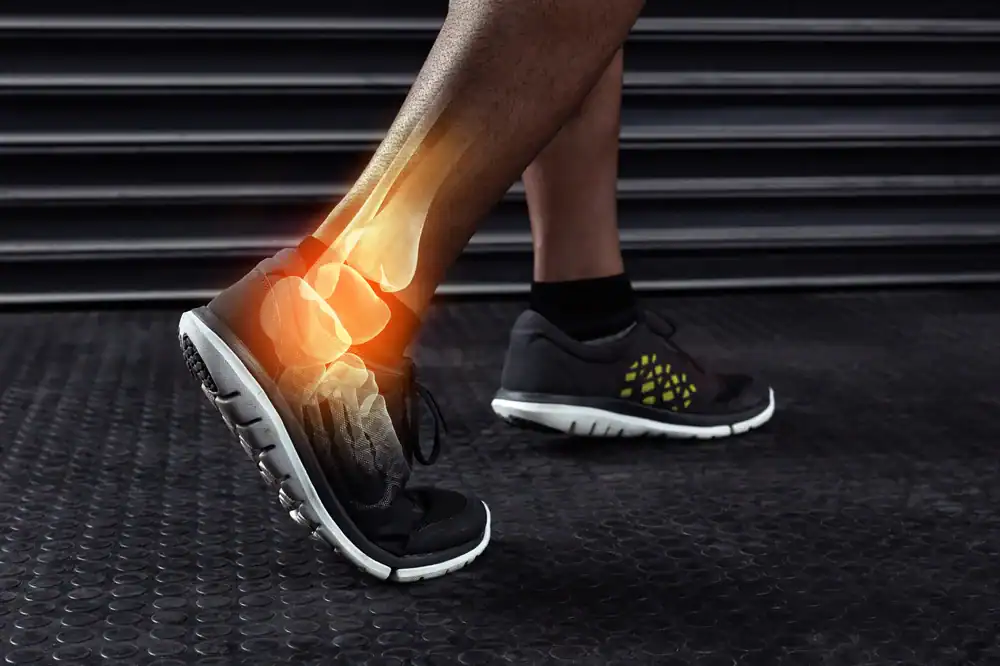
You don’t have time to sit out for weeks while an injury “heals on its own.” Whether it’s a rotator cuff strain from overhead throwing, a hamstring pull from sprinting, or chronic lower back pain from repetitive motion, the clock is ticking. Every day off the field, court, or track means lost conditioning, missed opportunities, and the mental frustration of watching from the sidelines.
Athletic recovery therapy in Jackson Hill, NJ focuses on what actually matters: restoring full range of motion, eliminating compensation patterns that lead to re-injury, and getting your nervous system firing correctly so your body moves the way it’s supposed to. Manual adjustments relieve pressure on pinched nerves. Targeted soft tissue work breaks up scar tissue and adhesions. Rehab protocols rebuild strength in the exact movement patterns your sport demands.
The result? You’re not just pain-free. You’re stronger, more balanced, and less likely to end up back in the same position three months from now. That’s the difference between masking symptoms and actually fixing the problem.
We’ve been treating athletes in Jackson Hill, NJ and the surrounding communities for years. We’ve worked with weekend warriors, high school competitors, and adults who refuse to let an injury slow them down. Our approach isn’t flashy—it’s methodical, evidence-based, and built around what actually works.
Jackson Hill athletes deal with unique demands. Between the humid summers that increase dehydration and muscle cramping, the hard playing surfaces at local fields, and the year-round training schedules that leave little room for recovery, injuries here aren’t just common—they’re inevitable if you’re not proactive. We see it every week: runners with IT band syndrome from uneven trails, baseball players with elbow tendonitis, soccer athletes with ankle instability from old sprains that never fully healed.
We don’t just treat the injury. We look at why it happened, what’s breaking down in your movement, and how to prevent it from coming back when you return to full activity.
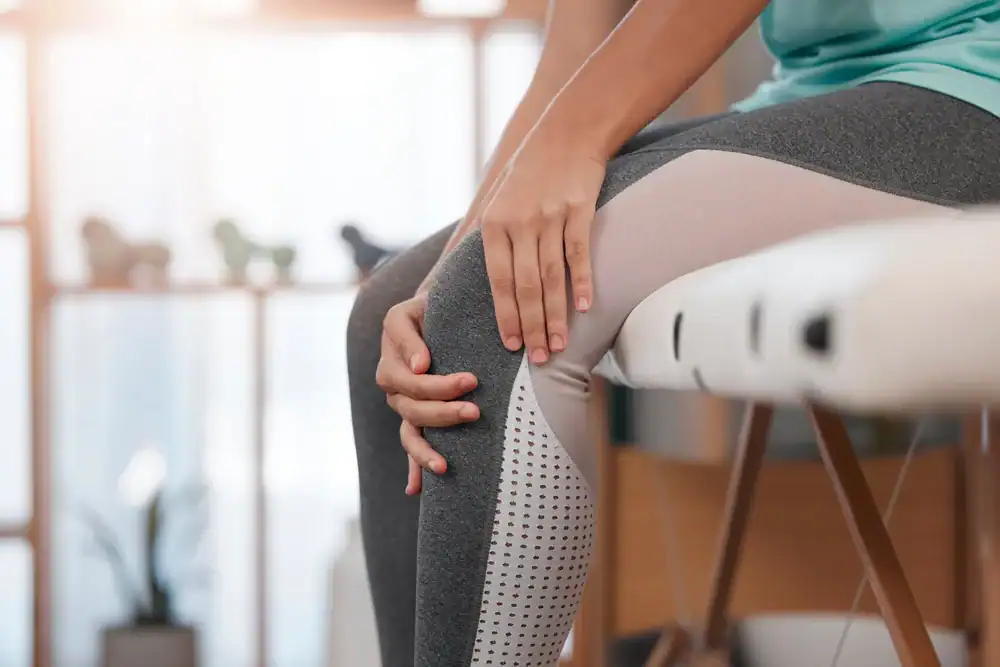
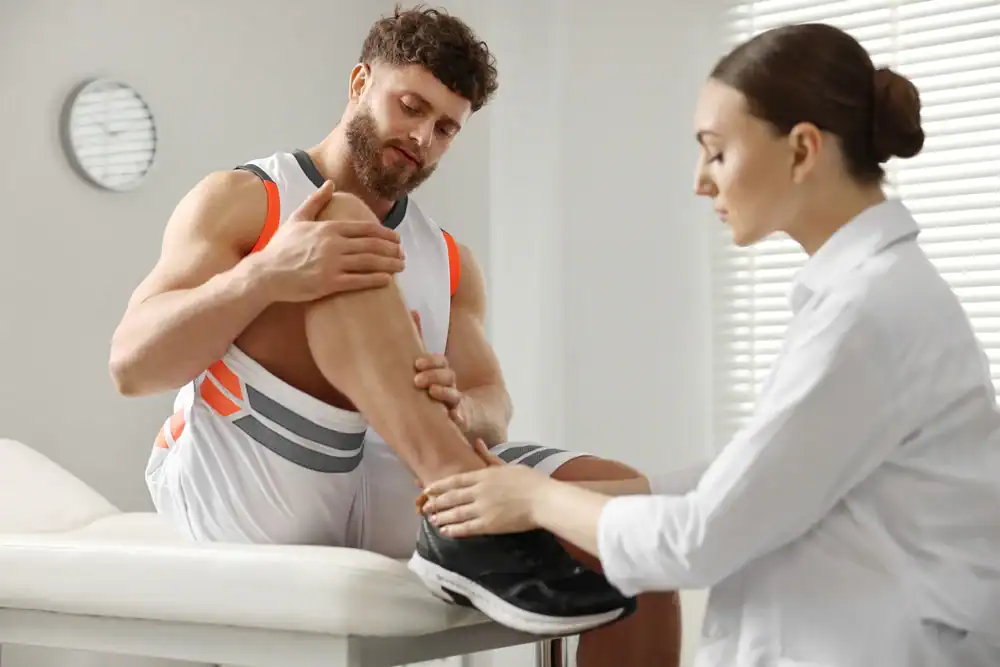
First, we assess the injury—not just where it hurts, but how you’re moving, where you’re compensating, and what’s actually causing the dysfunction. A shoulder injury might stem from poor thoracic mobility. Knee pain often starts at the hip. We test range of motion, check joint alignment, and identify muscle imbalances that are setting you up for problems.
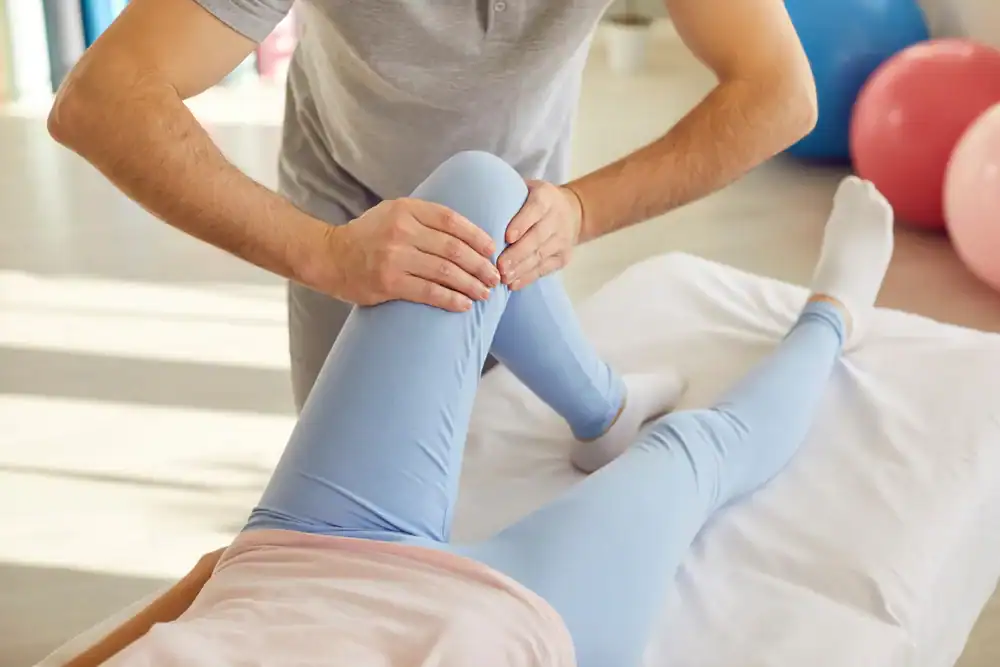
Then we treat it. Spinal adjustments restore proper nerve function and joint mechanics. Soft tissue therapy addresses tight muscles, trigger points, and fascial restrictions that limit movement. If inflammation is present, we use modalities that reduce swelling without relying on NSAIDs that can slow healing. Everything is hands-on, targeted, and designed to address the root cause—not just numb the pain.
Finally, we rebuild. You’ll get sport-specific rehab exercises that strengthen weak areas, improve stability, and retrain movement patterns. We teach you what to do at home so recovery continues between visits. And we give you a realistic timeline—no false promises, just honest expectations based on the severity of the injury and how your body responds.
Most athletes notice improvement within the first few sessions. Full recovery depends on the injury, but the goal is always the same: get you back to 100%, not 80% with fingers crossed.
Ready to get started?
Every session includes a full evaluation of how the injury is progressing. We’re checking joint mobility, muscle activation, pain levels, and functional movement. If something isn’t improving as expected, we adjust the treatment plan immediately. You’re not locked into a one-size-fits-all protocol.
Treatment combines diversified spinal adjustments, extremity adjustments for shoulders, elbows, wrists, hips, knees, and ankles, and targeted soft tissue work including myofascial release and trigger point therapy. Depending on the injury, we may incorporate therapeutic exercises, corrective stretching, or proprioceptive training to improve balance and coordination. Everything is tailored to your sport and your specific injury.
In Jackson Hill, NJ, we see a lot of overuse injuries—pitchers with shoulder impingement, runners with plantar fasciitis, CrossFit athletes with lower back strain. These aren’t injuries that happen in one moment. They build over time from repetitive stress, poor mechanics, or inadequate recovery. That’s why our approach goes beyond the immediate pain. We’re looking at training load, movement quality, and recovery habits to make sure you’re not just treating symptoms on repeat.
You’ll also get clear guidance on when you can return to activity, what modifications to make during the healing process, and how to recognize warning signs that you’re pushing too hard too soon. No guessing. No “just see how it feels.” Actual benchmarks.

It depends entirely on the type and severity of the injury. A mild muscle strain might only sideline you for a week or two with proper treatment. A ligament sprain, stress fracture, or chronic tendonitis could take several weeks to a few months before you’re cleared for full activity.
Here’s what actually determines your timeline: how early you address the injury, how well you follow the rehab protocol, and whether you’re willing to modify training during recovery. Athletes who try to push through pain or return too soon almost always end up with longer recovery times because they’re re-injuring tissue that hasn’t fully healed. The ones who commit to the process, do their exercises, and trust the progression get back faster and stay healthy longer.
We give you specific benchmarks—pain-free range of motion, strength tests, functional movement assessments—that tell us when you’re ready. Returning to sport isn’t about a calendar date. It’s about your body being prepared to handle the demands without breaking down again.
Chiropractic care is used by professional athletes across every major sport—not as a backup plan, but as a primary treatment method for musculoskeletal injuries. The reason is simple: when your joints aren’t moving correctly, your nervous system can’t communicate effectively with your muscles. That leads to compensation, weakness, and eventually injury.
Adjustments restore proper joint mechanics in the spine and extremities. That means we’re treating shoulder injuries, elbow tendonitis, hip impingement, knee pain, ankle instability—not just back pain. When a joint is misaligned or restricted, the surrounding muscles have to work harder to stabilize it. Over time, that creates imbalances, tightness, and breakdowns in other areas.
Combine that with soft tissue therapy to address muscle tension and scar tissue, plus targeted rehab to rebuild strength and coordination, and you have a complete system for treating sports injuries without surgery or long-term medication use. It’s not alternative medicine. It’s biomechanics, neurology, and orthopedic rehab applied to athletic performance and recovery.
Urgent care is great for ruling out fractures, getting imaging if needed, or managing acute trauma that requires immediate medical intervention. But for most sports injuries—strains, sprains, overuse injuries, joint pain—you’re going to get an X-ray, maybe some pain medication, and advice to rest and ice it. That’s not a treatment plan. That’s symptom management.
We evaluate the biomechanics of the injury. Why did it happen? What movement pattern broke down? What’s not firing correctly? We’re not just looking at the site of pain—we’re assessing the entire kinetic chain to find the root cause. Then we treat it with manual therapy, adjustments, and rehab that actually restores function.
Urgent care might cost less upfront, but if the injury doesn’t heal properly or keeps coming back, you’ll end up spending more time and money managing a problem that was never fully addressed. We treat athletes who want to fix the issue, not just survive it until the pain fades enough to play again.
No. Chiropractors are portal-of-entry providers, which means you can schedule an appointment directly without a referral from another doctor. If you’re dealing with a sports injury in Jackson Hill, NJ, you can call, book a visit, and start treatment without waiting for approval from your primary care physician.
That said, many insurance plans do cover chiropractic care, and some require a referral depending on your specific policy. It’s worth checking your benefits before your first visit, but the lack of a referral won’t prevent you from being seen. We also work with patients who are paying out-of-pocket and can discuss cost upfront so there are no surprises.
If your injury requires imaging, co-management with an orthopedic specialist, or a different type of intervention, we’ll refer you to the appropriate provider. But for the majority of sports injuries—muscle strains, joint dysfunction, tendonitis, ligament sprains—chiropractic care is a frontline treatment option that gets results without prescriptions or invasive procedures.
Not always. Most sports injuries can be diagnosed through a thorough physical exam, movement assessment, and orthopedic testing. We’re checking joint stability, range of motion, muscle strength, and pain patterns to determine what’s injured and how severe it is. In many cases, that’s enough to create an effective treatment plan and start addressing the problem immediately.
If there’s concern about a fracture, significant ligament damage, or structural issues that need a closer look, we’ll refer you for X-rays, MRI, or other imaging. But we’re not ordering tests just to order them. Imaging is useful when it changes the treatment approach or helps rule out something more serious. For a hamstring strain or rotator cuff tendonitis, you don’t need an MRI to know what’s wrong or how to treat it.
The advantage of starting with a functional assessment is that we’re looking at how your body moves, not just what shows up on a scan. Plenty of people have abnormalities on imaging—bulging discs, bone spurs, cartilage wear—that don’t cause pain or limit function. What matters is whether the injury is affecting your performance and what we can do to fix it.
Stop playing. That sounds obvious, but athletes constantly try to push through injuries, and it almost always makes things worse. If something doesn’t feel right—sharp pain, instability, significant swelling—get off the field and assess it before continuing.
For the first 24 to 48 hours, focus on managing inflammation. Ice the area for 15-20 minutes at a time, several times a day. Avoid heat during this phase—it increases blood flow, which sounds good in theory but can worsen swelling in an acute injury. Elevate the injured area if possible, and avoid movements that reproduce the pain. Rest doesn’t mean complete inactivity, but it does mean not stressing the injured tissue while it’s in the early healing phase.
Don’t rely on anti-inflammatory medication as your primary treatment. It can reduce pain temporarily, but it also slows the body’s natural healing response. If you need it to sleep or get through the day, fine—but it’s not a substitute for actual care. Schedule an appointment as soon as possible so we can assess the injury, determine the extent of the damage, and start treatment before compensation patterns set in or scar tissue starts forming in ways that limit your mobility long-term.