
Hear from Our Customers
You didn’t get injured to sit on the sidelines for months. You want to know when you can train again, when the pain stops, and whether you’ll be as strong as before.
That’s where most treatment falls short. Physical therapy drags on. Pain management just masks the problem. Surgery gets thrown around too quickly, and nobody seems to understand that your timeline matters.
We approach sports injuries differently. The focus is on what’s actually causing the pain—not just where it hurts. That means looking at how you move, where your body compensates, and what’s keeping you from performing at full capacity. You’re not getting a generic adjustment. You’re getting a plan built around getting you back to your sport as quickly and safely as possible.
Athletes in Hoboken Yards deal with everything from runner’s knee to rotator cuff strains to lower back pain from lifting. Our treatment addresses the injury and the imbalances that led to it. That’s how you recover faster and stay healthy longer.
Dr. Paul Roses has been serving Hudson County for years with one clear goal: help people move better and feel better without relying on drugs or surgery. That philosophy resonates in Hoboken Yards, where the community is younger, active, and not interested in sitting around waiting to heal.
This isn’t a practice that treats everyone the same. We take time to understand what you do, how you got hurt, and what getting better actually looks like for you. Whether you’re training for a marathon, playing in a local league, or just trying to stay active without constant pain, the care is specific to your situation.
Our patients have avoided surgery, walked normally after just a few visits, and returned to competition stronger than before. That’s not luck—it’s what happens when someone actually listens and knows how to treat the root cause.
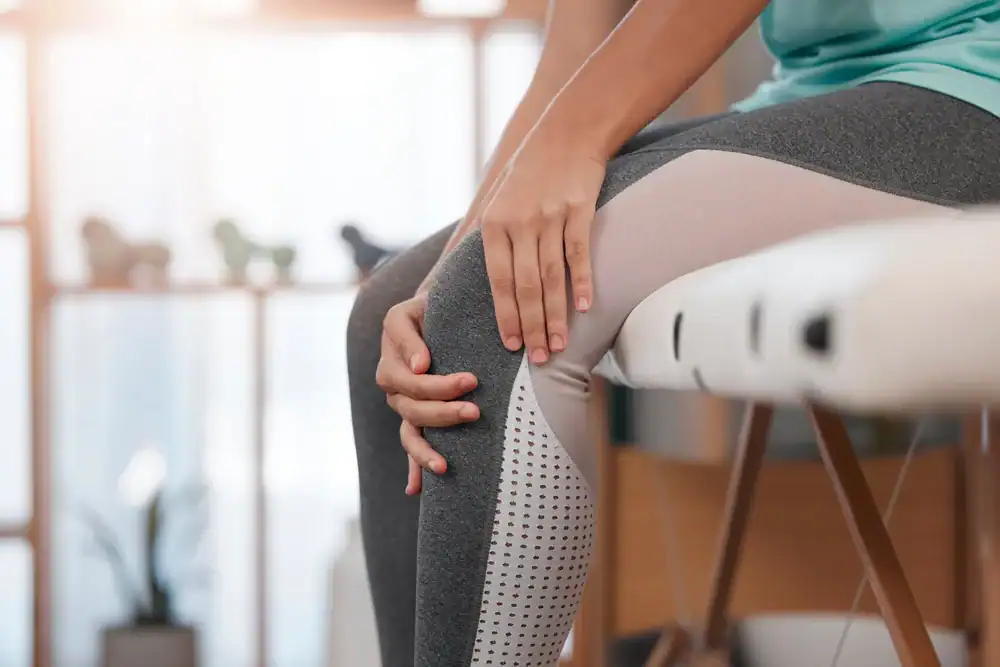
First, you’ll sit down and talk through what happened. Not a rushed five-minute intake—a real conversation about your injury, your sport, and what’s been tried so far. We’ll ask about your training, your pain patterns, and your goals.
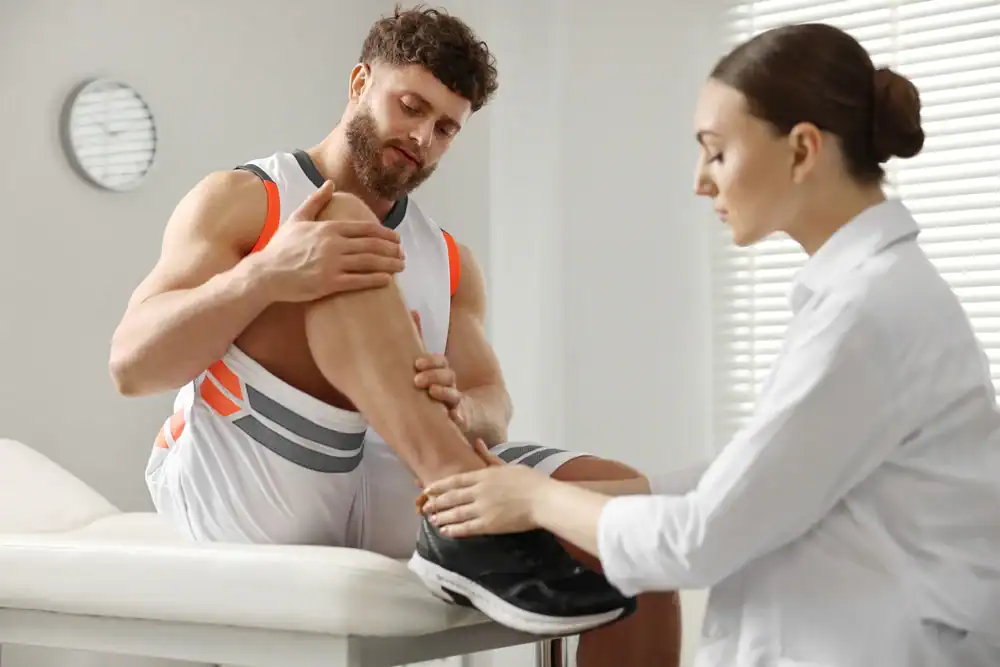
Then comes the exam. This includes checking your range of motion, testing muscle strength, evaluating your posture, and identifying where your body is compensating. It’s thorough because guessing doesn’t work. You need to know exactly what’s wrong before you can fix it.
From there, you’ll get a treatment plan. That might include spinal adjustments, soft tissue work, and specific exercises to rebuild strength and stability. You’ll also get a realistic timeline—no false promises, just honest expectations based on what we see.
Most athletes notice improvement within the first few visits. Pain decreases. Movement gets easier. And instead of being told to rest indefinitely, you’ll know exactly when and how to start ramping back up. That’s the difference between treatment that works and treatment that just buys time.
Ready to get started?
Treating sports injuries in Hoboken Yards means understanding the local landscape. Over half the students here participate in athletics, and the adult population is just as active—running along the waterfront, training at local gyms, playing in recreational leagues. Injuries happen, and when they do, you need someone who gets it.
We provide more than adjustments. You’re getting a full assessment that includes biomechanical analysis, postural evaluation, and functional movement screening. That’s how you find the real problem—not just the spot that hurts.
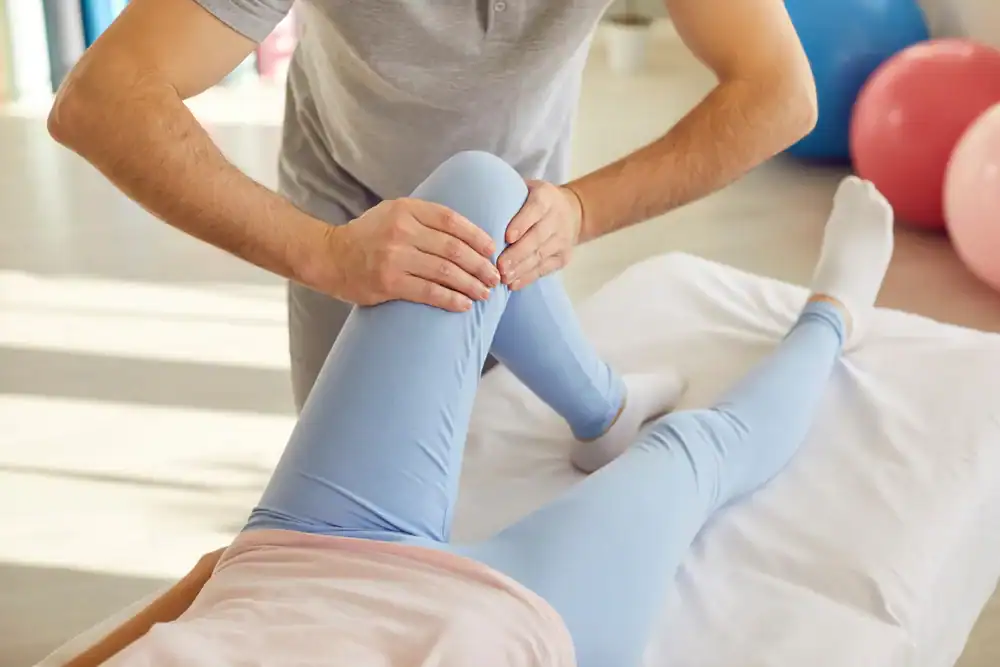
Treatment is hands-on and tailored. Spinal corrections restore alignment. Soft tissue therapy reduces inflammation and breaks up scar tissue. Rehabilitation exercises rebuild the strength and stability you need to perform without re-injury. And because this is drug-free and non-invasive, you’re not dealing with side effects or downtime from procedures.
You’ll also get guidance on injury prevention. That means identifying weak points, improving flexibility, and learning how to train smarter. The goal isn’t just to get you back—it’s to keep you there.

It depends on the injury, how long you’ve had it, and how well you follow the treatment plan. That said, most athletes notice real improvement within the first few visits—less pain, better range of motion, easier movement.
For something like a mild muscle strain or joint irritation, you might be back to training in a couple of weeks. More serious issues like ligament damage or chronic overuse injuries take longer, but even then, you’re looking at weeks instead of months if the treatment is done right.
We’ll give you a realistic timeline after the initial exam. No one benefits from vague promises. You’ll know what to expect, what benchmarks to hit, and when it’s safe to push harder. Recovery isn’t just about feeling better—it’s about being ready to perform without setback.
In many cases, yes. Surgery often gets recommended when conservative treatment fails, but “conservative treatment” usually means rest, ice, and generic physical therapy. That’s not the same as targeted chiropractic care that addresses the actual cause.
We’ve worked with athletes who were told they needed surgery—herniated discs, severe joint issues, chronic pain that wasn’t responding to other treatments. Many of those patients avoided surgery entirely by addressing the biomechanical problems driving their symptoms.
That doesn’t mean chiropractic fixes everything. Some injuries do require surgical intervention. But if there’s a way to recover without going under the knife, it’s worth exploring. And if surgery does end up being necessary, getting your body aligned and functioning properly beforehand can improve your outcome and speed up recovery afterward.
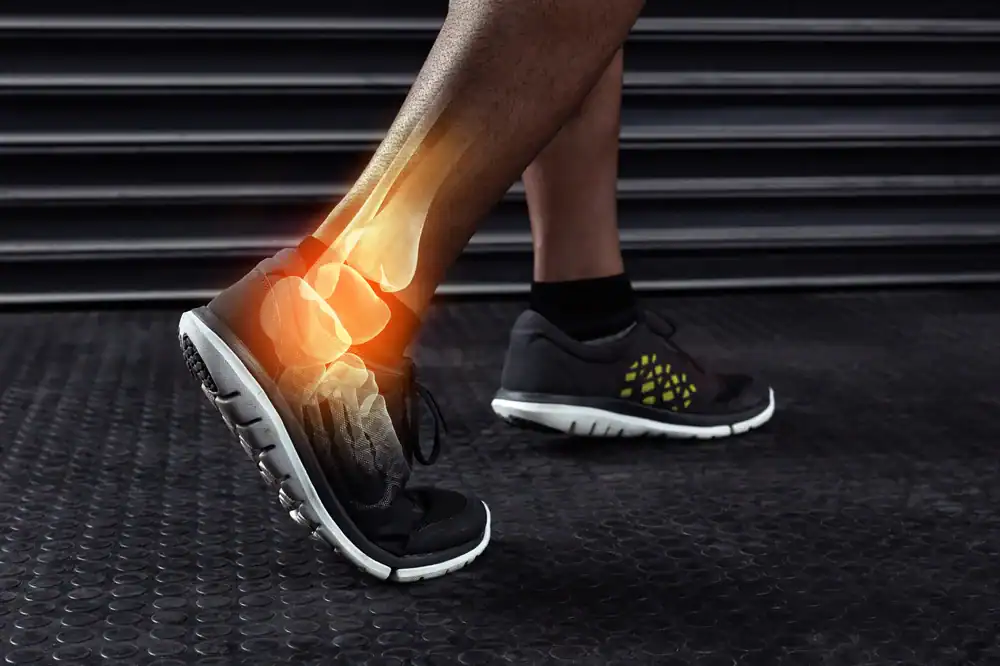
We treat the full range of sports injuries—everything from acute trauma like sprains and strains to chronic overuse issues like tendonitis and stress fractures. Common cases include runner’s knee, shin splints, rotator cuff injuries, lower back pain from lifting, ankle instability, and hip flexor strains.
Our treatment approach works for any injury where alignment, movement patterns, and muscle imbalances play a role. That covers most sports injuries. Whether you’re dealing with something that happened suddenly or pain that’s been building for months, chiropractic care can address it.
Hoboken Yards has a high concentration of active people—runners, CrossFit athletes, recreational sports players, weekend warriors. We understand the demands of those activities and tailor treatment accordingly. You’re not getting a one-size-fits-all protocol. You’re getting care that matches your sport and your goals.
Yes. Chiropractic care is one of the safest, most effective treatments for sports injuries, which is why 100% of NFL teams and every MLB team has a chiropractor on staff. Professional athletes don’t take risks with their bodies—they use what works.
The techniques we use are precise, controlled, and backed by research. There’s no guessing. Every adjustment is based on a thorough exam and a clear understanding of what your body needs. And because the treatment is non-invasive and drug-free, you’re not dealing with the risks that come with surgery or long-term medication use.
That said, safety also means knowing when chiropractic isn’t the right fit. We won’t treat something that needs a different approach. If imaging is required, or if a referral makes more sense, that’s what happens. The priority is always your health and your recovery—not forcing a treatment that doesn’t apply.
The sooner, the better. Immediate intervention reduces the need for surgery by 25% compared to delayed treatment. That’s not just about pain relief—it’s about stopping compensatory patterns before they become ingrained.
When you get hurt, your body adjusts. You limp to take pressure off a knee. You favor one side to avoid using a sore shoulder. Those adjustments create new problems. Muscles tighten. Joints shift. What started as a single injury turns into a whole-body issue.
Getting in early means addressing the injury before those patterns set in. You’ll recover faster, with less risk of re-injury or chronic pain. Even if you’re not sure how serious the injury is, it’s worth getting checked. Waiting to see if it gets better on its own often just means waiting for it to get worse.
Your first visit starts with a conversation. We’ll ask about your injury—when it happened, what you felt, what makes it better or worse. You’ll also talk about your sport, your training routine, and any previous injuries that might be relevant.
Then comes the physical exam. That includes range of motion testing, muscle strength assessment, postural analysis, and orthopedic tests specific to your injury. We’ll also check your spine and joints to see where alignment issues might be contributing to the problem.
After the exam, you’ll get a clear explanation of what’s going on and what the treatment plan looks like. No jargon. No runaround. Just a straightforward breakdown of the injury, the approach, and the expected timeline. If treatment starts that day, it will. If more information is needed first, that happens. Either way, you’ll leave knowing exactly where you stand and what comes next.