
Hear from Our Customers
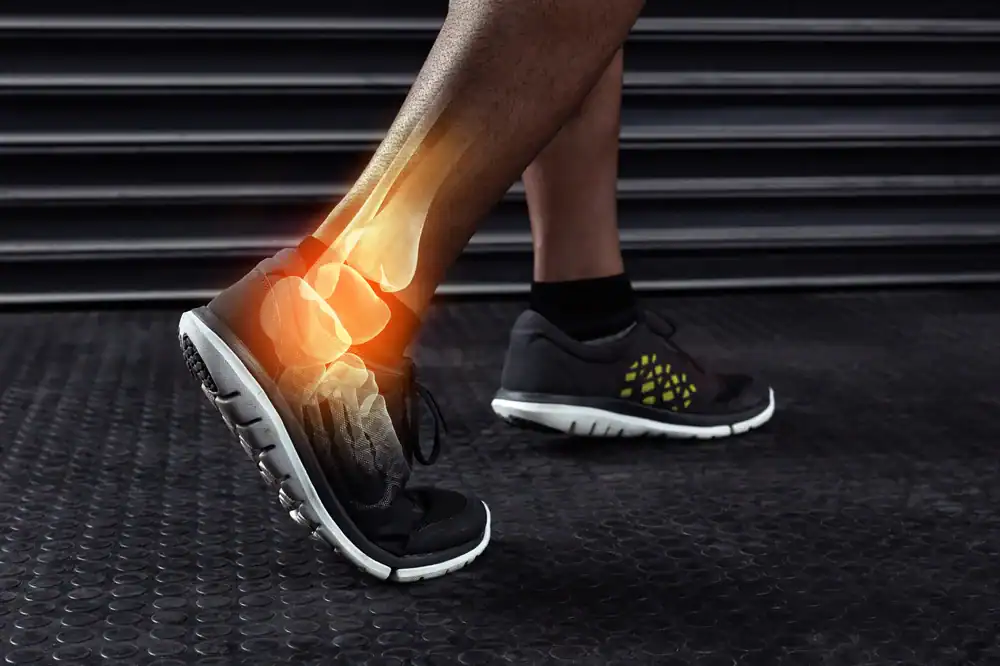
When you’re dealing with sports injuries in Harborside, NJ, the clock is ticking. You want to get back to training, competing, or just moving without pain—and you don’t want to wait weeks for it to happen.
Our chiropractic care for athletic recovery therapy in Hudson, NJ focuses on what’s actually causing the problem, not just covering up symptoms. That means addressing misalignments, inflammation, and restricted movement that keep you stuck in the injury cycle. You’re not just healing—you’re building a stronger foundation so the same injury doesn’t knock you out again next month.
Most athletes who come in are surprised at how quickly they notice a difference. Not because we’re doing anything magical, but because the body responds when you treat the root cause instead of numbing it. You’ll move better, feel stronger, and get back to doing what you love without the constant worry that one wrong move will put you back on the bench.
Dr. Paul Roses has been treating sports injuries in Harborside, NJ and throughout Hudson County for more than three decades. He’s seen every type of injury—from weekend warriors with nagging shoulder pain to serious athletes recovering from ligament damage—and he knows what actually works.
This isn’t a one-size-fits-all approach. Every injury is different, every body responds differently, and every athlete has different goals. That’s why the focus here is on personalized care that fits your timeline, your sport, and your recovery needs.
Harborside and the surrounding Hudson County area have a strong athletic community, from recreational leagues to competitive sports programs. We understand the local landscape and what it takes to get athletes back in action safely and effectively.
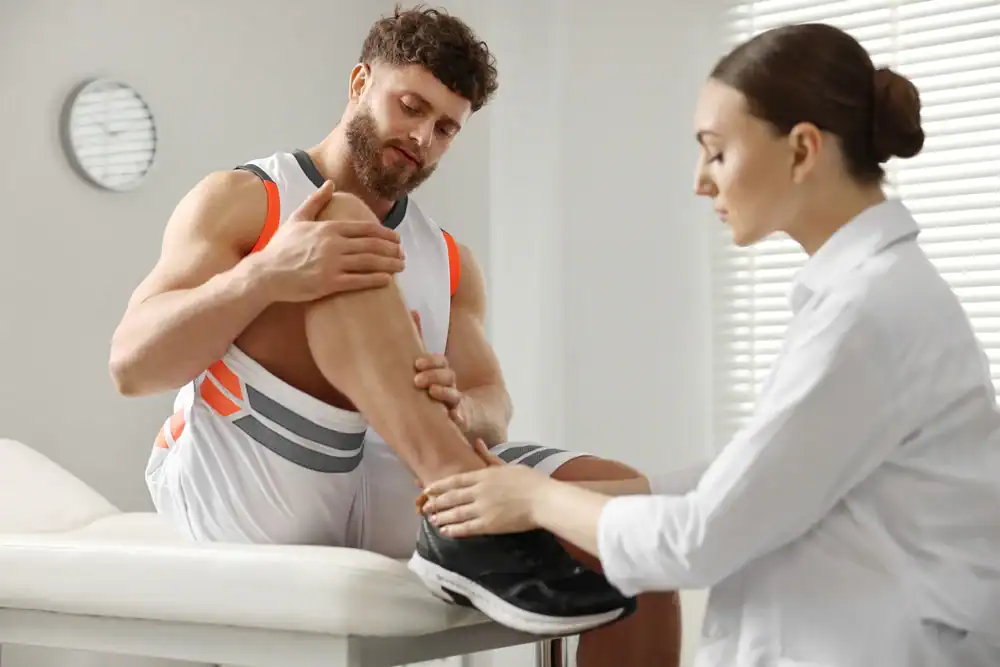
Your first visit starts with a full assessment. Not a quick look and a generic adjustment—an actual evaluation of what’s injured, what’s compensating, and what’s keeping you from healing. That includes movement testing, injury history, and understanding what you need to get back to.
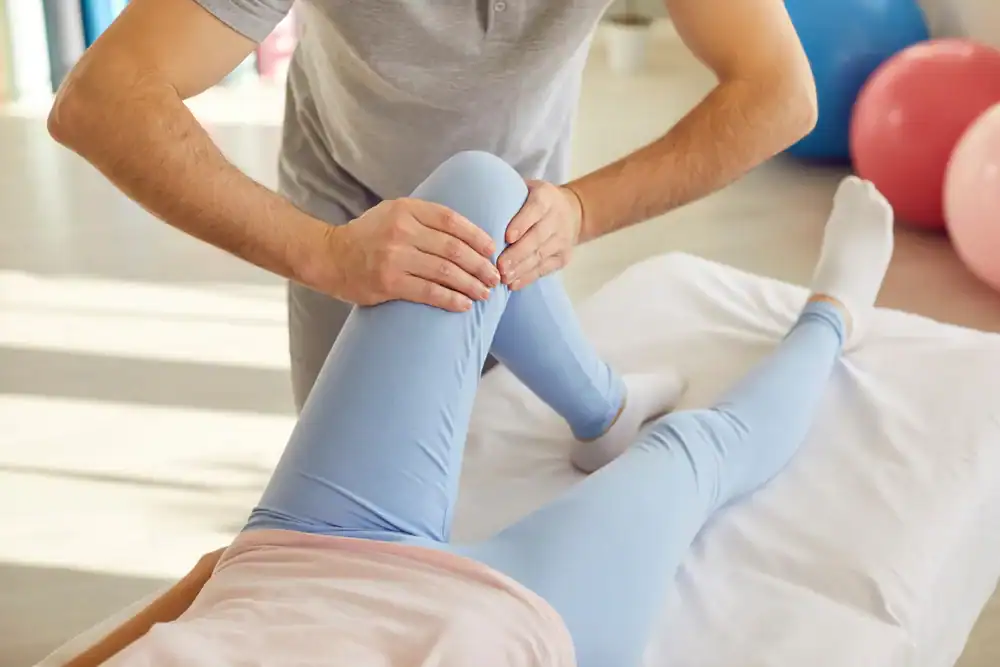
From there, you’ll get a treatment plan that’s built around your specific injury and goals. That might include chiropractic adjustments to restore joint function, soft tissue work to reduce inflammation, and rehab exercises to rebuild strength and stability. Everything is designed to speed up recovery while preventing re-injury.
As you progress, the plan adjusts. You’re not locked into the same routine for weeks on end. When your body is ready to handle more, you do more. When something isn’t responding the way it should, the approach shifts. The goal is simple: get you back to full function as quickly and safely as possible, without shortcuts that lead to setbacks later.
Ready to get started?
Sports injury treatment at our office isn’t just about cracking your back and sending you on your way. It’s a full approach that addresses the injury, the compensation patterns your body created while injured, and the underlying weaknesses that made you vulnerable in the first place.
You’ll receive hands-on chiropractic adjustments that restore proper alignment and joint mobility. When your spine and joints are moving the way they should, your nervous system functions better, inflammation decreases, and your body can actually heal instead of just managing pain.
Soft tissue therapy targets muscles, tendons, and ligaments that are tight, inflamed, or overworked. This isn’t a relaxation massage—it’s targeted work that breaks up scar tissue, improves blood flow, and gets damaged tissue healing faster. Combined with corrective exercises and movement coaching, you’re not just recovering from this injury. You’re building resilience so the next time you push hard, your body can handle it without breaking down again.
In Harborside, NJ and across Hudson County, athletes are dealing with everything from runner’s knee to rotator cuff strains to lower back pain from lifting. Our treatment adapts to what you’re facing, not the other way around.

Recovery time depends on the severity of your injury, how long you’ve been dealing with it, and how well your body responds to treatment. Acute injuries—like a recent ankle sprain or pulled hamstring—often improve within a few weeks when treated early. Chronic issues that have been building for months or years take longer because there’s more compensation and dysfunction to address.
Most athletes notice some improvement within the first few visits. That might be less pain, better range of motion, or just feeling like their body is moving more normally again. Full recovery, where you’re back to 100% performance without restrictions, typically takes anywhere from a few weeks to a couple of months.
The key is consistency. Showing up for your appointments, doing the rehab work, and not rushing back before your body is ready makes a huge difference in how fast you heal and whether the injury comes back later.
Yes. Old injuries that didn’t heal properly often leave behind scar tissue, restricted movement, and compensation patterns that create new problems down the line. You might not feel pain in the original injury site anymore, but your body is still working around it—and that’s usually what causes the nagging issues you’re dealing with now.
Our chiropractic care can address those lingering problems by restoring proper joint function, breaking up scar tissue, and retraining your body to move the way it should. It’s not about going back in time and fixing what happened years ago. It’s about correcting the dysfunction that’s still affecting you today.
A lot of athletes assume they just have to live with old injuries, but that’s not true. With the right approach, you can improve mobility, reduce pain, and get back to performing at a level you thought was gone for good.
Chiropractic care works well for a wide range of sports injuries, especially those involving joints, muscles, tendons, and ligaments. That includes things like sprains and strains, tendonitis, rotator cuff injuries, tennis elbow, runner’s knee, IT band syndrome, lower back pain, hip pain, and neck injuries.
If your injury involves misalignment, restricted movement, or soft tissue damage, chiropractic treatment can help. It’s particularly effective for injuries that aren’t severe enough for surgery but aren’t healing on their own with rest. Those are the cases where athletes get stuck—they’re not bad enough for drastic measures, but they’re not getting better either.
We’re trained to adjust nearly every joint in the body, which makes us valuable for treating injuries that go beyond just the spine. Whether it’s your shoulder, knee, ankle, or wrist, there’s likely a treatment approach that can help you recover faster and more completely than just waiting it out.
Yes, when performed by an experienced chiropractor who understands sports injuries. The key is proper assessment before any treatment begins. We won’t just start adjusting without understanding what’s injured, how severe it is, and whether chiropractic care is the right approach.
For acute injuries, treatment is modified to match what your body can handle. That might mean gentler adjustments, more focus on soft tissue work, or starting with supportive therapies before moving into more intensive treatment. The goal is to promote healing without aggravating the injury or causing additional trauma.
In some cases, chiropractic care isn’t the right first step—like with fractures, complete ligament tears, or severe trauma that requires medical intervention. We’ll recognize those situations and refer you to the appropriate specialist. But for the majority of sports injuries, early chiropractic treatment can significantly reduce recovery time and help you avoid complications that come from improper healing.
It depends on your injury and your history. For some injuries, imaging is necessary to rule out fractures, severe ligament damage, or other structural issues that need a different type of care. For others, a thorough physical exam and movement assessment provide enough information to start treatment safely and effectively.
We use advanced diagnostic tools, including Titron Infrared Imaging, to get a baseline assessment of what’s happening in your body. This technology helps identify areas of inflammation, nerve dysfunction, and muscle imbalance that aren’t always obvious from the outside. It’s not always necessary, but when it is, it provides valuable information that shapes your treatment plan.
If imaging is needed and you don’t already have recent X-rays or MRIs, we’ll guide you through that process before treatment begins. The goal is to make sure nothing gets missed and that the care you receive is appropriate for what’s actually going on with your injury.
Absolutely. Prevention is one of the most underrated benefits of regular chiropractic care for athletes. When your body is aligned properly, your joints are moving the way they should, and your muscles are balanced, you’re far less likely to get injured in the first place.
A lot of sports injuries happen because of underlying weaknesses, compensation patterns, or restricted movement that puts extra stress on certain areas. Maybe your hips are tight, so your lower back takes on more load than it should. Or your shoulder mobility is limited, so your rotator cuff is constantly overworking. Our chiropractic care identifies and corrects those issues before they turn into injuries.
Athletes who get regular adjustments and follow through with corrective exercises tend to stay healthier, perform better, and recover faster when minor issues do pop up. It’s not about being invincible—it’s about keeping your body in the best possible condition so it can handle the demands you’re putting on it without breaking down.