
Hear from Our Customers
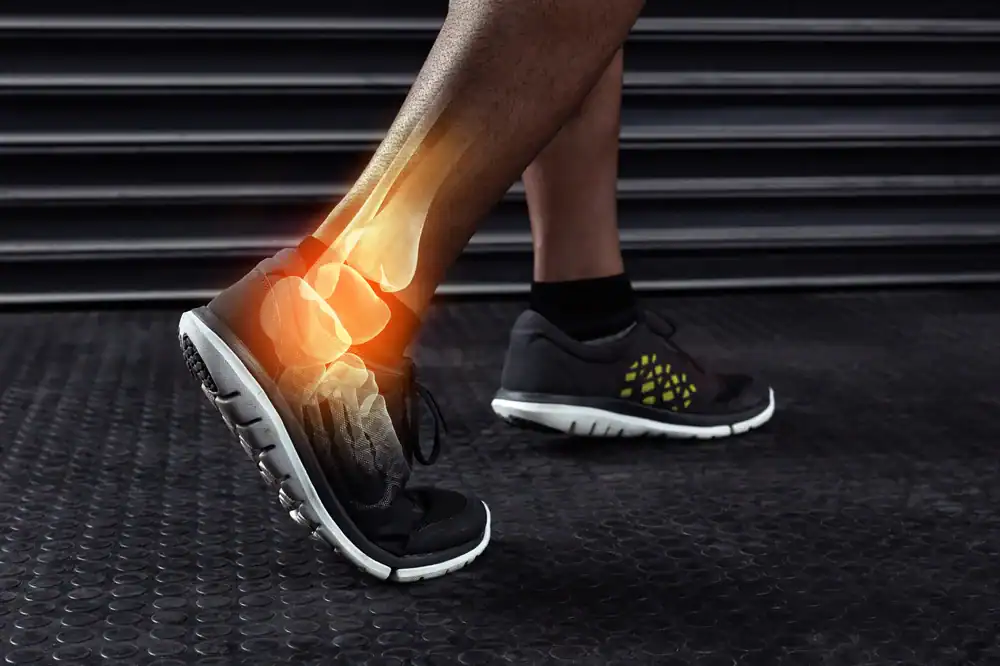
Most athletes don’t want to hear “rest and ice” for six weeks. You want to know when you can train again, when the pain stops, and whether this injury will keep coming back.
Here’s what changes when you treat the actual problem instead of masking symptoms. Your range of motion comes back without forcing it. You stop compensating with other muscles that weren’t meant to do the job. The sharp pain that made you wince every time you moved starts fading within days, not months.
This isn’t about managing pain forever. It’s about fixing what’s broken so you can move the way your body was designed to move. Whether you’re a weekend warrior dealing with a pulled hamstring or a high school athlete recovering from a shoulder injury, the goal is the same: get you back to full strength without drugs, injections, or surgery.
Dr. Paul Roses grew up in Bayonne and has been treating sports injuries in Bergen Square for over three decades. He earned his Doctor of Chiropractic degree from Life Chiropractic College in 1981, and he’s seen just about every injury an athlete can walk in with.
What sets him apart isn’t just experience. It’s availability. He’s taken emergency calls on his days off because an athlete needed help before a big game. He follows up personally to see how you’re progressing, not through an assistant or automated system.
Bergen Square athletes know they’re not getting a corporate clinic experience here. You’re getting someone who understands that your injury isn’t just physical—it’s affecting your confidence, your routine, and your identity as someone who moves well.
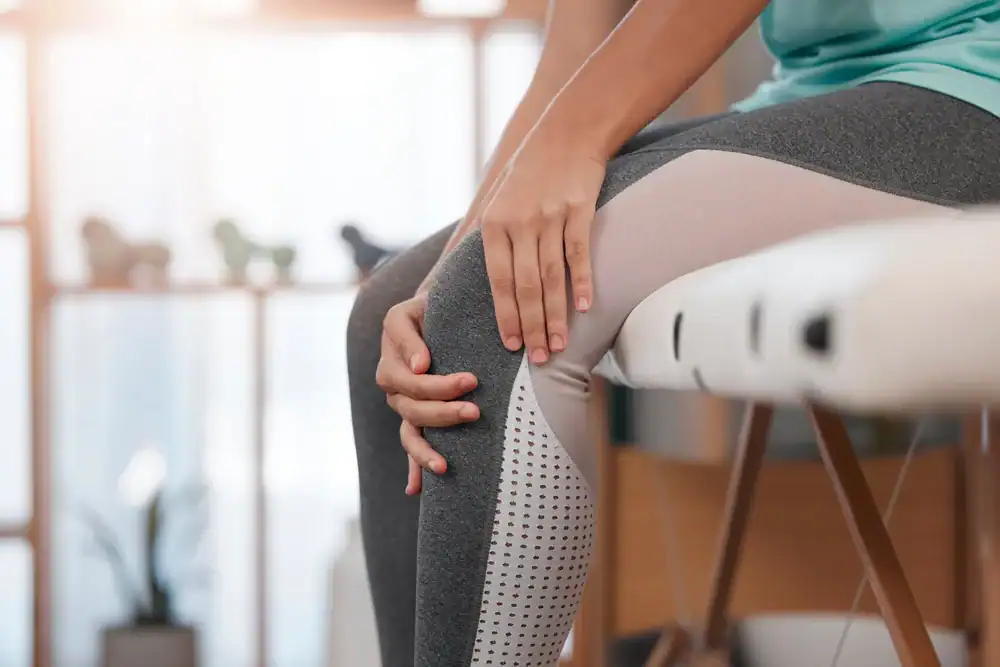
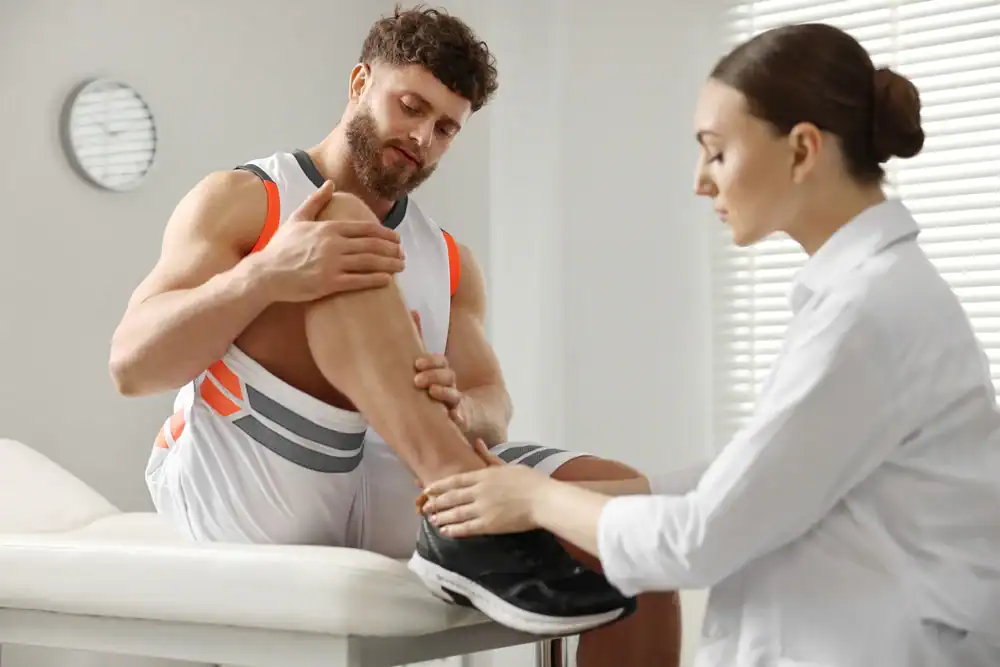
First visit, Dr. Roses evaluates the injury. Not just where it hurts, but how you’re moving, what you can’t do anymore, and what caused it in the first place. He’s looking for compensation patterns—the ways your body has been working around the problem and making things worse.
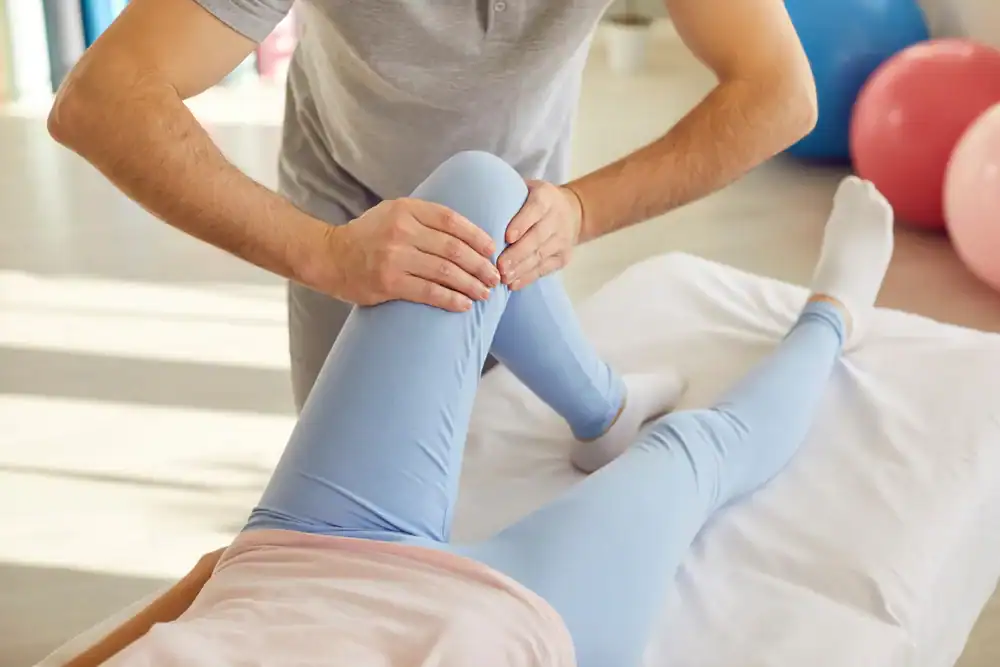
Then comes the treatment plan. It’s not one-size-fits-all. If you’re dealing with a rotator cuff issue, the approach is different than a knee injury or lower back strain. You’ll get spinal adjustments, soft tissue work, and specific guidance on what movements help versus what sets you back.
Between visits, you’re not left guessing. Dr. Roses will tell you what you can do, what you should avoid, and how to know if you’re healing on track. Most athletes start feeling significant relief within the first few sessions, but the goal isn’t just pain relief—it’s making sure the injury doesn’t come back the second you return to your sport.
Ready to get started?
You’re getting advanced spinal correction techniques that are safer and more effective than they were even ten years ago. You’re getting someone who won’t push surgery or prescriptions as the default answer. And you’re getting a treatment plan designed around your specific injury and your specific goals—whether that’s getting back on the field or just being able to walk without limping.
Bergen Square has its share of active people. From pickup basketball games at the local courts to runners training along Kennedy Boulevard, injuries happen. We’ve treated everyone from youth athletes at local schools to adults who refuse to let age slow them down. We understand the difference between treating a 16-year-old soccer player and a 45-year-old dealing with chronic knee pain from years of running.
What you won’t get is a rushed appointment where someone barely looks at you before sending you home with generic advice. Every session is hands-on. Every adjustment is specific. And if something isn’t working, the plan changes. That’s how you actually recover instead of just managing symptoms indefinitely.

It depends entirely on what you’re dealing with and how long you’ve had it. A fresh muscle strain might respond in two to three weeks. A chronic issue you’ve been ignoring for months will take longer because your body has been compensating and creating secondary problems.
Most athletes notice improvement within the first few visits—less pain, better range of motion, easier movement. But feeling better and being fully healed are two different things. Dr. Roses won’t clear you to return to full activity until your body is actually ready, not just when the pain stops.
The biggest factor in recovery speed is whether you follow the plan. If you’re told to avoid certain movements and you ignore that advice, you’re adding weeks to your timeline. If you’re consistent with treatment and rehab, you’ll recover faster than someone who shows up sporadically and expects miracles.
Yes, but not in the way most people think. Chiropractic doesn’t make you immune to injury. What it does is correct imbalances and movement patterns that make injuries more likely in the first place.
When your spine is misaligned or certain muscles are overcompensating, you’re putting stress on areas that weren’t designed to handle it. That’s when hamstrings pull, shoulders strain, and knees start hurting for no obvious reason. Regular adjustments keep your body moving the way it should, which reduces the risk of those breakdowns.
Athletes who see Dr. Roses for maintenance after recovering from an injury tend to stay healthier longer. They’re not dealing with the same recurring issues every season. That’s not luck—it’s the result of keeping your body balanced and functional instead of waiting until something breaks.
The most common injuries walking through the door are lower back strains, shoulder problems, knee pain, and hamstring or calf pulls. These show up in every sport—running, basketball, soccer, weightlifting, even yoga.
We also see a lot of overuse injuries. These are the ones that sneak up on you because you didn’t rest enough between training sessions or you kept pushing through discomfort until it became a real problem. Rotator cuff issues, tennis elbow, IT band syndrome—those fall into this category.
Then there are the acute injuries from a specific incident: a bad landing, a collision, a sudden twist. These need immediate attention to prevent long-term damage. Whether it’s a weekend warrior who went too hard or a high school athlete who got hurt during a game, the approach is the same—assess the damage, treat the root cause, and build a plan that gets you back safely.
No referral needed. You can call and schedule directly. If you’ve already had X-rays or MRIs done elsewhere, bring them. They’re helpful for understanding what’s going on structurally. But if you don’t have imaging, that’s fine too—Dr. Roses will evaluate you and determine if it’s necessary.
Most sports injuries don’t require imaging right away. A thorough physical exam usually tells the story. Dr. Roses will test your range of motion, check for misalignments, and see how your body is compensating. If something doesn’t add up or if there’s concern about a fracture or severe tissue damage, he’ll refer you for imaging before moving forward.
The goal is to avoid unnecessary tests and get straight to treatment when possible. But if imaging is needed, you’ll know why and what it’s checking for. No guessing, no running up bills for tests that won’t change the treatment plan.
Most insurance plans in New Jersey cover chiropractic care, including Medicare. Coverage varies depending on your specific plan, so it’s worth calling your provider to confirm your benefits before your first visit.
We can provide documentation and billing codes you’ll need if you’re submitting claims yourself. Some plans require a copay per visit, others cover a set number of visits per year. Knowing this upfront helps you plan without surprises.
If insurance isn’t an option or if you’re paying out of pocket, the cost is still significantly lower than emergency room visits, imaging, or surgical consultations. Many athletes find that a few focused chiropractic sessions cost less than months of physical therapy copays and definitely less than procedures that may not even fix the problem. It’s worth asking about pricing during your first call so you know exactly what to expect.
If it just happened, stop what you’re doing. Continuing to play or train through an injury turns a minor problem into a major one. Rest the area, ice it for 15-20 minutes at a time to reduce swelling, and avoid movements that make the pain worse.
Don’t stretch aggressively or try to “work it out” on your own. You might be making things worse without realizing it. If there’s significant swelling, severe pain, or you can’t bear weight on a joint, get it checked immediately—either by Dr. Roses if he’s available or at an urgent care if it’s after hours.
Once you’re able to get in for an appointment, be ready to explain exactly what happened, what movements hurt, and what you’ve tried so far. The more detail you can provide, the faster Dr. Roses can pinpoint the issue and start treatment. Time matters with sports injuries—the sooner you address them properly, the faster you’ll recover and the less likely you are to deal with long-term problems.