
Hear from Our Customers
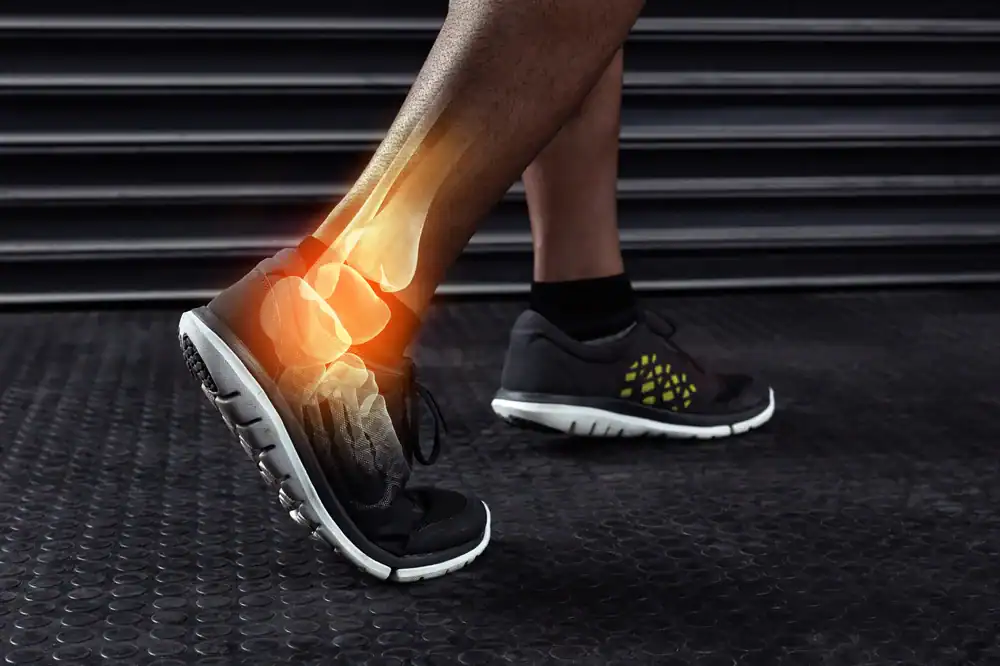
You didn’t get injured sitting still. You got hurt doing what you love—playing, competing, pushing yourself. Now you need treatment that understands that.
Sports injuries don’t just hurt. They sideline you. They mess with your confidence. They make you wonder if you’ll ever feel the same out there again.
Chiropractic care treats the actual problem—not just the pain. We’re looking at joint mobility, muscle imbalances, and how your body moves under stress. When those things get corrected, you heal faster. Studies show athletes recover up to 6% better in performance after treatment, and that’s not from masking symptoms with medication.
You get better range of motion. Better blood flow to injured tissue. Less inflammation holding you back. And you do it without relying on pills that only cover up what’s wrong.
Dr. Paul Roses has been practicing in this area since 1981. That’s more than four decades of treating everyone from weekend warriors to high school athletes across Bergen County.
He’s not new to sports injuries. After 9/11, he provided on-site care for first responders pulling victims from the rubble—people whose bodies were pushed past every limit. That’s the level of experience you’re getting.
Bergen Section has a strong sports culture. Kids play year-round. Adults push through rec leagues and marathons. We know what local athletes deal with because we’ve been treating them for decades. You’re not walking into a corporate clinic where you’re a number.
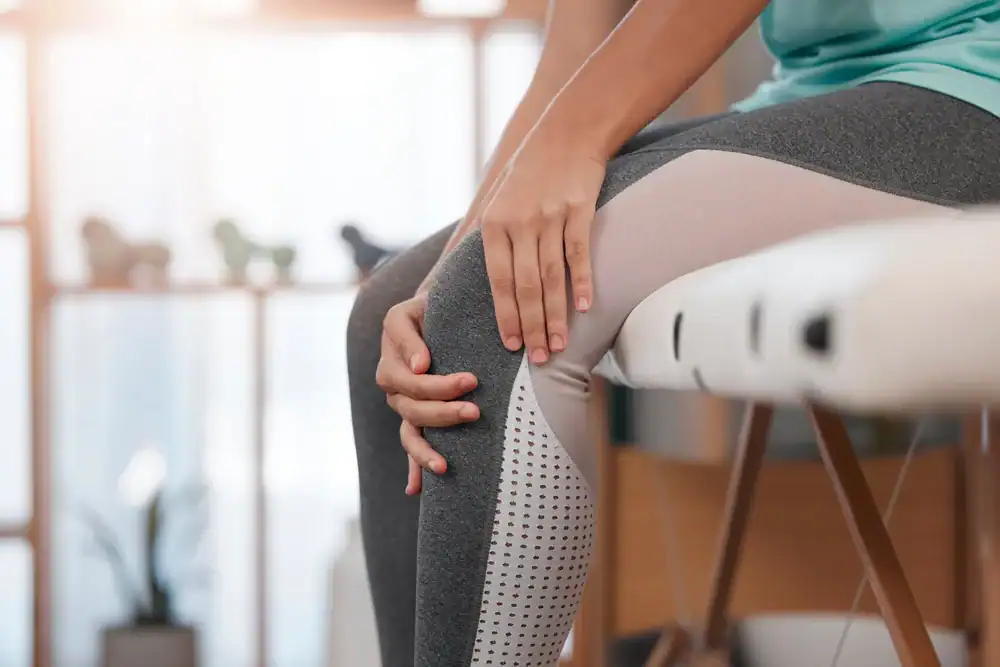
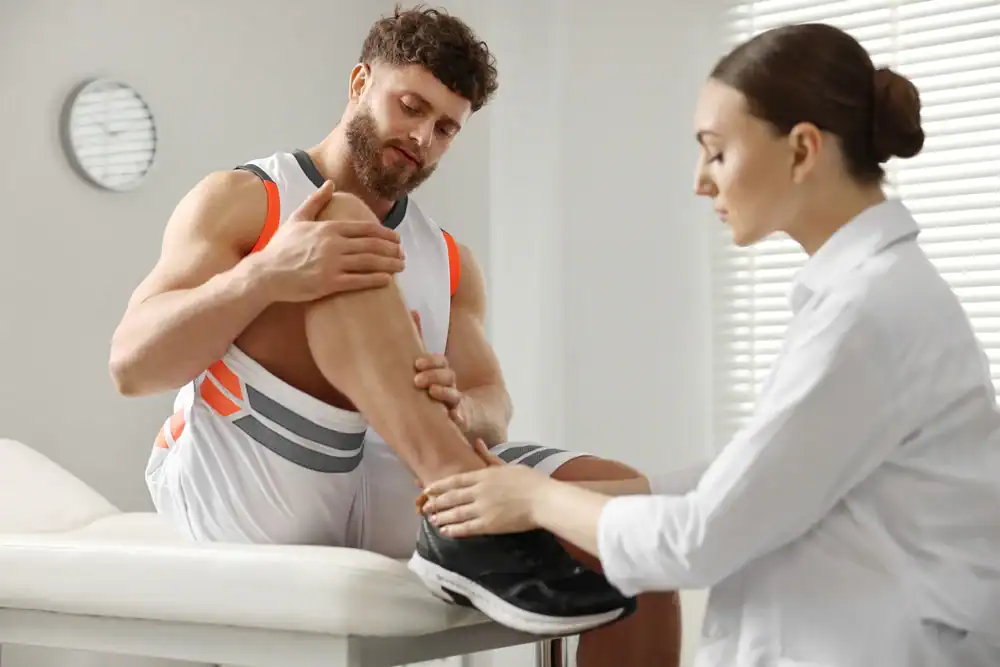
First, we figure out what’s actually wrong. Not just where it hurts—but why it happened and what’s keeping it from healing. That means looking at how you move, where you’re compensating, and what’s out of alignment.
Then we treat it. Spinal adjustments restore joint mobility. Soft tissue work breaks up scar tissue and adhesions that limit your range of motion. We improve blood flow to the injured area so your body can actually heal instead of just managing pain.
You’ll also get guidance on what to do between visits. Stretches, movements, things to avoid. This isn’t a “come back every week forever” setup. The goal is to get you functioning again—and keep you that way.
Most athletes notice improvement within the first few visits. Not because we’re masking anything, but because we’re fixing the mechanics that caused the problem in the first place.

Ready to get started?
Every visit starts with an assessment. We’re checking your spine, your joints, your movement patterns. If something’s restricted or misaligned, that’s where the problem lives.
Adjustments are quick and precise. They restore motion to joints that aren’t moving right. When your spine and extremities move the way they should, your nervous system works better. That means faster healing and better coordination.
Soft tissue therapy addresses muscle strains, ligament sprains, and the buildup that happens after an injury. We’re not just rubbing sore spots—we’re breaking up adhesions and improving flexibility so you can move without compensation.
Bergen Section athletes deal with the same injuries we see everywhere: ankle sprains from basketball, shoulder issues from baseball and softball, lower back pain from golf and running. With over 280,000 student-athletes in New Jersey alone, sports injuries are incredibly common here. The difference is how you treat them. We focus on long-term function, not short-term relief.

It depends on what you injured and how long you’ve been dealing with it. A fresh ankle sprain or muscle strain might respond in a few weeks. Something you’ve been ignoring for months will take longer.
Most athletes start feeling better within the first handful of visits. That doesn’t mean you’re fully healed—it means your body is moving better and the pain is dropping. Full recovery usually takes anywhere from a few weeks to a couple months, depending on severity.
Here’s what matters: you’re not just waiting for pain to go away. You’re actively restoring function. That’s why athletes who get adjusted recover faster than those who just rest and hope. Your body heals better when it’s aligned and moving correctly.
Yes, and that’s one of the biggest reasons athletes keep coming back even after they’re healed. When your joints move properly and your muscles aren’t compensating for imbalances, you’re far less likely to get hurt.
A lot of injuries happen because something else was already wrong. Your ankle rolls because your hip wasn’t stable. Your shoulder hurts because your thoracic spine is locked up. Chiropractic care finds those weak points before they become injuries.
Studies show that addressing musculoskeletal imbalances reduces overuse injuries significantly. Over 50% of youth sports injuries are from overuse, which means they’re preventable. Regular adjustments keep your body balanced so you’re not overloading one area while another stays weak.
Sprains and strains are the most common—they make up about 25-30% of all sports injuries. Ankles, knees, shoulders, lower back. Those are the areas that take the most abuse.
We also see a lot of overuse injuries: runner’s knee, tennis elbow, rotator cuff issues, shin splints. These don’t happen from one bad play. They build up over time because of poor mechanics or repetitive stress.
Then there are the injuries that don’t show up on X-rays but won’t go away: neck stiffness after a collision, rib pain from a hard fall, hip tightness that’s killing your stride. These are the ones that get missed in emergency rooms because they’re not fractures. But they absolutely affect how you perform, and they respond really well to chiropractic treatment.
No. You can schedule directly without a referral. Chiropractors are primary care providers for musculoskeletal issues, which means you don’t need permission from another doctor to get treated.
That said, if you have insurance, it’s worth checking your plan. Some cover chiropractic care with no referral needed. Others might require one for reimbursement. We can help you figure that out when you call.
If you’re dealing with something acute—like you just got injured and you’re not sure if it’s serious—it’s smart to get it checked out. But if you know it’s a sprain, strain, or movement issue, you can come straight here. We’ll assess it and let you know if you need imaging or a different type of care.
Absolutely. Kids and teenagers respond really well to chiropractic care because their bodies are still developing and they heal fast when things are aligned correctly.
Youth sports injuries are skyrocketing. Over 3.5 million kids under 14 get hurt every year, and more than half of those injuries are from overuse. That means they’re playing too much, too hard, without enough recovery or proper mechanics.
Chiropractic adjustments for younger athletes are gentle and specific. We’re not cracking spines—we’re restoring motion and balance so their growing bodies can handle the demands they’re putting on them. A lot of parents bring their kids in after an injury and keep bringing them back because they notice better performance and fewer recurring problems. It’s a safe, drug-free way to keep young athletes healthy.
If it just happened, follow the basics: rest, ice, compression, elevation. That controls swelling and protects the area from getting worse. Avoid putting weight or stress on it until you know what you’re dealing with.
Don’t ignore it and try to push through. That’s how a minor strain turns into a months-long problem. And don’t assume it’ll heal on its own just because the pain fades. A lot of injuries feel better after a few days but leave behind restrictions and imbalances that set you up for re-injury.
Get in as soon as you can. The sooner we can assess and treat it, the faster you’ll recover and the less likely you are to develop compensation patterns. Early intervention makes a massive difference in how well you heal and how quickly you get back to playing at full capacity.