
Hear from Our Customers
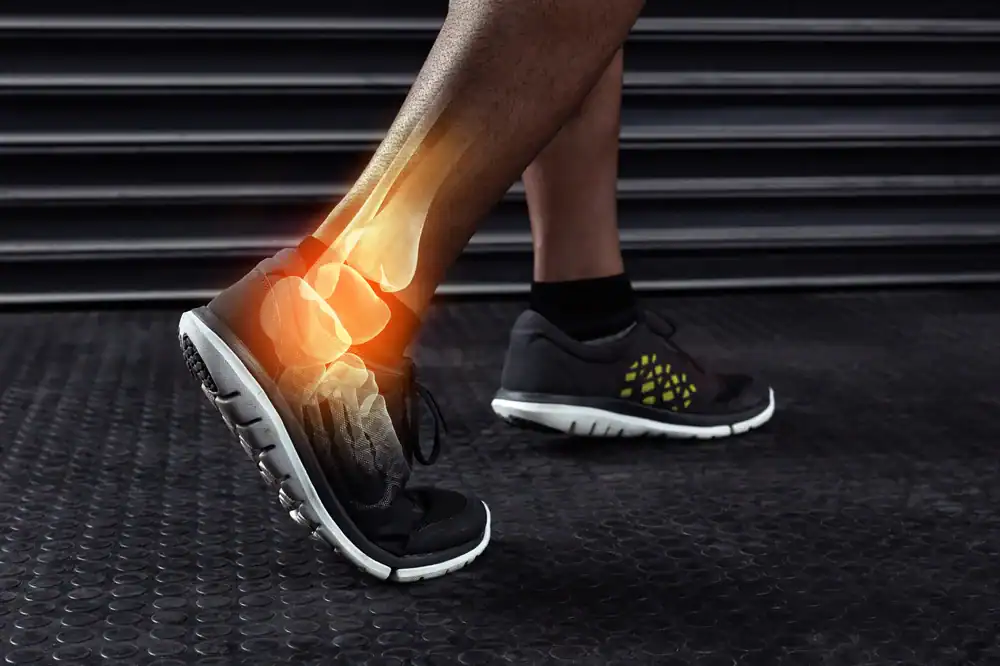
You’re not looking for temporary relief. You need to get back to your sport without worrying that the same injury will sideline you again in two weeks.
That’s what happens when the root cause gets addressed instead of masked. Your range of motion comes back. The compensation patterns your body developed start unwinding. You move the way you’re supposed to move—not the way pain forced you to adapt.
Athletes who come in limping have walked out normally after three adjustments. Not because we’re miracle workers, but because your body already knows how to heal when the interference gets removed. Our job is to find what’s blocking that process and get it out of the way so you can do what you do best.
Dr. Paul Roses grew up in Bayonne. He’s been practicing here for over three decades, which means he’s treated everyone from high school track runners to weekend softball players who refuse to admit they’re not 22 anymore.
After September 11th, he provided on-site care for first responders. He’s worked with patients who were told surgery was their only option and helped them avoid it entirely. That’s not marketing talk—that’s what happens when someone has spent 30 years learning how the body responds to injury and how to support its natural recovery process.
You’re not walking into a franchise or a rotating door of providers. You’re working with someone who knows this community and has seen just about every sports injury that can happen on a field, court, or gym floor in Hudson County.
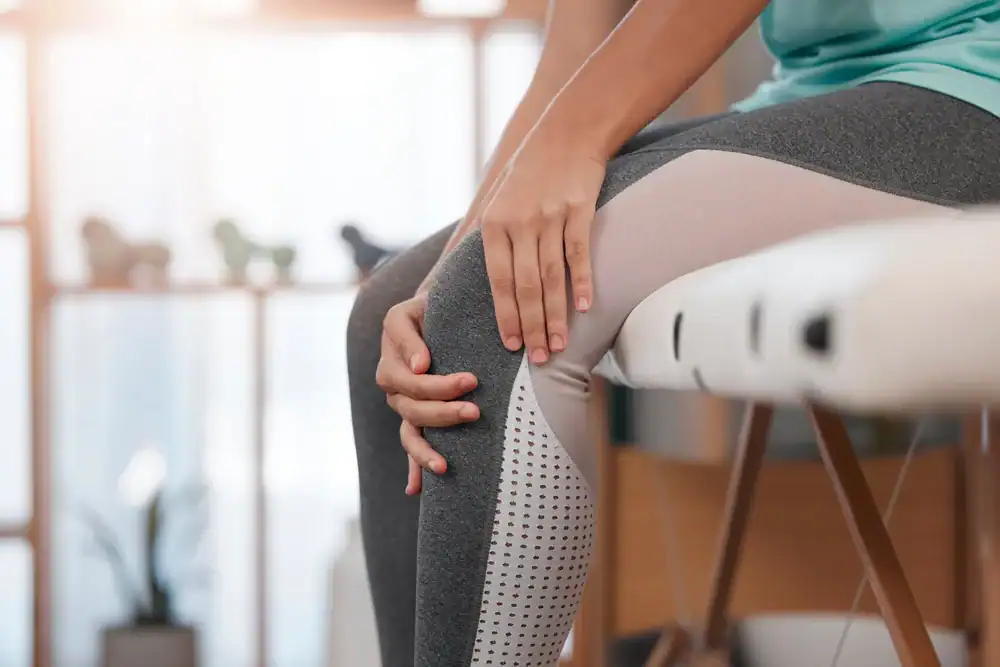
Your first visit starts with a baseline assessment using Titron Infrared Imaging. It’s painless, takes seconds, and shows exactly where the problem is—not where you think it is. Most sports injuries involve compensation patterns, so the pain you feel isn’t always where the issue started.
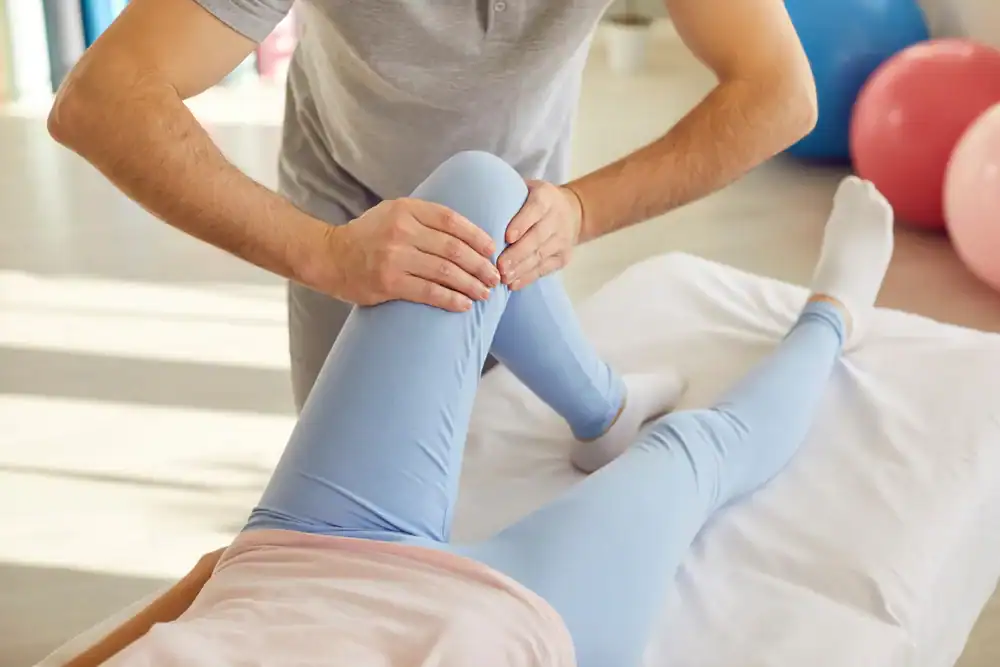
Once we know what’s going on, treatment begins with advanced spinal correction techniques. These aren’t the old-school adjustments your grandfather got. They’re safer, more precise, and designed specifically for active people who need to get back to performance level—not just “feeling okay.”
Between visits, you’ll get specific guidance on what to do and what to avoid. Recovery isn’t just what happens in our office. How you move, rest, and support your body between appointments matters just as much. Most athletes notice improvement within the first few sessions, but full recovery depends on the severity of the injury and how long you’ve been dealing with it.
Ready to get started?
Treatment here isn’t just about fixing what hurts right now. It’s about making sure the injury doesn’t come back the second you return to training.
That means identifying why the injury happened in the first place. Was it a compensation from an old ankle sprain? Overuse from poor mechanics? Lack of mobility in an area that forced another joint to pick up the slack? Bayonne athletes deal with the same issues as athletes everywhere—overtraining on hard surfaces, inadequate warm-ups, playing through minor pain until it becomes major pain.
You’ll also get injury prevention strategies specific to your sport. Sprains and strains make up nearly 37% of sports injuries, and most of them are preventable with the right approach. If you’re a high school athlete in Hudson County, you’re statistically at higher risk simply because of the volume of training and competition. Knowing how to protect yourself matters as much as knowing how to recover.
This isn’t a one-size-fits-all program. What works for a football player dealing with a shoulder issue won’t be the same as what works for a runner with a hip problem. Your treatment plan reflects your sport, your body, and your goals.

It depends on the injury, how long you’ve had it, and whether you’ve been compensating for it. Some athletes notice significant improvement after three visits. Others with chronic issues or more severe injuries need a few weeks of consistent care.
Here’s what matters more than a timeline: whether you’re actually healing or just masking symptoms. Pain relief is great, but if the underlying issue isn’t addressed, you’ll be back in the same spot as soon as you ramp up training again. Real recovery means your body is functioning correctly, not just feeling better temporarily.
If you’ve been dealing with something for months and tried other treatments without results, expect a longer recovery window. But even in those cases, most people see measurable progress within the first couple of weeks. We’ll give you a realistic expectation after the initial assessment—no false promises, just what the injury actually requires.
Yes, but not in the way most people think. Chiropractic doesn’t make you invincible. What it does is restore proper joint function and mobility, which reduces the compensation patterns that lead to injury.
When one area of your body isn’t moving correctly, another area picks up the slack. Over time, that overworked area breaks down. That’s how you end up with a knee problem that actually started in your hip, or a shoulder issue that’s really coming from your mid-back. Addressing those dysfunctions before they cause pain is how you stay on the field.
Athletes who get regular adjustments tend to recover faster when injuries do happen because their bodies are already functioning at a higher level. It’s the same reason professional teams have chiropractors on staff—not to treat injuries after they happen, but to keep athletes performing at their peak and minimize the risk in the first place. For youth athletes in Bayonne dealing with year-round training schedules, that kind of preventive care makes a real difference.
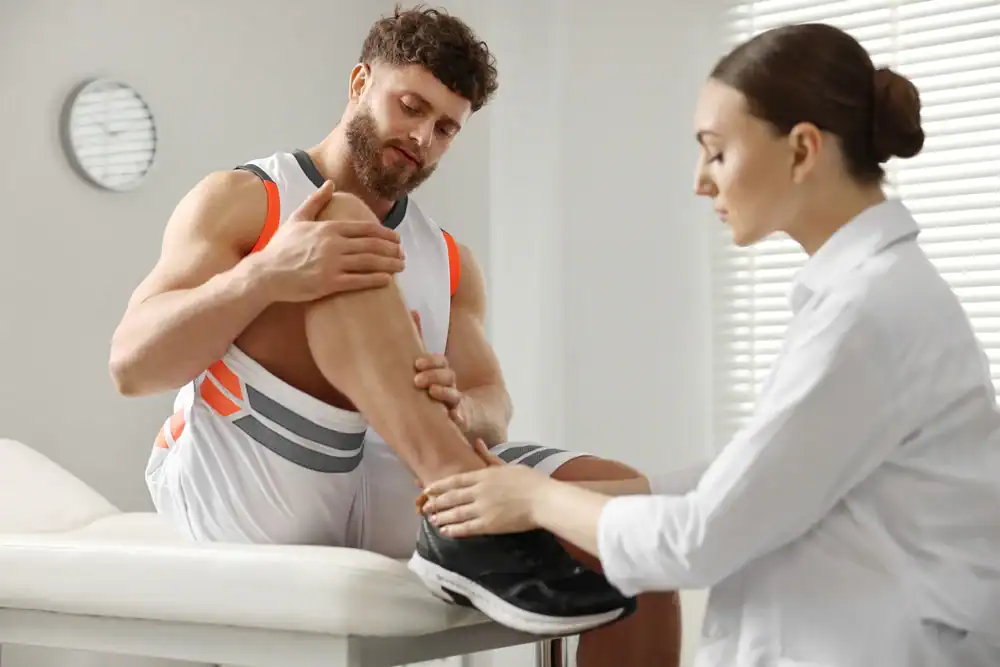
Sprains, strains, and joint injuries respond especially well because they involve the musculoskeletal system—which is exactly what chiropractic addresses. Ankle sprains, shoulder issues, lower back pain, hip problems, knee pain that isn’t structural damage—all of these improve significantly with the right adjustments.
Overuse injuries are another big category. Tendinitis, runner’s knee, rotator cuff issues—these often develop because of poor mechanics or compensation patterns. Chiropractic care corrects the underlying movement dysfunction so the injured area can actually heal instead of being re-injured every time you train.
Even concussions benefit from chiropractic care, though most people don’t realize it. Upper cervical adjustments can help with post-concussion symptoms by improving nervous system function. That said, if you’ve had a serious head injury, you need medical clearance first. We’re not replacing your doctor—we’re filling a gap that traditional medicine often misses, which is restoring proper function to the spine and nervous system so your body can do what it’s designed to do.
Completely. The techniques we use today are gentler and more precise than what most people picture when they think of chiropractic. There’s no high-force cracking or twisting—especially with younger patients.
Young athletes actually benefit more from chiropractic care than most adults because their bodies are still developing. Catching and correcting movement dysfunctions early prevents them from becoming chronic problems later. A high school football player with a shoulder issue that doesn’t get addressed properly can end up with long-term problems that affect them well into adulthood.
With 3.5 million youth sports injuries happening every year, and high school athletes facing some of the highest injury rates, getting proper care early matters. Dr. Roses has worked with young athletes throughout Bayonne and Hudson County for decades. The approach is always tailored to the patient’s age, size, and specific injury. Parents are involved in the process, and everything is explained clearly so there’s no confusion about what’s happening or why.
If it’s a serious injury—something that involves severe pain, inability to bear weight, visible deformity, or loss of consciousness—get to an emergency room first. Chiropractic care is incredibly effective, but it’s not a replacement for emergency medical treatment when something is broken or severely damaged.
For most sports injuries, the standard advice still applies: rest, ice, compression, elevation. Avoid putting weight or stress on the injured area until you’ve been evaluated. Don’t try to “push through it” because that’s how a minor issue becomes a major one.
Once the acute phase passes—usually within 24 to 48 hours—that’s when chiropractic care becomes critical. This is the window where your body starts compensating, and those compensation patterns can become permanent if they’re not addressed. Getting in quickly means faster recovery and less chance of long-term problems. If you’re in Bayonne or anywhere in Hudson County and dealing with a sports injury, don’t wait weeks to see if it gets better on its own. The sooner you address it properly, the sooner you’re back to full strength.
No. Chiropractors are primary care providers, which means you can schedule an appointment directly without needing a referral from another doctor. If you’re dealing with a sports injury and want to avoid the drug-and-surgery route, you can come in on your own.
That said, if you’re already working with a sports medicine doctor, physical therapist, or orthopedic specialist, chiropractic care can work alongside those treatments. Many athletes get the best results by combining approaches—especially when one provider focuses on the injury site and another (like us) addresses the whole-body mechanics that contributed to the injury in the first place.
Insurance coverage varies depending on your plan, so it’s worth checking whether chiropractic is covered before your first visit. But even if it’s not, many people choose to pay out of pocket because the alternative—months of physical therapy, pain medications, or surgery—ends up costing far more in the long run. The goal here is to get you back to your sport as quickly and safely as possible, and for most athletes, that happens faster with chiropractic care than with conventional treatment alone.