
Hear from Our Customers
When you can’t do what you love, everything else suffers. The stress builds. The anxiety creeps in. You start wondering if you’ll ever feel the same on the field, court, or track again.
Sports injuries don’t just hurt your body – they mess with your head. You need treatment that actually addresses what’s broken, not just masks the pain with medication until your next flare-up.
Athletic recovery therapy in Bayfront, NJ focuses on getting your body back to full function. That means restoring range of motion, rebuilding strength in damaged areas, and making sure you’re not just healed – you’re ready. Chiropractic adjustments realign your spine and joints so your nervous system can do what it’s designed to do: heal you from the inside out.
You’ll move better. You’ll feel stronger. And you won’t spend the next six months worried about reinjury every time you push yourself.
Dr. Paul Roses has been treating patients in Bayonne and the surrounding Hudson County area for over 30 years. That’s three decades of sprains, strains, torn ligaments, overuse injuries, and everything in between.
He’s worked with high school athletes trying to make it through playoff season, weekend warriors who refuse to give up their Sunday basketball games, and everyday people whose bodies just need to work right again. He’s seen what happens when injuries get ignored – and what’s possible when they’re treated correctly from the start.
Bayfront athletes deal with the same challenges as anywhere else: not enough recovery time between games, pressure to play through pain, and limited access to specialists who actually understand sports injuries. You don’t need another doctor telling you to rest for six weeks. You need someone who knows how to get you back faster – and keep you there.

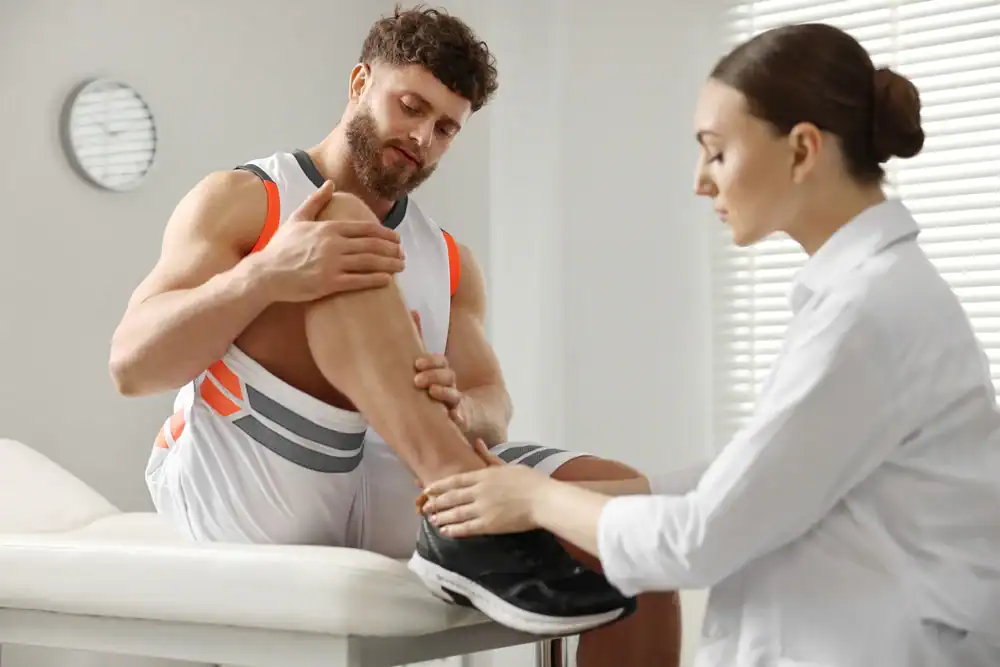
First, you’ll get a real assessment. Not a five-minute glance and a prescription. Dr. Roses will figure out what’s actually causing the pain – whether it’s a misalignment, soft tissue damage, or compensation from an older injury you forgot about.
If imaging is necessary, you’ll know. Baseline assessments can include infrared imaging or x-rays, but only when they’re actually going to change the treatment plan.
Then comes the adjustment. Chiropractic care for sports injuries in Bayfront, NJ isn’t about cracking your back and sending you home. It’s about restoring proper joint function so your body can heal the way it’s supposed to. You’ll also get exercises designed specifically for your injury – not generic stretches you could find on YouTube.
Treatment plans are built around your schedule and your goals. If you’ve got a tournament in three weeks, that matters. If you’re just trying to get through your work week without limping, that matters too. You’ll know what to expect at every stage, and you’ll have a clear timeline for when you can start pushing again.

Ready to get started?
Sports injury treatment at Roses Chiropractic includes spinal adjustments, soft tissue therapy, and rehabilitation exercises that you can do at home to speed up recovery. You’re not just getting adjusted and walking out – you’re getting a plan.
Bayfront athletes face unique demands. High school sports here are competitive. Adult leagues don’t take summers off. And if you’re training for anything serious, you can’t afford to lose months of progress sitting on the sidelines. That’s why our treatment focuses on both immediate pain relief and long-term performance improvement.
You’ll also get injury prevention strategies. Most sports injuries happen because something wasn’t working right in the first place – a weak stabilizer muscle, poor movement patterns, or an old injury that never fully healed. Fixing that now means you’re not back in the same spot six months from today.
Chiropractic care improves flexibility, balance, and range of motion. It helps your nervous system communicate better with your muscles. And it does all of this without drugs, injections, or surgeries that come with their own risks and recovery timelines.

It depends on the injury, how long you’ve had it, and how well you follow the treatment plan. Acute injuries – like a sprain from last week’s game – usually respond faster than chronic issues you’ve been ignoring for months.
Most patients start feeling better within the first few visits. That doesn’t mean you’re cleared to go full speed, but it does mean the pain is dropping and movement is improving. Full recovery timelines vary, but you’ll have a realistic estimate after your first assessment.
The goal isn’t just to get you out of pain. It’s to make sure the injured area is strong enough to handle the demands you’re going to put on it. Rushing back too soon is how you end up with a worse injury – or a chronic problem that never really goes away.
Yes. Old injuries often leave behind compensation patterns – your body learned to move differently to avoid pain, and now that’s causing new problems. Your knee hurts because your ankle never healed right. Your shoulder is tight because your neck has been out of alignment for years.
Chiropractic adjustments can restore proper joint mechanics and break those patterns. Soft tissue work addresses scar tissue and adhesions that built up during the original injury. And targeted exercises retrain your body to move the way it should.
You might not get back to exactly where you were before the injury – that depends on how much damage was done – but most people are surprised by how much function they can regain. Even injuries from years ago respond well to the right treatment.
No. You can schedule directly without a referral. Chiropractors are primary care providers, which means you don’t need permission from another doctor to start treatment.
If your injury is severe enough that it might require imaging or co-management with another specialist, Dr. Roses will let you know. But for most sports injuries – sprains, strains, overuse issues, joint pain – chiropractic care is a solid first step.
Many patients come in after they’ve already tried rest, ice, and over-the-counter pain meds without much improvement. Others come in right after the injury because they want to heal correctly from the start. Either way, you’re not locked into anything until you understand what’s wrong and what the treatment plan looks like.
Sprains, strains, tendinitis, and overuse injuries respond particularly well. So do joint issues – shoulder pain, knee problems, ankle instability, hip dysfunction. If your injury involves muscles, ligaments, tendons, or joints, chiropractic care is worth considering.
Chiropractic also works for injuries that seem unrelated to your spine – like runner’s knee or tennis elbow. Often, these issues are connected to how your body is aligned and moving as a whole. Fix the underlying mechanics, and the localized pain improves.
Fractures, complete ligament tears, and severe trauma usually need medical intervention first. But even in those cases, chiropractic care can be part of the recovery process once you’re cleared for rehabilitation. It helps restore normal movement patterns and prevents compensatory injuries from developing while you heal.
Not always. It depends on the severity of the injury and the risk of making it worse. Some injuries need complete rest for a short period. Others just need you to dial back intensity or modify certain movements while you’re healing.
Dr. Roses will give you clear guidance on what you can and can’t do. If you’re able to keep training in some capacity, you’ll know exactly how to do that safely. If you need to take time off, you’ll know why – and how long.
The goal is to get you back as quickly as possible without setting you up for reinjury. That might mean sitting out a game or two now so you don’t miss the rest of the season later. Most athletes would rather have a clear plan than guess their way through recovery and hope for the best.
Most insurance plans cover chiropractic care, but coverage varies depending on your specific plan. Some cover a set number of visits per year. Others require a copay or have deductible requirements.
We can verify your benefits before you start treatment so you know what to expect. If insurance doesn’t cover everything – or if you don’t have coverage – payment plans and affordable cash options are available.
The bigger question is whether the treatment is worth it. Compared to months of physical therapy, multiple specialist visits, or surgical intervention down the line, chiropractic care is one of the most cost-effective ways to handle sports injuries. You’re paying for expertise, hands-on treatment, and a plan that actually gets you back to doing what you love.