
Hear from Our Customers
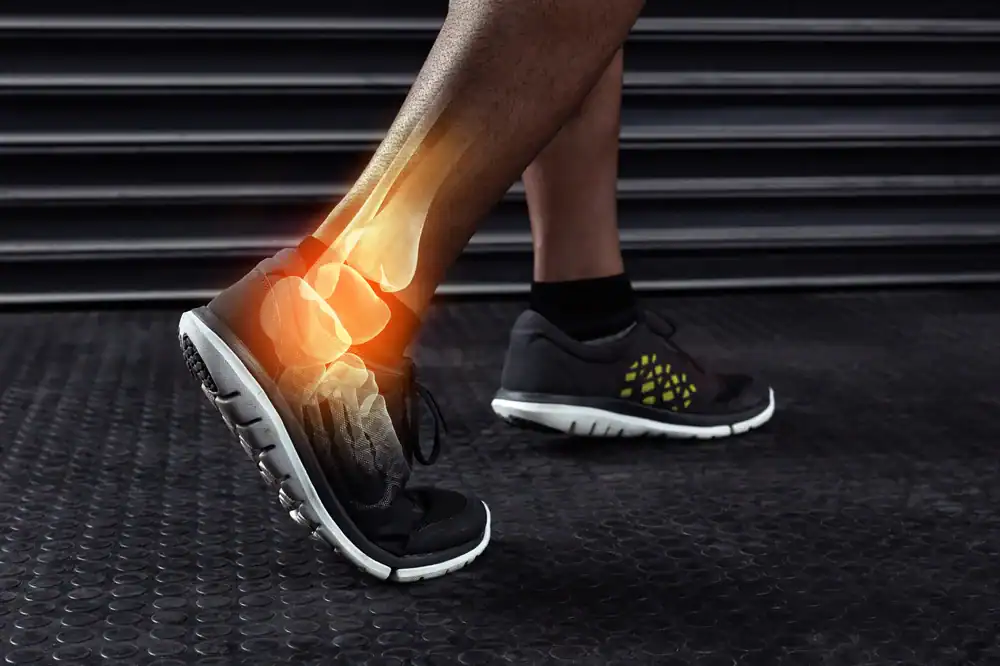
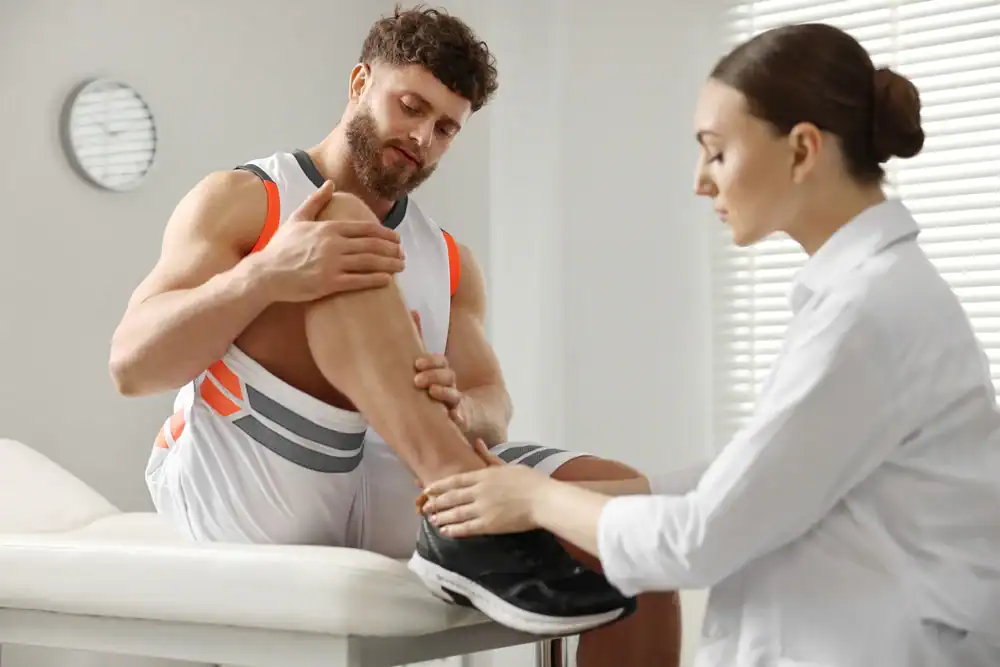
You’re not looking for temporary relief. You want to get back to training, competing, or just playing with your kids without that nagging pain or fear of re-injury.
When you treat sports injuries in Bates, NJ the right way, your body doesn’t just feel better for a few days. You rebuild strength in the damaged area. You move without compensation patterns that lead to new problems down the road. You stop relying on ibuprofen or worse just to get through practice.
Most athletes who come to us have already tried rest, ice, and hoping it goes away. That works sometimes. But when it doesn’t, you’re left wondering if surgery is the only option or if you’ll ever feel 100% again. The reality is that most sports injuries respond incredibly well to targeted chiropractic care that addresses joint mobility, muscle imbalances, and the underlying mechanics that caused the injury in the first place.
You get your range of motion back. You rebuild confidence in your body. And you actually prevent the same injury from happening again because we’re not just treating symptoms.
Dr. Paul Roses has been serving Bates, NJ and the surrounding Hudson County area since 1981. He’s not new to this. He’s seen every kind of sports injury from weekend warriors to high school athletes pushing for scholarships.
His approach is simple: find what’s actually wrong, fix it without drugs or surgery when possible, and give you the tools to stay healthy long-term. He uses advanced spinal correction techniques and infrared imaging to get a clear picture of what’s happening in your body. No guessing. No generic treatment plans.
Bates has a strong community of active people. Runners along the Hudson. Basketball leagues. Soccer families. Dr. Roses understands that when you’re injured, you’re not just dealing with physical pain—you’re missing out on what you love. That’s why the focus here is getting you back to full function as quickly and safely as possible.
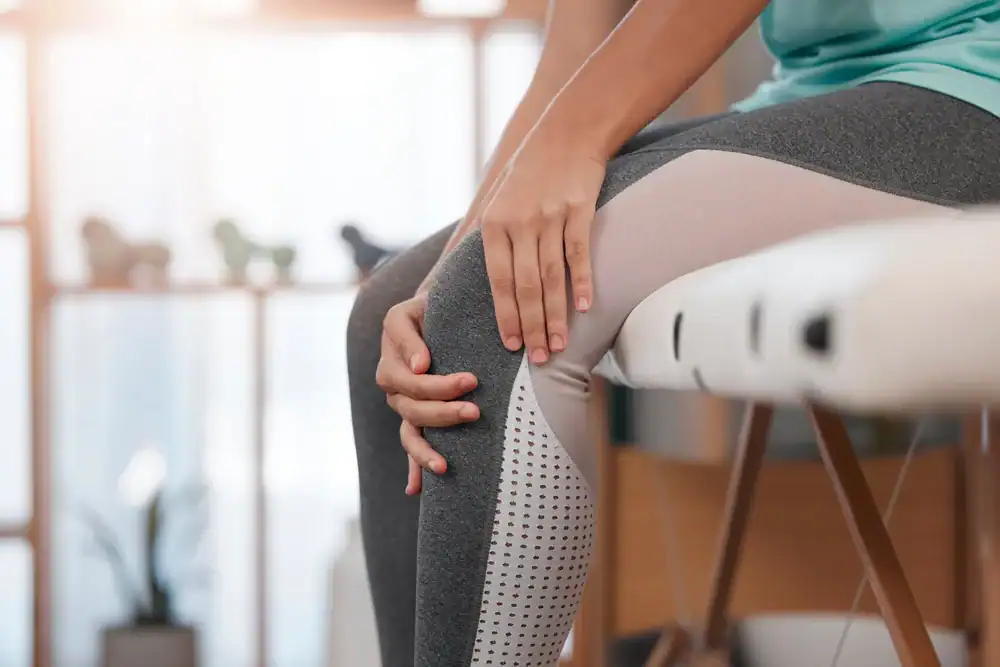
First visit, we do a full assessment. That means looking at your injury, but also your movement patterns, your posture, and any imbalances that might have contributed to the problem. We use Titron Infrared Imaging to see what’s going on beneath the surface—inflammation, nerve interference, areas of weakness.
Then we build a treatment plan specific to your injury and your goals. If you’re a runner dealing with IT band issues, your plan looks different than a baseball player with a rotator cuff strain. Treatment might include spinal adjustments, soft tissue work, trigger point therapy, or specific exercises designed to strengthen vulnerable areas.
You’ll know what to expect at every step. How long recovery typically takes for your type of injury. What you can and can’t do while healing. How to modify training so you’re not making things worse. Most people start feeling relief within the first few visits, but real recovery means addressing the root cause—not just dialing down the pain temporarily.
We also focus on injury prevention. Once you’re back to full strength, we identify weak points and give you a game plan to avoid ending up in the same spot six months down the road.

Ready to get started?
This isn’t a quick adjustment and out the door. You’re getting a comprehensive evaluation that looks at your entire musculoskeletal system. We check for subluxations, postural imbalances, and joint restrictions that could be slowing your recovery or setting you up for another injury.
Treatment is hands-on. Chiropractic adjustments restore proper joint function and reduce inflammation. Soft tissue mobilization breaks up scar tissue and improves flexibility. Trigger point therapy releases muscle knots that refer pain to other areas. You also get personalized exercises—what we call “blueprint” exercises—that target your specific weaknesses.
In Bates, NJ and across Hudson County, we see a lot of repetitive strain injuries. Runners with knee pain. Tennis players with elbow issues. Gym-goers with shoulder problems. These injuries don’t happen overnight, and they don’t heal overnight either. But with consistent care and the right approach, you can get back to doing what you love without constantly managing pain.
You’ll also get lifestyle advice. Small changes in how you warm up, how you train, or even how you sit at work can make a massive difference in whether you stay healthy or keep getting hurt. We’re not just treating the injury in front of us—we’re helping you build a body that holds up over time.

It depends on the injury, how long you’ve had it, and how well you follow the treatment plan. Minor strains or sprains might feel significantly better within a week or two. More serious injuries—like a rotator cuff issue or chronic tendinitis—can take several weeks to a few months.
Here’s the thing: you’ll likely notice some improvement quickly, but that doesn’t mean you’re fully healed. A lot of athletes make the mistake of feeling 70% better and jumping back into full training. Then they re-injure themselves and end up worse than before.
We map out realistic timelines based on your specific injury and goals. If you have a tournament coming up, we’ll tell you honestly whether it’s smart to compete or if you’re risking long-term damage. Recovery isn’t just about pain going away—it’s about rebuilding strength, restoring full range of motion, and making sure the area is stable enough to handle the demands you’re going to put on it.
Yes, and this is one of the most underrated benefits. Most sports injuries don’t come out of nowhere. They develop because of imbalances, poor mechanics, or compensation patterns you’ve been running on for months or years.
Chiropractic care identifies those weak points before they become injuries. If your hips are misaligned, you’re putting extra stress on your knees and ankles. If your thoracic spine is locked up, your shoulders are going to overwork and eventually break down. We find those issues early and correct them.
Regular adjustments also keep your joints mobile and your nervous system functioning properly. When your body moves the way it’s supposed to, you’re less likely to tweak something during a hard workout or awkward movement. A lot of professional athletes use chiropractic care specifically for injury prevention—not just treatment. It’s about staying on the field, not spending time on the sidelines.
We treat the full range. Sprains and strains are the most common—ankles, knees, shoulders, wrists. We also see a lot of overuse injuries like runner’s knee, tennis elbow, shin splints, and IT band syndrome. Rotator cuff issues are huge, especially for athletes who do overhead movements.
Beyond that, we work with people recovering from concussions, dealing with lower back pain from lifting or repetitive twisting, and managing chronic conditions like tendinitis that haven’t responded well to rest or physical therapy alone. If it’s related to your musculoskeletal system, we can probably help.
The key is figuring out why the injury happened. A sprained ankle isn’t just bad luck if it’s your third one this year. There’s usually an underlying issue—weak stabilizers, poor proprioception, or a compensation pattern from an old injury. We treat the immediate problem and address the root cause so you’re not stuck in a cycle of getting hurt, healing partially, and getting hurt again.
Absolutely. Chiropractic care is non-invasive, drug-free, and incredibly safe when performed by an experienced chiropractor. In fact, it’s one of the best options for young athletes because it doesn’t involve medication or surgery, and it focuses on helping the body heal naturally.
Young athletes are still growing, which means their bodies are more adaptable but also more vulnerable to injury if imbalances aren’t corrected. We see a lot of high school athletes in Bates, NJ dealing with growth-related issues, overtraining, or poor movement mechanics that coaches and parents don’t always catch.
Treatment for younger patients is adjusted based on their age, size, and stage of development. We’re not using the same force or techniques we’d use on a 30-year-old adult. Everything is tailored to what’s safe and effective for their body. And because we focus on education, young athletes leave understanding how to take care of their bodies—something that benefits them for life, not just for this season.
No, you don’t need a referral. You can call and schedule an appointment directly. Chiropractors are primary care providers for musculoskeletal issues, which means you can come in without seeing another doctor first.
That said, if you’ve already seen an orthopedist, physical therapist, or sports medicine doctor, bring any imaging or reports you have. It helps us get a complete picture of what’s going on. We also work alongside other healthcare providers when needed. If your injury requires surgery or a specialist, we’ll tell you. We’re not here to keep you in care that isn’t helping.
A lot of people come to us after trying other treatments that didn’t work. Rest didn’t fix it. Physical therapy helped but plateaued. Pain meds just masked the problem. Chiropractic care offers a different approach—one that focuses on joint function, nervous system health, and correcting the mechanics that caused the injury. If that sounds like what you need, you can start here.
Most insurance plans cover chiropractic care, but coverage varies depending on your specific plan. Some cover a set number of visits per year. Others require a copay or have a deductible you need to meet first.
We recommend calling your insurance provider before your first visit to ask about chiropractic benefits. You can also call our office and we’ll help you figure out what’s covered. We’ve worked with most major insurance companies and can usually give you a good idea of what to expect.
If you don’t have insurance or your plan doesn’t cover chiropractic, we offer affordable cash rates. The goal is to make care accessible, not to create a financial barrier that keeps you from getting the help you need. Sports injuries don’t get better on their own, and waiting usually makes them worse and more expensive to treat down the road. We’d rather get you in early and keep the problem from turning into something bigger.