
Hear from Our Customers

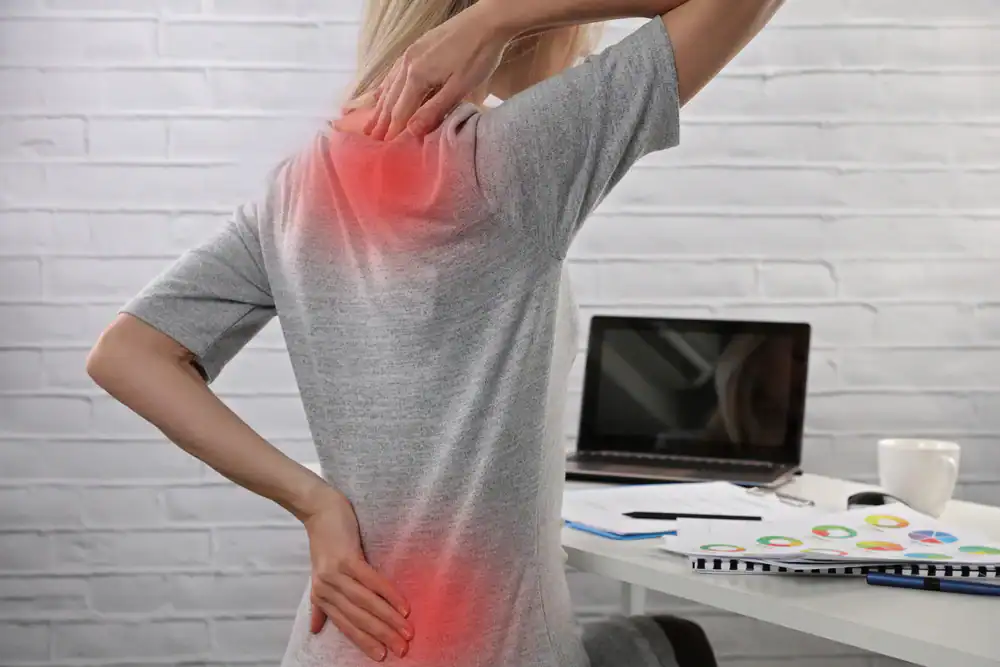
Your spine has been compressed for too long. Discs pressing on nerves. Pain shooting down your leg when you stand up. Stiffness that makes getting out of bed feel like a negotiation.
Non-surgical spinal decompression therapy in West End, NJ works by gently stretching the spine to create space where there wasn’t any. That space lets herniated or bulging discs pull back from the nerves they’ve been irritating. It also allows oxygen, water, and nutrients to flow back into damaged discs—which is how your body actually heals them.
You’re not masking anything. You’re addressing the mechanical problem that’s been causing the pain in the first place.
Most people notice less pain within the first few sessions. Some sleep better that same night. Others find they can sit through a meeting or drive without wincing. The mechanical spinal traction benefits in West End add up over time—not just in comfort, but in mobility and function.
Dr. Paul Roses has been treating patients in and around West End, NJ for over three decades. Not with gimmicks or shortcuts—with sound chiropractic principles and advanced equipment that actually does what it’s supposed to do.
You’re not walking into a high-pressure sales pitch. You’re sitting down with someone who’s seen your exact situation hundreds of times and knows what works. We use state-of-the-art spinal traction technology, take the time to assess what’s going on with imaging when needed, and build a treatment plan based on your body—not a one-size-fits-all protocol.
West End residents deal with the same wear and tear everyone else does—long commutes, desk jobs, physical labor, aging. The difference here is that you’re working with someone who’s been in this community long enough to understand what you’re up against and how to help you get past it.
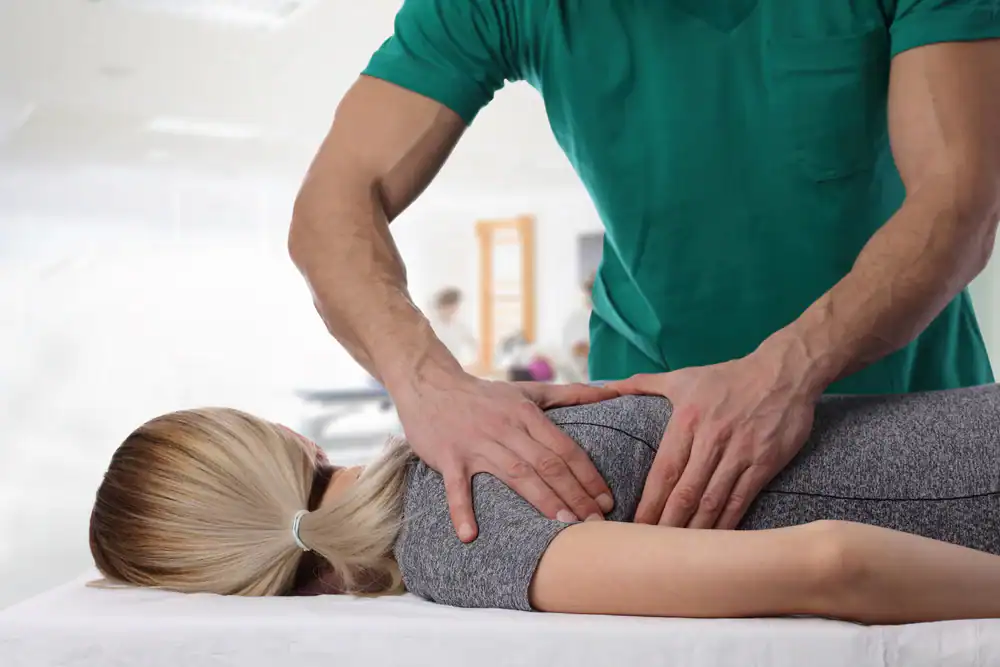
You’ll start with an evaluation. Dr. Roses will ask about your pain—where it is, how long it’s been there, what makes it worse. He may take x-rays or use infrared imaging to get a clearer picture of what’s going on with your spine.
Once he understands the problem, you’ll begin spinal traction sessions. You lie comfortably on a specialized table that applies controlled, gentle pulling force to your spine. This creates negative pressure inside the discs, which helps them retract away from pinched nerves and allows healing nutrients to move back in.
Each session typically lasts 20 to 30 minutes. Most patients need somewhere between 20 and 30 total treatments for the best results, depending on severity. There’s no downtime. You walk in, get treated, and go back to your day.
Lumbar traction for sciatica in West End, NJ targets the lower back and legs. Cervical traction for neck pain in West End focuses on the upper spine and shoulders. Both work the same way—by relieving pressure and giving your body the environment it needs to heal itself.
Ready to get started?
Spinal traction in West End, NJ isn’t just about lying on a table. It’s about creating the conditions your spine needs to recover from herniated discs, degenerative disc disease, sciatica, pinched nerves, and chronic lower back pain.
You’re getting a treatment that’s been shown to help over 90% of patients who use it, according to research in neurological studies. You’re avoiding the risks, costs, and recovery time that come with surgery. And you’re working with a provider who’s been doing this successfully for thirty years.
West End sits in a part of New Jersey where people work hard—whether that’s commuting into the city, working construction, or spending long hours on their feet. That kind of daily strain adds up. Spinal decompression therapy gives your body a chance to reset and repair, even while you keep up with your responsibilities.
Most insurance plans cover this treatment. It’s affordable, effective, and doesn’t require you to take time off work or avoid activity afterward. You show up, get treated, and keep moving.
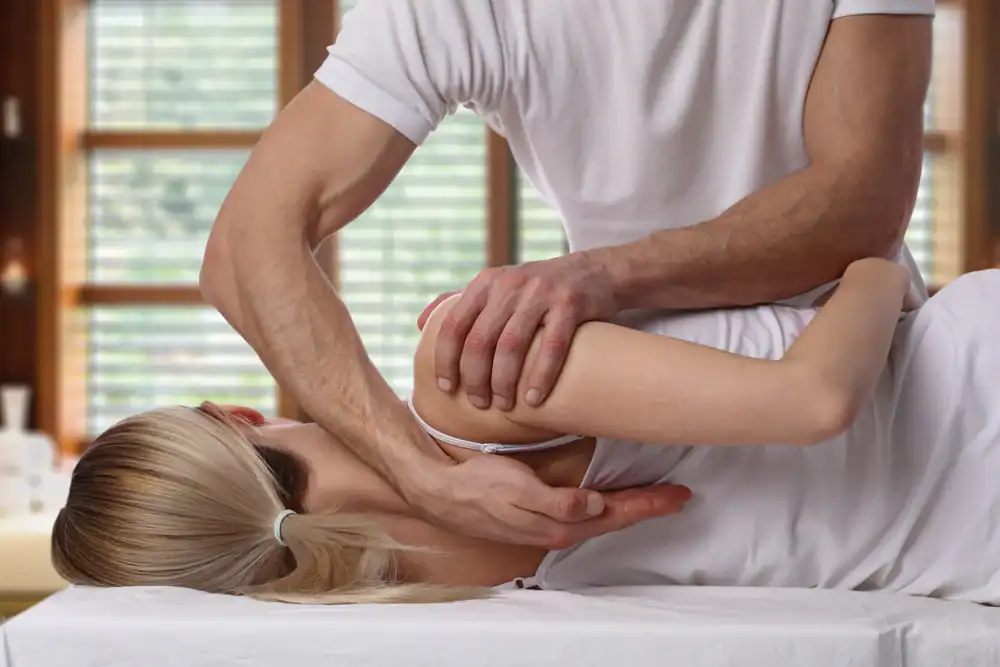
An adjustment realigns the vertebrae and takes pressure off the nerves by moving bones back into place. Spinal traction goes a step further by creating space between the vertebrae and decompressing the discs themselves.
If your pain is coming from a herniated or bulging disc, traction addresses that directly. It pulls the disc material away from the nerve and allows the disc to rehydrate and heal. Adjustments help with alignment and nerve interference, but they don’t always resolve disc issues on their own.
Most patients benefit from both. Dr. Roses will determine what combination makes sense based on your specific condition. Some people only need traction. Others do better with a mix of decompression, adjustments, and rehabilitative exercises.
Most people need between 20 and 30 sessions to get the full benefit. That might sound like a lot, but each session is under 30 minutes, and there’s no recovery time.
Your exact number depends on how severe your condition is, how long you’ve been dealing with it, and how your body responds. Some patients feel significantly better within the first week. Others take a few weeks to notice major changes.
Dr. Roses will give you a clearer timeline after your initial evaluation. He’s not interested in dragging things out—he wants to get you feeling better as efficiently as possible. If you’re progressing well, he’ll tell you. If something needs to be adjusted, he’ll tell you that too.
Yes. Sciatica happens when something—usually a herniated disc—presses on the sciatic nerve. That’s what causes the shooting pain down your leg, the numbness, the tingling.
Lumbar traction for sciatica in West End, NJ relieves that pressure by gently stretching the lower spine and creating space for the disc to move back into place. Once the nerve isn’t being compressed anymore, the pain starts to go away.
Research shows that nearly 90% of people with sciatica get relief from non-surgical treatments like spinal decompression. It’s not a guarantee, but it’s a strong option—and one that doesn’t involve injections, medications, or surgery. Most patients see improvement within the first few weeks of treatment.
No. Most people find it relaxing. You’re lying on a comfortable table while the machine applies a slow, controlled stretch to your spine. It’s gentle enough that some patients fall asleep during treatment.
You might feel a mild pulling sensation, but it shouldn’t hurt. If it does, the treatment can be adjusted. Dr. Roses monitors how you’re responding and makes changes as needed to keep you comfortable.
There’s no soreness afterward like you might get from a deep tissue massage or intense workout. You can go right back to work, drive home, pick up your kids—whatever you need to do. The whole point is to make your life easier, not harder.
Most insurance plans do cover it, especially when it’s being used to treat conditions like herniated discs, sciatica, or degenerative disc disease. Coverage varies depending on your specific plan, but this is a widely accepted treatment.
We work with most major insurance carriers. Our front desk can verify your benefits before you start treatment so there are no surprises. If you’re paying out of pocket, the cost is still far less than surgery—and you’re avoiding the thousands of dollars in hospital fees, anesthesia, and recovery expenses that come with it.
If cost is a concern, bring it up during your consultation. Dr. Roses has been doing this long enough to know how to work with people and find a plan that makes sense.
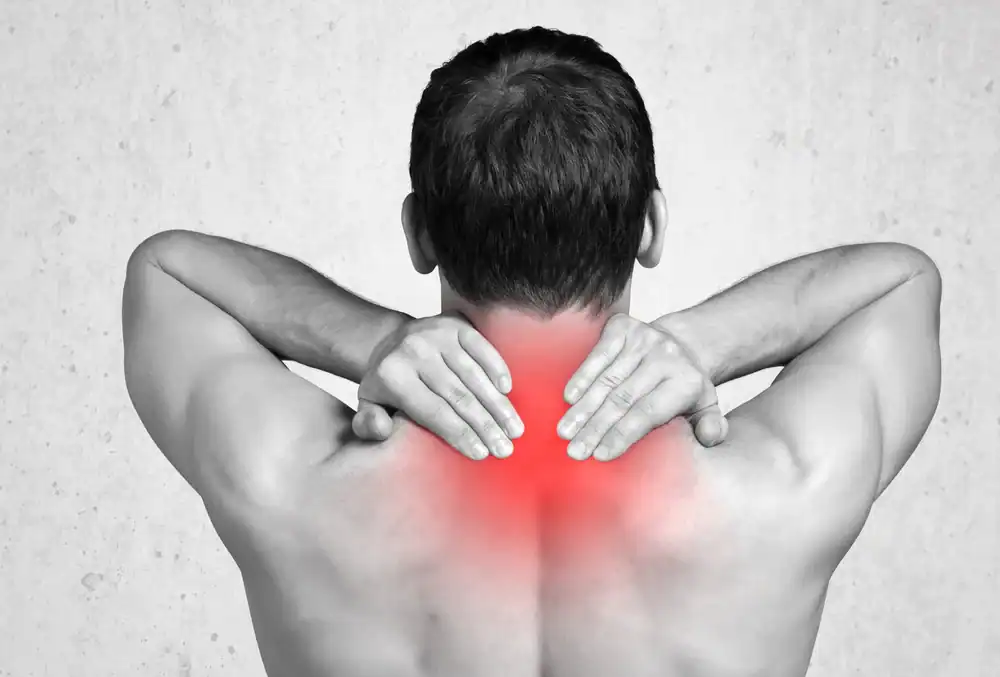
Yes. Cervical traction for neck pain in West End, NJ works the same way lumbar traction does—by decompressing the discs and relieving pressure on the nerves in your neck.
If your headaches are coming from tension, misalignment, or nerve compression in the cervical spine, traction can make a real difference. A lot of headaches start in the neck, especially if you’re sitting at a desk all day or looking down at your phone constantly.
Traction creates space between the vertebrae, reduces inflammation, and lets your neck move the way it’s supposed to. Combined with adjustments and posture corrections, it’s one of the most effective ways to get rid of chronic neck pain and the headaches that come with it.