

Hear from Our Customers

When pressure comes off your nerves, things shift fast. You start sleeping through the night again. Bending down to tie your shoes doesn’t send shooting pain down your leg.
The constant ache that’s been your background noise for months starts fading. You’re not reaching for pain pills every few hours just to get through your day.
Non-surgical spinal decompression therapy in Village, NJ works by gently stretching your spine to create negative pressure in the discs. That pressure change lets herniated or bulging disc material move back into place. It also promotes blood flow and nutrient exchange that your discs need to heal.
Most people notice a difference within the first few sessions. By the end of a treatment plan, you’re looking at real, measurable improvement in how you move and what you can do without pain stopping you.
Dr. Paul Roses has been practicing in this area for over 30 years. He’s treated thousands of patients dealing with the same back pain you’re experiencing right now.
After September 11th, Dr. Roses provided on-site chiropractic care for the firefighters and police officers working at Ground Zero. That’s the kind of community commitment you’re getting when you walk through our door.
We use state-of-the-art technology, including the Back on Trac system for mechanical spinal traction benefits in Village, NJ. You’re not getting outdated equipment or cookie-cutter treatment plans. Every assessment starts with baseline imaging so there’s a clear picture of what’s happening in your spine before any treatment begins.
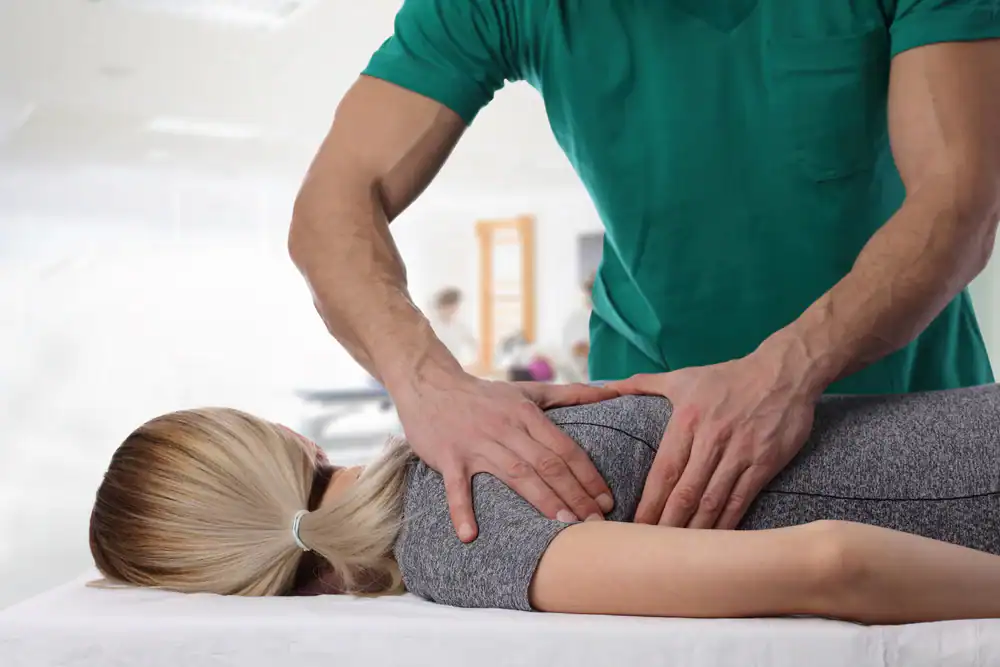
Your first visit includes a thorough exam and Titron Infrared Imaging. It’s painless, takes seconds, and shows exactly where the problem areas are in your spine. No guessing.
Once there’s a clear diagnosis, Dr. Roses maps out a treatment plan specific to your condition. Most people need 12-24 sessions spread over several weeks, typically 2-3 times per week.
During each session, you sit in the Back on Trac chair while it’s adjusted to your body. You recline comfortably, and the system gently stretches your spine in a controlled pattern. Each session runs 12-15 minutes.
The chair alternates between stretching and relaxing your spine. That rhythm is what creates the decompression effect. Many sessions also include heat and vibration to relax the muscles around your spine, making the stretch more effective.
You’re not lying on a table wondering what’s happening. You’re sitting comfortably, and you can feel the gentle pull working on the exact area that’s been causing you problems.

Ready to get started?
Lumbar traction for sciatica in Village, NJ addresses that shooting pain down your leg that comes from a compressed sciatic nerve. When a herniated disc or bone spur is pressing on that nerve, decompression creates space and reduces the pressure causing your symptoms.
Cervical traction for neck pain in Village, NJ works the same way but focuses on your upper spine. If you’re dealing with pinched nerves in your neck that cause arm pain, numbness, or headaches, targeted traction can provide relief.
Degenerative disc disease is another condition that responds well to this treatment. As discs lose height and cushioning over time, the vertebrae get closer together and nerves get compressed. Traction helps restore some of that space and promotes healing.
We also treat herniated discs, bulging discs, and general chronic lower back pain that hasn’t responded to rest, medication, or physical therapy. About 80% of adults will experience lower back pain at some point. If you’re in that group and conservative treatments haven’t worked, spinal traction might be what finally gets you relief without surgery.
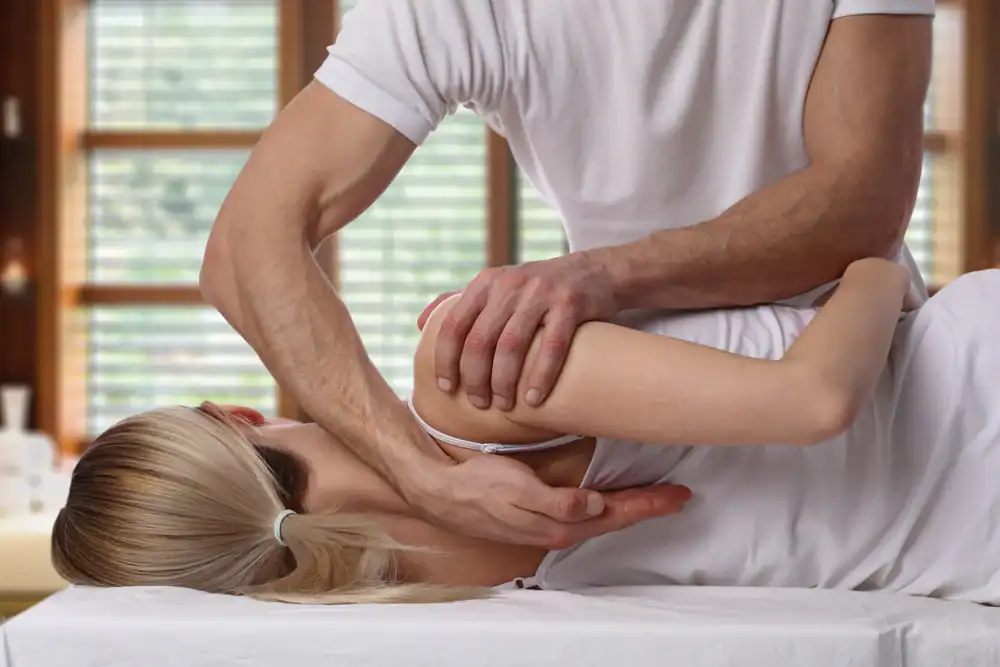
Adjustments focus on realigning vertebrae and restoring joint mobility through quick, controlled force. Spinal traction uses sustained, gentle stretching over several minutes to decompress the discs between your vertebrae.
Think of it this way: adjustments fix alignment issues and restricted movement. Traction addresses disc problems and nerve compression by creating negative pressure inside the disc space.
Many patients benefit from both. Dr. Roses will recommend the approach that makes sense for your specific condition. Sometimes that’s traction alone, sometimes it’s a combination of techniques. The imaging and exam results determine what you actually need, not a one-size-fits-all protocol.
Most people notice some improvement within the first 3-5 sessions. Real, lasting relief typically requires 12-24 sessions spread over 4-8 weeks.
Your body didn’t develop this problem overnight, and it won’t heal overnight either. Disc injuries and nerve compression take time to resolve. The treatment plan gives your spine consistent decompression so healing can actually happen.
Some conditions respond faster than others. A recent herniated disc might improve quicker than degenerative changes that have been building for years. Dr. Roses reassesses your progress throughout treatment and adjusts the plan if needed. You’re not locked into a rigid schedule that ignores how your body is actually responding.
No. You should feel a gentle pulling sensation, but not pain. If anything hurts during a session, that’s a sign something needs adjusting, and you tell us immediately.
The whole point is to relieve pain, not create more. The Back on Trac system is designed for comfort. You’re in a reclined position, and the stretch is controlled and gradual.
Some people feel sore after their first few sessions, similar to how muscles feel after starting a new exercise routine. That typically fades as your body adjusts to treatment. If you experience sharp pain or significant discomfort during or after a session, that’s not normal and needs to be addressed right away.
Many insurance plans cover spinal decompression therapy when it’s medically necessary. Coverage varies significantly between plans, so you need to check your specific policy.
Our office can verify your benefits before you start treatment. We’ll contact your insurance company, find out what’s covered, and let you know what your out-of-pocket cost will be. No surprises.
Even if your insurance doesn’t cover the full cost, compare it to the alternative. Surgery for a herniated disc can run $50,000-$100,000. Recovery takes months. You might miss weeks of work. Spinal traction is a fraction of that cost, with no surgical risks and no extended recovery period. For most people, it’s worth paying out of pocket if insurance won’t cover it.
That’s exactly why most people try it. Spinal traction is specifically designed as a non-surgical option for conditions that might otherwise require surgery.
If you’ve been told you need surgery for a herniated disc, bulging disc, or spinal stenosis, decompression therapy gives you another option to try first. Many patients get enough relief that surgery becomes unnecessary.
Surgery should be a last resort after conservative treatments have failed. Spinal traction is one of the most effective conservative treatments available. It won’t work for everyone, and some conditions do require surgical intervention. But if there’s a chance you can avoid surgery and still get relief, it makes sense to try traction first. Dr. Roses will be honest about whether your condition is likely to respond to treatment or if surgery is really your best option.
First, make sure you complete the full treatment plan. Stopping after a few sessions because you don’t feel immediate relief doesn’t give the therapy a fair chance to work.
If you’ve completed the recommended course of treatment and you’re not seeing improvement, Dr. Roses will reassess and discuss other options. That might include different chiropractic techniques, referral to a specialist, or additional diagnostic imaging to see if something was missed.
Not every treatment works for every patient. We’ll tell you that upfront. The goal is to get you relief, not to keep you coming back for treatments that aren’t helping. If spinal traction isn’t the answer for your specific condition, you deserve to know that so you can pursue other options that might work better.