
Hear from Our Customers

You’re not looking for temporary relief that wears off by lunch. You want to sleep through the night, pick up your grandkids, or just sit through a work meeting without shifting every five minutes.
Non-surgical spinal decompression therapy in St. Pete, NJ works by gently stretching your spine on a specialized table. This creates negative pressure inside your discs, which does two things: it pulls bulging or herniated disc material back where it belongs, and it allows oxygen and nutrients to flow into areas that have been starved of them.
That means less pressure on your nerves. Less shooting pain down your leg. Less stiffness when you stand up. The treatment itself is painless—you’re lying down, fully clothed, while the table does the work. Most people find it relaxing, not uncomfortable.
What changes after a few weeks of treatment is your ability to move without bracing for pain. You’re not planning your day around what your back will tolerate. You’re just living.
Dr. Paul Roses has been practicing chiropractic in the Hudson County area since 1981. He’s not new to this, and he’s not experimenting on you.
Our approach is straightforward: remove the interference in your nervous system so your body can do what it’s designed to do—heal itself. We don’t push unnecessary treatments or try to keep you coming back forever. Dr. Roses calls patients later in the day to check how they’re doing after adjustments, which isn’t standard practice, but it should be.
St. Pete, NJ residents deal with a lot of the same issues—long commutes, desk jobs, physical labor, stress that shows up in your shoulders and lower back. We’ve seen it all, and we know how to address it without resorting to prescriptions or referrals for surgery as a first option.
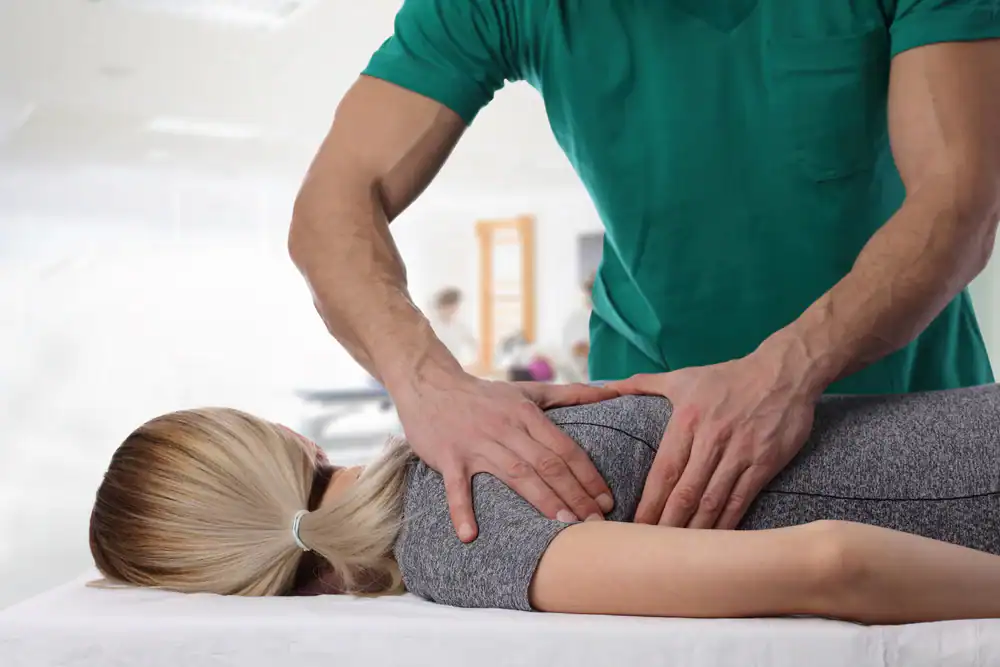
Your first visit includes an evaluation. Dr. Roses needs to understand what’s going on with your spine before recommending spinal traction in St. Pete, NJ. That means discussing your pain, your history, and likely taking some images to see what’s happening inside.
If spinal traction is right for you, treatment starts on a decompression table. You’ll lie down, and the table uses controlled mechanical force to gently stretch your spine. This isn’t a sudden pull—it’s gradual, specific, and targeted to the area causing problems.
Each session lasts about 20 to 30 minutes. You might feel a gentle stretching sensation, but it shouldn’t hurt. Many people actually find it relaxing enough to close their eyes and zone out.
Treatment plans typically run 5 to 7 weeks, with sessions scheduled a few times per week. The exact number depends on how severe your condition is and how your body responds. Some people notice improvement within the first week. Others take a bit longer. Dr. Roses adjusts the plan based on what’s actually working, not what a textbook says should work.
Ready to get started?
Lumbar traction for sciatica in St. Pete, NJ is one of the most common reasons people come in. That shooting pain down your leg, the numbness in your foot, the feeling like your lower back is about to give out—that’s often a herniated or bulging disc pressing on your sciatic nerve.
Cervical traction for neck pain in St. Pete, NJ addresses similar issues in your upper spine. If you’ve got pain radiating into your shoulder or arm, or if turning your head feels like grinding metal, you likely have a disc or nerve issue in your neck.
Spinal traction also helps with degenerative disc disease, spinal stenosis, and pinched nerves throughout your spine. It’s not a cure-all, but for the right conditions, it’s one of the most effective non-surgical options available.
Hudson County residents tend to deal with a lot of repetitive strain—whether that’s from driving, sitting at a computer, or physical work. Those patterns create compression over time. Spinal traction reverses that compression and gives your body a chance to repair itself instead of just managing symptoms.
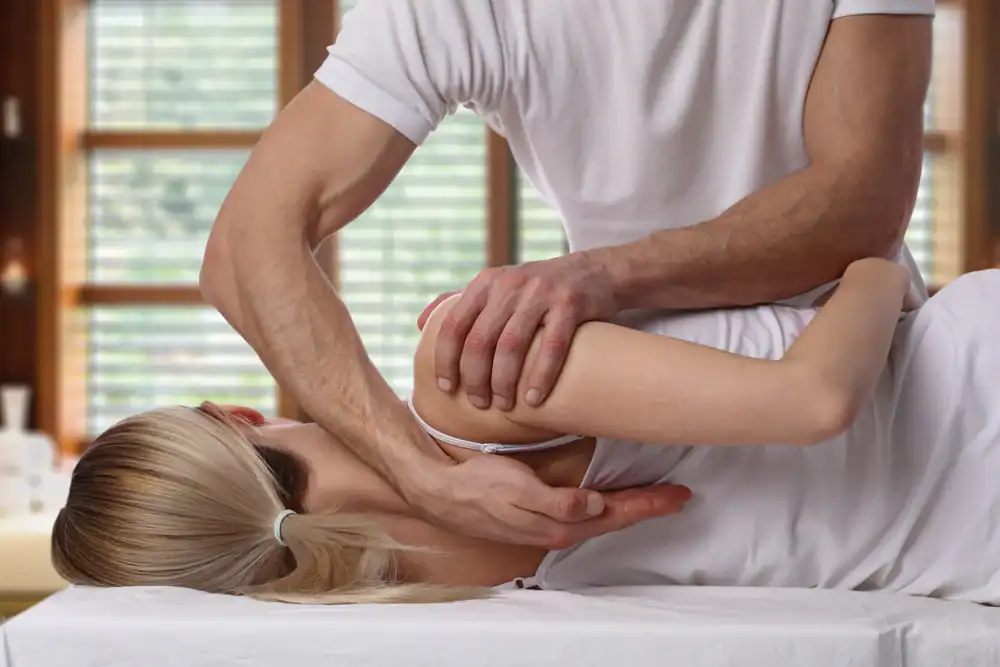
An adjustment realigns your vertebrae and restores movement to joints that aren’t moving properly. It’s quick, targeted, and often involves that popping sound people associate with chiropractic care.
Spinal traction is a longer, gentler process. It uses mechanical force to create space between your vertebrae over the course of 20 to 30 minutes. The goal isn’t to pop anything back into place—it’s to decompress your discs and relieve pressure on nerves.
Think of an adjustment as resetting alignment, and traction as creating room for healing. They work well together, which is why we often combine them depending on what your spine needs.
Spinal traction shouldn’t hurt. You’ll feel a stretching sensation, but it’s controlled and gradual. Most people find it comfortable enough to relax during the session.
Afterward, you might feel a little sore—similar to how your muscles feel after a good stretch or light workout. That usually fades within a few hours. Some people feel immediate relief. Others notice the difference building over several sessions.
There’s no downtime. You can go back to work, drive yourself home, and continue your day as normal. We’re not putting you out of commission—we’re helping you get back to full function.
It depends on what’s wrong and how long it’s been wrong. Acute issues—something that flared up recently—often respond faster than chronic problems you’ve been dealing with for years.
Most treatment plans run between 15 and 28 sessions over 5 to 7 weeks. You’ll likely notice some improvement within the first week or two, but real, lasting change takes consistency.
Dr. Roses doesn’t lock you into a rigid plan. He evaluates your progress as you go and adjusts based on how your body is responding. If you’re improving faster than expected, great. If something isn’t working, he changes the approach.
Yes, if the sciatica is caused by a herniated or bulging disc pressing on your sciatic nerve. Lumbar traction for sciatica in St. Pete, NJ is specifically designed to pull that disc material away from the nerve and reduce inflammation in the area.
Sciatica that’s been lingering for months usually means the disc hasn’t had a chance to heal because the pressure never lets up. Traction creates the space and conditions your body needs to actually repair the problem instead of just coping with it.
That said, not all sciatica comes from disc issues. If it’s caused by something else—like piriformis syndrome or spinal stenosis—the treatment approach might be different. That’s why the initial evaluation matters. We need to know what’s causing your pain before we can fix it.
Many insurance plans cover spinal decompression therapy, but coverage varies depending on your provider and plan. Some cover it fully, others cover a portion, and some don’t cover it at all.
The best move is to call our office and bring your insurance information. We’ll verify your benefits and let you know what you’re looking at cost-wise before you commit to anything.
If insurance doesn’t cover it or if you don’t have coverage, we’ll talk through payment options. The goal is to make treatment accessible, not to surprise you with bills you weren’t expecting.
If spinal traction isn’t giving you the relief you need, Dr. Roses will reassess and adjust the plan. Sometimes that means combining traction with other treatments like massage therapy, rehabilitative exercises, or adjustments. Sometimes it means trying a different approach altogether.
The point isn’t to keep doing the same thing if it’s not working. The point is to figure out what your body needs and deliver that.
In rare cases, if conservative care isn’t enough, we’ll refer you to a specialist who can explore other options. But that’s not the first move—it’s the last one, after we’ve exhausted what non-surgical treatment can do for you.