
Hear from Our Customers

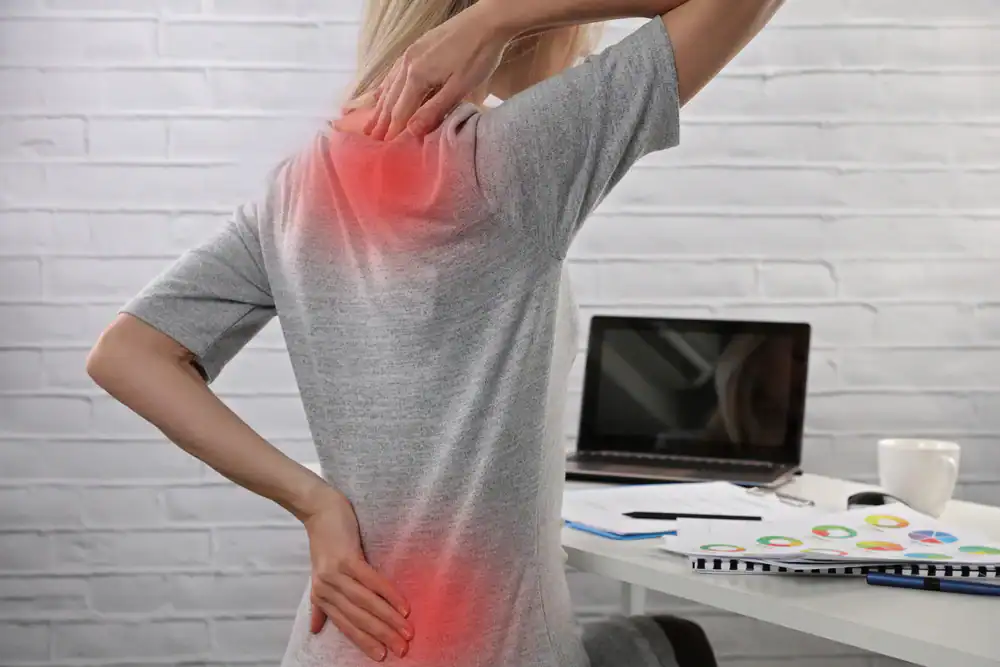
You stop planning your day around how much your back or neck can handle. You sleep through the night without waking up stiff or throbbing. You bend down to pick something up without that sharp jolt reminding you something’s wrong.
Non-surgical spinal decompression therapy in Sparrow Hill, NJ works by gently stretching your spine to create negative pressure inside the discs. That pressure shift allows herniated or bulging material to pull back, takes stress off pinched nerves, and lets oxygen and nutrients flow back into damaged areas. It’s mechanical, it’s measurable, and it works without cutting or numbing anything.
Most people feel some relief during their first session. Not because we’re overselling it—because the treatment addresses the actual source of the pain, not just the symptoms. You’re not masking anything. You’re giving your body the space it needs to heal.
Dr. Paul Roses has been serving Hudson County for over four decades. He’s not new to this, and he’s not experimenting on you. He graduated from Life Chiropractic College in 1981 and has built Roses Chiropractic on one simple idea: your body can heal itself when you remove what’s blocking it.
We use advanced spinal traction technology that wasn’t available even ten years ago. But the approach stays the same—listen first, assess thoroughly, treat precisely. We’re not rushing you through a conveyor belt of appointments. We’re figuring out what’s actually wrong and addressing it at the root.
Sparrow Hill families trust us because we don’t overcomplicate things. You get a clear explanation, a real plan, and treatment that’s covered by most insurance. No runaround.
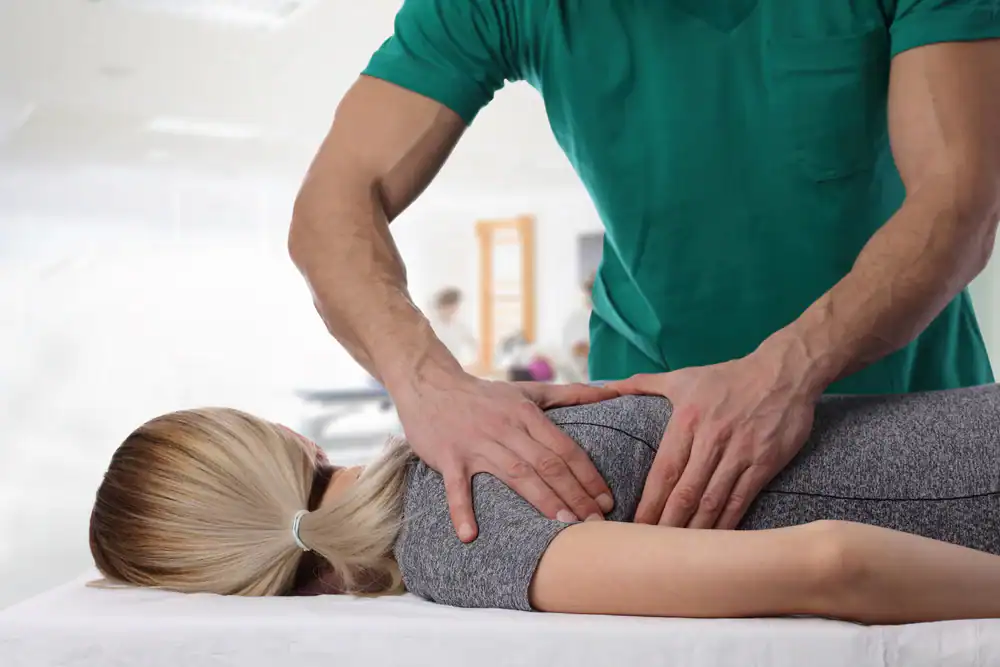
First, we assess. That means a consultation where we actually listen, plus imaging if needed—usually a quick infrared scan or X-rays if your case calls for it. We’re not guessing. We’re identifying exactly where the problem is and what’s causing it.
Then we map out your treatment plan. Most people need somewhere between 12 and 20 sessions over four to six weeks. Sessions last about 30 to 45 minutes, and a lot of patients say it’s the most relaxed they’ve felt in months. Some even fall asleep on the table.
During the session, you’re positioned on a specialized traction table that applies controlled, gentle pulling force to your spine. It’s not painful—it’s the opposite. The stretch creates space between your vertebrae, reduces pressure on the discs and nerves, and promotes blood flow to areas that have been starved of circulation. That’s where healing starts.
Between sessions, we’ll give you specific exercises to do at home. They’re designed for your exact issue, and they make a big difference in how fast you improve and how well the results hold.

Ready to get started?
Lumbar traction for sciatica in Sparrow Hill, NJ targets the lower back and legs—the areas where that shooting, burning pain tends to show up. Sciatica happens when the sciatic nerve gets compressed, usually by a herniated disc or bone spur. Traction relieves that compression.
Cervical traction for neck pain in Sparrow Hill, NJ works the same way, but for your upper spine. If you’ve got tingling in your arms, headaches that start at the base of your skull, or pain that gets worse when you look down at your phone, this is built for that.
Hudson County has a lot of people in physically demanding jobs—construction, healthcare, logistics. If you’re lifting, bending, or sitting in one position all day, your spine takes a beating. That’s why we see so many cases of chronic lower back pain and disc issues here. Mechanical spinal traction benefits in Sparrow Hill, NJ aren’t theoretical. They’re practical, repeatable, and backed by decades of clinical use.
You’re also getting a drug-free option. No prescriptions. No side effects. No dependency. Just a treatment that works with your body’s natural ability to heal itself when you give it the right conditions.
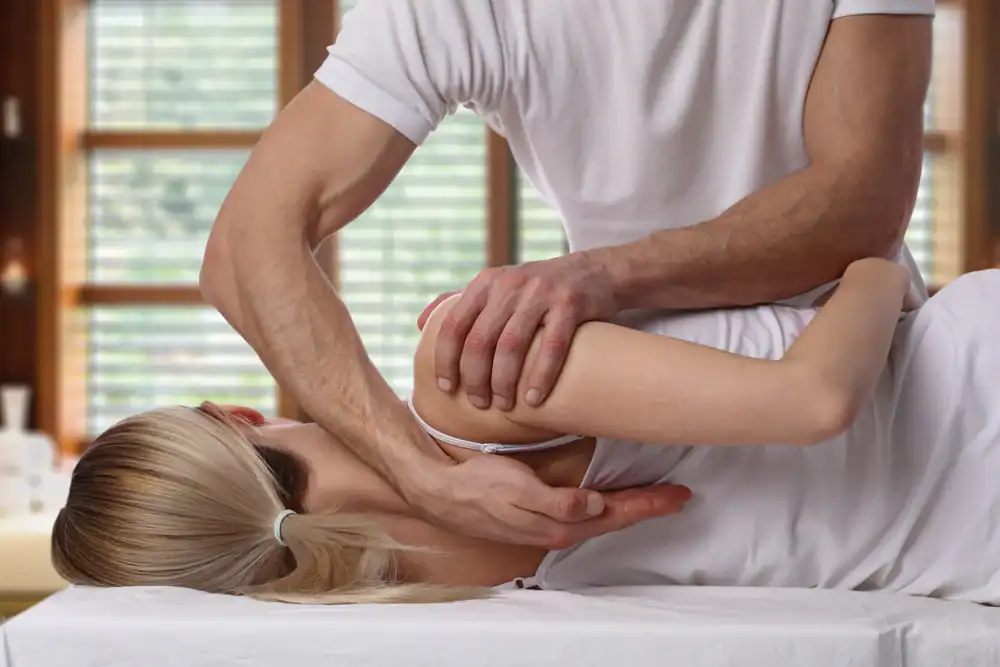
Most people notice some improvement during or right after their first session. That’s not a sales pitch—it’s what happens when you decompress a nerve that’s been under pressure for weeks or months.
That said, real, lasting relief takes consistency. You’re not fixing years of damage in one visit. The typical treatment plan runs 12 to 20 sessions over a month to six weeks, and that’s where you see the bigger shifts—less pain, better mobility, fewer flare-ups.
Some people feel dramatic changes in the first week. Others take a little longer, especially if there’s significant disc damage or muscle guarding. Either way, we track your progress and adjust as needed. You’re not locked into a one-size-fits-all protocol.
No. They’re different tools, and they do different things. A chiropractic adjustment realigns the vertebrae and restores joint movement. Spinal traction stretches the spine to create space, reduce disc pressure, and pull herniated material back into place.
We use both, depending on what your body needs. Sometimes traction sets the stage for a more effective adjustment. Other times, it’s the primary treatment. It’s not about picking one or the other—it’s about using what works for your specific condition.
If you’ve got a bulging disc or nerve compression, traction is usually the better starting point. If it’s more about joint dysfunction or muscle tension, adjustments might take the lead. We’ll explain exactly what we’re doing and why before we do it.
Most insurance plans that include chiropractic benefits will cover spinal traction or decompression therapy. We accept most major carriers, and our staff will check your coverage before you start treatment so there are no surprises.
If your plan has a copay or deductible, we’ll let you know upfront what that looks like. We’re not interested in billing games or hidden fees. You’ll know what you’re paying—or not paying—before your first session.
Even if you’re paying out of pocket, this is still one of the most cost-effective options for treating chronic back or neck pain. Compare it to surgery, ongoing prescriptions, or months of physical therapy that only addresses symptoms, and the math makes sense pretty quickly.
Herniated or bulging discs are at the top of the list. Traction is one of the few non-surgical treatments that can actually reposition disc material and take pressure off the nerve root. That’s why it works so well for sciatica and radiating leg pain.
Degenerative disc disease, pinched nerves, chronic lower back pain, and neck pain from poor posture or injury also respond really well. If you’ve been told you need surgery but want to try something less invasive first, this is worth exploring.
We also see great results with people who’ve tried physical therapy or medications and didn’t get anywhere. Traction addresses the mechanical problem, not just the inflammation or muscle tightness around it. That’s the difference between temporary relief and actually fixing what’s broken.
It shouldn’t be. If it is, something’s wrong and we adjust immediately. The whole point of traction is controlled, gentle decompression—not force or discomfort.
Most people describe it as a relieving stretch. You’re lying on a padded table, secured with a harness system, and the machine applies slow, steady pulling pressure. It’s rhythmic, and a lot of patients say it feels like the first time in months their spine isn’t being compressed.
Some people feel a little sore afterward, similar to how you might feel after a good workout. That’s normal—it means we’re working on areas that haven’t moved properly in a while. But sharp pain, shooting sensations, or anything that feels off? That’s not normal, and we stop and reassess.
You need to come in. The equipment we use applies precise, computer-controlled force that you can’t replicate with a home device or inversion table. Those tools might feel good temporarily, but they don’t create the negative intradiscal pressure needed to actually decompress a herniated disc.
At-home traction devices also can’t adjust in real time based on how your body’s responding. Our system monitors resistance, adjusts angles, and targets specific spinal segments. That’s what makes it effective—and safe.
That said, we do give you exercises to do between sessions. Those aren’t traction, but they support the work we’re doing in the office. They help retrain your muscles, improve your posture, and keep the progress moving forward. Think of in-office traction as the heavy lifting, and home exercises as the maintenance.