
Hear from Our Customers

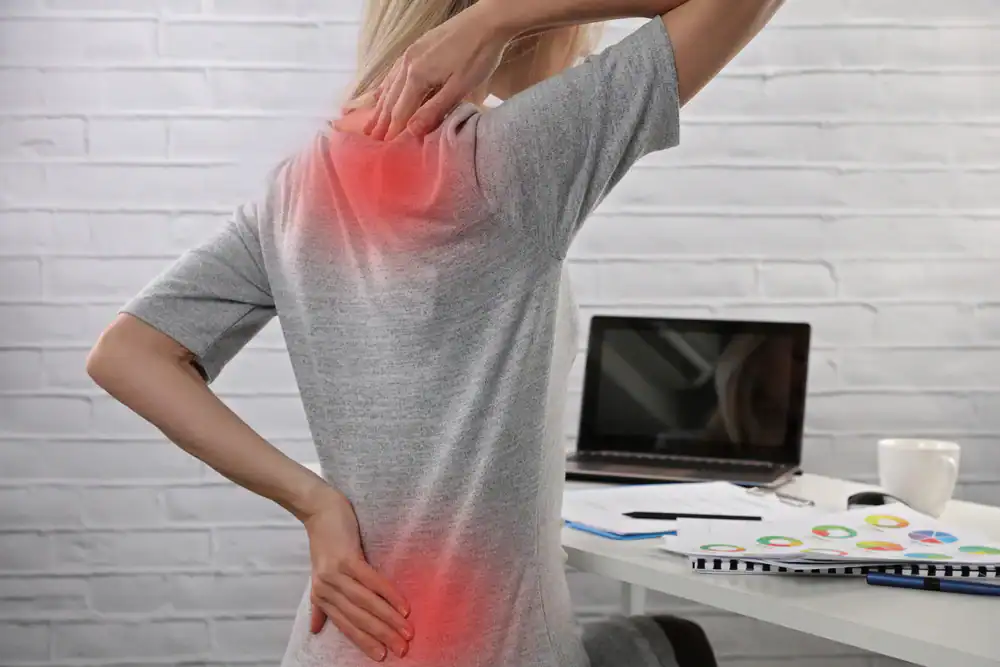
You’re not looking for temporary relief. You want to sleep through the night, stand without wincing, and get back to the things you’ve been avoiding because your back or neck won’t let you.
Spinal traction in Reservoir, NJ works by gently stretching the spine to reduce pressure on compressed discs and pinched nerves. When that pressure lifts, your body can actually heal. Nutrients and oxygen flow back into damaged discs. Inflammation drops. Pain eases.
Most people notice the difference within the first few sessions. You’ll move with less hesitation. Sitting at your desk or standing in line won’t feel like punishment anymore. And you’ll do it all without surgery, injections, or taking time off work to recover.
This isn’t about masking symptoms. It’s about creating the conditions your spine needs to repair itself so you can get back to normal life.
Dr. Paul Roses has been treating patients in this area since 1984. That’s over 30 years of helping people in Reservoir, Bayonne, and throughout Hudson County avoid surgery and find real relief from chronic pain.
He’s not new to this. He earned his Doctor of Chiropractic degree from Life Chiropractic College in 1981 and has built a practice on results, not hype. Patients rate him 5 out of 5 for bedside manner because he listens, explains what’s happening, and doesn’t waste your time.
We hold an A+ rating with the Better Business Bureau. You’re not walking into a revolving door of upsells and gimmicks. You’re working with someone who’s seen thousands of cases like yours and knows what actually works.
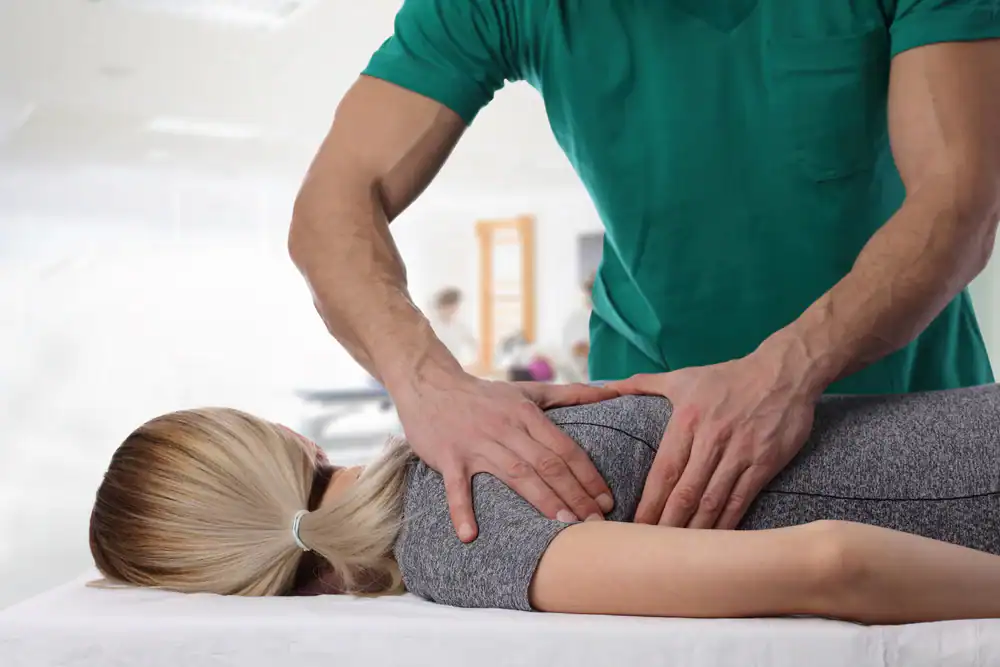
You’ll start with an evaluation. Dr. Roses will review your history, assess your pain, and determine whether spinal traction is the right fit for your condition. Not everyone needs it, and he’ll tell you straight if something else makes more sense.
If you move forward, you’ll lie on a specialized table that applies controlled, gentle traction to your spine. This creates negative pressure inside the disc, which pulls herniated or bulging material back into place and allows healing nutrients to flow in. Each session lasts about 20 to 30 minutes. Most people find it comfortable enough to relax or even fall asleep.
Treatment plans typically run 20 to 30 sessions over several weeks, usually three to five times per week. Research shows this is where the best results happen. You’re not locked into anything long-term, and there’s no recovery period. You walk in, get treated, and go about your day.
The goal is simple: reduce your pain, restore your mobility, and help your body heal so you don’t need ongoing intervention.

Ready to get started?
Spinal traction works for conditions where pressure on the spine is causing your pain. That includes herniated discs, bulging discs, sciatica, degenerative disc disease, spinal stenosis, and chronic neck or lower back pain.
If you’ve been dealing with shooting pain down your leg, that’s often sciatica caused by a compressed nerve in your lumbar spine. Lumbar traction for sciatica in Reservoir, NJ relieves that pressure so the nerve can calm down and the pain can fade. Same goes for cervical traction for neck pain in Reservoir, NJ—it targets the upper spine to relieve headaches, shoulder pain, and arm numbness caused by nerve compression.
In Hudson County, back pain is incredibly common. Nearly 40% of adults deal with it in any given three-month period. For people under 40, it’s the leading cause of missed work. That’s not just inconvenient—it’s life-altering.
What makes mechanical spinal traction benefits in Reservoir, NJ different from other treatments is the focus on decompression, not just stretching. Traditional traction might give short-term relief, but it doesn’t create the negative pressure needed for real disc healing. This does. Studies show success rates between 71% and 89%, with most patients experiencing significant pain reduction and improved mobility after six to eight weeks.
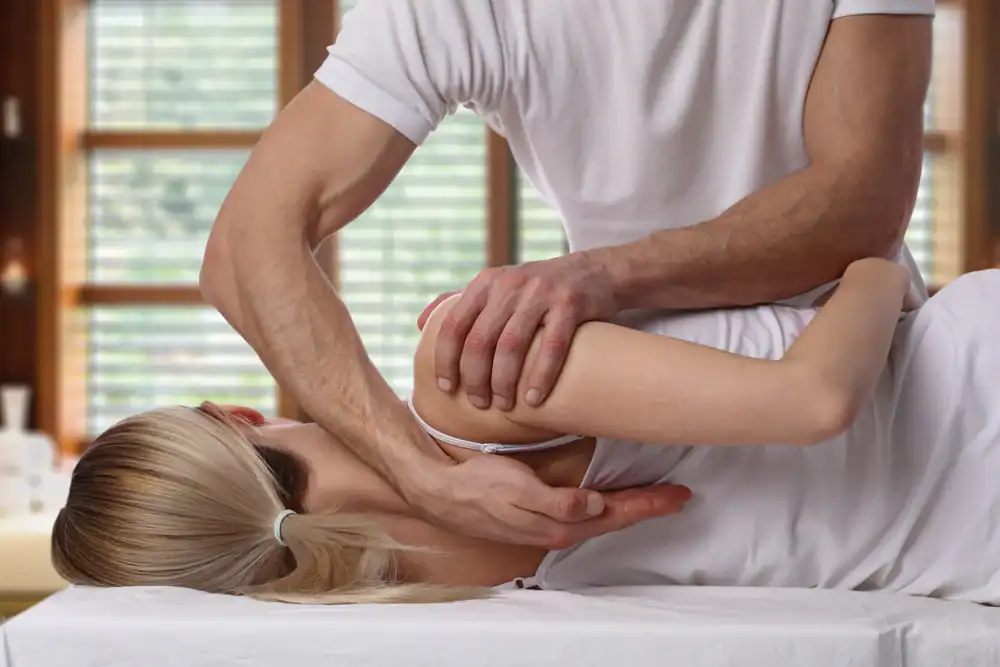
Most people start noticing a difference within the first few sessions, but real, lasting improvement typically shows up after 10 to 15 treatments. Pain might ease sooner, but the structural healing—the part that keeps you feeling better long-term—takes a bit longer.
Your body needs time to rehydrate the discs, reduce inflammation, and repair damaged tissue. That’s why treatment plans usually involve 20 to 30 sessions spread over several weeks. Rushing it doesn’t help. Consistency does.
If you’re not seeing any change after the first couple of weeks, that’s worth discussing. Dr. Roses will adjust the approach or explore other options if spinal traction isn’t delivering the results you need.
No. Most patients describe it as relaxing. You’re lying on a table while controlled traction gently stretches your spine. There’s no cracking, no sudden movements, and no pain involved in the process itself.
Some people feel a mild stretching sensation, but it’s not uncomfortable. In fact, many patients fall asleep during treatment because it’s so gentle. If anything ever feels off, you can stop the session immediately—you’re in control the entire time.
After your first few sessions, you might feel a little sore, similar to how your muscles feel after a good stretch. That’s normal and usually fades quickly. It’s not the kind of soreness that stops you from doing anything. You can go right back to work or your daily routine as soon as you’re done.
Surgery cuts into your body to remove or repair the damaged disc. Spinal traction uses mechanical decompression to relieve pressure and let your body heal the disc naturally. One is invasive, the other isn’t.
Surgery has a 10% to 20% failure rate and requires three to twelve months of recovery. You’re looking at time off work, physical therapy, and the risk of complications. Non-surgical spinal decompression therapy in Reservoir, NJ has success rates between 71% and 89%, no downtime, and costs a fraction of what surgery does—often less than a tenth.
That doesn’t mean surgery is never the right call. If your condition is severe or you’ve already tried conservative treatment without results, surgery might be necessary. But for most people dealing with herniated discs, bulging discs, or sciatica, spinal traction offers real relief without the risks or recovery time.
It depends on your plan. Some insurance policies cover spinal decompression therapy as part of chiropractic care, while others don’t. The best way to know for sure is to call your insurance provider and ask specifically about non-surgical spinal decompression or mechanical traction.
We can help you navigate that conversation. Our office will verify your benefits and let you know what’s covered before you start treatment. If insurance doesn’t cover it, you’ll get a clear breakdown of costs upfront so there are no surprises.
Even if you’re paying out of pocket, the cost is still significantly lower than surgery or ongoing pain management. You’re investing in a treatment that addresses the root cause, not just the symptoms, and that often saves money in the long run by reducing the need for medications, injections, or more invasive procedures down the line.
Yes, if your chronic lower back pain is caused by disc issues, nerve compression, or spinal stenosis. Spinal traction relieves the pressure that’s causing the pain, which gives your spine the chance to heal and your symptoms the chance to improve.
Around 44% of people with chronic lower back pain have been dealing with it for five years or longer. Many of them have tried medications, physical therapy, or injections without lasting relief. What makes spinal traction different is that it targets the structural problem—the compressed disc or pinched nerve—instead of just managing the pain.
That said, not all back pain responds to traction. If your pain is caused by muscle strain, arthritis, or something unrelated to disc compression, a different approach might work better. Dr. Roses will assess your specific situation during your evaluation and recommend the treatment that makes the most sense for your condition.
Most treatment plans involve 20 to 30 sessions, scheduled three to five times per week. That’s where research shows the best outcomes happen. You’re looking at roughly six to eight weeks of treatment, depending on how your body responds.
Some people feel significantly better after 15 sessions and choose to stop there. Others need the full course to get the relief they’re after. Dr. Roses will track your progress and adjust the plan as needed. If you’re improving quickly, there’s no reason to drag it out. If you need more time, that’s fine too.
The goal isn’t to keep you coming back indefinitely. It’s to get you to a place where your pain is manageable, your mobility is restored, and you can maintain that improvement on your own. Once you’re there, you’re done.