
Hear from Our Customers

You’ve probably tried the usual route. Pain meds that wear off. Physical therapy that helps for a week. Maybe your doctor mentioned surgery, and you’re not ready for that.
Non-surgical spinal decompression therapy in North Bergen works differently. We gently stretch your spine using computer-controlled traction, creating negative pressure between your vertebrae. That pressure shift lets herniated or bulging discs retract, takes stress off pinched nerves, and allows oxygen and nutrients back into the area so your body can actually heal.
Most people notice less radiating pain down their legs within the first few sessions. You start sleeping better. Bending doesn’t make you wince. The constant ache that’s been running your life starts to fade. Research shows patients experience significant improvement in pain, disability, and recovery—often without needing prescriptions or going under the knife.
Dr. Paul Roses has been practicing chiropractic in the Hudson County area since 1981. That’s over 40 years of treating herniated discs, sciatica, degenerative disc disease, and the kind of chronic pain that makes everyday tasks feel impossible.
He’s seen what works and what doesn’t. He’s treated patients from North Bergen, Union City, West New York, Cliffside Park, and surrounding communities who were told surgery was their only option. Many avoided it entirely through targeted spinal traction and decompression therapy.
We don’t push pills or rush you into procedures. You get a thorough evaluation, a clear explanation of what’s happening in your spine, and a treatment plan built around getting you back to normal life—not just managing symptoms.
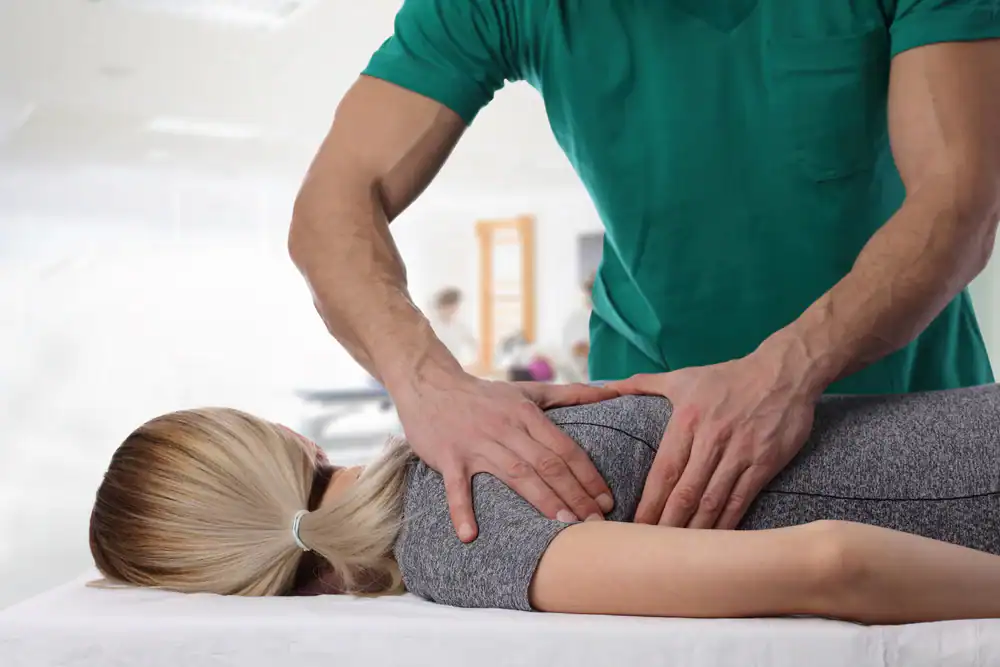
You stay fully clothed and lie on a computer-controlled table—either face-up or face-down depending on whether we’re treating your neck or lower back. A harness keeps you positioned correctly while the table applies gentle, controlled traction.
Dr. Roses programs the computer based on your specific condition. The machine gradually stretches your spine, creating space between compressed vertebrae. You’ll feel a pulling sensation, but it shouldn’t hurt. Most people find it relaxing.
Each session lasts 30 to 50 minutes. The treatment creates negative pressure inside your discs, which can help bulging material retract and reduce nerve compression. Blood flow increases. Inflammation starts to drop.
You’ll likely need multiple sessions over five to seven weeks. Some patients feel relief after just a few treatments. Others take longer. It depends on how severe your condition is and how long you’ve been dealing with it.

Ready to get started?
Lumbar traction for sciatica in North Bergen is one of the most common reasons people come in. That shooting pain down your leg, the numbness in your foot, the burning sensation that won’t quit—it’s usually a compressed nerve in your lower back. Decompression therapy targets that exact problem.
We also treat herniated discs, bulging discs, degenerative disc disease, pinched nerves, and chronic lower back pain that hasn’t responded to other treatments. Cervical traction for neck pain in North Bergen helps with similar issues in your upper spine—radiating arm pain, headaches, and stiffness that limits your range of motion.
Hudson County residents deal with a lot of sitting—commutes into Manhattan, desk jobs, traffic on the Turnpike. That constant compression wears on your spine. Mechanical spinal traction benefits people in North Bergen by reversing that daily damage, giving your discs room to heal instead of staying constantly squeezed.
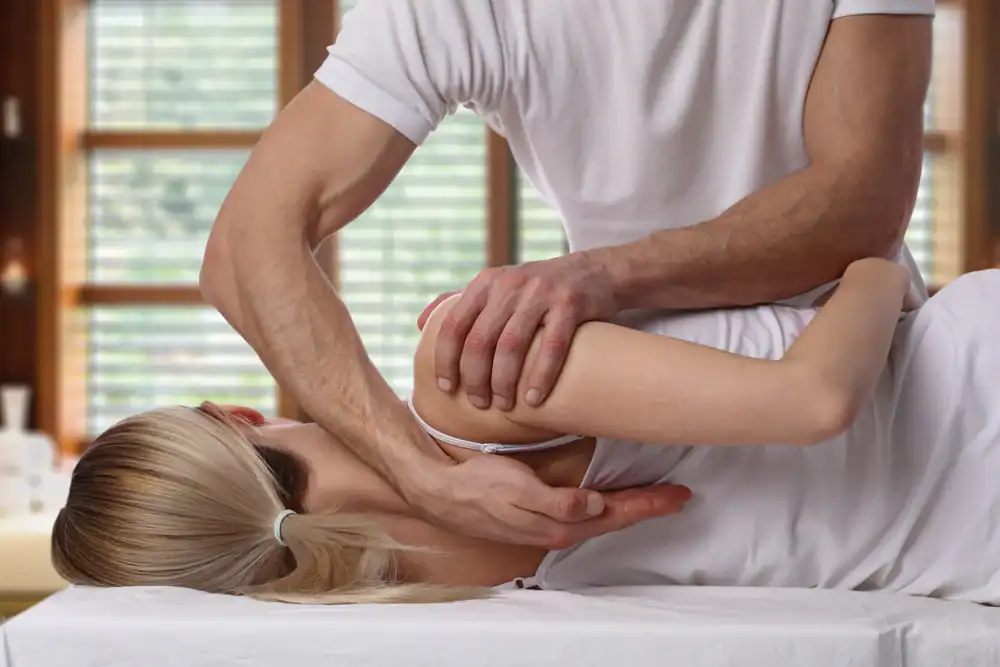
Adjustments realign your vertebrae and restore joint mobility. They’re quick, hands-on, and effective for many conditions.
Spinal traction is a longer, more gradual process. It uses sustained mechanical force to decompress your discs and relieve nerve pressure. Think of adjustments as resetting the alignment, and traction as creating the space your spine needs to heal from the inside.
Many patients benefit from both. Dr. Roses will recommend what makes sense for your specific condition. If you’ve got a herniated disc pressing on a nerve, traction might be the priority. If your spine is misaligned and causing muscle tension, adjustments could be the first step.
Most insurance policies include chiropractic benefits, and many cover spinal traction or decompression therapy. Coverage varies depending on your plan, your diagnosis, and how many sessions are considered medically necessary.
We’ll verify your benefits before you start treatment. You’ll know upfront what’s covered, what your copay looks like, and whether you’ll hit a deductible. No surprises.
If your plan doesn’t cover decompression, we’ll discuss payment options. The goal is to make treatment accessible, not to load you up with unexpected bills. Plenty of North Bergen patients have found that avoiding surgery—and the costs that come with it—makes decompression a smart financial move even if they pay out of pocket.
It depends on your condition. Some people notice less pain after three or four sessions. Others need a few weeks before the improvement really kicks in.
A typical treatment plan runs five to seven weeks with multiple sessions per week. Research shows that’s the window where most patients see significant reduction in pain and disability. If you’ve been dealing with chronic issues for years, your body needs time to respond.
Dr. Roses tracks your progress throughout. If you’re not improving at the pace we’d expect, he’ll adjust the treatment plan. The goal isn’t to keep you coming in forever—it’s to get you functional again and give you the tools to maintain that progress.
Spinal traction is one of the safest treatments available for disc-related pain. It’s non-invasive, doesn’t involve medication, and the computer-controlled system ensures precise, gradual force—nothing sudden or jarring.
That said, it’s not right for everyone. If you have severe osteoporosis, spinal fractures, certain types of tumors, or advanced joint disease, traction might not be appropriate. Dr. Roses will review your medical history and imaging before recommending treatment.
The most common side effect is mild soreness after your first few sessions, similar to what you’d feel after a workout. It usually fades within a day. Serious complications are extremely rare, especially compared to the risks of surgery or long-term painkiller use.
Yes. Physical therapy focuses on strengthening muscles, improving flexibility, and correcting movement patterns. Those things matter, but they don’t always address the underlying disc problem.
If your disc is herniated or bulging and pressing on a nerve, stretching and strengthening won’t relieve that pressure. You need decompression to create space and reduce the compression. That’s where spinal traction comes in.
Many North Bergen patients come to us after physical therapy didn’t give them the relief they expected. Traction targets the structural issue PT can’t fix. Once the nerve pressure drops and the pain decreases, the exercises and rehab work you did in PT often start making more sense—and delivering better results.
Dr. Roses will give you specific guidance based on your condition, but the basics are pretty consistent. Avoid activities that put heavy compression on your spine—long periods of sitting without breaks, heavy lifting with poor form, high-impact exercises that jar your back.
Staying active matters. Walking, swimming, and gentle stretching keep your spine mobile and your muscles engaged without overloading the discs. Strengthening your core gives your spine better support long-term.
Some patients benefit from periodic maintenance sessions, especially if their job or lifestyle puts constant stress on their back. Others do fine with just the initial treatment plan and smart daily habits. The goal is to keep you out of pain and off the treatment table—not to make you dependent on ongoing care.