
Hear from Our Customers
You’re not looking for temporary relief. You need your life back—the ability to sit through dinner without wincing, sleep through the night, or pick up your grandkid without that shooting pain down your leg.
Non-surgical spinal decompression therapy in Marion, NJ targets the actual problem: compressed nerves and bulging discs that create sciatica, radiating pain, and that constant ache you’ve learned to live with. Mechanical spinal traction benefits include gently separating vertebrae to reduce pressure, increase blood flow, and let damaged discs heal naturally.
Most people notice relief within the first few sessions. Not just “it hurts a little less”—actual functional improvement. You can stand longer. Bend without bracing yourself. Drive without adjusting every two minutes.
Studies show 71-89% of patients with herniated discs gain significant pain relief and mobility through spinal decompression. That’s not a miracle—it’s what happens when you address the root cause instead of masking symptoms with pills or injections that wear off.
Dr. Paul Roses has been practicing chiropractic care since 1981. That’s four decades of treating real people with real pain—not reading about it in textbooks, but actually helping Marion, NJ residents get back to work, back to their hobbies, back to living without constant discomfort.
He’s not interested in quick fixes that don’t last. The DTS (Decompression Traction System) technology we use at Roses Chiropractic represents the most advanced form of spinal traction available—combined with hands-on expertise that only comes from treating thousands of cases over 40+ years.
Marion’s aging population—18% of New Jersey residents are now over 65—means more people are dealing with degenerative disc disease, spinal stenosis, and chronic pain. Dr. Roses understands what you’re facing because he’s been treating these exact conditions in this community for decades. He even calls patients later in the day to check on their progress. That level of care is rare.
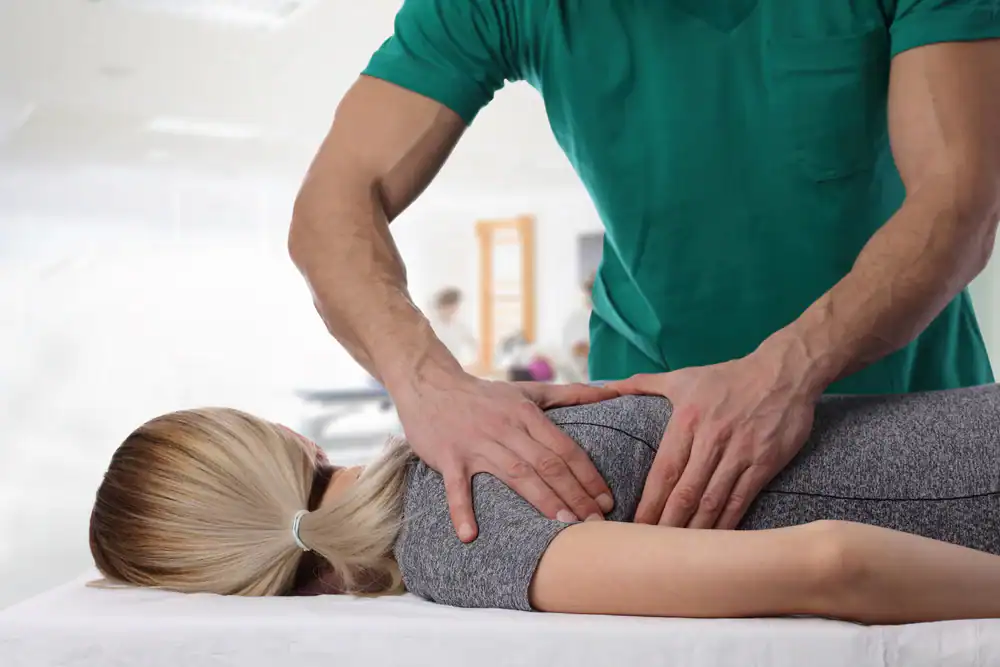
Your first visit starts with a real assessment. Dr. Roses reviews your health history, examines your current condition, and may use Titron Infrared Imaging or x-rays to see exactly what’s happening with your spine. No guessing.
Once he understands the problem, he develops your treatment plan. Lumbar traction for sciatica in Marion, NJ uses the DTS system to apply controlled, gentle decompression to your lower back. If you’re dealing with neck issues, cervical traction for neck pain in Marion, NJ works the same way—targeting compressed cervical discs that cause headaches, arm pain, and numbness.
During treatment, you lie comfortably while the machine applies precise traction. It’s not painful. Most people find it relaxing. Sessions typically last 20-30 minutes and may include complementary therapies like therapeutic ultrasound or electrical muscle stimulation to enhance healing.
You’ll likely need multiple sessions—usually 15-20 over several weeks. That might sound like a lot until you compare it to 3-12 months recovering from surgery. You can return to normal activities immediately after each session. No downtime. No restrictions.
Ready to get started?
Spinal traction in Marion, NJ effectively treats herniated discs, bulging discs, degenerative disc disease, sciatica, spinal stenosis, and radiating nerve pain. If you’ve been told you need surgery—or that nothing else can help—you need to know that up to 88% of patients who failed other approaches find satisfactory pain relief through spinal decompression.
Here’s what matters for Marion residents: 40% of people over 40 have degenerative spinal discs. By age 80, that number jumps to 80%. You’re not alone in this, and you’re not imagining the pain. It’s real, it’s common, and it’s treatable without going under the knife.
The mechanical spinal traction benefits include creating negative pressure within discs, which pulls herniated material back into place and promotes healing through increased nutrient flow. This isn’t just pain management—it’s actual correction of the underlying problem.
Insurance typically covers treatment, and payment plans are available. Compare that to the $50,000 average cost of spinal surgery, plus the risk of infection, the 10-20% failure rate, and months of recovery. Non-surgical spinal decompression therapy in Marion, NJ gives you comparable results (71-89% success rate vs. 70-80% for surgery) without the risks.
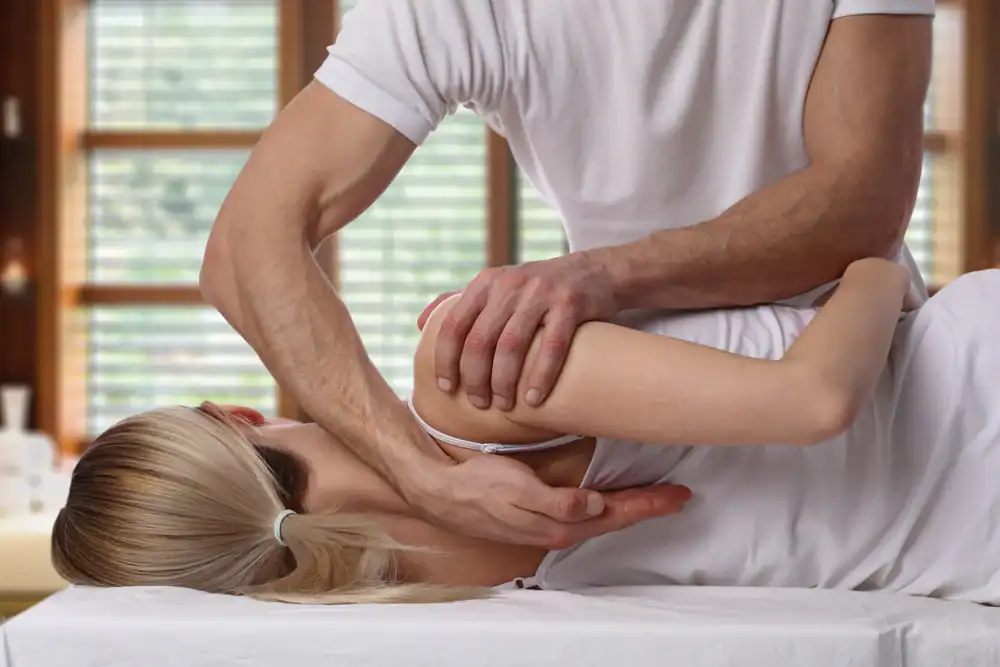
Spinal traction uses mechanical decompression to create space between vertebrae over an extended period—usually 20-30 minutes per session. A chiropractic adjustment is a quick, targeted manipulation that realigns joints and restores mobility.
Think of it this way: adjustments fix alignment problems and restricted movement. Spinal traction addresses disc compression and nerve pressure. They work together, but they’re solving different problems.
At Roses Chiropractic in Marion, NJ, Dr. Roses combines both approaches when appropriate. The DTS spinal traction system decompresses your spine while other therapies—like therapeutic ultrasound or electrical stimulation—support healing. You’re not getting one-size-fits-all treatment. You’re getting what your specific condition actually needs.
Most people notice improvement within 3-6 sessions, but complete treatment usually requires 15-20 sessions over 4-6 weeks. Your specific timeline depends on how severe your condition is, how long you’ve had it, and how your body responds.
Chronic conditions that have been building for years don’t disappear overnight. But here’s the difference: you can continue your normal activities between sessions. No bed rest. No months of recovery. You’re actively healing while living your life.
Dr. Roses monitors your progress throughout treatment and adjusts the plan as needed. Some patients need fewer sessions. Others with more severe degeneration may need additional treatment. The goal isn’t to hit some arbitrary number—it’s to get you out of pain and keep you there.
No. Most patients find spinal traction comfortable, even relaxing. The DTS system applies gentle, controlled decompression—nothing sudden or jarring. You’re lying down, fully supported, while the machine does the work.
You might feel a slight stretching sensation as the traction pulls, but it shouldn’t hurt. If you experience discomfort, the settings can be adjusted immediately. The entire process is controlled and monitored to stay within your comfort zone.
After treatment, some people experience mild soreness—similar to what you might feel after a good workout. That’s normal and typically fades within a day. It’s not the sharp, shooting pain you came in with. It’s your body adjusting as pressure releases and healing begins.
Most insurance companies cover spinal decompression therapy when it’s medically necessary. Coverage varies by plan, so you’ll need to verify your specific benefits. We can help you understand what your insurance will cover before you start treatment.
Even if you have high deductibles or limited coverage, payment plans are available. The cost of spinal traction sessions is a fraction of what you’d pay for surgery—and you avoid the additional costs of hospital stays, anesthesia, and months of physical therapy afterward.
Here’s the reality: untreated chronic pain costs you in lost work, reduced quality of life, and ongoing medication expenses. Investing in treatment that actually addresses the problem makes financial sense, even if you’re paying out of pocket. Our office works with you to make treatment accessible.
Lumbar traction works exceptionally well for sciatica caused by herniated discs, bulging discs, or spinal stenosis—conditions where nerve compression creates that shooting pain down your leg. About 90% of sciatica cases find relief without surgery, and spinal decompression is one of the most effective non-surgical options.
You’re a good candidate if you have radiating leg pain, numbness, tingling, or weakness that stems from lower back nerve compression. The traction creates negative pressure that pulls herniated disc material away from the nerve, reducing inflammation and allowing natural healing.
Sciatica affects about 40% of American adults at some point, and it’s one of the leading causes of lower back pain. If you’re dealing with pain that makes sitting unbearable, disrupts your sleep, or limits your ability to work, lumbar traction in Marion, NJ offers real relief. Dr. Roses has treated thousands of sciatica cases over 40+ years—he knows what works.
Yes. Cervical traction in Marion, NJ treats compressed nerves in your neck that cause headaches, shoulder pain, arm numbness, and tingling in your hands. When cervical discs herniate or degenerate, they put pressure on nerves that run from your neck down through your arms.
Cervical spinal traction gently separates the vertebrae in your neck, reducing that pressure and allowing discs to rehydrate and heal. Many patients find their headaches decrease or disappear entirely as nerve compression resolves. Arm pain and numbness improve as normal nerve function returns.
The treatment is especially effective for people who spend long hours at computers, have experienced whiplash injuries, or are dealing with age-related cervical degeneration. Dr. Roses uses precise, controlled traction tailored to your specific condition—not a generic protocol. That’s how you get results that actually last.