
Hear from Our Customers

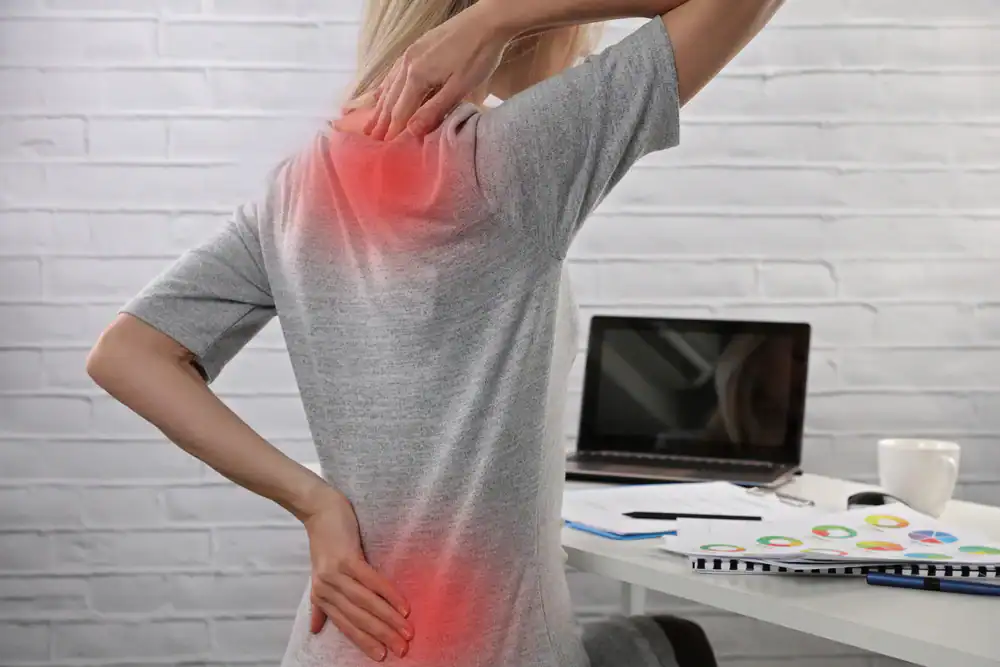
You’re not looking for another temporary fix. You’ve already tried rest, painkillers, maybe even physical therapy. What you need is something that addresses why your back hurts in the first place—not just what hurts.
Spinal traction in Kearny, NJ works by gently stretching your spine to relieve pressure on compressed discs and nerves. That pressure is what’s causing your pain, numbness, or shooting sensations down your legs. When we reduce that pressure, your discs can rehydrate, heal, and stop pinching the nerves that make every movement miserable.
Most people notice less pain within the first few sessions. Over time, you’ll find yourself bending, lifting, and moving without that constant fear of triggering another flare-up. You’re not just managing symptoms—you’re giving your body the space it needs to repair itself.
This isn’t about masking pain. It’s about creating the conditions for real recovery so you can get back to the things you’ve been avoiding.
Dr. Paul Roses has been practicing in Hudson County for over 30 years. He’s treated construction workers with herniated discs, office employees with chronic neck pain, and parents who just want to pick up their kids without wincing.
After September 11, 2001, Dr. Roses provided on-site chiropractic care for the firefighters and police officers who worked at Ground Zero. That’s the kind of community commitment that doesn’t show up in a Google review—but it’s exactly why families in Kearny, Bayonne, Harrison, and North Bergen keep coming back.
You’re not walking into a corporate clinic. You’re working with someone who’s been part of this community longer than most people have lived here—and who genuinely cares whether you get better.
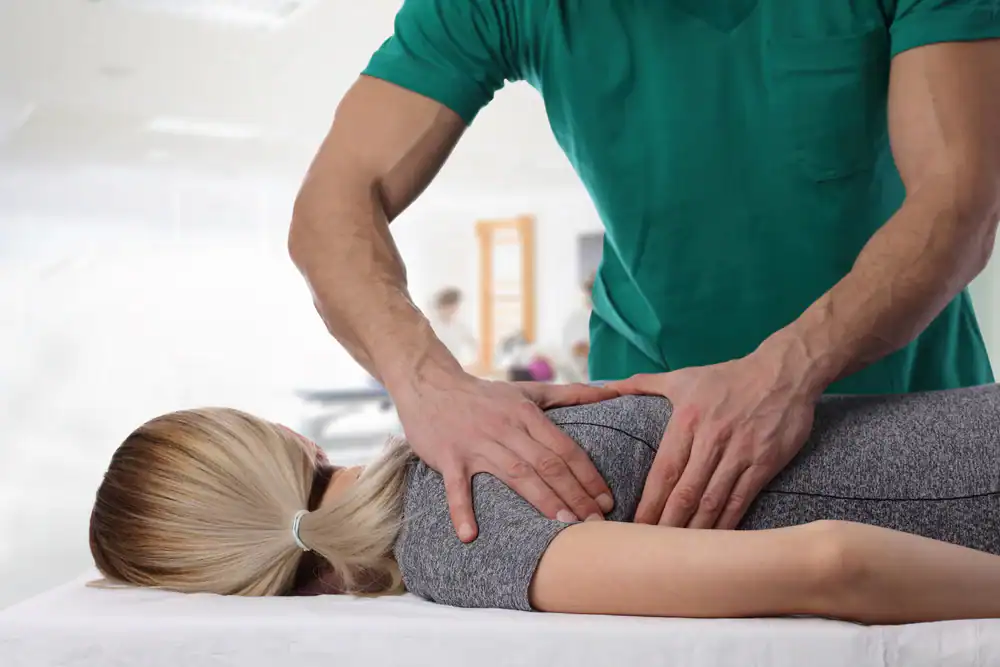
Your first visit starts with a conversation. We need to understand what’s going on—how long you’ve been in pain, what makes it worse, and what you’ve already tried. Then we’ll do a physical exam and review any imaging you’ve had done.
If spinal traction is right for you, we’ll explain exactly how it works. You’ll lie on a computerized decompression table that’s designed to apply controlled, gentle traction to your spine. The system adjusts hundreds of times per second based on how your muscles respond, so there’s no jarring or discomfort.
Each session lasts about 20 to 30 minutes. Most treatment plans involve multiple sessions over several weeks—because real healing takes time. You’re not getting a quick adjustment and sent on your way. You’re getting a structured plan designed to reduce pressure, promote disc healing, and give you lasting relief.
Between sessions, we’ll talk about what you’re noticing, what’s improving, and whether we need to adjust the approach. This isn’t a one-size-fits-all process.

Ready to get started?
Spinal traction in Kearny, NJ is especially effective for herniated or bulging discs, sciatica, degenerative disc disease, and spinal stenosis. If you’ve been told surgery is your only option, this is worth exploring first.
Hudson County has a high concentration of workers in construction, warehousing, and manual labor—industries where back injuries are common. We also see a lot of office workers dealing with chronic neck pain from years of poor posture and repetitive stress. Both groups respond well to non-surgical spinal decompression therapy when it’s done correctly.
Lumbar traction for sciatica is one of the most requested treatments we offer. Sciatica isn’t just back pain—it’s that sharp, burning sensation that shoots down your leg and makes it hard to stand, sit, or sleep. Research shows that up to 80% of sciatica patients experience significant relief from spinal decompression, and many avoid surgery entirely.
Cervical traction for neck pain works the same way, but targets the upper spine. If you’re dealing with headaches, shoulder pain, or numbness in your arms, the problem might be a compressed nerve in your neck. Traction creates space, reduces inflammation, and lets your body heal without drugs or invasive procedures.
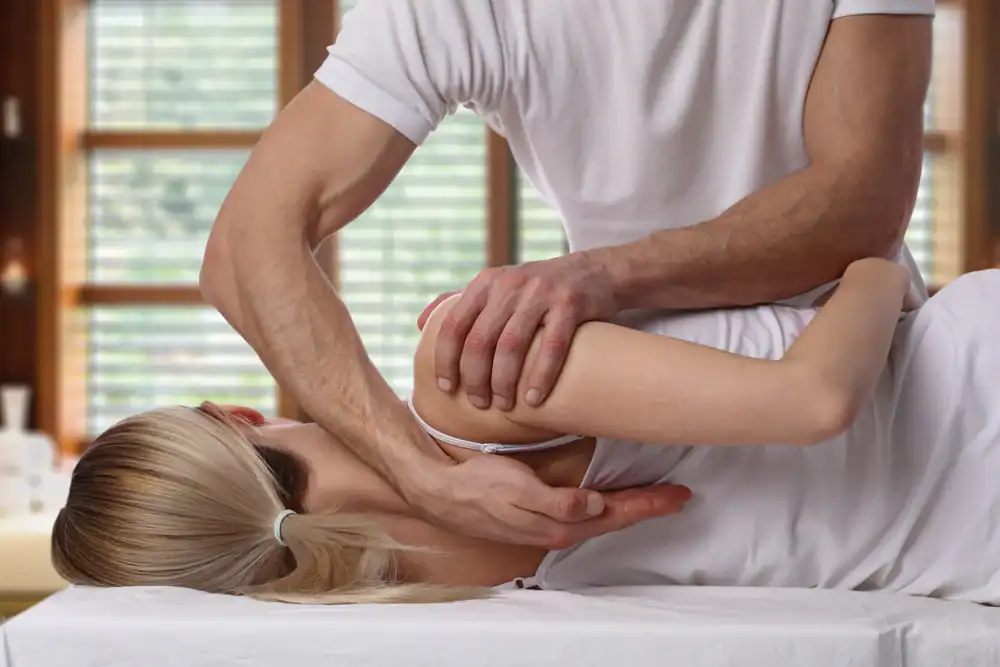
Chiropractic adjustments realign your spine and restore joint mobility. Spinal traction goes a step further by creating negative pressure inside your discs, which helps them rehydrate and heal over time.
Think of it this way: an adjustment fixes the alignment. Traction fixes the disc itself. For conditions like herniated discs or sciatica, you often need both to get lasting results.
We use computerized decompression tables that can isolate specific discs and apply the exact amount of force needed. That’s something manual traction can’t do as precisely. The system monitors your body’s response in real time and adjusts automatically to prevent muscle guarding, which is what makes traditional traction uncomfortable for a lot of people.
Most people notice some improvement within the first 3 to 5 sessions. But real, lasting relief usually takes 15 to 20 sessions spread over several weeks.
Your body didn’t get hurt overnight, and it won’t heal overnight either. Disc injuries take time to recover because discs don’t have a strong blood supply. Traction helps by creating the right environment for healing—but that process is gradual.
We’ll check in with you regularly to track your progress. If you’re not improving at the rate we’d expect, we’ll adjust the treatment plan. Some people need more sessions, some need fewer. It depends on the severity of your condition, how long you’ve been dealing with it, and how well your body responds to treatment.
No, it shouldn’t hurt. Most people describe it as a gentle pulling sensation—like someone’s slowly stretching your spine. Some even fall asleep during treatment because it’s that relaxing.
The table is designed to prevent the muscle spasms that make traditional traction uncomfortable. It applies force gradually and adjusts based on your body’s feedback, so there’s no sudden jerking or sharp movements.
You might feel a little sore after your first session or two, similar to how you’d feel after a good workout. That’s normal. Your body is adjusting to the treatment and starting to heal. If you ever feel actual pain during a session, let us know immediately so we can adjust the settings.
It depends on your plan. Some insurance companies cover spinal decompression under chiropractic care, while others don’t. We’ll verify your benefits before you start treatment so there are no surprises.
If your insurance doesn’t cover it, we’ll talk about payment options. A lot of people find that paying out of pocket for decompression is still cheaper than surgery, time off work, or years of medication.
What matters most is whether this treatment can help you avoid surgery or long-term pain management. If it can, the cost is usually worth it. We’re upfront about pricing and we’ll work with you to make it manageable.
Sometimes, yes. It depends on what type of surgery you had and whether you’re still experiencing pain afterward. A lot of people come to us after surgery didn’t give them the relief they expected.
Studies show that up to 70% of people who have spinal surgery end up needing repeat procedures or continue dealing with chronic pain. That’s called failed back surgery syndrome, and it’s more common than most people realize.
Spinal traction can help if your pain is caused by scar tissue, adjacent disc degeneration, or ongoing nerve compression. We’ll review your surgical records and imaging to determine if you’re a good candidate. If we don’t think traction will help, we’ll tell you that too. There’s no point in wasting your time or money on something that won’t work.
Stay active, but don’t overdo it. Light walking is great because it promotes circulation without putting too much stress on your spine. Avoid heavy lifting, twisting, or any movement that aggravates your pain.
Hydration matters more than most people think. Your discs need water to stay healthy, and decompression works better when your body is well-hydrated. Aim for at least eight glasses a day.
We might also recommend specific stretches or exercises to support your treatment. These aren’t complicated—just simple movements that help maintain the progress you’re making. The goal is to keep your spine mobile and strong so the results last long after your sessions are done.