
Hear from Our Customers

When a disc is compressed, it can’t heal. Blood flow drops. Nutrients can’t get in. The pain spreads down your leg, up your neck, or straight through your lower back.
Spinal traction in Journal Square, NJ works by gently creating space between your vertebrae. That space lets oxygen, water, and nutrients flow back into the disc. It reduces the bulge pressing on your nerve. And it gives your body what it needs to actually repair itself.
Most people notice less pain within the first few sessions. You might sleep better. Sitting at your desk doesn’t feel like punishment anymore. You can bend down without bracing yourself first. The goal isn’t just to mask symptoms—it’s to help you move like you used to.
Dr. Paul Roses has been practicing chiropractic in this area since 1981. That’s over 40 years of working with people dealing with herniated discs, sciatica, degenerative disc disease, and chronic neck pain.
Journal Square residents know how demanding life can be here. You’re commuting through the PATH station, managing work stress, raising families in a fast-paced environment. Back pain doesn’t wait for a convenient time. We built this practice around one idea: your body can heal itself when you remove what’s blocking it.
You won’t get pressured into long-term contracts or unnecessary add-ons. You’ll get a clear assessment, a straightforward explanation of what’s happening, and a plan that makes sense for your schedule and your goals.
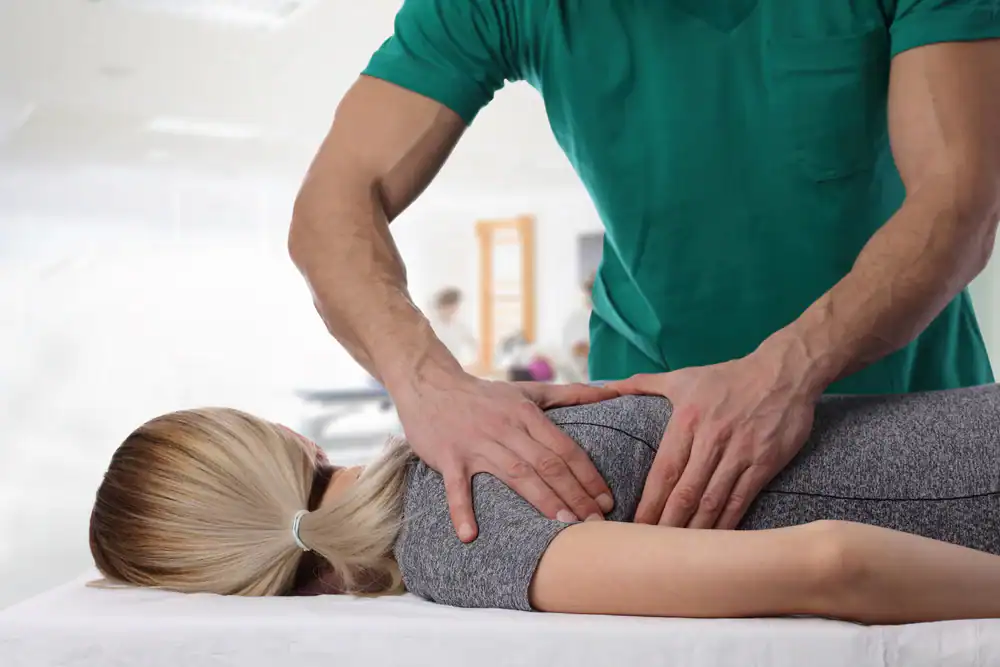
Your first visit starts with a consultation and exam. Dr. Roses will review your history, ask about your pain patterns, and may use infrared imaging or X-rays if needed. This isn’t about rushing you onto a table—it’s about understanding what’s actually wrong.
Once you start treatment, you’ll lie comfortably on a specialized decompression table. The system uses computer-controlled cycles to gently pull and release tension on your spine. This isn’t the old-school traction you might remember—it’s designed to bypass your body’s natural resistance so the discs can actually decompress.
Each session typically lasts 20 to 30 minutes. Most treatment plans involve multiple sessions over several weeks, depending on your condition. You’re not just lying there hoping it works—the mechanical spinal traction benefits in Journal Square, NJ are measurable. Less pain. Better range of motion. Real improvement you can feel in your daily routine.
Ready to get started?
Spinal traction works especially well for herniated or bulging discs, sciatica, pinched nerves, degenerative disc disease, and spinal stenosis. If you’ve been told surgery is your only option, this is worth exploring first.
In Journal Square, NJ, where the median age is 34 and a large portion of the population works demanding jobs, back pain often shows up in your 30s and 40s. You’re too young to just accept it. Lumbar traction for sciatica in Journal Square, NJ helps when that shooting pain down your leg makes it hard to stand, walk, or even sit through a meeting.
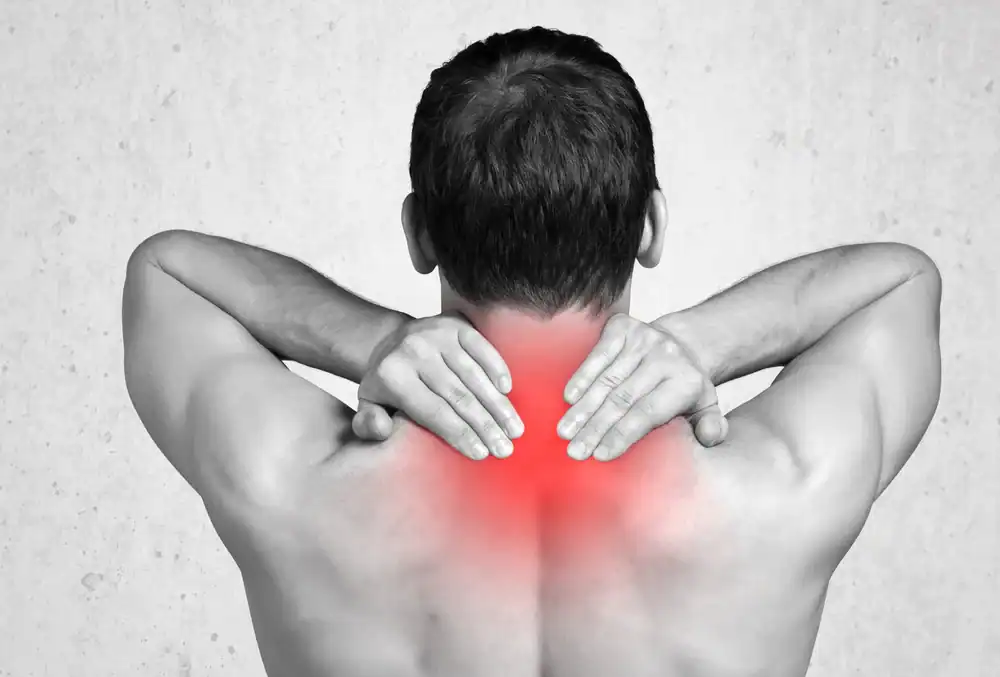
Cervical traction for neck pain in Journal Square, NJ targets the upper spine—helpful if you’re dealing with headaches, shoulder tension, or numbness in your arms. We also incorporate specific exercises you can do at home to support your progress between visits. You’re not dependent on endless appointments. The goal is to get you better and keep you that way.
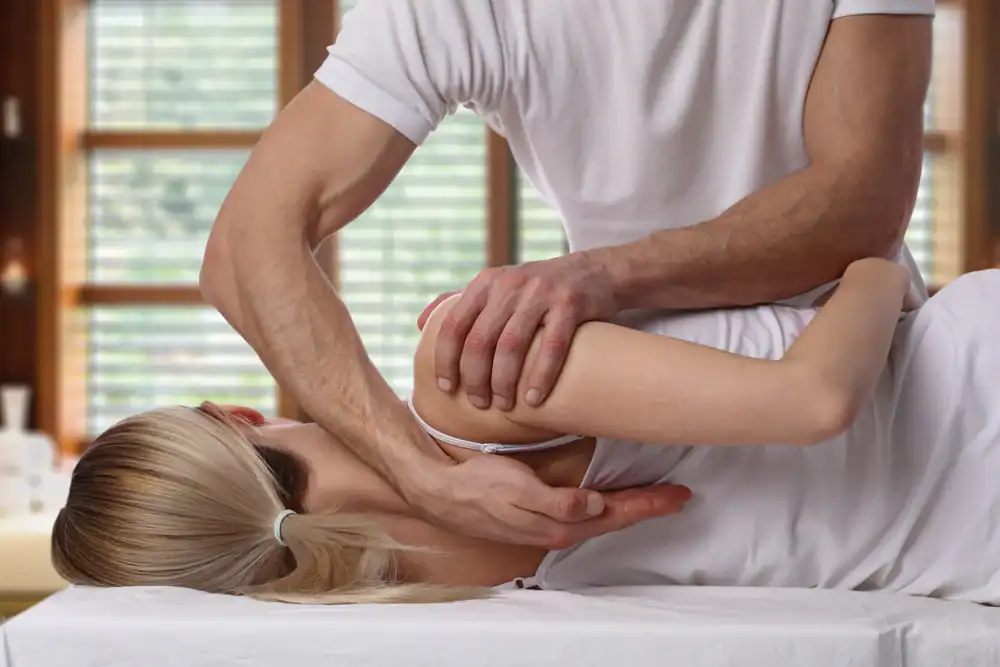
Adjustments realign the vertebrae and restore joint movement. Spinal decompression goes a step further by creating negative pressure inside the disc itself.
Think of it this way: an adjustment can take pressure off a nerve by repositioning the bones. Decompression pulls fluid and nutrients back into the disc so it can heal from the inside. Both are valuable, but they address different parts of the problem.
If your pain is coming from a bulging or herniated disc, decompression is often more effective than adjustments alone. Dr. Roses will explain which approach makes sense for your specific condition during your consultation.
It depends on how severe your condition is and how long you’ve been dealing with it. Some people feel relief after three or four sessions. Others need several weeks of consistent treatment.
A fresh herniated disc usually responds faster than chronic degeneration that’s been building for years. Your age, activity level, and overall health all play a role too.
Dr. Roses will give you a realistic timeline after your initial exam. Most treatment plans range from 12 to 20 sessions, but you’ll know within the first few weeks whether it’s working. If you’re not seeing progress, he’ll tell you—and discuss other options.
No. Most people find it relaxing. You’re lying down, and the table does all the work. The pulling sensation is gentle and controlled—nothing like the aggressive traction methods used decades ago.
The system alternates between pulling and releasing, which prevents your muscles from tightening up and resisting the stretch. That’s what makes modern non-surgical spinal decompression therapy in Journal Square, NJ so much more effective than older techniques.
Some people feel a little sore afterward, similar to how you might feel after a good stretch or workout. That usually fades within a day. If anything feels off during treatment, you can stop immediately.
Coverage varies depending on your plan and how the treatment is coded. Some insurance companies cover it under chiropractic care. Others don’t.
We can verify your benefits and give you a clear breakdown of costs before you commit to anything. Even if insurance doesn’t cover it fully, many patients find the out-of-pocket cost is still far less than surgery—and there’s no recovery time keeping you out of work.
If cost is a concern, bring it up during your consultation. Dr. Roses would rather work with you on a payment plan than have you suffer through pain or rush into an invasive procedure you’re not ready for.
Then you’ll know, and you can make an informed decision about what to do next. That’s better than wondering or putting off treatment until the problem gets worse.
Dr. Roses has been doing this since 1981. He’s seen what works and what doesn’t. If decompression isn’t giving you the results you need, he’ll tell you honestly and help you explore other options—whether that’s a different type of therapy, a referral to a specialist, or further imaging.
The point isn’t to keep you coming in indefinitely. It’s to figure out what’s causing your pain and address it in the most effective, least invasive way possible. You deserve that level of transparency.
Yes. In fact, combining therapies often produces better results than relying on one approach alone.
Dr. Roses may recommend pairing spinal decompression with adjustments, corrective exercises, or lifestyle changes depending on what your body needs. If you’re already seeing a physical therapist or another provider, let him know. Coordinated care usually works better than isolated treatments.
The goal is to give you every advantage in your recovery. That might mean addressing muscle imbalances, improving your posture, or teaching you how to move in ways that protect your spine long-term. Spinal traction is a powerful tool, but it works best as part of a complete plan.