
Hear from Our Customers

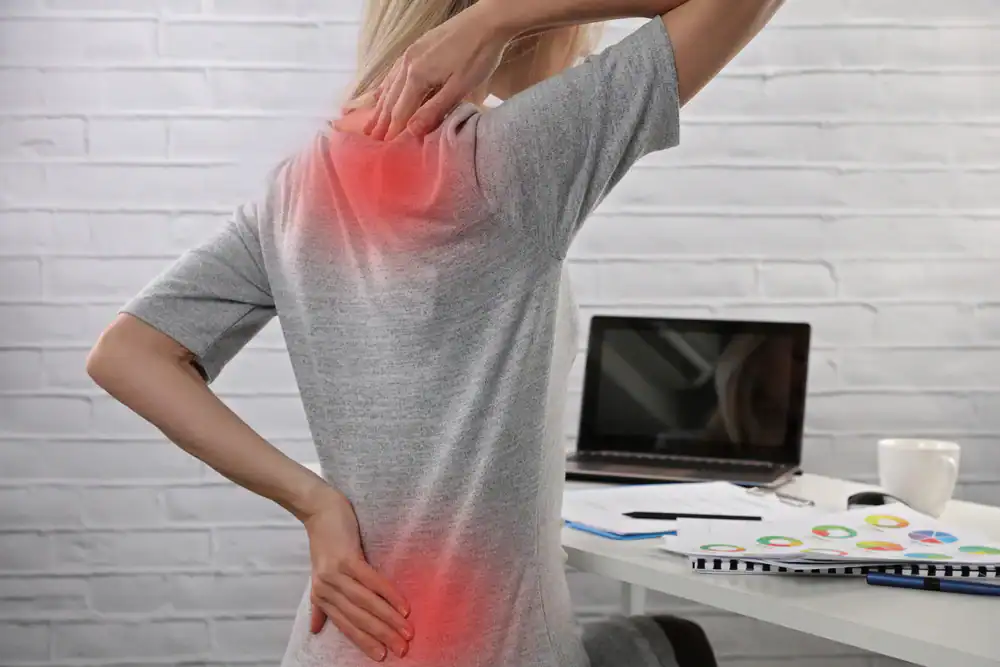
You’re not looking for temporary relief. You want to bend over without bracing yourself. Sleep on your side again. Sit through a meeting without shifting every two minutes.
Mechanical spinal traction benefits your body by creating space between compressed vertebrae. That space lets nutrient-rich blood flow back into damaged discs while reducing pressure on pinched nerves. The result isn’t just less pain—it’s better mobility, fewer flare-ups, and the ability to do normal things without planning your day around your back.
Studies show that non-surgical spinal decompression therapy delivers an 80-89% success rate for conditions like herniated discs and sciatica. That’s comparable to surgery outcomes, but without the 3-12 month recovery time, the infection risk, or the 10-20% failure rate that comes with going under the knife. You walk in, get treated, and resume your day.
Dr. Paul Roses has been treating spinal conditions in this area for over 30 years. After 9/11, he provided on-site chiropractic care to the firefighters and police officers who worked the World Trade Center rescue efforts. That’s the kind of work that builds trust in a community.
We operate out of Bayonne and serve Jersey City and the surrounding Hudson County area. Our focus has always been prevention and recovery without drugs or surgery. You’re not getting a one-size-fits-all approach here—you’re getting FDA-approved equipment, state-of-the-art techniques, and someone who’s seen thousands of cases like yours.
Jersey City residents deal with the same challenges as anyone living in a densely populated area: long commutes, desk jobs, physical labor, and the wear that comes from both. Dr. Roses understands what’s causing your pain because he’s been treating it in this community for decades.
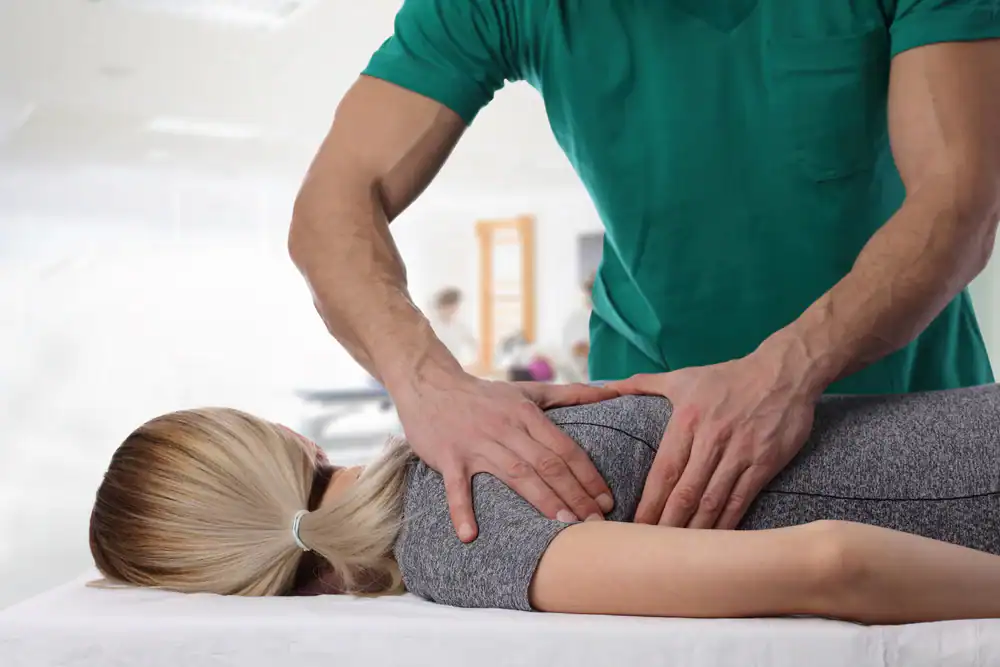
First, you’ll sit down for an evaluation. Dr. Roses will ask about your pain—where it is, when it started, what makes it worse. He’ll assess your spine, check your range of motion, and determine whether spinal traction is the right fit for your condition.
If it is, you’ll begin treatment on an FDA-approved spinal decompression table. You’ll lie down while the table applies a gentle, controlled pulling force to your spine. This isn’t aggressive or painful—it’s a slow stretch designed to create negative pressure in your discs. That pressure change pulls herniated or bulging disc material back into place and allows oxygen and nutrients to flow into areas that have been starved of circulation.
Each session typically lasts 20-30 minutes. Most people need a series of treatments over several weeks, depending on the severity of the condition. Lumbar traction for sciatica in Jersey City, NJ often shows improvement within the first few sessions, especially when combined with physical therapy or corrective exercises. Cervical traction for neck pain in Jersey City, NJ works the same way, just targeting the upper spine instead of the lower back.
You won’t need to take time off work. You won’t need someone to drive you home. You show up, get treated, and go about your day.
Ready to get started?
Spinal traction in Jersey City, NJ is used to treat herniated discs, degenerative disc disease, sciatica, pinched nerves, and chronic neck or lower back pain. It’s particularly effective for people who’ve tried physical therapy, medication, or injections without lasting results.
Lower back pain is the leading cause of missed work for people under 40. In Jersey City and the surrounding Hudson County area, that often means construction workers, healthcare professionals, delivery drivers, and office employees who sit for eight hours a day. All of those lifestyles create spinal stress in different ways, and all of them respond well to mechanical spinal traction when applied correctly.
The treatment works because it addresses the root cause, not just the symptoms. Pain medications mask the problem. Spinal traction creates the conditions your body needs to heal itself. MRI scans have confirmed disc healing after 6-8 weeks of treatment in clinical studies, with 85% of patients reporting significant improvement.
This isn’t experimental. It’s a proven, research-backed treatment that’s been refined over decades. We use the same techniques that have helped professional athletes, first responders, and everyday people get their lives back without surgery.
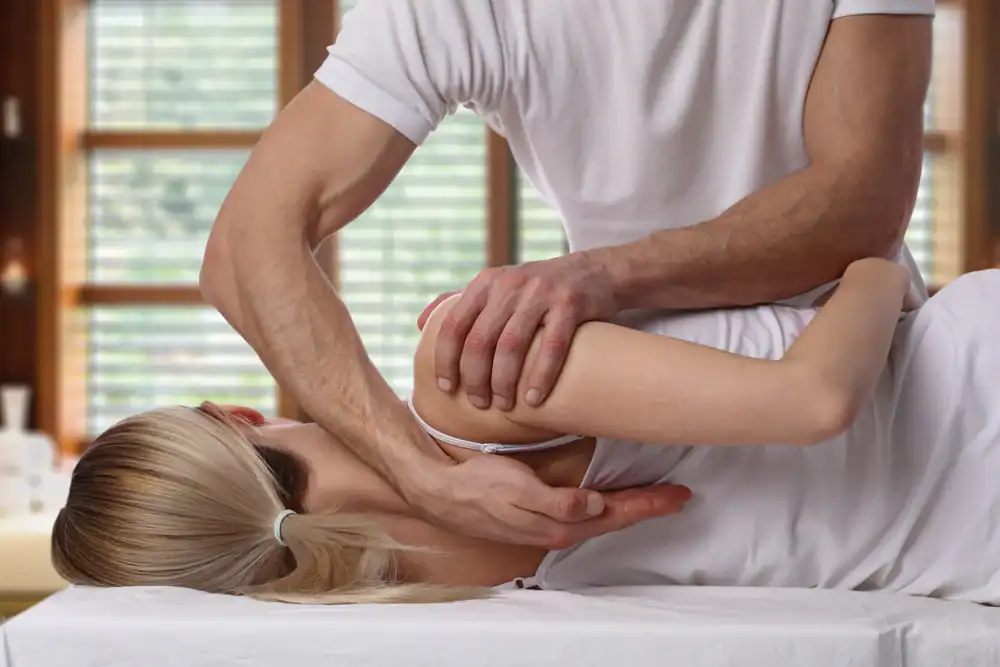
Chiropractic adjustments realign the spine and restore joint mobility. Spinal traction goes a step further by decompressing the discs themselves.
Think of it this way: an adjustment corrects misalignment. Traction creates space. When you have a herniated disc or a pinched nerve, the problem isn’t just that your spine is out of place—it’s that the disc material is pressing on a nerve root or the spinal cord. Traction pulls that material back, reduces the pressure, and gives the disc room to heal.
Both treatments work well together. Many of our patients receive adjustments and spinal decompression therapy as part of a comprehensive plan. The combination addresses alignment, mobility, and disc health all at once.
No, it doesn’t hurt. Most people describe it as a gentle stretch or a pulling sensation. Some even fall asleep during treatment because it’s that comfortable.
As for results, that depends on your condition. Some people feel relief after the first session. Others need a few weeks of consistent treatment before they notice a significant change. Sciatica patients often experience up to 80% relief from leg pain once the nerve pressure eases, and that can happen relatively quickly.
Dr. Roses will give you a realistic timeline based on your specific case. On average, patients complete 15-20 sessions over 4-6 weeks. The improvement tends to continue even after treatment ends, especially if you follow through with any recommended exercises or lifestyle adjustments.
It depends on your plan. Some insurance companies cover spinal decompression under chiropractic care, while others don’t. The best move is to call your provider and ask specifically about non-surgical spinal decompression or mechanical traction.
We can provide the documentation and codes your insurance company needs to process a claim. If your plan doesn’t cover it, we can discuss payment options with you directly. The cost is still a fraction of what spinal surgery runs—often tens of thousands of dollars less—and you avoid the risks and recovery time that come with an operation.
Even if you’re paying out of pocket, you’re investing in a treatment with an 80-89% success rate and no downtime. That’s worth comparing to the alternative.
Yes, in many cases. People who’ve had one back surgery have a 30% chance of getting adequate pain relief, and up to 70% end up needing repeat surgeries. That’s a rough statistic, but it’s reality.
Spinal traction can help address lingering pain or new issues that develop after surgery. It’s non-invasive, so there’s no added surgical risk. Dr. Roses will evaluate your post-surgical condition and determine whether decompression therapy is safe and appropriate for you.
Some patients come in after failed surgeries specifically because they want to avoid going under the knife again. Mechanical spinal traction offers a way to manage pain and improve function without adding more scar tissue or surgical complications to the mix.
Lumbar traction works best for lower back conditions like herniated discs, degenerative disc disease, sciatica, and pinched nerves in the lumbar spine. It’s also effective for people dealing with chronic lower back pain that hasn’t responded to other treatments.
Sciatica is one of the most common reasons people seek lumbar traction. When a disc in your lower back presses on the sciatic nerve, you get shooting pain down your leg, numbness, tingling, or weakness. Lumbar traction for sciatica in Jersey City, NJ relieves that pressure and allows the nerve to calm down.
Degenerative disc disease is another condition that responds well. As discs lose hydration and height over time, they stop cushioning your vertebrae effectively. Traction creates space, improves circulation, and slows the degeneration process. It won’t reverse aging, but it can significantly reduce pain and improve quality of life.
Yes, when performed correctly by a trained professional. Cervical traction for neck pain in Jersey City, NJ uses the same principles as lumbar traction, just applied to the upper spine.
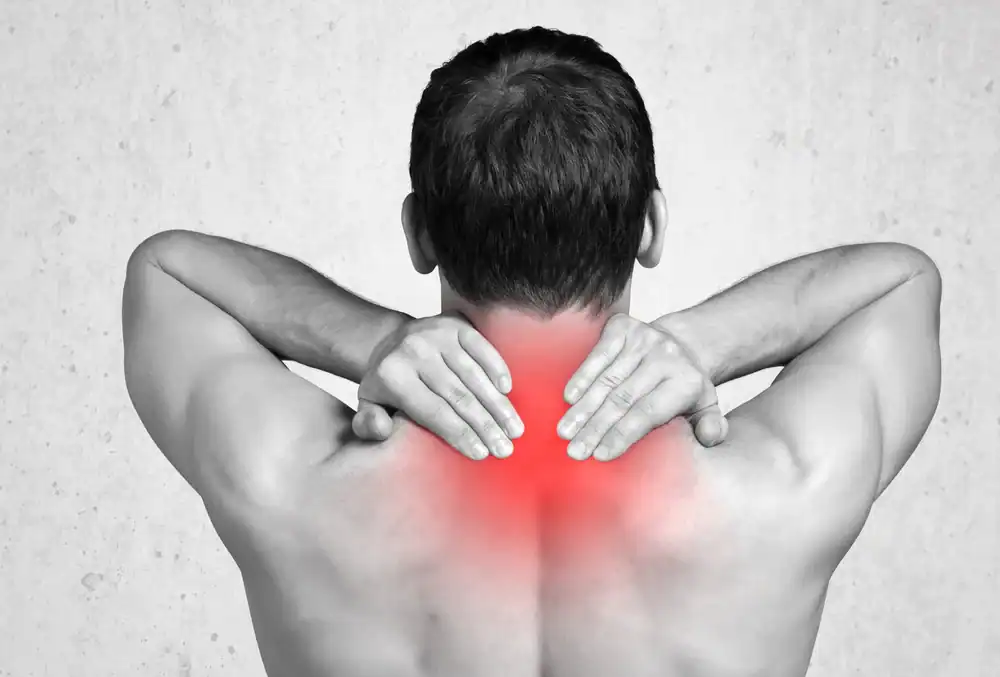
Neck pain often comes from herniated cervical discs, bone spurs, or nerve compression in the neck. Traction gently stretches the cervical spine, reduces pressure on the nerves, and improves blood flow to the discs. Many people also experience relief from tension headaches and migraines that stem from cervical spine issues.
We use FDA-approved equipment designed specifically for cervical decompression. The treatment is controlled, gradual, and tailored to your tolerance. You’re not going to feel a sudden jerk or snap—just a slow, therapeutic stretch that gives your neck the space it needs to heal.