
Hear from Our Customers

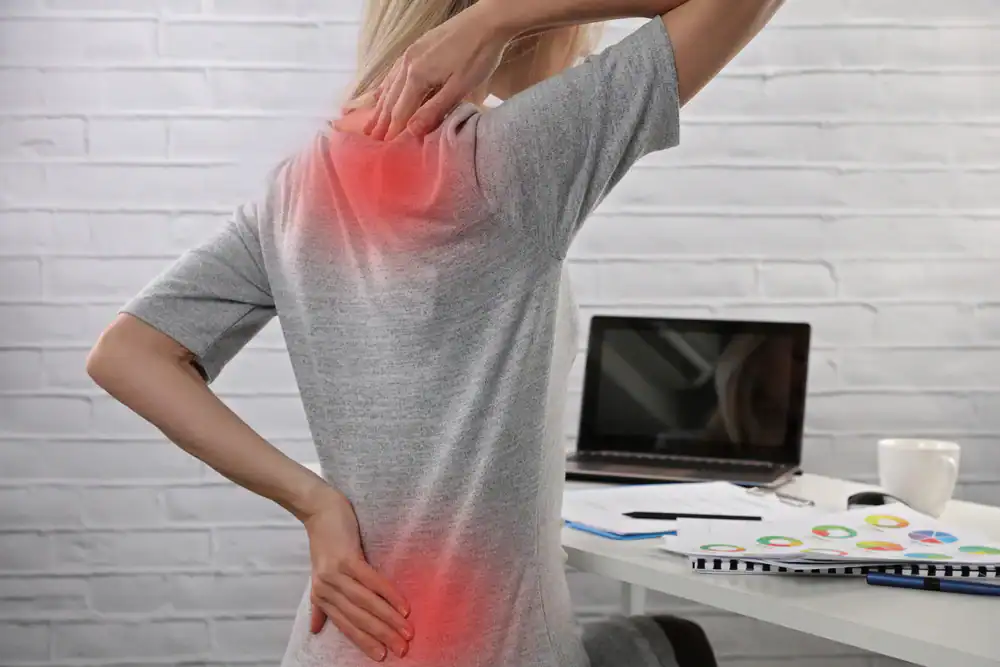
You wake up without that shooting pain down your leg. You bend over to tie your shoes without bracing yourself first. You sit through a meeting or a dinner without constantly shifting to find a tolerable position.
That’s what happens when spinal traction in India Square actually works. The treatment stretches your spine in a controlled way, taking pressure off compressed discs and pinched nerves. Blood flow improves. Inflammation drops. Your body gets the space it needs to heal itself.
Most people notice better mobility within the first few sessions. You’re not just masking symptoms with pills or putting off the inevitable surgery. You’re addressing the mechanical problem causing your pain—herniated discs, degenerative disc disease, sciatica, spinal stenosis—without cutting anything open.
This is mechanical spinal traction, and the benefits go beyond temporary relief. You’re looking at improved range of motion, reduced nerve irritation, and a treatment plan that doesn’t come with surgical risks or recovery downtime.
Dr. Paul Roses has been practicing in this area since 1981. That’s more than four decades of treating herniated discs, sciatica, and chronic back pain in people who live and work right here in India Square and throughout Hudson County.
He’s not new to spinal traction or chasing trends. His approach is straightforward: identify what’s causing your pain, use proven techniques to relieve it, and give your body what it needs to heal without drugs or surgery.
India Square residents deal with the same challenges you do—long commutes into Manhattan, physical jobs, aging spines. We’ve seen it all, and we’ve built a practice around real solutions for real people who don’t have time for treatments that don’t work.
First, you’ll get a baseline assessment. We use Titron Infrared Imaging to see exactly where the problem is—no guessing, no generic treatment plans. It’s painless and takes seconds.
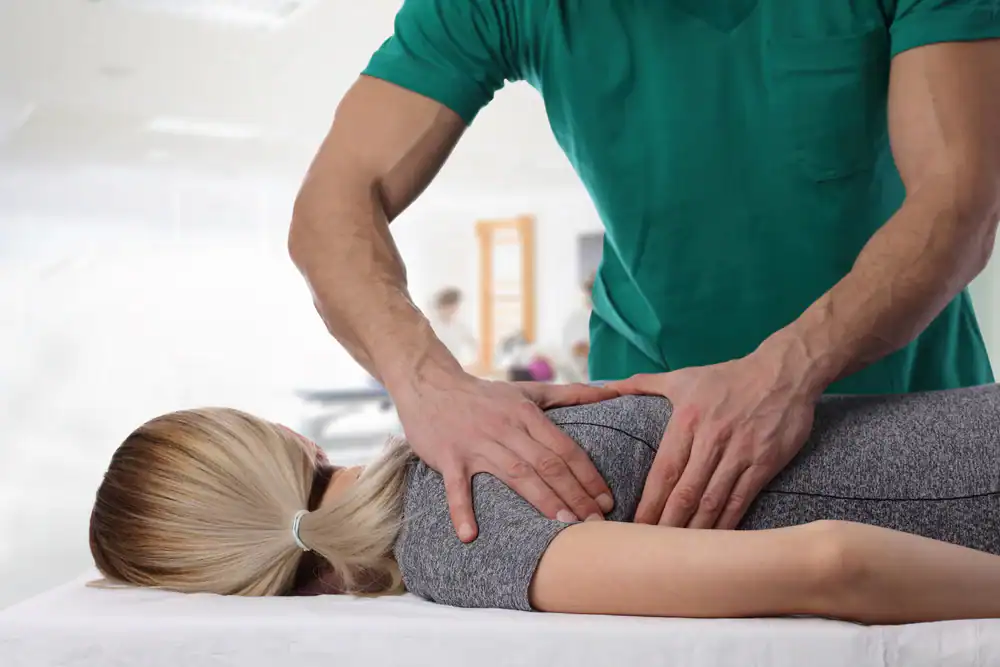
Then comes the actual spinal traction. You’ll lie on a specialized table while controlled mechanical force gently stretches your spine. This creates space between your vertebrae, reducing pressure on discs and nerves. Some patients feel relief immediately. Others need a few sessions before the pain starts to drop.
Lumbar traction for sciatica targets your lower back and legs. Cervical traction for neck pain focuses on your upper spine and shoulders. Both use the same principle: decompress the area, improve circulation, let your body heal.
You’re not strapped in for hours. Sessions are efficient. And because this is non-surgical spinal decompression therapy in India Square, there’s no recovery period. You walk in, get treated, and go back to your day.
We’ll also give you specific exercises to do at home—movements designed to strengthen your spine and prevent the pain from coming back. It’s not complicated. It’s just consistent.

Ready to get started?
You get a full evaluation before anything else happens. That means imaging, a conversation about your pain, and a clear explanation of what’s going on in your spine.
The mechanical spinal traction itself is customized. We adjust the force, duration, and angle based on your condition—whether that’s a herniated disc, degenerative disc disease, or sciatic nerve compression. This isn’t one-size-fits-all.
You also get a blueprint for what to do outside the office. Specific exercises. Lifestyle adjustments. Things to avoid that make your condition worse. The goal isn’t just to get you out of pain—it’s to keep you out of pain.
India Square patients appreciate that we don’t push unnecessary visits. You come in as often as you need to, and once you’re better, you’re done. No long-term contracts. No upselling.
And because this is drug-free care, you’re not adding another prescription to your routine. You’re fixing the problem, not covering it up.
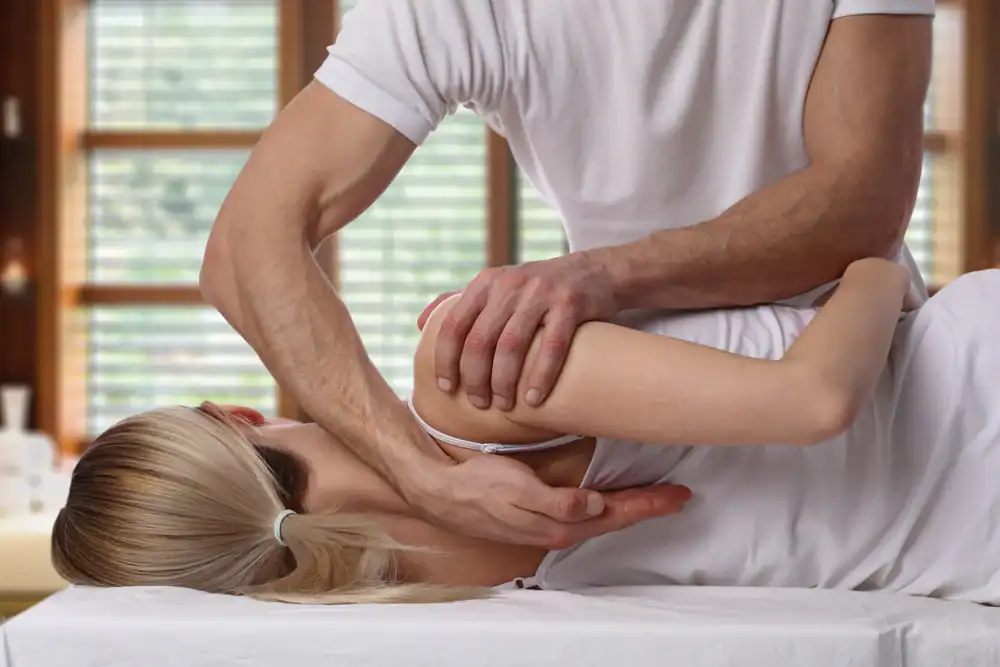
Most people start noticing relief within three to six sessions, but that depends on how severe your sciatica is and how long you’ve been dealing with it. If you’ve had shooting pain down your leg for months, it’s going to take longer than if you caught it early.
Lumbar traction for sciatica in India Square works by creating space between your vertebrae, which takes pressure off the sciatic nerve. That pressure is what’s causing the pain, numbness, or tingling. Once the nerve has room to breathe, symptoms start to fade.
Some patients feel better immediately after their first session. Others need consistent treatment over a few weeks. We’ll give you a realistic timeline based on your imaging and exam—not a sales pitch.
Spinal traction is one of the safest treatments for back and neck pain, especially compared to surgery or long-term medication use. There are no long-term risks when it’s done correctly by someone who knows what they’re doing.
That said, it’s not for everyone. If you have certain conditions like fractures, tumors, or severe osteoporosis, traction might not be appropriate. That’s why we do a full evaluation first—to make sure this is the right treatment for your specific situation.
The process itself is controlled and gradual. You’re not being yanked around. The table applies gentle, consistent force that your body can handle. Most people find it relaxing, not painful.
Spinal traction in India Square treats herniated discs, degenerative disc disease, sciatica, spinal stenosis, pinched nerves, and chronic lower back pain. It’s also effective for neck pain caused by cervical disc problems or muscle spasms.
The treatment works because it addresses the mechanical issue—compressed discs, misaligned vertebrae, irritated nerves. If your pain is coming from one of those problems, traction can help. If it’s coming from something else, we’ll tell you.
Non-surgical spinal decompression therapy is particularly useful for people who’ve been told they need surgery but want to try something less invasive first. It’s also a good option if you’ve been managing pain with medication but want a long-term solution that doesn’t involve pills.
Mechanical spinal traction uses precise, controlled force that you can’t replicate with stretching. The equipment applies consistent tension to specific areas of your spine, creating measurable decompression in your discs and joints.
When you stretch at home, you’re working with your muscles and ligaments, which is helpful—but you’re not directly affecting the disc space or nerve compression the way traction does. The mechanical advantage matters, especially if you’re dealing with a herniated disc or sciatica.
That doesn’t mean stretching is useless. We’ll give you exercises to do between sessions that support the work being done in the office. But the traction itself is doing something your body can’t do on its own.
Most patients don’t need ongoing traction once their pain is under control and their spine has healed. You’ll come in for a series of sessions—usually spread over a few weeks—and then you’re done. Maintenance visits aren’t typically necessary unless your condition flares up again.
The goal is to fix the problem, not create a dependency. We’ll also give you exercises and lifestyle adjustments to help prevent the issue from coming back. If you follow through with those, your chances of staying pain-free go up significantly.
Some people with chronic degenerative conditions might benefit from occasional follow-up sessions, but that’s based on your specific situation—not a blanket recommendation for everyone.
Most people find spinal traction comfortable, even relaxing. You’re lying on a table while the machine does the work. There’s a gentle pulling sensation as your spine stretches, but it shouldn’t hurt. If it does, that’s a sign something needs to be adjusted.
We control the amount of force and the duration based on how your body responds. If you’re tense or uncomfortable, we’ll dial it back. The treatment is supposed to relieve pain, not cause it.
After your first session, you might feel a little sore—similar to how you’d feel after a good workout. That’s normal and usually fades within a day. If you’re experiencing sharp pain or worsening symptoms, that’s something to bring up immediately so adjustments can be made.