
Hear from Our Customers
Your discs are under pressure. That’s what happens when you’re sitting in traffic on the Palisades, working long shifts, or dealing with years of wear and tear in Hudson Heights, NJ.
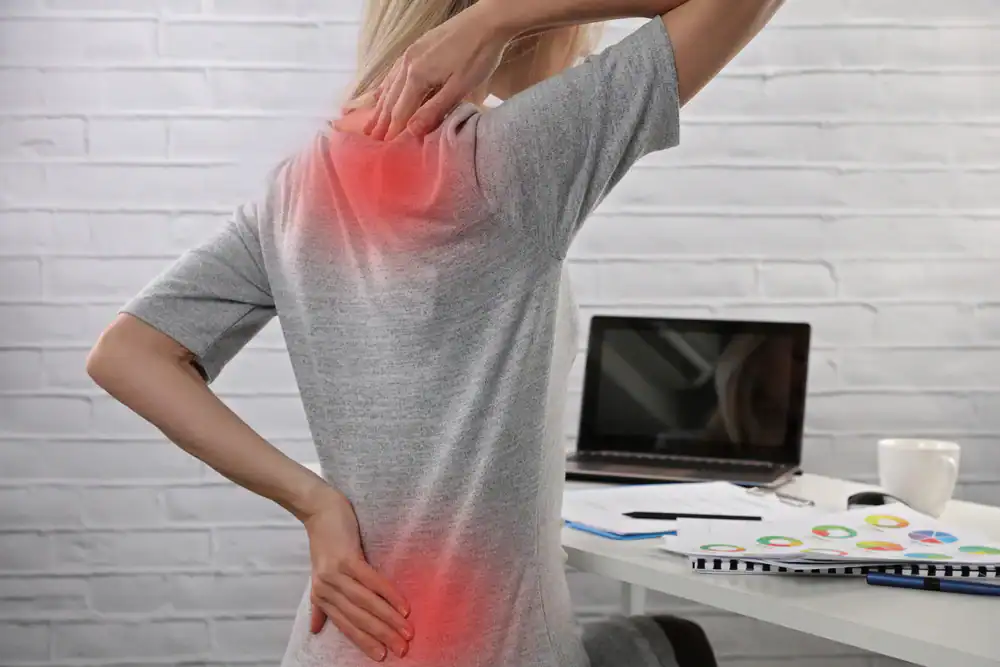
When those discs compress, nerves get pinched. That shooting pain down your leg isn’t random—it’s your sciatic nerve telling you something’s wrong. The headaches, the stiffness, the inability to turn your head without wincing—all connected to what’s happening in your spine.
Non-surgical spinal decompression therapy in Hudson Heights, NJ creates negative pressure inside your discs. This pulls herniated or bulging material back into place and allows nutrient-rich fluids to flow back in. You’re not masking pain—you’re addressing what’s causing it.
Most patients notice reduced pain within the first few sessions. Movement becomes easier. Sleep improves because you’re not waking up every time you shift positions. You can get through your day without constantly adjusting how you sit or stand.
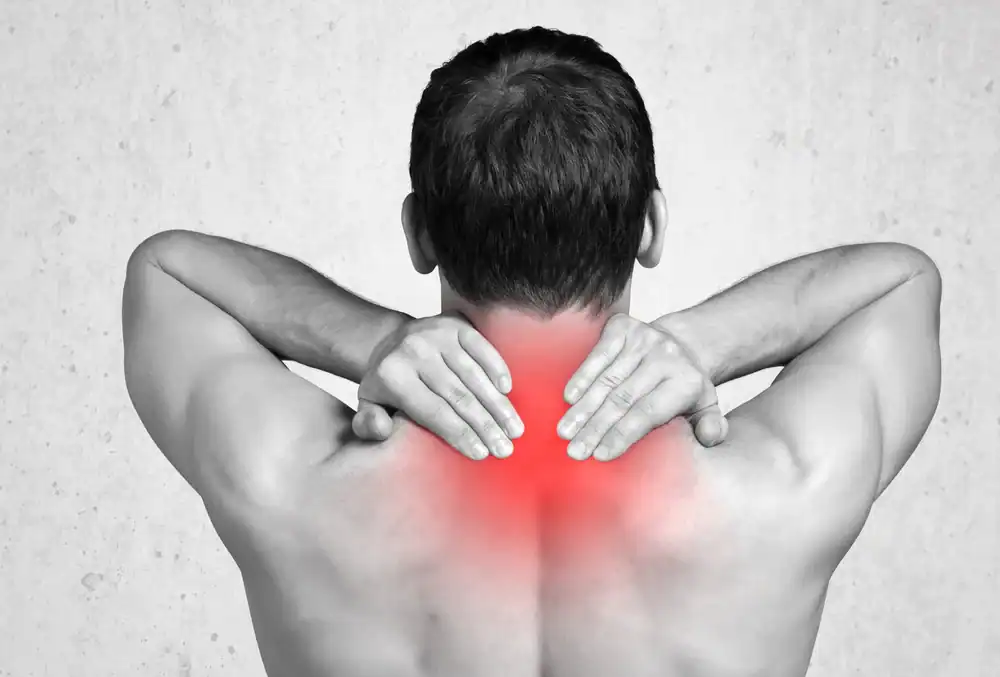
Lumbar traction for sciatica in Hudson Heights, NJ targets the lower back where most disc issues occur. Cervical traction for neck pain in Hudson Heights, NJ does the same for your upper spine. Both work by giving compressed structures room to heal.
Dr. Paul Roses has been serving Hudson Heights, NJ and surrounding communities for over 30 years. This isn’t a new practice testing out the latest trends—this is decades of hands-on experience with spinal conditions.
We use Titron Infrared Imaging and targeted x-rays to see exactly what’s happening in your spine before we start treatment. You get a baseline assessment, not guesswork. Then we build a treatment plan around your specific problem—whether that’s a herniated disc at L4-L5 or cervical compression causing arm numbness.
Hudson Heights residents deal with unique physical demands. Many work jobs that require prolonged standing or repetitive movements. Others commute daily, spending hours in positions that compress the spine. We understand what you’re dealing with because we’ve treated thousands of cases just like yours in this area.
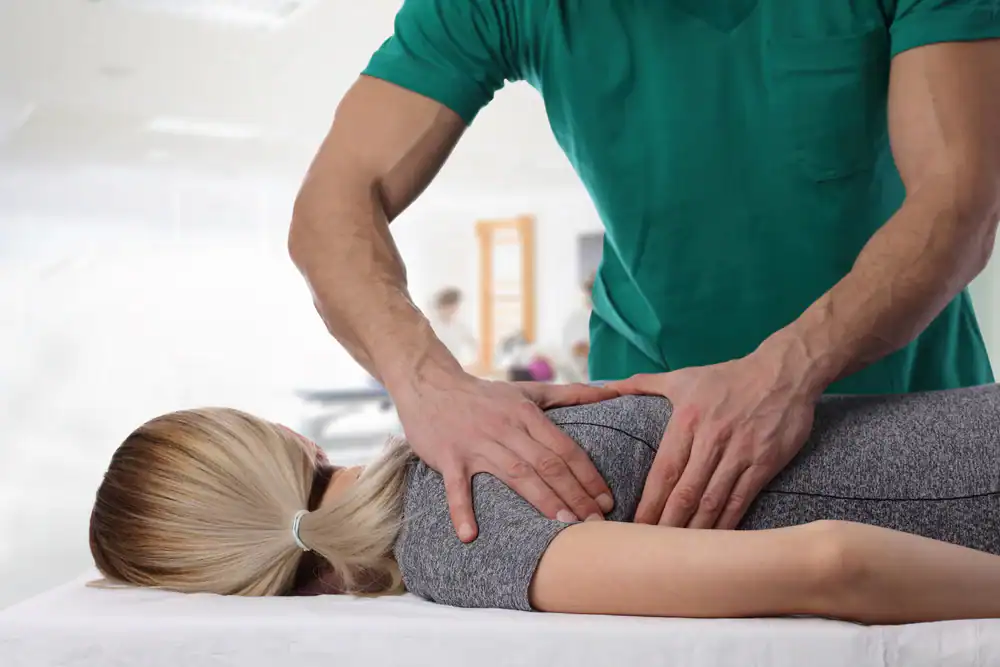
First, we assess. You’re not getting on a traction table without understanding what’s wrong and why this approach makes sense for your condition. We review imaging, discuss your symptoms, and explain what we’re targeting.
During mechanical spinal traction in Hudson Heights, NJ, you lie comfortably while a computerized system applies controlled, gentle pulling force to your spine. For lumbar issues, this targets your lower back. For cervical problems, it focuses on your neck. The force is calibrated specifically for your body and condition—not a one-size-fits-all setting.
Sessions typically last 20-30 minutes. The machine cycles between pulling and relaxing, which creates that negative pressure inside your discs. You’re not being stretched to the point of discomfort—most patients find it relaxing.
Between sessions, we give you specific exercises designed for your condition. These aren’t generic stretches you could find online. They’re corrective movements that support what the traction is doing and help prevent the problem from coming back.
Treatment plans vary. Some patients need 12-15 sessions over several weeks. Others need more or less depending on severity and how their body responds. We track progress and adjust as needed.
Ready to get started?
Spinal traction in Hudson Heights, NJ includes your initial assessment with imaging review, the traction sessions themselves, and the corrective exercise program. You also get lifestyle coaching—we talk about how you’re sitting at work, what you’re doing at home, and what modifications will help you avoid re-injury.
Many Hudson Heights, NJ residents come to us after trying pain medications, injections, or physical therapy that didn’t address the root cause. Spinal decompression works differently because it targets the mechanical problem: compressed discs and pinched nerves.
This isn’t a quick fix you do once and forget about. It’s a treatment protocol that requires consistency. Miss sessions and you’re not giving your discs the repeated decompression they need to heal properly.
We also combine traction with other chiropractic techniques when appropriate. Sometimes your spine needs adjustment in addition to decompression. Sometimes soft tissue work helps. We’re not locked into one approach—we use what your condition requires.
The goal is getting you back to normal activities without ongoing dependence on pain management. That means addressing the compression, strengthening the supporting structures, and teaching you how to maintain the improvements.
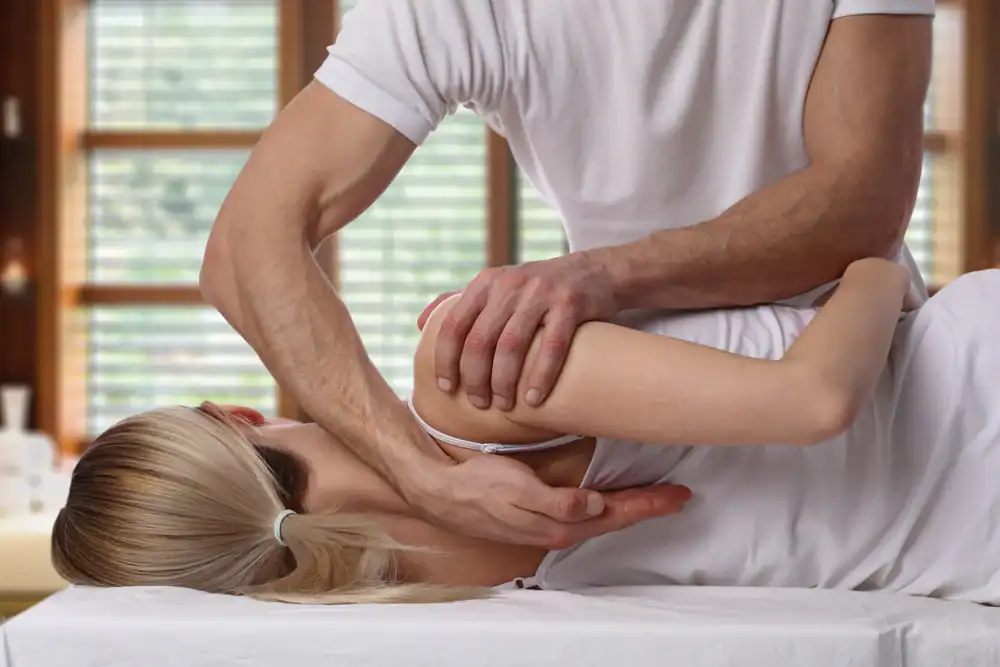
Adjustments restore proper joint movement and alignment. Spinal traction in Hudson Heights, NJ creates space inside your discs through controlled decompression.
Think of it this way: if your disc is bulging and pressing on a nerve, an adjustment can improve how that vertebra moves, but it’s not pulling the bulge back in. Traction applies negative pressure that actually draws herniated material away from the nerve.
Many patients need both. The adjustment ensures your spine is aligned properly, and the traction addresses the disc compression. They work together, not as competing treatments.
Chronic sciatica responds to lumbar traction for sciatica in Hudson Heights, NJ, but it typically takes longer than acute cases. Your disc didn’t herniate overnight, and it won’t fully heal in a week.
What matters is whether the sciatic nerve compression is coming from a mechanical issue—a bulging or herniated disc. If that’s the cause, decompression can help by reducing the pressure on that nerve. If your sciatica is from something else (like spinal stenosis or piriformis syndrome), we need to identify that first.
We’ve treated patients who’ve dealt with sciatica for five, ten, even fifteen years. Some get significant relief. Others get partial improvement. The key is accurate diagnosis and realistic expectations about what traction can and can’t do for your specific condition.
Most patients doing cervical traction for neck pain in Hudson Heights, NJ need between 12 and 20 sessions. That’s not a guarantee—it’s based on what we typically see with cervical disc issues.
Severity matters. A mild bulge causing occasional neck stiffness responds faster than a significant herniation with arm numbness and weakness. How long you’ve had the problem matters too. Recent injuries often respond quicker than chronic degeneration.
We evaluate your progress every few sessions. If you’re improving, we continue. If you’re not seeing changes after a reasonable trial period, we reassess and discuss other options. We’re not going to keep running sessions if they’re not helping.
Coverage for non-surgical spinal decompression therapy in Hudson Heights, NJ varies significantly by insurance plan. Some plans cover it under chiropractic benefits. Others don’t cover decompression specifically but will cover the office visits and related treatments.
We verify benefits before starting treatment. That means calling your insurance company and getting specific answers about what’s covered, what your copay is, and whether you need a referral. We can’t guarantee coverage, but we can tell you what your plan says.
If insurance doesn’t cover it or covers only part of it, we discuss costs upfront. You’re not going to get surprise bills. Some patients choose to pay out-of-pocket because they’ve exhausted other options and surgery isn’t something they want to do.
Spinal traction in Hudson Heights, NJ can help with both herniated and bulging discs, but results depend on the severity and location of the herniation. A bulge means the disc is protruding but the outer layer is still intact. A herniation means that outer layer has torn and inner material is leaking out.
Traction creates negative pressure that can pull some of that herniated material back toward the center of the disc. It also reduces pressure on the affected nerve, which is what’s causing your pain. Not every herniation responds the same way—some are too severe or have been present too long.
We look at your imaging and symptoms to determine if you’re a good candidate. If the herniation is massive or you have significant neurological deficits (like foot drop or loss of bowel control), you need a medical evaluation before considering conservative care. For most herniated discs causing back pain and sciatica, traction is worth trying before discussing surgical options.
During mechanical spinal traction in Hudson Heights, NJ, you’ll feel a gentle pulling sensation. It’s not painful—most patients describe it as a mild stretch or even relaxing. The table or device holds you in place while applying controlled force to your spine.
Some people feel immediate relief during the session as pressure comes off compressed nerves. Others don’t notice much change until they’ve had several treatments. Both responses are normal.
After the session, you might feel slightly sore, similar to how muscles feel after a good stretch. This usually passes within a few hours. Some patients feel looser and move more easily right away. Occasionally, symptoms temporarily increase as your body adjusts—this typically resolves quickly and doesn’t mean the treatment isn’t working. We monitor how you respond and adjust the treatment intensity if needed.