
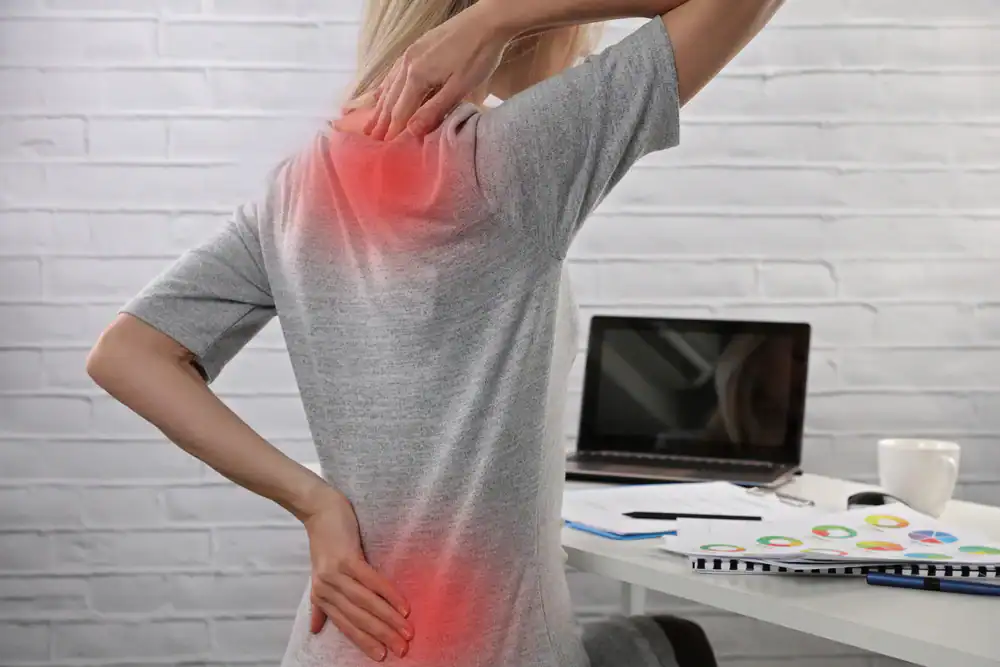
Hear from Our Customers

You’re not looking for temporary relief. You want to bend down without wincing, sleep through the night, and get back to work without that constant ache reminding you something’s wrong.
Mechanical spinal traction benefits in Horseshoe, NJ go beyond masking symptoms. The treatment creates negative pressure between your vertebrae, which encourages herniated or bulging discs to retract naturally. That pressure relief means less nerve irritation, better nutrient flow to damaged tissue, and actual healing—not just pain management.
Most patients who respond well feel noticeable relief within six sessions. Full results typically come after 8-12 treatments. And because there’s no surgery involved, there’s no recovery time. You walk in, get treated, and go back to your day.
Over 70% of patients experience significant pain reduction with this approach. That’s comparable to surgical outcomes, without the risks, downtime, or chance of failed back surgery syndrome that affects up to half of those who go under the knife.
Dr. Paul Roses has been practicing chiropractic care since 1981. That’s over 40 years of adjustments, assessments, and real-world results for people across Hudson County—including Horseshoe, Bayonne, Jersey City, and surrounding areas.
This isn’t a high-volume clinic where you’re rushed through a script. You get a baseline assessment using Titron Infrared Imaging and x-rays when necessary. Then a treatment plan built around your specific condition, not a one-size-fits-all protocol.
Our focus is drug-free care that works with your body’s ability to heal itself. No unnecessary prescriptions. No pressure toward surgery. Just targeted spinal traction in Horseshoe, NJ designed to relieve nerve interference so your body can do what it’s built to do.
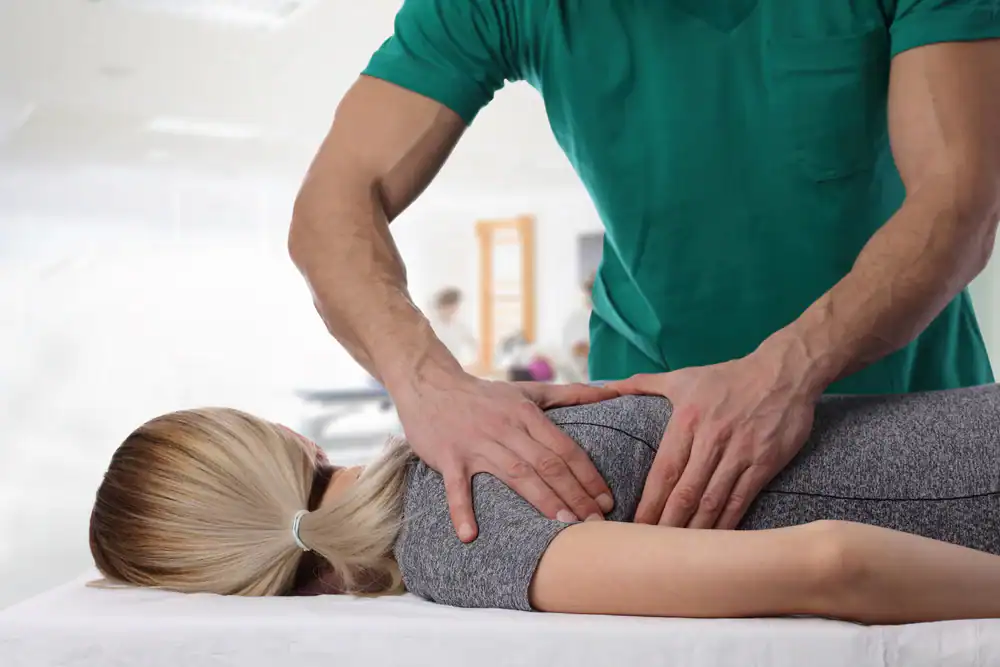
First, you’ll go through a baseline assessment. That includes a quick, painless infrared scan and any necessary imaging to see exactly what’s going on with your spine. No guessing. No generic treatment plans.
Once Dr. Roses understands your condition, you’ll start non-surgical spinal decompression therapy in Horseshoe, NJ. You’ll lie on a specialized table that applies controlled, gentle traction to your spine. The process creates space between your vertebrae, reducing pressure on pinched nerves and allowing discs to pull back into proper position.
Each session lasts around 20-30 minutes. You’re awake the whole time, and most people find it comfortable—even relaxing. There’s no anesthesia, no incisions, and no downtime afterward.
Between sessions, you may be given specific exercises designed to strengthen the muscles supporting your spine. These aren’t generic stretches. They’re tailored to your condition and meant to prevent future problems, not just address current pain.
Ready to get started?
Lumbar traction for sciatica in Horseshoe, NJ targets the lower back, where most disc herniations and nerve compression happen. If you’ve got shooting pain down your leg, numbness in your foot, or that deep ache that won’t quit, this is the area we’re decompressing.
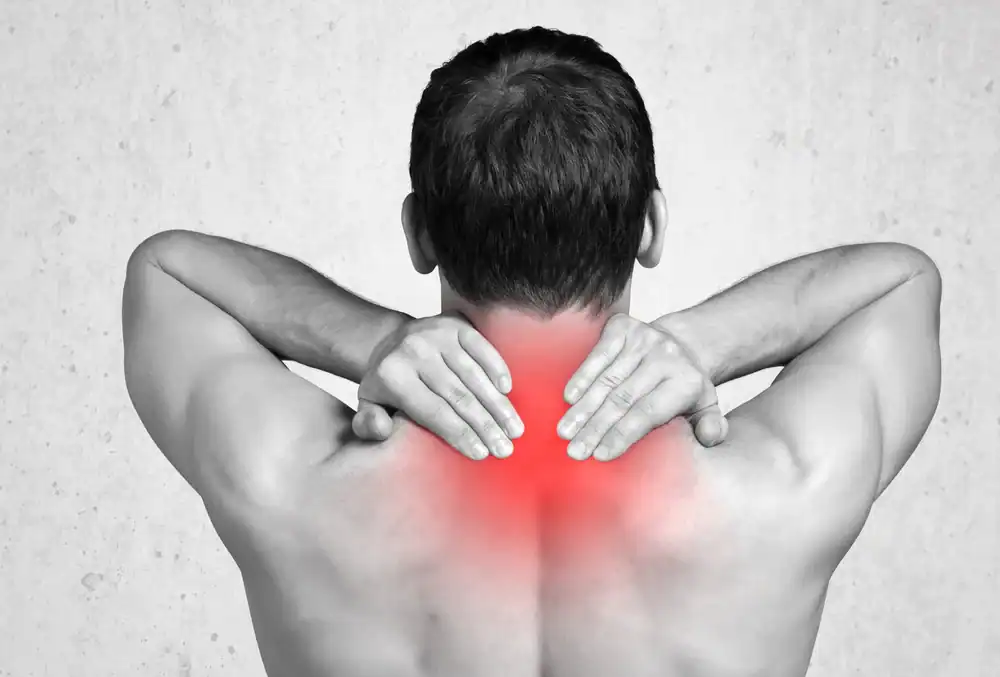
Cervical traction for neck pain in Horseshoe, NJ focuses on the upper spine. Chronic neck pain, headaches, arm numbness, and shoulder tension often stem from compressed cervical discs or misalignment. Traction here relieves that pressure and restores proper spacing.
Hudson County has a high concentration of desk workers, warehouse employees, and people dealing with repetitive strain. Add in the number of auto accidents on Routes 1 & 9, the Turnpike, and local roads, and you’ve got a population dealing with serious spinal stress. This treatment is built for those exact conditions.
You’re not just getting a temporary fix. The goal is to improve mobility, reduce inflammation, encourage nutrient-rich fluid back into your discs, and give your body the environment it needs to heal correctly. That’s what separates this from just popping pain pills or hoping it goes away on its own.
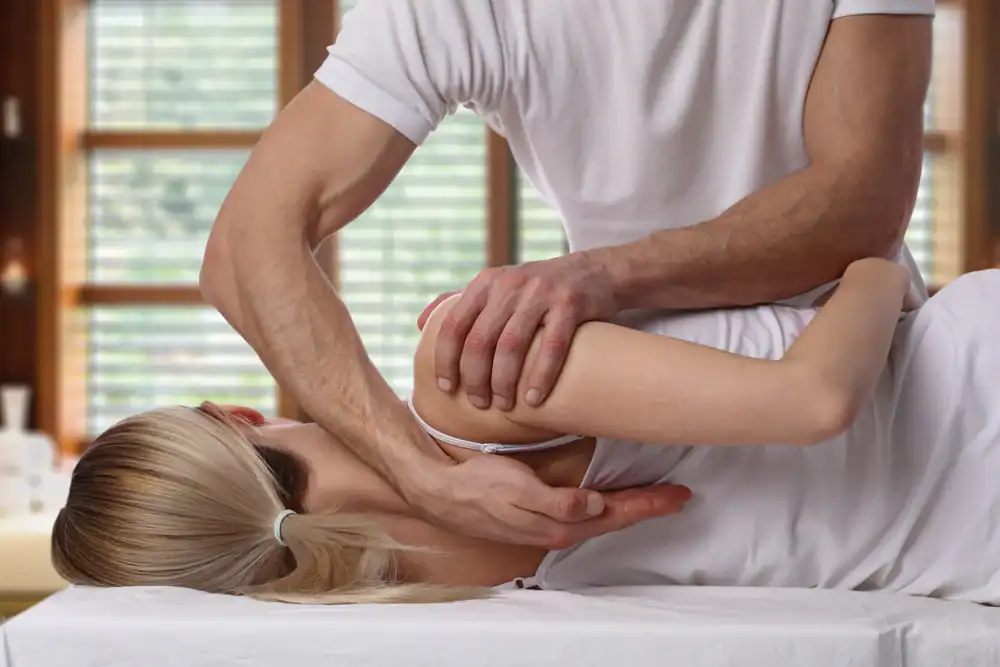
Adjustments realign the vertebrae and restore joint function. Spinal traction decompresses the space between those vertebrae, which relieves pressure on the discs and nerves.
Think of it this way: if your disc is bulging and pressing on a nerve, an adjustment can help with alignment, but traction creates the negative pressure needed to pull that disc material back where it belongs. They work well together, but they’re doing different things.
Many patients get both during their care plan. The traction addresses the structural issue with the disc, and adjustments keep everything moving the way it should. You’re not choosing one or the other—you’re getting a more complete approach to the problem.
Most people who respond well to treatment feel relief within six sessions. Full results usually take 8-12 sessions, depending on the severity of your condition and how long you’ve been dealing with it.
If you’ve had chronic pain for years, your body needs time to heal. Discs don’t rehydrate overnight, and nerves don’t calm down after one visit. But if you’re consistent with treatment, you’ll likely notice progress fairly quickly—better range of motion, less sharp pain, easier mornings.
Some people need maintenance care after their initial treatment plan. Others don’t. It depends on your lifestyle, your job, and whether you’re doing the exercises designed to support your spine long-term. Dr. Roses will give you a realistic timeline based on your specific situation, not a sales pitch.
No. Most patients find it comfortable, and some even fall asleep during treatment. You’re lying on a table while controlled traction gently stretches your spine. There’s no cracking, no sudden movements, and no pain.
You might feel a slight pulling sensation as the table applies traction, but it’s not sharp or intense. If anything feels off, you can stop the session immediately. The equipment is adjustable, and Dr. Roses controls the amount of force based on your tolerance and condition.
After your first session, you might feel a little sore—similar to how you’d feel after a good stretch or light workout. That’s normal and usually goes away within a day. It’s not the kind of soreness that keeps you from functioning. You can drive yourself home, go back to work, and continue your normal routine right after treatment.
Yes. That’s one of the main reasons people come in for this treatment. Herniated and bulging discs happen when the soft inner material of your spinal disc pushes out through a weak spot in the outer layer. When that material presses on a nerve, you get pain, numbness, tingling, or weakness.
Spinal traction creates negative pressure inside the disc, which encourages that bulging material to retract. It also increases the flow of water, oxygen, and nutrients into the damaged area, which helps the disc heal naturally. This is why over 70% of patients see significant improvement without needing surgery.
If you’ve been told surgery is your only option, it’s worth getting a second opinion. Many people avoid surgery entirely with a structured decompression plan. Even if surgery ends up being necessary down the road, trying a non-invasive option first gives you more information and potentially saves you from an unnecessary procedure.
Coverage varies depending on your insurance plan and whether the treatment is deemed medically necessary. Some plans cover spinal decompression under chiropractic care, while others don’t. It’s worth calling your provider to ask specifically about non-surgical spinal decompression therapy or mechanical traction.
We can provide the documentation and codes your insurance company needs to make a determination. If your plan doesn’t cover it, or if you have a high deductible, we can discuss payment options that make treatment accessible without putting you in a tough spot financially.
What matters most is whether the treatment works for your condition. If it keeps you out of surgery, off long-term medication, and back to living without constant pain, the cost is usually a fraction of what you’d spend on surgical intervention and recovery. But those are conversations worth having up front, so you know exactly what you’re working with.
Spinal traction is effective for sciatica, herniated discs, bulging discs, degenerative disc disease, pinched nerves, and chronic neck pain. It’s also used for headaches caused by cervical spine issues, arm or leg numbness related to nerve compression, and post-injury rehabilitation after car accidents or workplace injuries.
If you’ve got shooting pain down your leg, that’s often sciatica caused by a compressed nerve in your lower back. Lumbar traction relieves that pressure. If you’ve got neck pain that radiates into your shoulders or arms, cervical traction addresses the upper spine where that nerve compression is happening.
The treatment works because it targets the root cause—the structural problem with your spine—not just the symptoms. That’s why people who’ve tried pain management, physical therapy, or medications without success often find relief here. You’re finally addressing what’s actually wrong, not just masking it.