
Hear from Our Customers

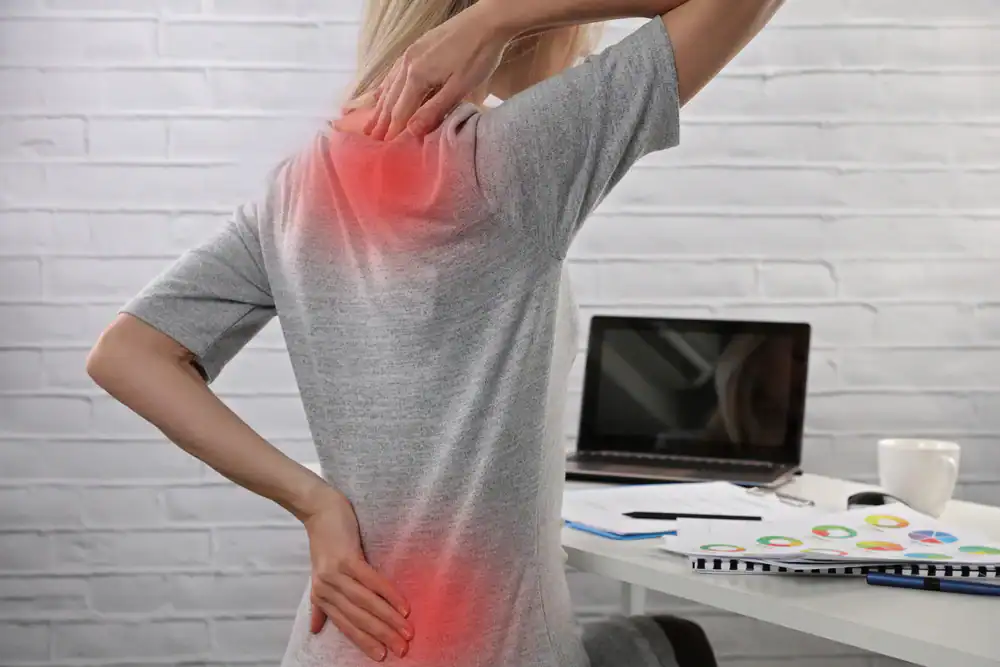
You’ve dealt with the pain long enough to know it’s not going away on its own. The shooting pain down your leg when you stand up. The stiffness in your neck that makes driving uncomfortable. The constant ache that keeps you from sleeping through the night.
Spinal traction in Harbor Place, NJ works by gently separating the vertebrae to reduce pressure inside the disc. When that pressure drops, herniated material can retract toward its normal position. Nerve irritation decreases. Pain, numbness, and tingling start to fade.
This isn’t about masking symptoms with medication or hoping the problem resolves itself. Mechanical spinal traction benefits include increased nutrient flow to the affected area, which helps restore disc height over time. You’re not just feeling better temporarily—you’re creating the conditions for actual healing.
Most patients notice improvement within a few weeks of consistent care. That means less limping, less reliance on pain pills, and more ability to do the things you’ve been avoiding.
Dr. Paul Roses grew up in Bayonne and has been practicing in the area for over three decades. He’s not new to this. He’s seen the full spectrum of spinal conditions—from fresh injuries to chronic pain that’s been ignored for years.
Harbor Place, NJ residents deal with the same issues as the rest of Hudson County: long commutes, desk jobs, physical labor, and the wear that comes with getting older. We understand that context because we’ve been serving this community since 1994.
Our clinic uses state-of-the-art chiropractic techniques, including non-surgical spinal decompression therapy, infrared imaging for baseline assessments, and targeted exercises designed for your specific condition. You’re not getting a one-size-fits-all approach. You’re getting care that’s built around what’s actually wrong.
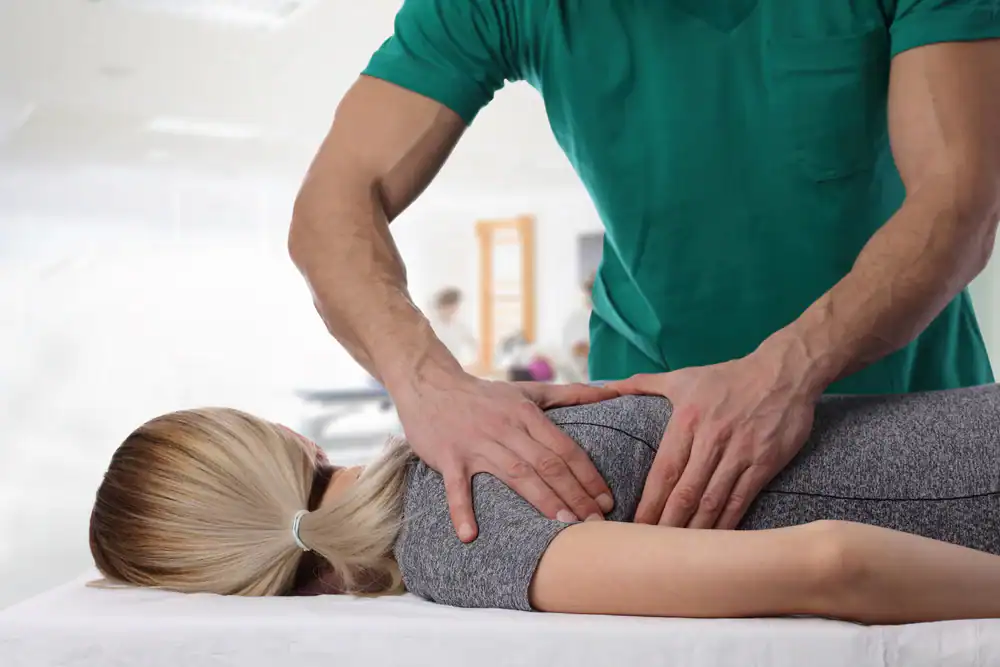
Your first visit starts with an assessment. Dr. Roses uses Titron Infrared Imaging to get a baseline reading of your spine—it’s quick and painless. If needed, x-rays are taken to see what’s going on beneath the surface.
Once the diagnosis is clear, treatment begins. You’ll lie on a specialized table designed for spinal decompression. The table applies controlled, gentle traction to the targeted area of your spine—whether that’s lumbar traction for sciatica or cervical traction for neck pain in Harbor Place, NJ.
The pulling motion creates negative pressure inside the disc. That pressure change allows bulging or herniated material to move back into place and takes stress off the nerve. Each session typically lasts 20 to 30 minutes, and most treatment plans involve multiple sessions over several weeks.
Between visits, you’ll be given exercises to do at home. These aren’t generic stretches—they’re specific to your condition and designed to reinforce the progress you’re making in the office. Dr. Roses also follows up personally to check on your progress, which isn’t common in most practices.
Ready to get started?
Every treatment plan includes a full diagnostic workup, hands-on spinal adjustments, and decompression therapy sessions tailored to your condition. You’re not being rushed through a 10-minute appointment. You’re getting focused attention on what’s causing your pain.
In Harbor Place, NJ, many patients come in after trying other options—physical therapy that didn’t stick, pain management injections that only masked the problem, or being told surgery is the only option left. Lumbar traction for sciatica in Harbor Place, NJ offers a different path. It’s non-invasive, doesn’t require downtime, and has a success rate above 80% for patients with disc-related pain.
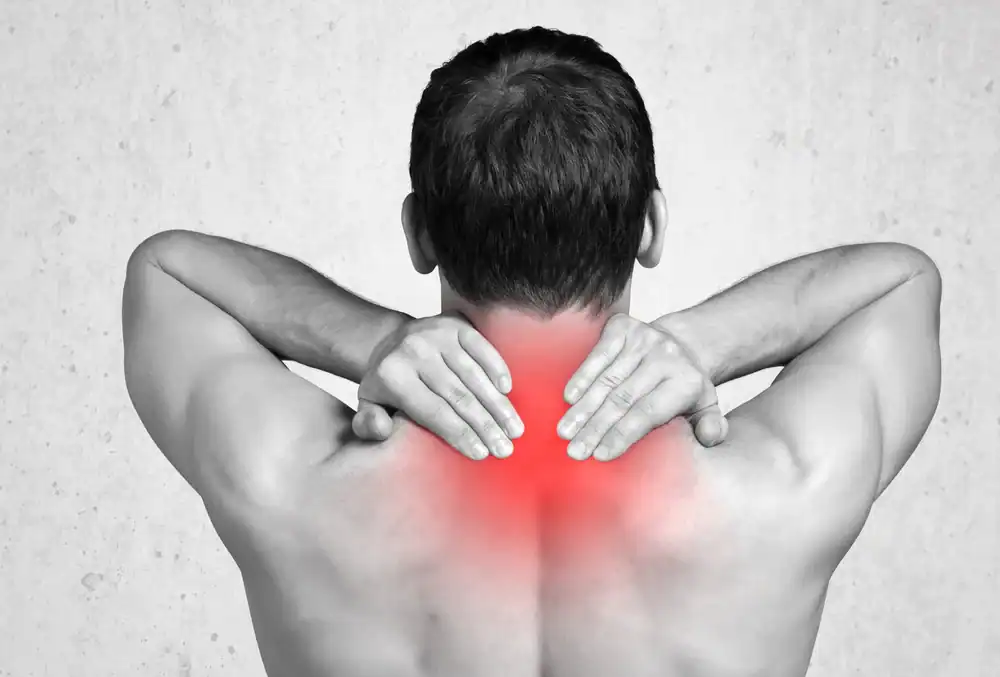
Cervical traction for neck pain in Harbor Place, NJ works the same way but targets the upper spine. If your neck pain radiates into your shoulders or arms, or if you’re dealing with headaches that start at the base of your skull, this approach can help.
You’ll also receive guidance on posture, ergonomics, and movement patterns that might be contributing to the problem. The goal isn’t just to get you out of pain—it’s to keep you out of pain once treatment is done.
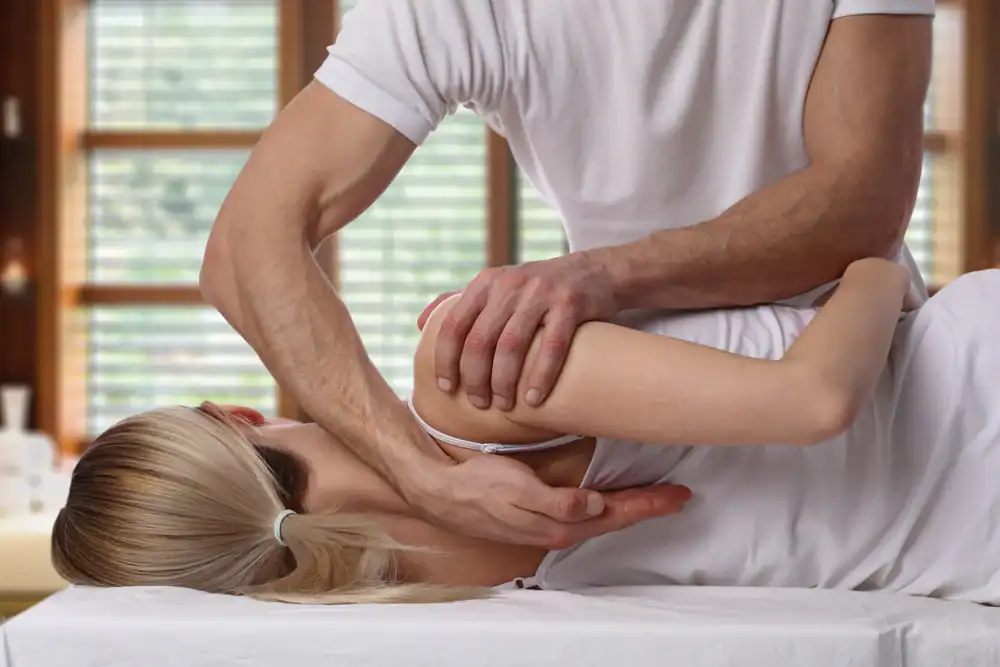
Chiropractic adjustments realign the vertebrae and restore joint mobility. Spinal traction goes a step further by creating space between the vertebrae and reducing pressure inside the disc itself.
If your pain is coming from a herniated disc, a bulge, or nerve compression, traction addresses the root cause more directly than adjustments alone. That’s why many patients see faster, more sustained results when decompression therapy is part of the treatment plan.
We use both techniques together. The adjustments improve alignment and function, while the traction relieves the pressure that’s causing your symptoms. It’s a more complete approach than doing one or the other in isolation.
Most patients start noticing improvement within the first few weeks, but the total number of sessions depends on your condition. A mild disc bulge might respond in 10 to 15 sessions. A more severe herniation or degenerative issue could take 20 to 30.
We don’t lock you into a rigid plan. Dr. Roses evaluates your progress as you go and adjusts the treatment schedule based on how you’re responding. Some people feel significantly better after just a handful of visits. Others need more time, especially if they’ve been dealing with chronic pain for years.
The key is consistency. Skipping sessions or spacing them too far apart can slow your progress. Stick with the plan, do the home exercises, and you’ll see the results stack up.
No. Most patients describe it as a gentle pulling sensation—some even fall asleep during the session. The table is designed to apply traction slowly and in a controlled way, so there’s no sudden jerking or discomfort.
If you’re nervous because you’ve had bad experiences with other treatments, that’s understandable. But this isn’t like getting an injection or having someone crack your back aggressively. The process is gradual, and you stay fully clothed the entire time.
Dr. Roses monitors every session and adjusts the settings based on your feedback. If something doesn’t feel right, he changes it. The goal is relief, not more pain.
Many insurance plans do cover chiropractic care, including spinal decompression therapy, but coverage varies depending on your provider and plan. Some plans cover it fully, others require a copay, and some may have visit limits.
The best move is to call your insurance company and ask specifically about chiropractic services and non-surgical spinal decompression. You can also reach out to us directly—we can help verify your benefits and give you a clearer picture of what to expect.
Even if insurance doesn’t cover everything, the cost of decompression therapy is typically far lower than surgery, hospital stays, or long-term pain management. And starting with chiropractic care has been shown to reduce overall healthcare costs by up to 20% compared to starting with a medical doctor for low back pain.
Yes. Sciatica is usually caused by a herniated or bulging disc pressing on the sciatic nerve. Lumbar traction for sciatica in Harbor Place, NJ relieves that pressure by creating space in the lower spine and allowing the disc material to move away from the nerve.
In most cases, patients see significant improvement within a few weeks of consistent treatment. The shooting pain down the leg starts to fade. The numbness and tingling decrease. Movement becomes easier.
If you’ve been limping, avoiding certain positions, or relying on pain medication just to get through the day, lumbar traction offers a real alternative. It’s not a quick fix, but it works—and it doesn’t involve surgery or long-term drug use.
Spinal traction is most effective for conditions caused by disc problems or nerve compression. That includes herniated discs, bulging discs, degenerative disc disease, sciatica, spinal stenosis, and pinched nerves in the neck or lower back.
It’s also helpful for chronic pain that hasn’t responded well to other treatments. If you’ve tried physical therapy, injections, or medication without lasting relief, non-surgical spinal decompression therapy in Harbor Place, NJ might be the missing piece.
Dr. Roses will evaluate your specific condition during the initial consultation and let you know whether traction is a good fit. Not every back or neck issue requires decompression, but for the conditions it does treat, the results can be life-changing.