
Hear from Our Customers

You’re not looking for temporary relief. You want to bend down without bracing yourself first. You want to sit through a meeting without shifting every two minutes. You want to sleep on your back again.
Mechanical spinal traction benefits in Gregory Park include targeted decompression that creates negative pressure in your discs. That pressure change lets herniated material retract, reduces nerve compression, and allows oxygen and nutrients back into areas that have been starved.
Most people notice something during their first session. Not a cure, but a shift. Less shooting pain down the leg. Less stiffness when standing up. Over 70% of patients experience significant pain relief with this approach, and the results hold up over time when combined with the right follow-through.
This isn’t about managing symptoms forever. It’s about addressing what’s actually wrong so you can get back to normal life in Hudson County without depending on pills or considering surgery you’d rather avoid.
Dr. Paul Roses has spent over 30 years treating people in Hudson County who are tired of being told surgery is their only option. He’s seen what works and what doesn’t, and he’s built our practice around non-surgical spinal decompression therapy in Gregory Park that actually gets results.
This isn’t a high-volume clinic where you’re rushed in and out. You get time, attention, and a treatment plan based on what your body needs—not what’s easiest to bill.
Gregory Park residents deal with long commutes, desk jobs, and the physical toll of working in one of the most demanding metro areas in the country. We understand that context because we’ve been serving this community long enough to know what people are up against. You’re not a number here. You’re someone who deserves to feel better.
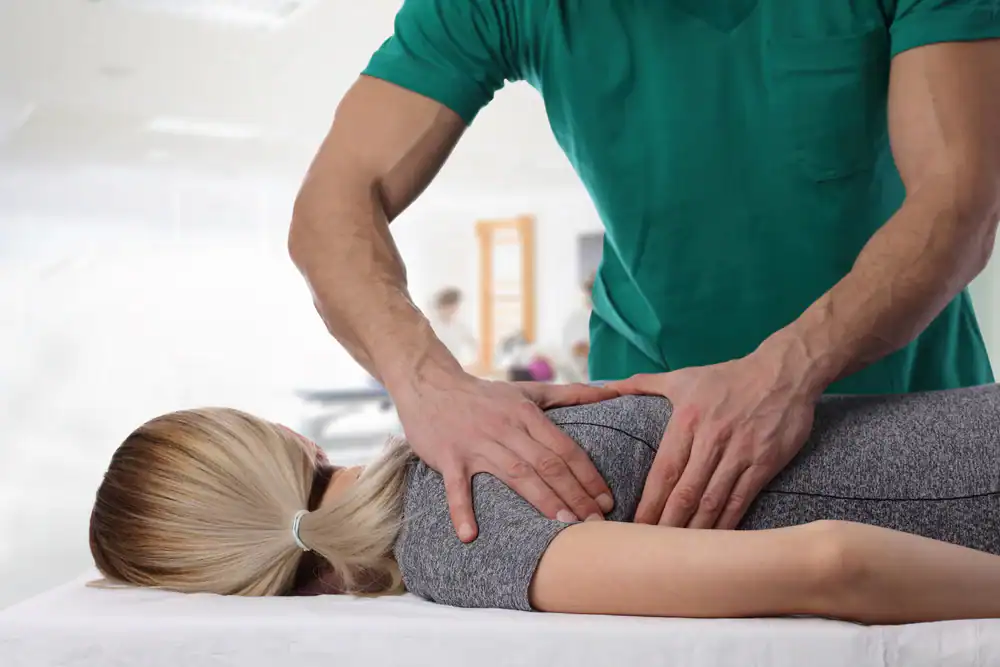
You’ll start with an evaluation. Dr. Roses needs to understand where the pain is coming from, what’s been tried, and whether spinal traction in Gregory Park, NJ is the right fit for your situation. Not everyone qualifies, and that’s okay—you’ll know either way.
If you move forward, you’ll lie on a specialized table that uses computer-controlled technology to apply precise, gentle stretching forces to your spine. The goal is decompression: creating space between vertebrae so discs can retract, nerves can decompress, and blood flow can return. Sessions typically last 30 to 45 minutes. Most people find it comfortable, even relaxing.
Treatment plans usually involve 12 to 20 sessions over four to six weeks. That’s not arbitrary—it’s what the research shows works. You’re not locked into anything, but consistency matters if you want lasting results.
Lumbar traction for sciatica in Gregory Park targets the lower back and leg pain that makes it hard to stand, walk, or sit for any length of time. Cervical traction for neck pain in Gregory Park focuses on the upper spine, helping with headaches, shoulder tension, and arm numbness. Both approaches use the same principle: relieve pressure, restore function, let your body heal.
Ready to get started?
Non-surgical spinal decompression therapy in Gregory Park includes the traction sessions themselves, but also the expertise to know when to adjust the approach. Some people respond quickly. Others need a slower ramp-up. Dr. Roses monitors your progress and modifies treatment based on how your body responds.
You’re also getting a plan that goes beyond the table. Spinal decompression works best when combined with movement, posture adjustments, and sometimes other therapies like chiropractic care or physical rehab. This isn’t about one magic bullet—it’s about stacking the right interventions so your spine actually heals.
Hudson County has a median age of 35.8 years, with over 37% of the population between 25 and 44. That’s prime time for disc herniations, especially if you’re sitting most of the day or lifting regularly at work. The good news: younger patients tend to respond well because their discs still have decent hydration and healing capacity.
Studies show that 92% of patients improved with spinal decompression according to research published in Neurological Research. That’s not a guarantee, but it’s a strong indicator that this approach works when it’s done right. You’re not gambling here—you’re making an informed decision based on decades of clinical evidence and real-world results in Gregory Park, NJ.
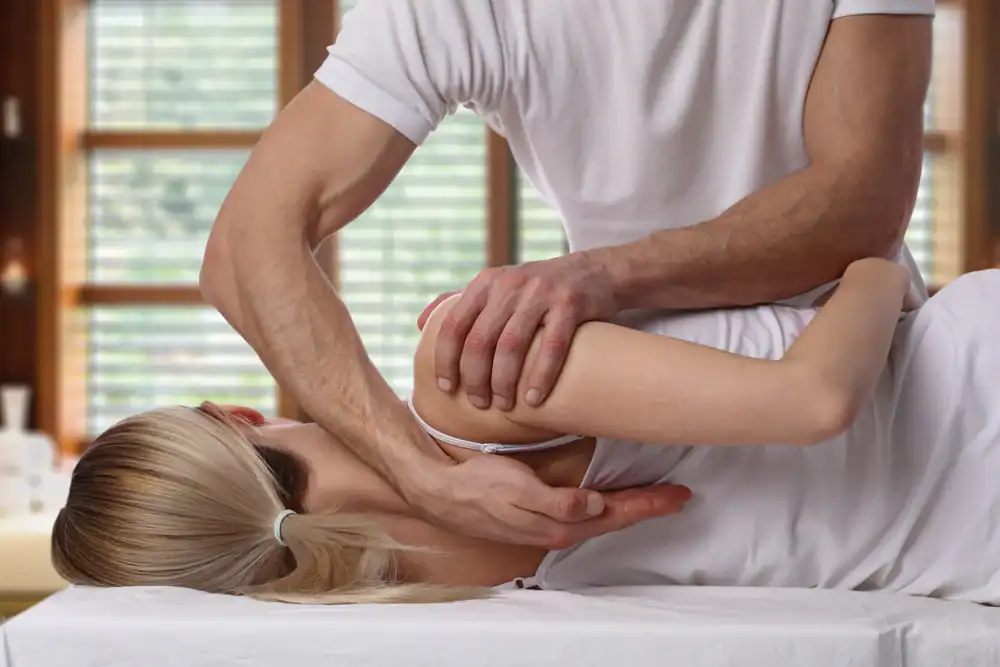
Physical therapy focuses on strengthening, stretching, and movement patterns. That’s valuable, but it doesn’t directly decompress your discs or create the negative pressure needed to retract herniated material.
Spinal traction in Gregory Park, NJ uses computer-controlled equipment to apply precise forces that physically separate vertebrae and reduce pressure inside the disc. That’s a mechanical intervention, not just an exercise program.
Many people come to us after physical therapy didn’t fully resolve their pain. That doesn’t mean PT failed—it just means the root problem needed a different approach. In fact, combining spinal decompression with targeted rehab exercises often produces the best long-term outcomes because you’re addressing both the structural issue and the functional limitations.
Most people notice something during or right after their first session. That might be less nerve pain, easier movement, or just a sense that the pressure has decreased. It’s rarely a complete fix on day one, but it’s enough to know something’s changing.
Real, lasting relief usually builds over the first two to three weeks as inflammation decreases and the disc begins to heal. Some patients feel dramatically better after just a few sessions. Others need the full course of treatment before they hit a turning point.
What matters is the trend. If you’re moving in the right direction—sleeping better, walking further, needing less medication—that’s a good sign. Dr. Roses tracks your progress and adjusts the plan if you’re not responding as expected. You won’t be left wondering whether it’s working.
Yes, if the sciatica is caused by a herniated or bulging disc pressing on the nerve root. Lumbar traction for sciatica in Gregory Park specifically targets that lower lumbar area where most sciatic nerve compression happens.
The goal is to create space so the disc material moves away from the nerve. When that happens, the shooting pain, numbness, and tingling down your leg often improve quickly. Research shows that patients with larger herniations actually tend to respond better to traction, which is counterintuitive but backed by clinical data.
If your sciatica is caused by something else—like piriformis syndrome or spinal stenosis—traction might still help, but the approach may need to be combined with other treatments. That’s why the initial evaluation matters. You need to know what’s actually causing the pain before you can treat it effectively.
Coverage varies depending on your plan. Some insurance policies cover spinal decompression under chiropractic care or physical medicine. Others don’t, or they require prior authorization.
We’ll verify your benefits before you start treatment so there are no surprises. If insurance doesn’t cover it, we’ll talk through the cost upfront. Most people find it affordable compared to surgery, ongoing injections, or months of medication.
The bigger question is whether it’s worth it. If spinal traction in Gregory Park, NJ helps you avoid surgery, get back to work, and stop relying on pain meds, the return on investment is significant. You’re not just paying for sessions—you’re paying to get your life back. That’s hard to put a price on, but it’s worth considering when you’re weighing your options.
Absolutely. Cervical traction for neck pain in Gregory Park addresses disc herniations, nerve compression, and alignment issues in the upper spine that often trigger headaches, shoulder pain, and arm numbness.
Neck problems are common in Hudson County because of how much time people spend looking down at screens or sitting in traffic. That forward head posture puts enormous strain on the cervical spine, and over time it leads to disc degeneration and nerve irritation.
Cervical traction gently stretches the neck to relieve that pressure and restore proper spacing between vertebrae. Many patients report fewer headaches, better range of motion, and less tension in their shoulders and upper back. It’s not a quick fix for posture problems, but it gives your neck the relief it needs to start healing while you work on the habits that caused the issue in the first place.
That’s exactly who this treatment is designed for. People who’ve tried medications, injections, physical therapy, and chiropractic adjustments but still haven’t found relief. You’re not out of options.
Non-surgical spinal decompression therapy in Gregory Park works differently than those other approaches because it directly addresses the mechanical problem: the disc pressing on the nerve. If previous treatments didn’t target that root cause, it makes sense they didn’t fully resolve your pain.
Dr. Roses has worked with plenty of patients who were told surgery was their only option left. Many of them avoided surgery entirely after completing a course of spinal traction. That doesn’t mean it works for everyone, but it does mean you shouldn’t write it off just because other things haven’t worked. Sometimes you just need the right tool for the job.