
Hear from Our Customers

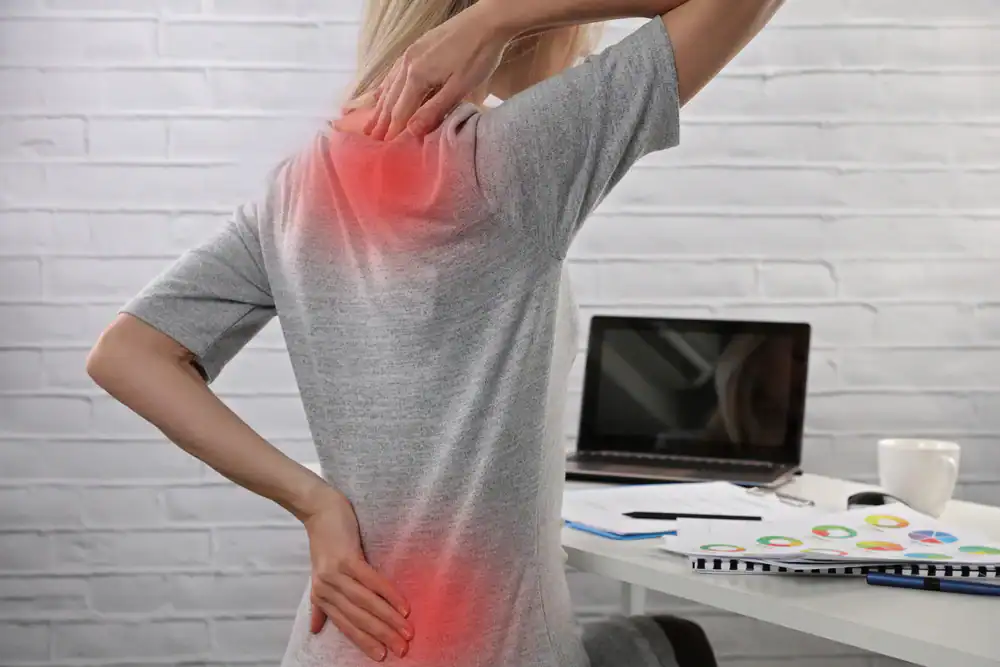
You’re not imagining it—that shooting pain down your leg, the constant ache in your lower back, the stiffness in your neck that won’t quit. When discs compress or herniate, they press on nerves. That pressure creates pain that radiates, limits movement, and wears you down day after day.
Spinal traction in Droyer’s Point, NJ works by gently creating space between your vertebrae. That space allows herniated discs to retract, takes pressure off pinched nerves, and lets healing nutrients flow back into damaged tissue. You’re not masking symptoms—you’re addressing what’s actually wrong.
Most patients feel some relief within the first few sessions. Real, lasting improvement builds over 6-8 weeks as your body heals. You’ll notice you can bend down without wincing, sleep through the night, and move without that constant reminder that something’s wrong.
This is mechanical spinal traction benefits in action—not a temporary fix, but a process that gives your spine what it needs to heal itself. No pills. No injections. No cutting.
Dr. Paul Roses has been practicing chiropractic care since 1981. That’s over 40 years of helping people in Hudson County avoid surgery, get off medications, and return to the activities they thought they’d lost forever.
We’re not chasing trends or overselling miracle cures. We’re using proven spinal decompression methods that work because they address the root cause—not just the symptoms. You’ll get a thorough assessment, honest answers about what’s realistic, and a treatment plan built around your specific condition.
Droyer’s Point residents deal with the same challenges as the rest of Hudson County—long commutes, physical jobs, stress that compounds into physical pain. We’ve seen it all. And we’ve helped thousands of people work through it without resorting to surgery or becoming dependent on pain medication.
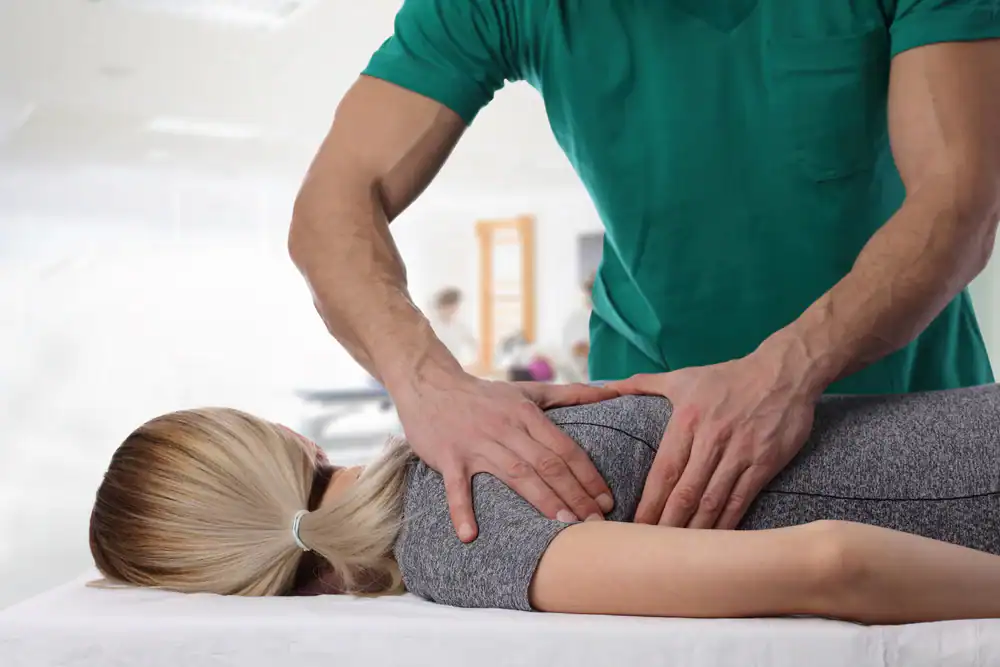
Your first visit includes a consultation and exam. We’ll look at your history, assess your range of motion, and determine whether spinal traction is right for your condition. If needed, we’ll take x-rays. If it’s not the right fit, we’ll tell you.
If you’re a good candidate, treatment starts with you lying comfortably on a computerized decompression table. The table applies gentle, controlled traction to your spine—targeting the specific disc or area causing your pain. Sessions typically last 20-30 minutes. Some people fall asleep. There’s no cracking, twisting, or sudden movements.
The treatment creates negative pressure inside the disc, which helps it retract and allows oxygen, nutrients, and fluids to flow back in. That’s how healing happens. Over multiple sessions, inflammation decreases, nerve pressure drops, and pain subsides.
Most patients start feeling relief within six sessions. Full recovery usually takes 8-12 sessions, depending on severity. We’ll also give you corrective exercises to support the healing process and help prevent future problems. Lumbar traction for sciatica and cervical traction for neck pain both follow this same gentle, progressive approach.
Ready to get started?
Every spinal traction session at Roses Chiropractic includes a targeted decompression treatment using advanced computerized equipment. This isn’t the old-style traction that yanked on your spine. Modern spinal decompression uses controlled, gradual force that your body doesn’t resist—so healing actually happens.
You’ll also receive guidance on exercises and lifestyle adjustments that support your recovery. We’re not just treating you and sending you out the door. You’ll understand what’s happening, why it’s happening, and what you can do between sessions to speed up results.
Treatment is covered by most insurance plans, and we offer payment options for those without coverage. Many Droyer’s Point, NJ residents are surprised to learn that non-surgical spinal decompression therapy is more affordable than they expected—especially compared to surgery, ongoing medication costs, or months of physical therapy that doesn’t address the core issue.
This approach works for herniated discs, bulging discs, sciatica, pinched nerves, degenerative disc disease, and spinal stenosis. If you’ve been told surgery is your only option, you owe it to yourself to explore this first.
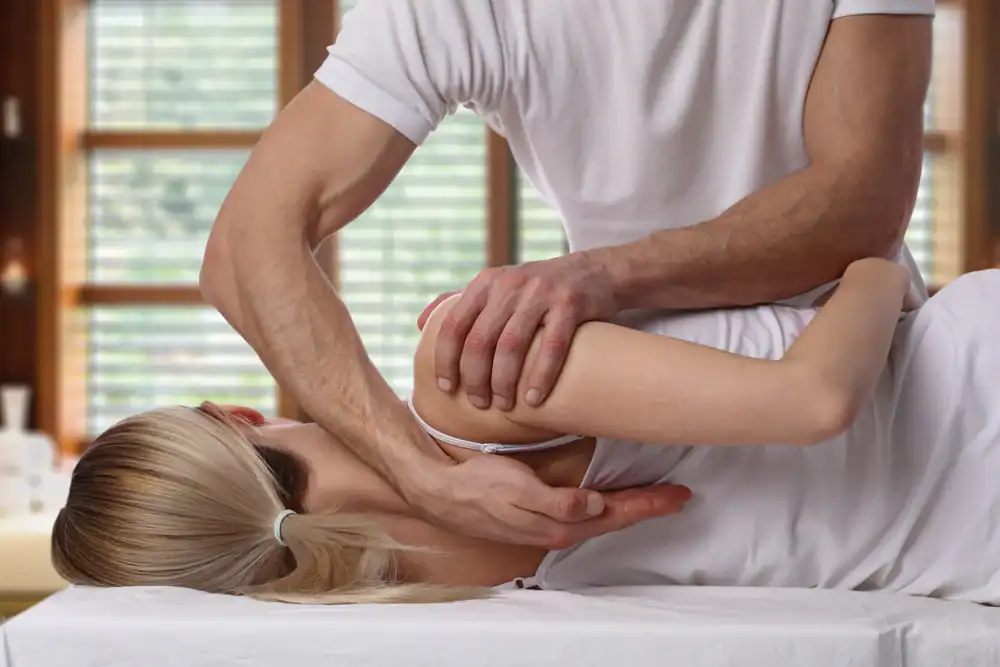
Chiropractic adjustments realign vertebrae and restore joint mobility. Spinal traction focuses specifically on decompressing discs and relieving nerve pressure. They’re complementary, not competing treatments.
If you have a herniated disc or sciatica, adjustments alone might not be enough. The disc itself needs space to heal, and that’s what traction provides. Think of it this way: adjustments fix alignment, traction fixes compression.
At Roses Chiropractic, we use both when appropriate. Dr. Roses evaluates your condition and recommends the approach—or combination of approaches—that will actually solve your problem. Some patients need traction. Some need adjustments. Many benefit from both.
No. Most patients describe it as relaxing. You lie on a table while it gently stretches your spine. There’s no sudden pulling or jerking—just controlled, gradual decompression.
You might feel a mild stretch or slight pressure, but nothing painful. Some people feel immediate relief during the session itself. Others notice the difference a few hours later as inflammation starts to decrease.
Occasionally, patients experience mild soreness after the first session or two—similar to what you’d feel after a good workout. That soreness fades quickly and decreases with each subsequent treatment. If you’ve been living with chronic pain, this is nothing compared to what you’re already dealing with.
Most patients feel some improvement within the first six sessions. Real, lasting relief typically builds over 8-12 sessions as your body heals.
This isn’t a one-and-done treatment. Discs don’t heal overnight. They need time to rehydrate, retract, and repair. Each session builds on the last, gradually reducing inflammation and nerve pressure until you’re functioning normally again.
Some conditions respond faster than others. A mild bulge might improve quickly. A severe herniation with months of chronic pain will take longer. Dr. Roses will give you a realistic timeline based on your specific situation—not a sales pitch, just honest expectations based on four decades of clinical experience.
Spinal traction is particularly effective for herniated discs, bulging discs, sciatica, pinched nerves, degenerative disc disease, and spinal stenosis. If you’re dealing with radiating pain, numbness, or weakness caused by nerve compression, this treatment addresses the source.
It works for both cervical (neck) and lumbar (lower back) issues. Cervical traction for neck pain helps with conditions like herniated cervical discs and neck-related arm pain. Lumbar traction for sciatica relieves that shooting pain down your leg by taking pressure off the sciatic nerve.
It’s not right for everyone. Certain conditions—like fractures, tumors, or severe osteoporosis—aren’t appropriate for traction. That’s why the initial exam matters. We’ll determine whether you’re a candidate before starting treatment, and we’ll be straight with you if something else makes more sense.
Most insurance plans cover spinal decompression therapy when it’s medically necessary. Coverage varies by plan, so we’ll verify your benefits before you start treatment.
If you don’t have insurance or your plan doesn’t cover it, we offer payment plans. The goal is to make this accessible—not to create another financial burden on top of the physical pain you’re already dealing with.
Compare the cost to surgery: weeks of recovery, time off work, surgical risks, and no guarantee it’ll solve the problem. Or compare it to months of medication that masks pain without fixing anything. Non-surgical spinal decompression therapy in Droyer’s Point, NJ is an investment in actually getting better—not just managing symptoms indefinitely.
Many patients use spinal decompression specifically to avoid surgery—and it works. We’ve treated people who were scheduled for surgery and canceled it after experiencing real relief through traction.
Surgery should be a last resort, not a first option. It’s invasive, expensive, and comes with risks and lengthy recovery. If you can solve the problem without cutting into your spine, that’s the smarter path.
That said, some cases do require surgery. If your condition is severe enough that conservative treatment won’t work, we’ll tell you. Dr. Roses has been doing this since 1981—he’s not interested in treating people who need surgical intervention. But if there’s a legitimate chance that spinal traction can help you avoid surgery, you owe it to yourself to try it first.