
Hear from Our Customers

You’re not looking for temporary fixes or another round of pills that wear off by lunch. You want to bend down without bracing yourself. You want to sit through a meeting without shifting every two minutes. You want to sleep on your back again.
Mechanical spinal traction benefits in Communipaw include decompressing herniated discs, relieving pinched nerves, and creating space where your spine has been compressed for months or years. It’s the kind of relief that doesn’t just mask symptoms—it addresses what’s actually wrong.
The treatment itself is straightforward. You’re positioned on a specialized table that gently stretches your spine in controlled intervals. This creates negative pressure inside the discs, which pulls herniated material back into place and allows oxygen, water, and nutrients to flow back in. That’s what promotes actual healing, not just pain management.
Most people walk out of their first session feeling lighter. No recovery time. No restrictions. Just relief you can feel right away and improvement that builds with each visit.
Dr. Paul Roses has been serving Communipaw and the surrounding Hudson County area since 1981. That’s over four decades of treating back pain, sciatica, neck injuries, and the kinds of chronic issues that most people assume they just have to live with.
This isn’t a high-volume clinic where you’re rushed in and out. You get a full assessment, including baseline imaging if needed, and a treatment plan that’s built around your specific condition. Not a template. Not a one-size-fits-all protocol.
Communipaw has one of the highest rates of college-educated adults in New Jersey, and the median age here is 34. That means most of our patients are working full-time, many in jobs that involve sitting, repetitive motion, or physical labor. We see the wear and tear that comes with that, and we know how to treat it without disrupting your routine.
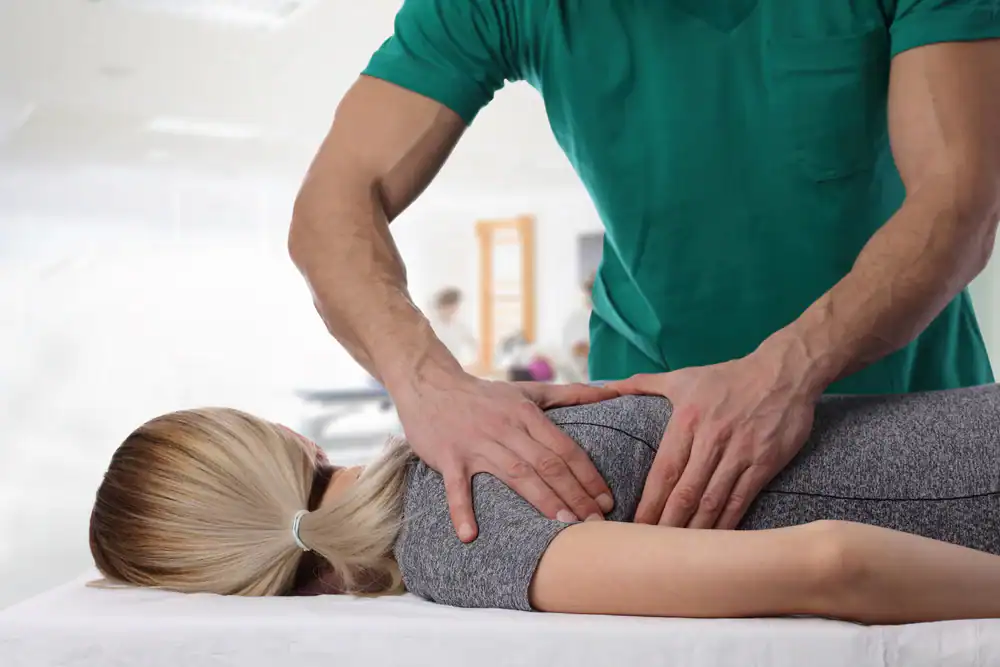
First, we assess your condition. That includes a consultation, a review of your symptoms, and imaging if necessary. We use Titron Infrared Imaging to get a baseline reading of nerve function, and x-rays when warranted. This isn’t guesswork—we need to see what’s going on before we treat it.
Once we know what we’re dealing with, you’ll be positioned on a traction table. The table uses controlled, computerized force to gently stretch your spine. For lumbar traction for sciatica in Communipaw, we focus on the lower back. For cervical traction for neck pain in Communipaw, we target the upper spine and neck. The stretch creates negative pressure in the discs, which encourages herniated or bulging material to retract and allows healing nutrients to flow back in.
Sessions typically last 20 to 30 minutes. You’re awake, comfortable, and in control the entire time. There’s no anesthesia, no incisions, no recovery period. You can go back to work, drive yourself home, or hit the gym if you want.
Most patients need a series of sessions to see lasting results. We’ll map that out based on your condition, but the goal is always the same: get you out of pain and keep you that way without relying on medications or surgery.

Ready to get started?
Non-surgical spinal decompression therapy in Communipaw is built for people who’ve tried everything else—physical therapy, injections, pain meds—and still aren’t getting the relief they need. It’s also for people who want to avoid surgery or who’ve been told surgery is their only option.
Here’s what’s included: a full spinal assessment, customized traction protocols based on your condition, and ongoing adjustments as you progress. We also teach you specific exercises designed to strengthen the areas we’re treating, so the results stick. You can do these at home, and they make a real difference in how fast you improve.
Hudson County sees over 75,000 workplace injuries a year, and a huge percentage of those involve the back. If you’re dealing with a work-related injury, we accept workers’ compensation and can coordinate with your employer or insurance. We’ve treated everyone from warehouse workers to office managers to teachers who’ve been dealing with chronic pain for years.
This isn’t about cracking your back and sending you on your way. It’s about creating the conditions your body needs to heal itself—then giving you the tools to maintain that progress long-term.
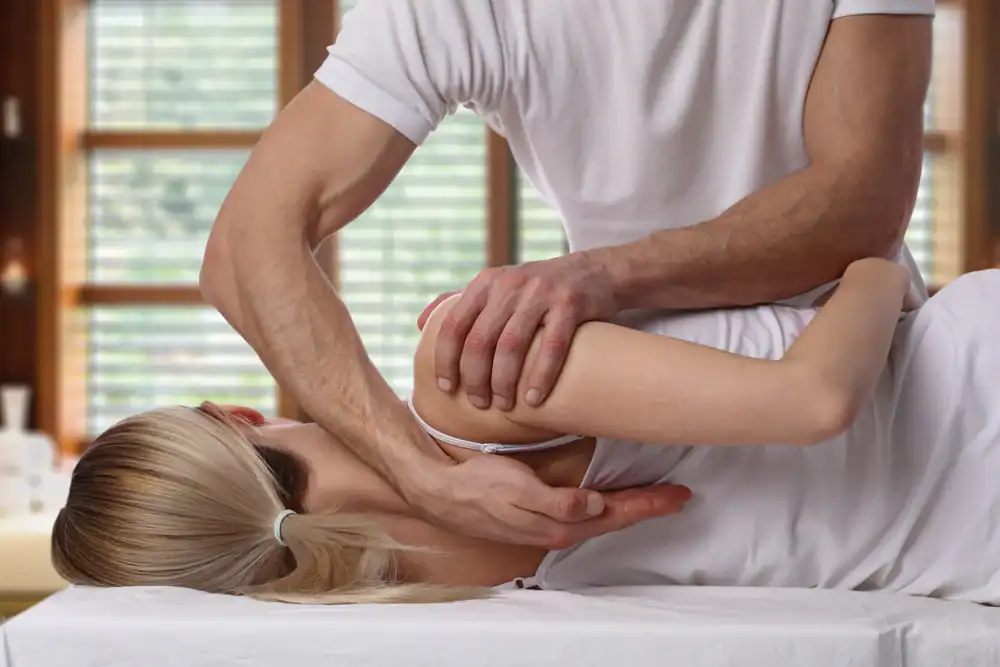
Spinal traction uses mechanical force to gently stretch and decompress your spine over a sustained period—usually 20 to 30 minutes. A chiropractic adjustment, on the other hand, is a quick, targeted manipulation that realigns vertebrae and restores joint mobility.
Both are effective, but they do different things. Traction is especially useful for herniated discs, bulging discs, sciatica, and conditions where you need to create space between the vertebrae. Adjustments are better for misalignment, restricted movement, and acute pain from joint dysfunction.
In many cases, we use both. Traction decompresses the spine and reduces pressure on the nerves. Adjustments keep everything moving the way it should. Together, they address both the structural and functional issues that cause pain.
Most people feel some level of relief after their first session. That might be less pain, better range of motion, or just a sense of lightness in the affected area. But one session isn’t going to fix a problem that’s been building for months or years.
Real, lasting relief comes from a series of treatments. How many depends on your condition. Someone with mild sciatica might need six to eight sessions. Someone with a severe herniated disc might need 15 to 20. We’ll give you a clear plan after your initial assessment.
The good news is that each session builds on the last. You’re not starting from zero every time. Your body is healing between visits, and the traction is helping that process along. Stick with the plan, and you’ll see results that actually last.
Yes. Lumbar traction for sciatica in Communipaw is one of the most effective non-surgical treatments available. Sciatica happens when the sciatic nerve gets compressed, usually by a herniated disc or bone spur in the lower back. That compression sends pain, tingling, or numbness down your leg—sometimes all the way to your foot.
Traction works by creating negative pressure in the disc, which pulls the herniated material away from the nerve. Once that pressure is relieved, the pain starts to go away. It’s not instant, but it’s consistent. Most people notice a reduction in leg pain within the first few sessions.
We also combine traction with adjustments and targeted exercises to address the root cause. If your pelvis is misaligned or your core is weak, those issues will keep putting pressure on the nerve. We fix the whole system, not just the symptom.
It depends on your plan, but many insurance policies do cover spinal decompression therapy, especially when it’s part of a documented treatment plan for a diagnosed condition like a herniated disc or sciatica. We’ll verify your coverage before you start treatment so there are no surprises.
If your back pain is work-related, workers’ compensation typically covers chiropractic care, including traction. New Jersey sees over a million back injuries on the job every year, and most of those are eligible for coverage. We’ve worked with workers’ comp cases for decades, so we know how to handle the paperwork and coordination.
Even if you’re paying out of pocket, the cost of spinal decompression is a fraction of what you’d pay for surgery—and there’s no recovery time, no hospital stay, and no risk of complications. It’s one of the most cost-effective ways to treat chronic back pain.
Cervical traction for neck pain in Communipaw works especially well for herniated discs in the neck, pinched nerves, cervical radiculopathy, and chronic tension that hasn’t responded to other treatments. If you’re dealing with pain that radiates into your shoulders, arms, or hands, traction can relieve the nerve compression causing that.
It’s also effective for cervical spine instability, which is common in people who’ve had whiplash injuries or repetitive strain from desk work. The traction gently stretches the neck, creating space between the vertebrae and taking pressure off the nerves and soft tissue.
You’ll lie on a table with a harness around your head and neck. The machine applies a controlled pull that decompresses the cervical spine. It’s not uncomfortable—most people find it relaxing. And like lumbar traction, it’s cumulative. The more sessions you do, the better the results.
Each session lasts between 20 and 30 minutes. You’ll spend that time on the traction table while the machine does the work. There’s no prep time, no recovery period. You can schedule it during your lunch break if you need to.
The number of sessions depends on what we’re treating. Mild cases—like early-stage disc bulging or minor nerve compression—might only need six to ten sessions. More severe cases, like advanced herniation or chronic sciatica, might need 15 to 20 sessions or more.
We’ll give you a treatment plan after your first visit, and we’ll adjust it as you progress. Some people improve faster than expected. Others need a little more time. The key is consistency. If you commit to the schedule, you’ll see results. If you skip sessions or stop halfway through, the progress stalls.