
Hear from Our Customers
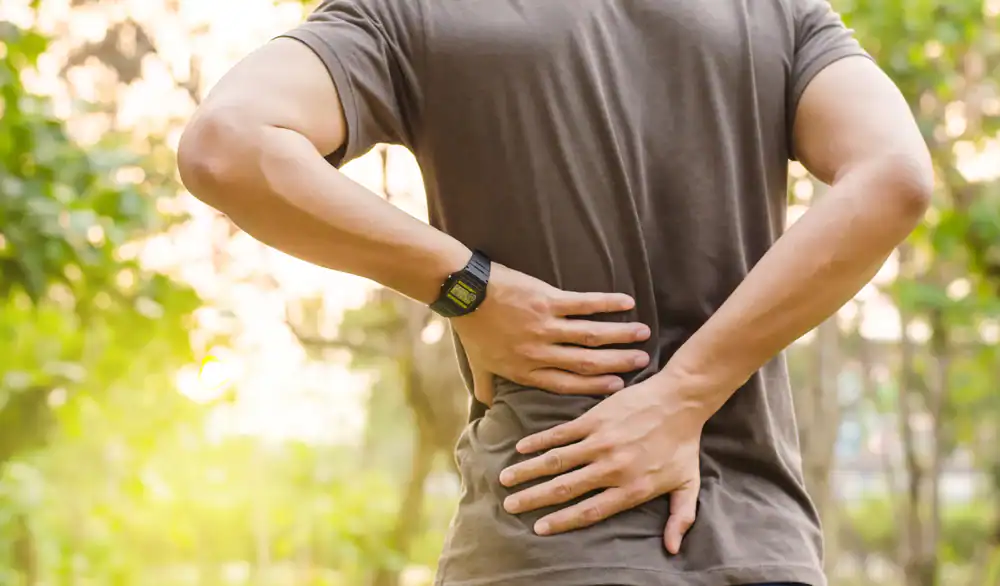
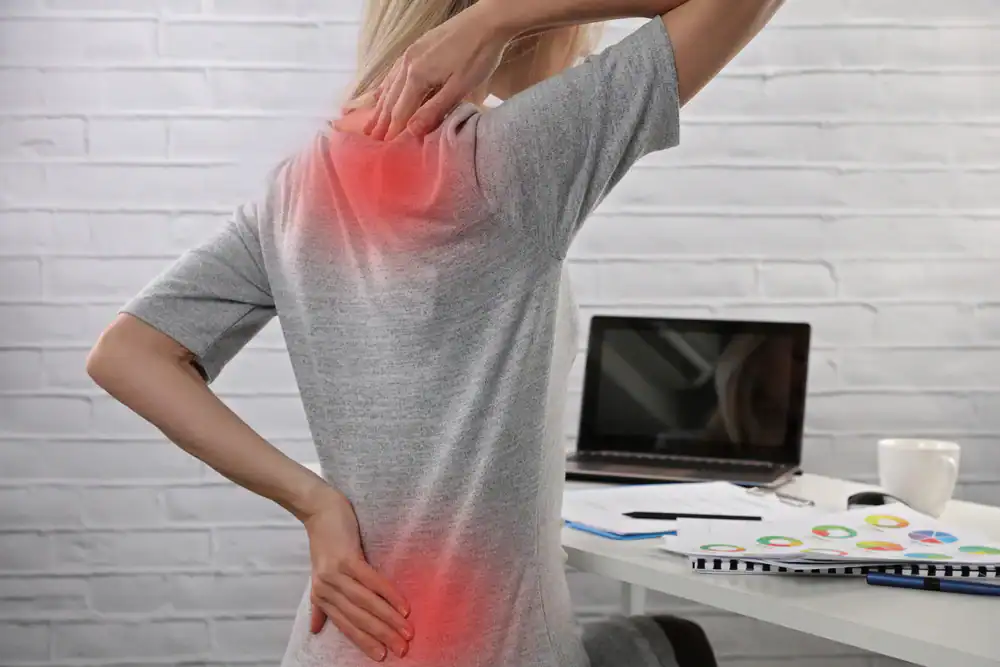
You know that constant ache that makes you walk differently, avoid bending down, or need help putting on your shoes? That’s nerve pressure. When a disc herniates or your spine compresses from years of sitting, standing, or physical work, the soft tissue between your vertebrae bulges out and presses on nerves.
Non-surgical spinal decompression therapy in Canal Crossing, NJ targets that exact problem. Mechanical traction gently pulls specific segments of your spine apart, creating negative pressure inside the disc. That pressure change does two things: it pulls the bulging material back toward center, and it allows fresh nutrients and oxygen to flow back into the disc.
Most people feel some level of relief within the first few sessions. You might notice you’re standing straighter, moving easier, or sleeping through the night again. The goal isn’t just to mask pain—it’s to give your body the space it needs to actually heal.
Dr. Paul Roses has been practicing chiropractic care since 1981. He’s seen thousands of patients walk in limping, frustrated, and out of options—and walk out moving normally again.
We serve Hudson County and the Canal Crossing area with one clear focus: helping you heal without drugs or surgery. Canal Crossing is home to working professionals, families, and retirees who need real solutions that fit into busy lives. We use advanced spinal correction techniques and state-of-the-art technology to assess your condition and create a treatment plan that actually works for your body.
This isn’t a high-pressure sales office. It’s a place where you get honest answers, effective care, and a provider who’s been doing this long enough to know what works.
Your first visit starts with an assessment. We use Titron Infrared Imaging to get a baseline of what’s happening in your spine—it’s painless and takes seconds. You’ll talk through your symptoms, your history, and what you’ve already tried.
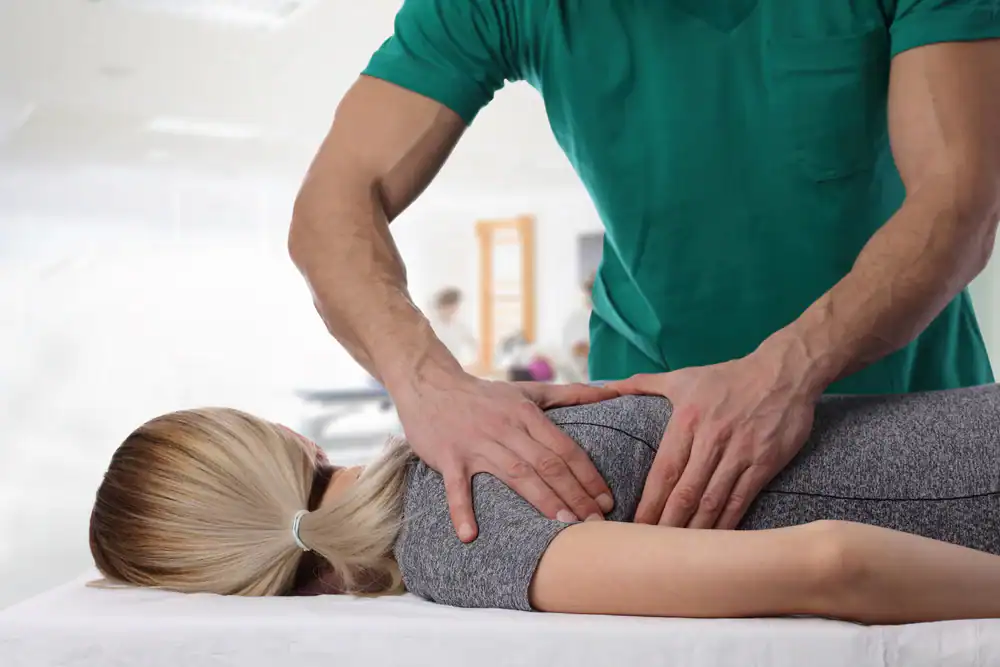
Once we understand your condition, you’ll begin treatment. Mechanical spinal traction involves lying on a specialized table that applies controlled, gentle pulling force to your spine. The traction targets the exact area causing your pain—whether that’s your lower back, neck, or mid-spine. Sessions typically last 15 to 30 minutes.
You’re not strapped down or stretched aggressively. The pressure is calibrated to your body and adjusted based on how you respond. Some people feel immediate relief. Others notice gradual improvement over a few sessions.
Between visits, we may give you specific exercises designed for your condition. These aren’t generic stretches—they’re movements that support what’s happening during traction and help your body hold the corrections longer. The combination of in-office treatment and at-home work is what makes the results last.
Ready to get started?
Lumbar traction for sciatica in Canal Crossing, NJ is one of the most common reasons people seek this treatment. Sciatica happens when a herniated or bulging disc in your lower back presses on the sciatic nerve, sending sharp pain down your leg. Traction relieves that pressure and gives the nerve room to calm down.
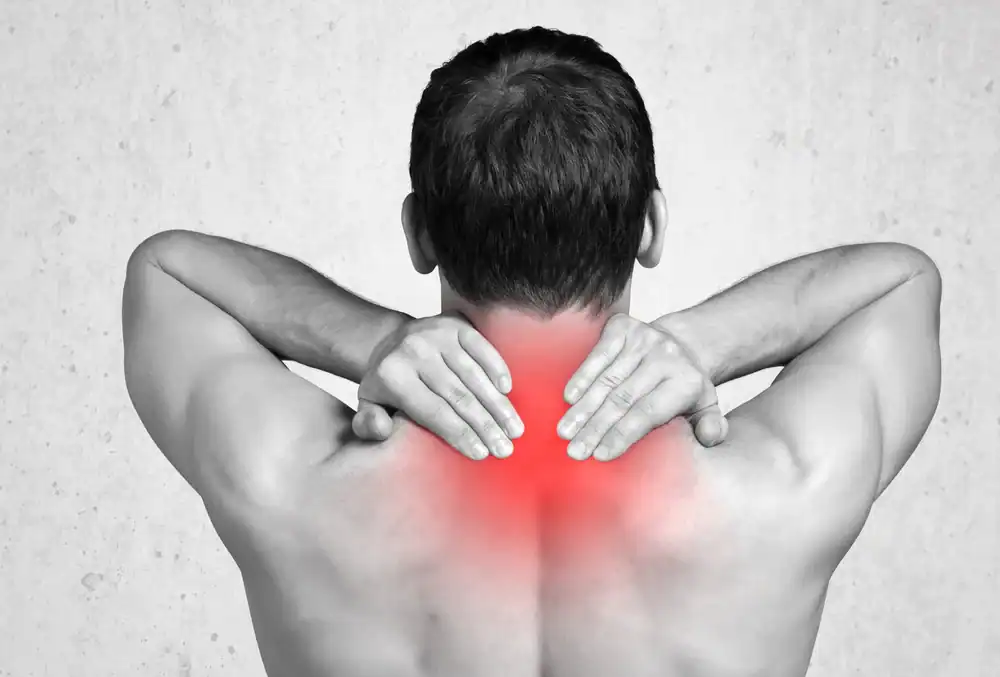
Cervical traction for neck pain in Canal Crossing, NJ works the same way, but for your upper spine. If you’ve got radiating pain into your shoulders or arms, numbness in your hands, or constant tension headaches, cervical traction can decompress the discs in your neck and take the load off pinched nerves.
Mechanical spinal traction benefits in Canal Crossing, NJ extend beyond herniated discs. Spinal stenosis, degenerative disc disease, chronic lower back pain, and even some cases of failed back surgery syndrome respond well to this approach. Hudson County has a large population of working adults between 25 and 65—many of whom spend hours sitting at desks, driving, or doing physical labor. Those patterns create the exact conditions that lead to disc problems.
You don’t need to be in crisis to benefit. If you’ve been managing pain with medication, heating pads, or just toughing it out, this is worth exploring before you’re facing surgery or permanent limitations.
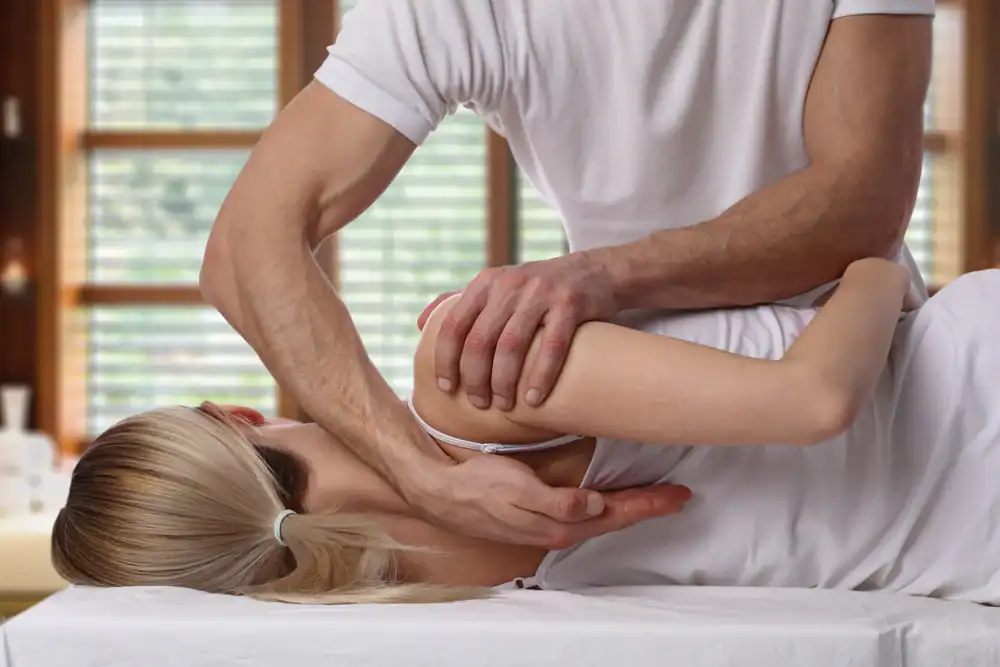
Most people notice some level of improvement within the first three to five sessions. That might mean less pain when you wake up, better range of motion, or the ability to sit or stand longer without discomfort.
The timeline depends on your condition. A recent herniated disc often responds faster than chronic degeneration that’s been building for years. We’ll give you a realistic expectation during your first visit based on what we see in your assessment.
Full recovery usually takes several weeks of consistent treatment. You’re not just chasing symptom relief—you’re giving damaged tissue time to heal and rehydrate. That process doesn’t happen overnight, but it does happen if you stay consistent with your sessions and follow the care plan.
Spinal traction is one of the safest non-surgical treatments available for back and neck pain. When applied correctly, it doesn’t cause pain—it relieves it. The pressure is controlled and adjusted to your comfort level.
You might feel a gentle pulling sensation, but it shouldn’t hurt. If you experience any discomfort during the session, the force can be reduced immediately. We monitor your response throughout the treatment to make sure your body is tolerating it well.
Cervical traction for neck pain in Canal Crossing, NJ has very few risks when proper technique is used. The same goes for lumbar traction. Serious complications are extremely rare, especially compared to the risks of surgery or long-term medication use. You’re working with someone who’s been doing this for over 40 years—that experience matters.
In many cases, yes. Non-surgical spinal decompression therapy in Canal Crossing, NJ is specifically designed to give people an alternative to surgery. Research shows that mechanical traction can effectively relieve lumbar and leg pain in patients with disc herniation, often with better outcomes than conventional physical therapy alone.
If you’ve been told you need surgery for a herniated disc, spinal stenosis, or sciatica, it’s worth getting a second opinion and exploring traction first. Surgery is invasive, expensive, and comes with recovery time and risks. Traction gives your body a chance to heal on its own.
That said, not every condition can be treated conservatively. If you have severe nerve damage, loss of bowel or bladder control, or progressive weakness, surgery may be necessary. We’ll be honest with you about whether traction is a good fit for your situation or if you need a different level of care.
Chiropractic adjustments realign the bones of your spine to restore proper movement and remove nerve interference. Spinal traction decompresses the discs between those bones to relieve pressure and create space for healing.
They work well together. Adjustments correct misalignments. Traction addresses the soft tissue damage that often comes with those misalignments. We use both as part of a comprehensive approach depending on what your body needs.
Some people respond better to adjustments. Others need the sustained decompression that traction provides. In many cases, combining the two gives the best results. You’re not locked into one method—you’re getting a customized plan based on your specific condition and how your body responds to treatment.
Cost varies depending on how many sessions you need and what your insurance covers. Many insurance plans do cover chiropractic care, including spinal decompression and traction, but coverage levels differ.
We can verify your benefits before you start treatment so you know what to expect. If you don’t have insurance or your plan doesn’t cover the full cost, we can discuss payment options with you.
What matters most is whether the treatment works. Compare the cost of a few weeks of traction sessions to the cost of surgery, hospital stays, time off work, and months of recovery. For most people dealing with herniated discs or sciatica, traction is the more affordable and less disruptive option. You’re investing in avoiding bigger problems down the road.
No. You can schedule directly with us without a referral from another doctor. We’ll conduct our own assessment to determine if spinal traction in Canal Crossing, NJ is appropriate for your condition.
That said, if you’ve already had imaging done—like an MRI or X-ray—bring those results with you. They help us see exactly what’s going on inside your spine and create a more targeted treatment plan.
If you’ve been seeing another provider and want to explore traction as an additional or alternative option, that’s fine too. You’re allowed to seek out the care that makes sense for your body. We’ve worked with patients who’ve tried physical therapy, pain management, injections, and other treatments without success. Our job is to figure out if traction can help where other approaches haven’t.