
Hear from Our Customers

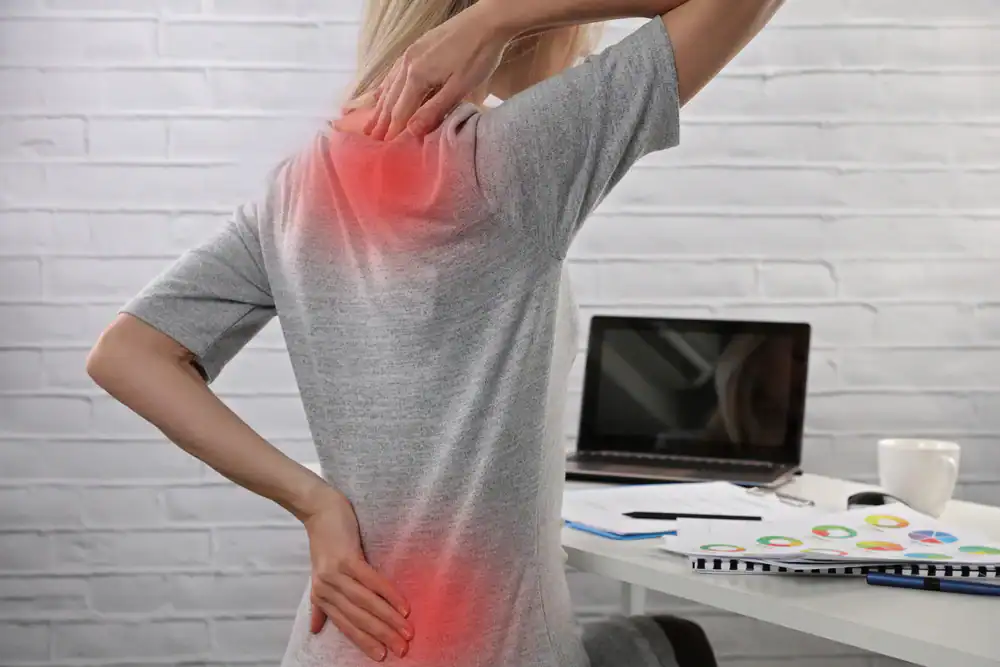
You’re working from home now, and your back hasn’t forgiven you for it. That makeshift desk setup looked fine in March 2020. Three years later, you’re dealing with pain that starts in your lower back and shoots down your leg by 2 PM.
Here’s what actually happens with mechanical spinal traction benefits in Bergen-Lafayette, NJ: the treatment creates negative pressure inside the disc itself. Not just stretching your spine. Not just loosening tight muscles. We’re talking about changing the pressure gradient so your body can actually rehydrate damaged discs and pull herniated material back where it belongs.
86% of patients with ruptured discs report good-to-excellent results with modern decompression therapy. Compare that to 55% with older traction methods. The difference isn’t marketing—it’s measurable relief that lets you sit through a Zoom call without shifting every five minutes.
You get your mobility back. You sleep through the night. You pick up your kid without that split-second calculation about whether it’s worth the pain. That’s what happens when the compression stops and your body gets space to heal.
Dr. Paul Roses has been practicing chiropractic in this area since 1981. That’s over four decades of treating real people with real pain in Bergen-Lafayette, NJ—not just following a protocol someone handed him last year.
Our approach here is straightforward: move bones away from nerves and let your body do what it’s designed to do. No unnecessary drugs. No surgery unless you actually need it. Just evidence-based treatment that respects how your spine works.
Bergen-Lafayette has changed a lot since the ’80s. The population has grown to over 46,000 residents, with more young professionals working remotely than ever before. We’ve adapted our practice to address the new wave of work-from-home injuries—because sitting at your kitchen table for three years does real damage to your spine.
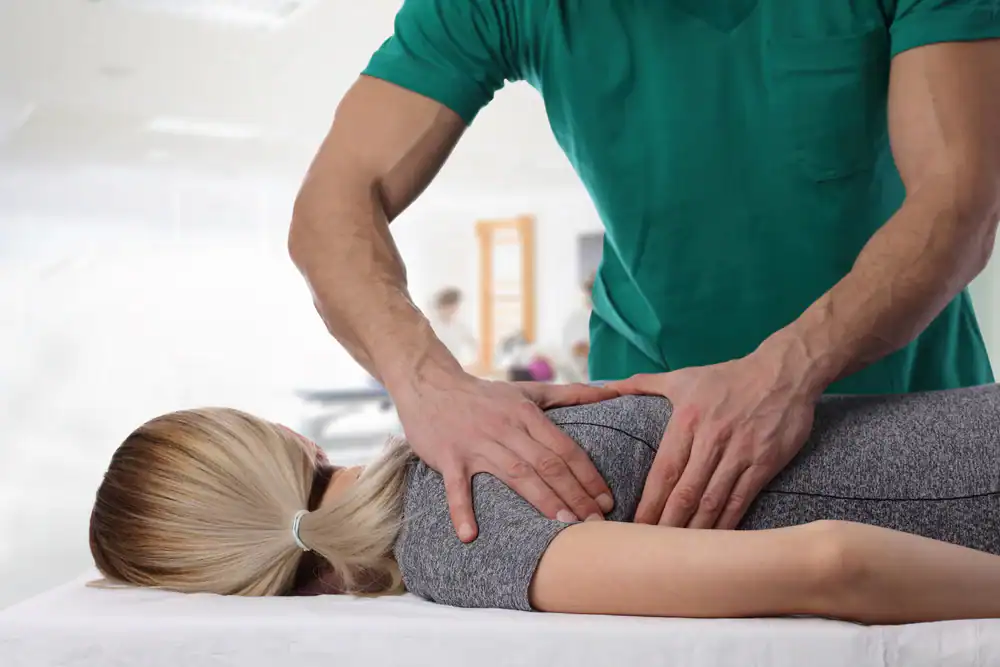
First visit, we figure out what’s actually wrong. That means a real examination—not a five-minute chat before someone hands you a treatment plan. We need to know which disc is herniated, where the nerve compression is happening, and whether lumbar traction for sciatica in Bergen-Lafayette, NJ is the right approach for your specific condition.
Once we have a clear picture, you’ll lie on a specialized decompression table. It’s not uncomfortable. The table uses computerized sensors that monitor your spine’s response hundreds of times per second. When your muscles start to tense up (which they will, because they’re protecting an injury), the system automatically adjusts. This prevents the guarding reflex that makes traditional traction less effective.
The treatment itself takes about 30-45 minutes. You’re not doing anything except lying there while the table creates negative pressure in the targeted disc. Most people need 15-20 sessions over several weeks. Not because we’re dragging it out—because that’s how long it takes for damaged tissue to rehydrate and heal.
Between sessions, you’ll likely notice improvements in how far you can walk, how long you can sit, and how well you sleep. Those aren’t placebo effects. They’re signs that the pressure on your nerves is actually decreasing.

Ready to get started?
Herniated discs are the obvious one. When that gel-like center pushes through the outer ring and compresses a nerve, you get pain that radiates down your arm or leg. Cervical traction for neck pain in Bergen-Lafayette, NJ addresses the same problem in your neck—especially common if you’re craning forward at a laptop all day.
Sciatica responds well to this treatment because we’re targeting the root cause: the compressed nerve in your lower back. Not just masking the shooting pain in your leg with medication. Spinal stenosis—where the spaces in your spine narrow and pinch nerves—also improves when we can create more room for those nerves to function.
Here’s something specific to Bergen-Lafayette: 39.1% of remote workers report stronger lower back pain compared to when they worked in an office. That’s not a coincidence. Your home office setup is probably terrible for your spine, and you’re sitting there 8-10 hours a day. Female remote workers in this area are 2.3 times more likely than men to develop musculoskeletal discomfort.
We’re seeing more of these cases than ever before. The good news? Non-surgical spinal decompression therapy in Bergen-Lafayette, NJ works for work-from-home injuries just as well as it does for traditional back problems. Your body doesn’t care how you injured your disc—it just needs the pressure to stop so healing can start.
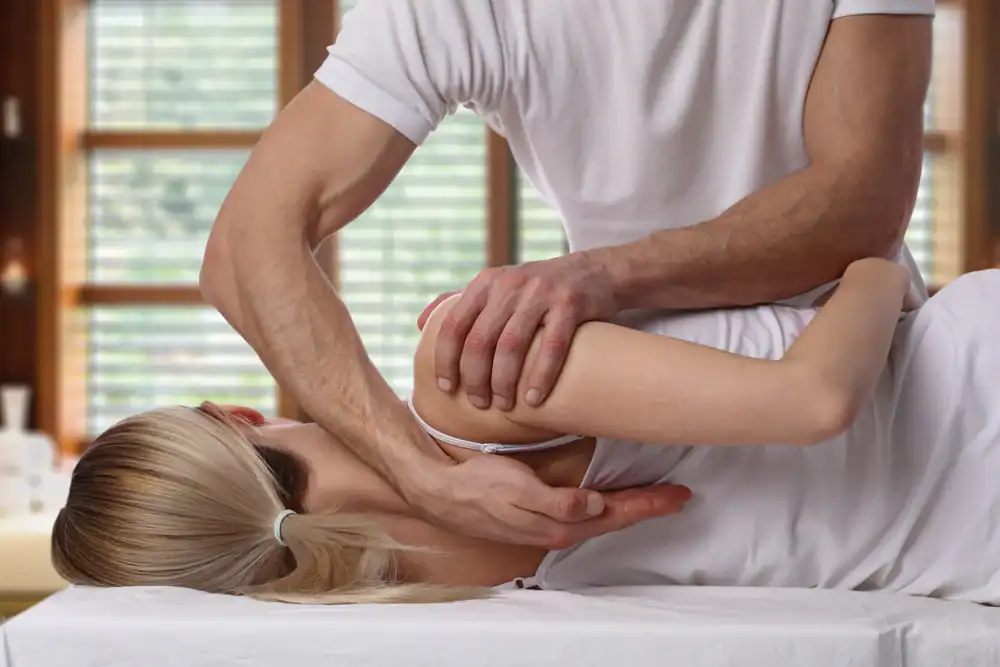
Regular traction pulls on your entire spine with steady force. Your muscles sense this and tighten up to protect what they think is an injury under attack. That’s called the guarding reflex, and it limits how effective the treatment can be.
Modern spinal decompression uses computerized sensors that detect when your muscles start to guard. The system immediately adjusts—reducing force, changing the angle, or pausing entirely. This happens hundreds of times during a single session. The result is that we can create actual negative pressure inside the disc without triggering your body’s defense mechanisms.
That negative pressure is the key difference. We’re not just stretching your spine. We’re changing the pressure gradient inside the disc itself, which encourages rehydration and allows herniated material to move back into place. Studies show 86% good-to-excellent results with decompression versus 55% with traditional traction. The technology matters.
Most people notice some improvement within the first week—maybe you can sit longer without pain, or the shooting sensation down your leg isn’t as intense. But real, lasting relief typically takes 15-20 sessions over 4-6 weeks.
Here’s why: your disc didn’t herniate overnight, and it won’t heal overnight either. We’re trying to rehydrate tissue that’s been compressed and damaged, sometimes for months or years. That takes time. Each session builds on the last one, gradually reducing pressure and creating space for your body to repair itself.
Some people feel dramatically better after five sessions and wonder why they need to continue. The answer is that early relief doesn’t mean complete healing. If you stop too soon, the problem often comes back because the disc hasn’t fully recovered. Think of it like physical therapy after surgery—you need the full course of treatment, not just until the pain dulls.
Most insurance plans cover spinal decompression when it’s medically necessary—meaning you have a diagnosed condition like a herniated disc, sciatica, or spinal stenosis that hasn’t responded to conservative care. We’re not talking about maintenance adjustments or wellness care. This is treatment for a specific injury.
Coverage varies by plan, so we verify your benefits before starting treatment. Some plans cover the full cost after your deductible. Others require a copay for each visit. A few plans have session limits or require pre-authorization. We handle all of that on our end—you don’t need to call your insurance company and try to explain CPT codes.
If your plan doesn’t cover it, or if you haven’t met your deductible yet, we’ll give you the actual cost upfront. No surprises. No bills showing up three months later. You’ll know what you’re paying before you commit to treatment.
Yes, because we’re addressing a different problem. Physical therapy typically focuses on strengthening muscles, improving flexibility, and teaching you better movement patterns. All of that is valuable. But if you have a herniated disc that’s actively compressing a nerve, no amount of core strengthening will fix that mechanical problem.
Spinal decompression targets the disc itself—creating negative pressure that allows herniated material to retract and reduces the compression on your nerve. That’s not something physical therapy can do. It’s also not something massage, stretching, or muscle work can accomplish. You need to change what’s happening inside the disc.
Many of our patients come to us after physical therapy didn’t fully resolve their pain. That doesn’t mean physical therapy failed—it just means the disc herniation needs a different approach. In fact, combining decompression with targeted exercises often gives better results than either treatment alone. We’re not competing with physical therapy. We’re addressing the underlying structural issue so the strengthening work can actually help.
No. Most people find it relaxing—some even fall asleep during sessions. You’re lying on a padded table while the machine does all the work. There’s a pulling sensation as the table creates traction, but it shouldn’t hurt. If it does, something’s wrong and we adjust immediately.
The computerized system monitors your muscle tension in real-time. If your body starts to guard or tense up, the machine automatically reduces force. This is completely different from old-school traction tables that just pulled with steady force regardless of how your body responded. You’re not gritting your teeth and enduring it. You’re lying there while the technology does exactly what your spine needs.
After the session, some people feel a little sore—similar to how you might feel after a good workout. That’s normal and usually goes away within a few hours. It’s not the sharp, shooting pain you came in with. It’s your body adjusting to having more space and less compression. If you’re experiencing actual pain during or after treatment, tell us immediately so we can modify your protocol.
Don’t wait. Disc herniations don’t usually get better on their own if they’ve been bothering you for more than a few weeks. Most cases resolve within 1-12 weeks with conservative treatment, but if you’re past that window and still in pain—or if the pain is getting worse—you need intervention.
Worsening pain often means the herniation is progressing or the nerve compression is increasing. The longer a nerve stays compressed, the more damage occurs. Some of that damage can become permanent if you wait too long. We’re not trying to scare you, but there’s a real window where non-surgical treatment works best. Once you’re past that window, your options narrow.
Call and get evaluated. We’ll tell you honestly whether spinal traction in Bergen-Lafayette, NJ is appropriate for your condition, or whether you need a different approach. If you need imaging, we’ll tell you. If you need a referral to a specialist, we’ll tell you that too. But sitting at home hoping it gets better while it’s actually getting worse? That’s the worst option.