
Hear from Our Customers
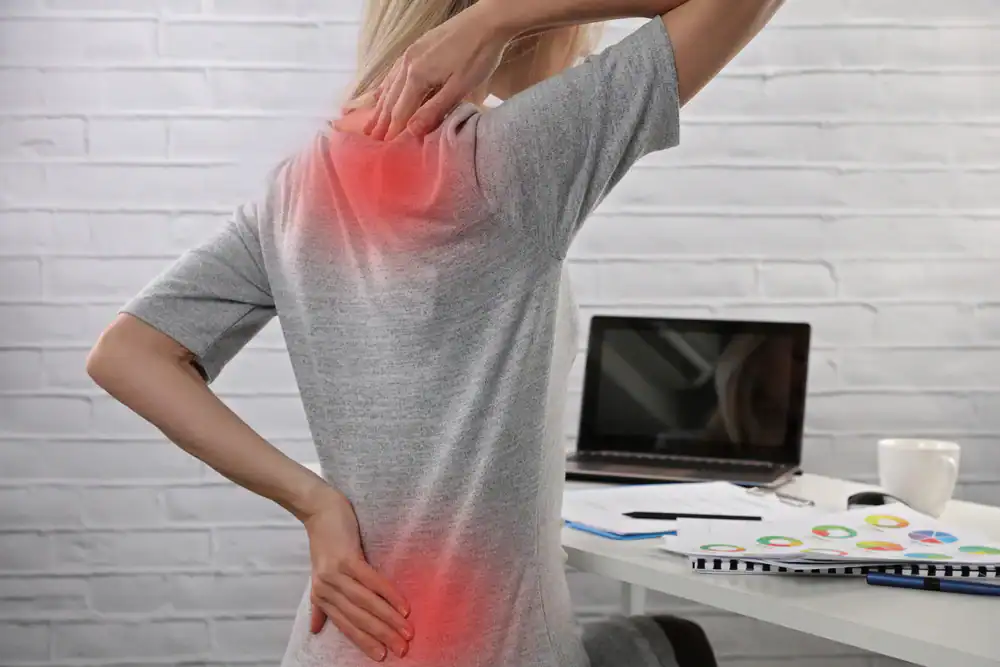
You’re not looking for temporary relief. You want to sleep through the night without waking up in pain. You want to pick up your kids or grandkids without hesitating. You want to work a full day without counting down the hours until you can lie down.
Spinal traction in Beacon, NJ addresses the mechanical problem causing your pain. When a herniated disc or compressed nerve is creating pressure on your spinal cord, that pressure needs to go somewhere. Traction gently separates the vertebrae, reducing that pressure and giving damaged discs space to heal naturally.
Over 70% of patients report significant pain relief with this approach. That’s comparable to surgical outcomes—without the recovery time, risk, or cost. Most people notice improvement within the first few treatments, and many see lasting results that let them return to activities they’d given up on.
Dr. Paul Roses has spent over 30 years helping people in Hudson County find relief from chronic pain. After providing on-site care to first responders at Ground Zero following September 11th, he returned to the community he grew up in with one focus: helping people heal without unnecessary drugs or surgery.
Beacon residents dealing with chronic back pain know the frustration of treatments that don’t last. We use advanced spinal traction technology—not because it’s new, but because it works. The DRX9000 system allows for customized treatment that adjusts to your specific condition, whether you’re dealing with lumbar traction for sciatica or cervical traction for neck pain.
You’re not getting a one-size-fits-all approach here. You’re getting someone who listens, explains what’s happening in your spine, and follows up to make sure you’re actually improving.
Your first visit starts with a real conversation about what’s going on. Not a rushed five-minute overview—an actual discussion about when your pain started, what makes it worse, and what you’ve already tried.
From there, Dr. Roses examines your spine to pinpoint exactly where the problem is. Sciatica, herniated discs, and nerve compression all show up differently, and the treatment needs to match the condition.
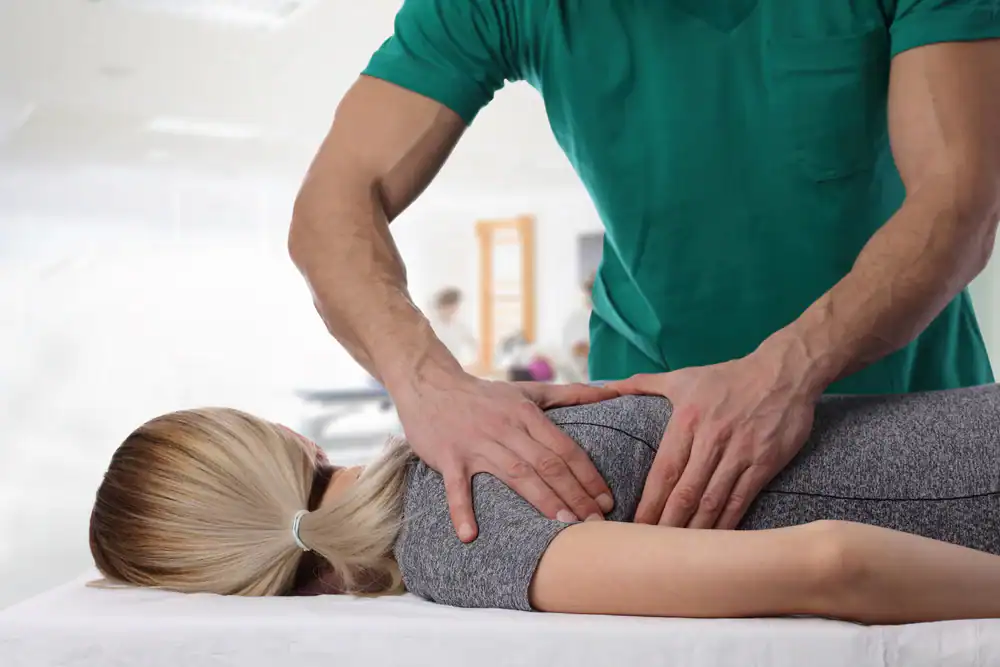
During spinal traction, you’re positioned on the DRX9000 table, which applies controlled, gentle force to the affected area of your spine. The system cycles between stretching and relaxing, creating a vacuum effect inside the disc. That vacuum pulls herniated material back into place and increases blood flow to the area, which is what actually triggers healing.
Most treatment plans involve multiple sessions over several weeks. You’re not locked into anything long-term, but consistency matters. The goal is to reduce your pain enough that you can move normally again—and stay that way.
Ready to get started?
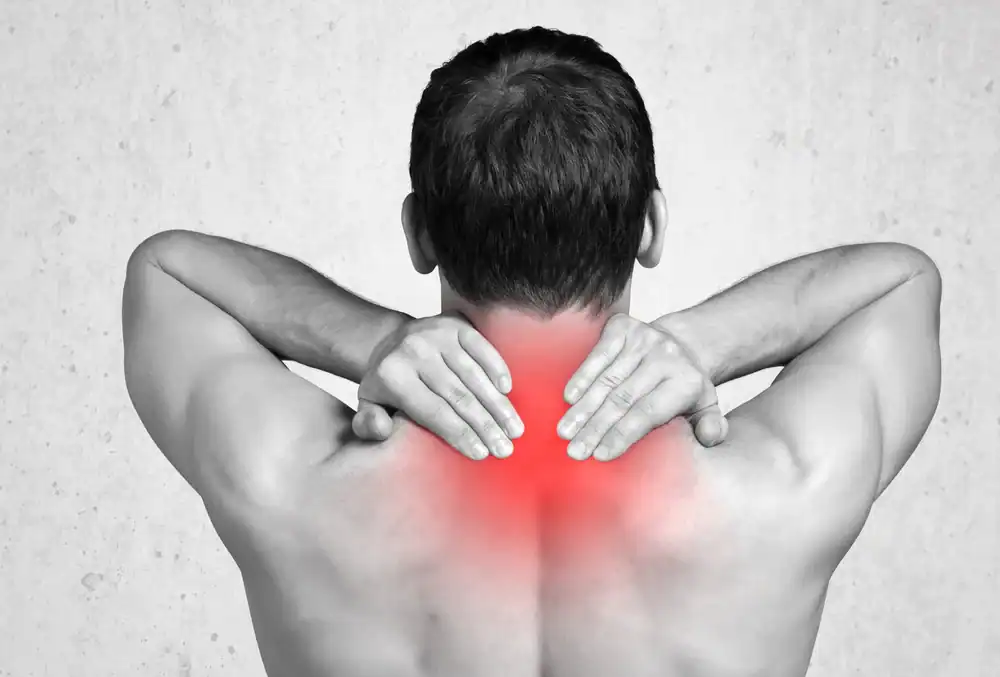
Spinal traction in Beacon, NJ treats the conditions that cause the most missed workdays and sleepless nights: herniated discs, sciatica, degenerative disc disease, spinal stenosis, pinched nerves, and chronic neck pain.
If you’ve been told you need surgery, or if you’ve tried physical therapy and medication without lasting results, non-surgical spinal decompression therapy offers a different path. It’s not a miracle cure, but it’s a proven method that works for the majority of people who commit to the process.
Beacon residents dealing with lower back pain know how it limits everything. Nearly 4 in 10 office workers experience it, and it’s one of the top reasons people call out of work. The mechanical spinal traction benefits go beyond pain relief—you regain mobility, reduce inflammation, and give your body the conditions it needs to heal itself.
This isn’t about managing pain forever. It’s about addressing the root cause so you don’t have to.
Most people notice some improvement within the first few sessions. That doesn’t mean all your pain disappears overnight, but you’ll likely feel a reduction in intensity or frequency.
A typical treatment plan runs 15 to 20 sessions over four to six weeks. Some people feel significantly better halfway through. Others need the full course to get lasting relief. It depends on how severe your condition is and how long you’ve been dealing with it.
If you’ve had chronic pain for years, your body needs time to respond. But if you’re a few weeks in and seeing zero change, that’s worth discussing. Dr. Roses adjusts the approach based on how you’re responding, not a rigid protocol.
Spinal traction is one of the safest treatments available for disc-related pain. The majority of patients report no side effects at all.
Some people feel mild soreness after the first session or two, similar to what you’d feel after a workout. That’s normal and usually fades quickly. You’re not dealing with the risks that come with surgery—no anesthesia, no incisions, no months of recovery.
That said, spinal traction isn’t right for everyone. If you have certain conditions like fractures, tumors, or severe osteoporosis, it’s not recommended. Dr. Roses reviews your history and imaging before starting treatment to make sure it’s appropriate for your situation.
Coverage varies depending on your insurance plan and how the treatment is billed. Some plans cover spinal traction as part of chiropractic care, while others don’t.
The best move is to call your insurance provider and ask specifically about non-surgical spinal decompression or mechanical traction. You can also reach out to us directly—we can walk you through what to expect and help you understand your options.
Even if insurance doesn’t cover the full cost, many people find the out-of-pocket expense is still far less than surgery, ongoing medications, or repeated injections. And if it keeps you out of the operating room, that’s worth considering.
A chiropractic adjustment realigns the vertebrae and restores joint mobility. It’s quick, targeted, and effective for certain types of pain—especially when the issue is alignment or restricted movement.
Spinal traction works differently. It applies sustained, controlled force to decompress the discs and relieve pressure on the nerves. This is particularly useful for herniated discs, bulging discs, and sciatica—conditions where the problem isn’t just alignment, but actual compression or damage to the disc itself.
Dr. Roses often combines both approaches depending on what you need. Lumbar traction for sciatica might be paired with adjustments to address the full picture. You’re not choosing one or the other—you’re getting the treatment that fits your condition.
Yes. Sciatica happens when something—usually a herniated disc—puts pressure on the sciatic nerve. That pressure sends pain shooting down your leg, sometimes all the way to your foot.
Lumbar traction for sciatica in Beacon, NJ relieves that pressure by gently separating the vertebrae in your lower back. When the disc stops pressing on the nerve, the pain reduces. For many people, that relief is immediate. For others, it builds over the course of treatment.
If your sciatica is severe or has been going on for months, you’ll likely need a full treatment plan to see lasting results. But the goal is the same: get the pressure off the nerve so your body can heal and the pain stops coming back.
Your first visit is mostly about understanding what’s going on. Dr. Roses will ask about your pain—where it is, when it started, what makes it better or worse, and what you’ve already tried.
He’ll perform an exam to assess your range of motion, check for nerve involvement, and identify the source of your pain. If you have recent imaging like an MRI or X-ray, bring it. If not, he’ll let you know if you need it.
If spinal traction is appropriate, you’ll likely start treatment that same day. You’ll be positioned on the table, and the system will apply gentle, controlled traction to the affected area. Most sessions last 20 to 30 minutes. You’re not in pain during the treatment—most people find it relaxing.