
Hear from Our Customers

You’re not looking for temporary fixes. You want to sleep through the night, stand without wincing, and move like you used to.
Mechanical spinal traction benefits in Bates, NJ go beyond pain management. This treatment creates space between compressed vertebrae, allowing herniated or bulging discs to retract. That pressure on your nerves? It starts to lift. Blood flow, oxygen, and nutrients finally reach the areas that need healing most.
Most people notice improvement quickly. Some feel relief during their first session. Others need a few treatments before the pain starts backing off. Either way, you’re not sitting around hoping it works—you’re getting measurable decompression that gives your body what it needs to heal itself.
This isn’t about masking pain with medication or avoiding the problem until surgery feels like the only option. It’s about addressing what’s actually wrong so you can get back to your life without the constant reminder that your back controls your day.
Dr. Paul Roses has been practicing chiropractic care since 1981. That’s more than four decades of treating herniated discs, sciatica, pinched nerves, and degenerative disc disease without resorting to surgery or long-term medication.
He’s seen what works and what doesn’t. He’s treated patients in Bates, NJ and throughout Hudson County who’ve tried everything—physical therapy, injections, pain pills—and still couldn’t get lasting relief. Many came in as a last stop before scheduling surgery.
What sets our practice apart isn’t flashy marketing. It’s results. Dr. Roses uses advanced spinal traction technology combined with a straightforward approach: find the source of the problem, treat it directly, and give your body the conditions it needs to heal. No unnecessary treatments. No drawn-out plans that don’t deliver.
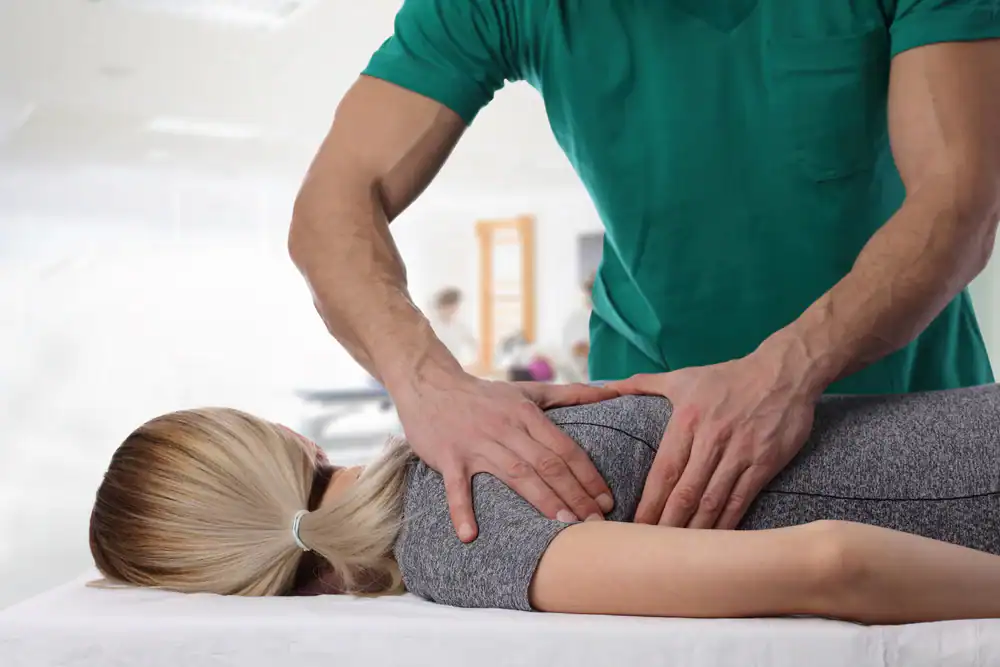
First, you’ll get a baseline assessment. Dr. Roses uses Titron Infrared Imaging to see what’s happening along your spine—it takes seconds and doesn’t hurt. If needed, X-rays help confirm the diagnosis. You’re not guessing what’s wrong.
Once the issue is identified, treatment begins. You’ll lie on a specialized traction table designed to gently stretch your spine. This isn’t a violent pull or a crack—it’s controlled, gradual decompression that creates negative pressure inside the disc. That pressure change allows bulging or herniated material to move back into place while pulling in fluids that promote healing.
Lumbar traction for sciatica in Bates, NJ targets your lower back and the nerve pain shooting down your leg. Cervical traction for neck pain in Bates, NJ focuses on your upper spine and the tension radiating into your shoulders or arms. Each session is customized based on where your pain is and what’s causing it.
Sessions typically last 20 to 30 minutes. There’s no downtime. You walk in, get treated, and go back to your day. Most treatment plans involve multiple sessions over a few weeks, but the exact number depends on your condition and how your body responds.
Ready to get started?
Spinal traction in Bates, NJ treats herniated discs, bulging discs, degenerative disc disease, sciatica, pinched nerves, foraminal stenosis, and bone spurs. If your pain comes from compression, this therapy can help.
Here’s what matters for people in Bates and the surrounding Hudson County area: back pain is incredibly common. Nearly 40% of adults deal with it in any given three-month period. Half of all working Americans admit to having back pain symptoms each year. It’s one of the top reasons people miss work, and it costs the economy over $600 billion annually in lost productivity and medical expenses.
You’re not alone in this, and you’re not imagining how much it’s affecting your life. Whether you’re struggling to stand for long periods, exercise, sleep well, or just move without thinking about it—those limitations are real. And they don’t have to be permanent.
Non-surgical spinal decompression therapy in Bates, NJ gives you an option that doesn’t involve going under the knife or depending on prescriptions. It’s drug-free, safe, and designed to work with your body’s natural healing ability. Clinical studies show success rates above 70% for conditions like herniated discs and sciatica when treated with decompression therapy.
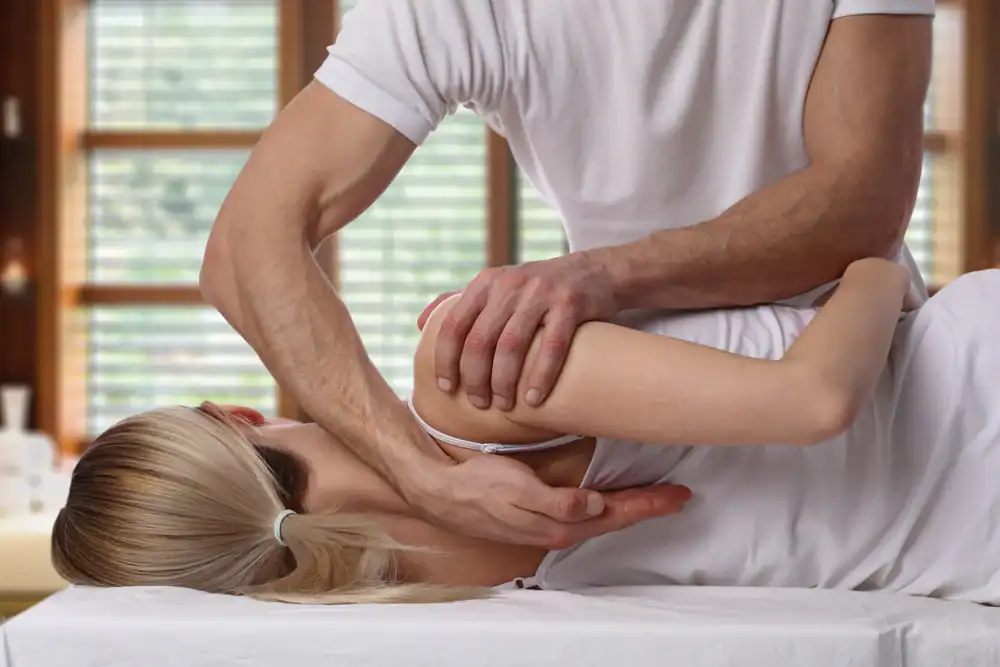
Spinal traction uses mechanical decompression to create space between your vertebrae. It’s a sustained, gentle stretch that reduces pressure inside the disc and allows herniated material to retract. Think of it like creating a vacuum that pulls the bulge back in and lets healing nutrients flow to the damaged area.
Chiropractic adjustments realign the spine and restore joint mobility. They’re quick, targeted movements that correct misalignments and remove nerve interference. Both are valuable, but they do different things.
In many cases, we combine spinal traction with adjustments. Decompression creates the space and reduces inflammation. Adjustments ensure your spine is properly aligned so it can heal correctly. Together, they address both the structural problem and the pressure causing your pain.
Some people do. Cervical traction for neck pain in Bates, NJ can deliver quick symptom relief, and many patients notice improvement right away. But that’s not universal.
Your body’s response depends on how severe the damage is, how long you’ve been dealing with it, and how well your body heals. If you’ve had chronic pain for years, it’s unlikely one session will erase it completely. If your issue is more recent or less severe, you might feel a noticeable difference immediately.
What’s more important than instant relief is consistent progress. Most patients see steady improvement over the course of their treatment plan. Pain decreases. Mobility improves. Activities that were impossible become manageable again. That’s the goal—not a one-time miracle, but real, lasting change that builds with each session.
Spinal traction is safe when performed by a trained chiropractor. It’s non-invasive, drug-free, and doesn’t involve surgery. The risks are minimal compared to surgical options or long-term medication use.
That said, it’s not appropriate for everyone. If you have certain conditions—like fractures, tumors, severe osteoporosis, or spinal infections—traction may not be recommended. That’s why the initial assessment matters. We evaluate your specific situation before starting treatment.
During the session, you might feel stretching or mild discomfort as your spine decompresses, but it shouldn’t be painful. If something doesn’t feel right, you can stop immediately. The treatment is controlled and adjustable. There’s no downtime afterward, and most people return to their normal activities right away without restrictions.
It depends on your condition. Someone with a minor bulging disc might need 10 to 15 sessions. Someone with severe degenerative disc disease or multiple herniations might need 20 to 30.
We don’t use a one-size-fits-all approach. After your assessment, we’ll recommend a treatment plan based on what’s actually wrong and how your body responds during the first few sessions. If you’re improving quickly, the plan adjusts. If progress is slower, we’ll explain why and what to expect.
Most plans involve sessions spread over several weeks—usually three to five times per week at first, then tapering off as you improve. Consistency matters. Skipping sessions or spacing them too far apart can slow your progress. Think of it like physical therapy: you get out what you put in. The goal is to give your spine enough decompression and healing time to make lasting changes, not just temporary relief.
Many insurance plans cover chiropractic care, including spinal decompression therapy. Coverage varies depending on your specific plan, your diagnosis, and whether the treatment is deemed medically necessary.
The best approach is to contact your insurance provider and ask about chiropractic benefits. You can also call us directly—we can help you understand what’s covered and what your out-of-pocket costs might look like.
Even if your insurance doesn’t cover the full cost, consider what you’re comparing it to. Surgery can run tens of thousands of dollars, often with months of recovery and no guarantee the pain won’t return. Ongoing pain medication has its own costs—financial and physical. Spinal traction offers a non-surgical, drug-free option that addresses the root cause. For many people in Bates, NJ dealing with chronic back or neck pain, that’s worth the investment.
Yes, in many cases. Up to half of people who have spinal surgery experience a return of symptoms months or years later. It’s called Failed Back Surgery Syndrome, and it’s more common than most people realize.
Spinal traction can help address the underlying issues that either weren’t fully resolved by surgery or developed afterward. Scar tissue, adjacent disc degeneration, or continued nerve compression can all benefit from decompression therapy.
That said, your situation needs to be evaluated individually. We’ll review your surgical history, current symptoms, and imaging to determine if traction is appropriate and safe for you. Some post-surgical patients respond very well. Others may need a modified approach. The key is getting an honest assessment from someone who’s seen these cases before and knows what works. If traction isn’t the right fit, we’ll tell you—and explain what other options might help.