
Hear from Our Customers

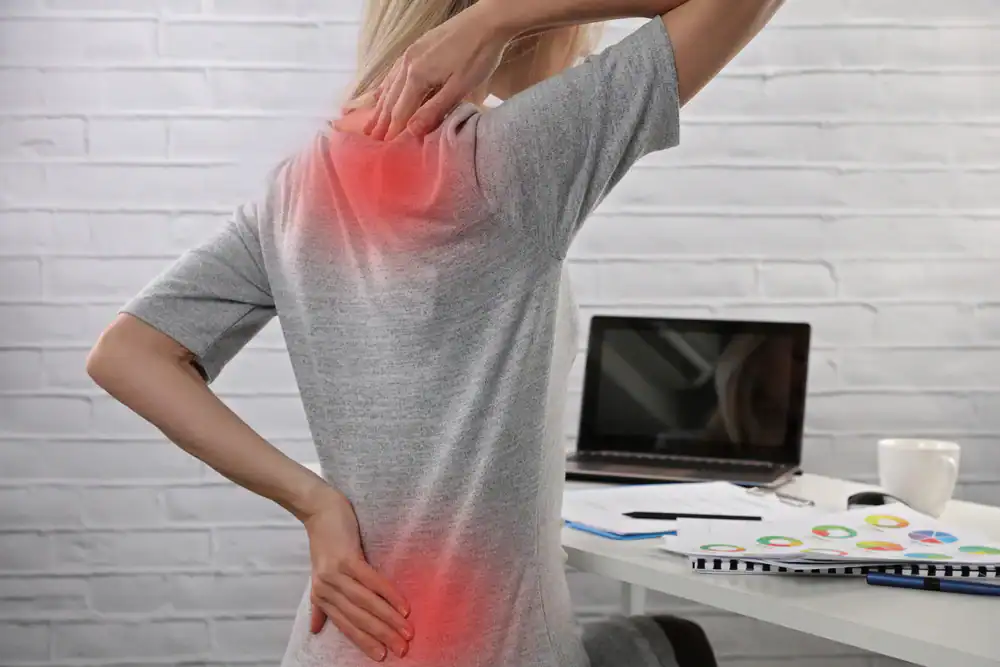
You’re not looking for another temporary fix. You’ve tried pain management, maybe even epidural shots that just hide what’s actually wrong. You want to bend down without wincing, walk without limping, and put your socks on without needing help.
Spinal traction in Babbitt, NJ works by gently stretching your spine to relieve pressure on compressed nerves and damaged discs. That pressure is what’s causing your sciatica, that shooting pain down your leg, or the constant ache in your lower back that won’t quit.
When you reduce that compression, your body can actually heal. Blood flow increases to the affected area, bringing oxygen and nutrients that damaged tissue needs. Stiffness decreases. Mobility improves. You start moving like you used to—or better than you have in years.
This isn’t about managing your condition forever. It’s about addressing the root cause so you can get back to your life without constantly thinking about your back.
Dr. Paul Roses has been serving Babbitt, NJ and the greater Hudson County area since 1981. That’s over 40 years of treating herniated discs, degenerative disc disease, pinched nerves, and spinal conditions that other providers said needed surgery.
Patients come to us after trying other chiropractors for over a year with little progress. They’ve been told surgery is the only option. They’ve had multiple epidural injections. Some have even been hospitalized multiple times and left worse than when they arrived.
What makes the difference here is simple: advanced spinal correction techniques, state-of-the-art technology, and a philosophy that your body can heal itself when you remove what’s interfering with that process. No unnecessary drugs. No invasive procedures. Just targeted treatment that gets results—like patients walking normally after three adjustments or clearing up conditions they’ve dealt with for years.
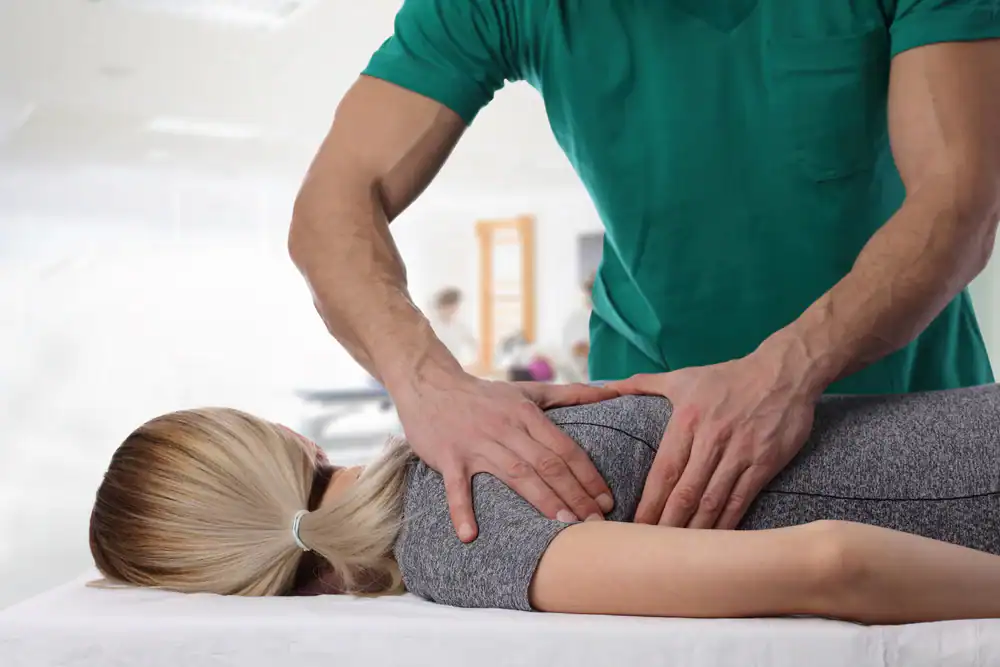
First, you’ll get a baseline assessment. That might include Titron Infrared Imaging to see what’s happening beneath the surface, and x-rays if warranted. You’re not getting a one-size-fits-all approach here—you’re getting a plan based on what your spine actually needs.
Treatment sessions typically run 8-12 minutes. You’ll start with 3-4 sessions per week, depending on your condition. During each session, mechanical spinal traction gently stretches your spine, creating negative pressure that pulls herniated or bulging disc material back into place and takes pressure off nerves.
It’s not painful. Most patients find it relieving—finally, something that doesn’t make things worse. Over the course of treatment, you’ll also learn specific exercises designed for your condition, get lifestyle advice that actually matters, and understand how to maintain the progress you’re making.
The goal isn’t to keep you coming back forever. It’s to fix what’s broken so you can move on.

Ready to get started?
Lumbar traction for sciatica in Babbitt, NJ targets the lower back pain that radiates down your leg—the kind that makes sitting, standing, or walking feel impossible. Cervical traction for neck pain in Babbitt, NJ addresses the upper spine issues causing headaches, shoulder pain, and arm numbness.
Both approaches treat the same core problem: compression. Whether it’s a herniated disc, degenerative disc disease, spinal stenosis, bone spurs, or facet disease, the issue is pressure on nerves that shouldn’t be under pressure.
Hudson County residents deal with these conditions at increasing rates. Aging population, sedentary work, long commutes into Manhattan—your spine takes a beating. The good news is that 86% of patients with ruptured discs achieve good-to-excellent results with decompression therapy, compared to just 55% with traditional traction methods.
You’re also avoiding the risks that come with surgery. Up to half of spinal surgery patients see their original symptoms return within months or years. That’s not a solution—that’s a gamble. Non-surgical spinal decompression therapy in Babbitt, NJ gives you a proven alternative that doesn’t come with surgical complications, long recovery times, or the possibility of repeat procedures.
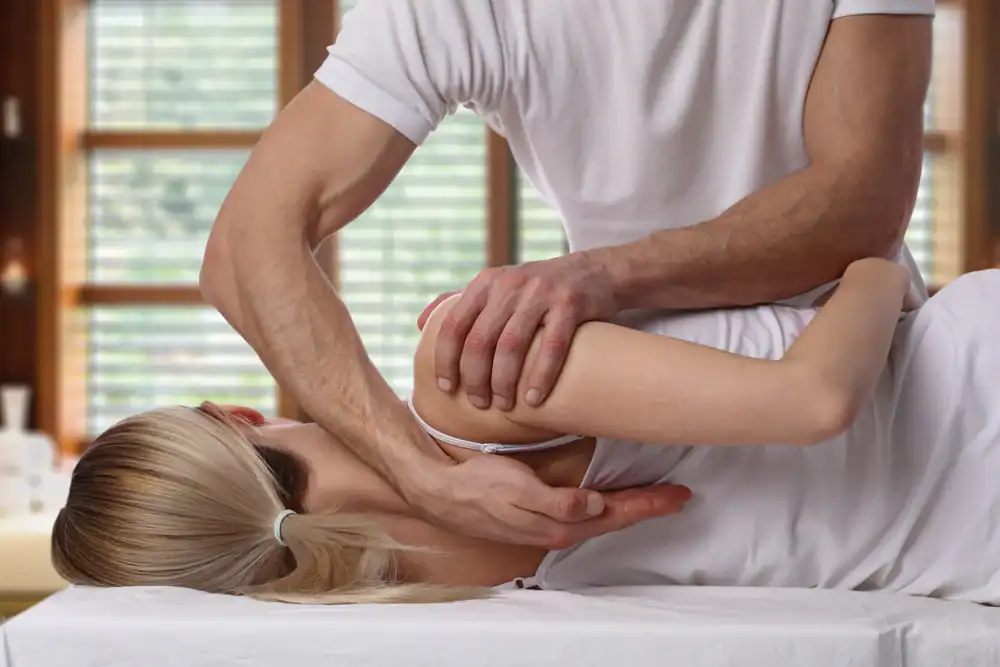
Most patients notice some improvement within the first few sessions, but real, lasting relief typically builds over several weeks. You’re not just masking pain—you’re giving damaged tissue time to heal and compressed nerves room to recover.
Treatment plans usually involve 3-4 sessions per week initially. Some patients walk normally after just three adjustments. Others with more severe conditions—like multiple herniated discs or years of degeneration—need more time.
What matters is that you’re actually addressing the problem, not just managing symptoms. That takes consistency. Skipping sessions or stopping too early means you’re not giving your body the sustained decompression it needs to make permanent changes.
There are no long-term risks associated with spinal traction when performed correctly by a trained professional. It’s one of the safest treatments available for spinal conditions—far safer than surgery, and without the side effects of long-term medication use.
The process is gentle and controlled. You’re not being yanked or twisted. The goal is to create negative pressure in the disc space, which allows herniated material to retract and promotes healing. It’s mechanical, precise, and non-invasive.
That said, spinal traction isn’t appropriate for everyone. If you have certain conditions like fractures, tumors, or severe osteoporosis, other treatments might be better. That’s why the initial assessment matters—it ensures you’re a good candidate before starting treatment.
Spinal traction effectively treats sciatica, degenerative disc disease, pinched nerves, spinal stenosis, bulging discs, bone spurs, facet disease, and foraminal stenosis. Basically, if your pain comes from compression or irritation of spinal nerves, there’s a good chance traction can help.
It’s particularly effective for radiating pain—the kind that shoots down your arm or leg. That’s a clear sign of nerve compression, and decompression directly addresses that root cause.
Even conditions that seem unrelated sometimes improve. Patients have reported relief from chronic headaches, shoulder pain, and hip issues once their spine is properly aligned and pressure is removed from affected nerves. Your nervous system controls everything—fix the interference, and your body often fixes other problems on its own.
Traditional traction and modern spinal decompression therapy aren’t the same thing. Older traction methods use continuous force, which can cause your muscles to tighten up and resist the stretch. That limits effectiveness and can even make you more uncomfortable.
Mechanical spinal decompression therapy in Babbitt, NJ uses computerized systems that alternate between stretch and relaxation. This bypasses your body’s natural protective response, allowing deeper decompression without triggering muscle spasms.
The technology also allows for precise targeting. Lumbar traction for sciatica in Babbitt, NJ focuses on your lower spine at the exact angle and pressure needed for your specific condition. Cervical traction for neck pain in Babbitt, NJ does the same for your upper spine. You’re not getting generic treatment—you’re getting a protocol designed around what your imaging and assessment reveal.
Surgery is rarely the only option, even if previous providers told you it was. Many patients come to us after being told they need surgery, and they avoid it entirely through consistent spinal decompression therapy and chiropractic care.
That said, there are cases where surgery becomes necessary—usually when there’s severe nerve damage, loss of bowel or bladder control, or progressive weakness that doesn’t respond to conservative treatment. Those situations are uncommon.
What’s more common is that people are offered surgery too early, before trying non-surgical spinal decompression therapy in Babbitt, NJ or giving their body a real chance to heal. Starting with the least invasive option makes sense. If it works, you’ve avoided surgery entirely. If it doesn’t, surgery is still there as a last resort—but at least you know you tried everything else first.
Insurance coverage varies depending on your plan and the specifics of your condition. Some plans cover chiropractic care and spinal decompression therapy, especially when it’s being used to avoid surgery or as part of a documented treatment plan for a diagnosed condition.
The best approach is to call our office directly and bring your insurance information. Our team can verify your benefits, explain what’s covered, and give you a clear picture of any out-of-pocket costs before you start treatment.
Even if insurance doesn’t cover everything, consider the alternative. Surgery can cost tens of thousands of dollars, comes with weeks of recovery, and has no guarantee you won’t need another procedure down the line. Non-surgical treatment is almost always more affordable—and it doesn’t come with the same risks or downtime.