Pregnancy Pain is Common, But It Doesn’t Have to Be Normal
Share:

Summary:
Most pregnant women are told that sciatica, back pain, and round ligament discomfort are just part of the journey. But what if they didn’t have to be? Prenatal chiropractic care offers a safe, drug-free approach to pregnancy back pain relief while preparing your body for labor. Through specialized techniques like the Webster Technique and equipment designed for expecting mothers, you can experience real relief and potentially shorter labor times. If you’re in Hudson County, NJ and tired of being told to “just deal with it,” this guide explains how chiropractic care during pregnancy actually works—and why it might change everything about your third trimester.
Table of contents
- Why Pregnancy Back Pain and Sciatica Get Worse Each Trimester
- What Sciatica During Pregnancy Actually Feels Like
- Round Ligament Pain and Pelvic Discomfort Explained
- How Prenatal Chiropractic Care Works for Expecting Mothers
- Webster Technique NJ: Pelvic Alignment for Optimal Baby Positioning
- What to Expect at Your Prenatal Chiropractor Visit in Bayonne, NJ
- Find Pregnancy Pain Relief with a Prenatal Chiropractor in Bayonne, NJ
You’re seven months in and the sciatica is so bad you can barely get out of bed. Your OB says it’s normal. Your mom says she dealt with it too. Everyone keeps telling you it’s just part of being pregnant. Common doesn’t mean normal. And it definitely doesn’t mean you have no options. Prenatal chiropractic care isn’t about “fixing” pregnancy. It’s about giving your body the support it needs to handle the massive changes happening inside. From sciatica during pregnancy that shoots down your leg to round ligament pain that takes your breath away, there are real solutions that don’t involve just waiting it out. Let’s talk about what’s actually possible when your pelvis is aligned and your nervous system can do its job.
Why Pregnancy Back Pain and Sciatica Get Worse Each Trimester
Your body is doing something incredible right now. Growing a human being requires serious structural changes, and not all of them feel great.
As your belly grows, your center of gravity shifts forward. Your lower back curves more to compensate. The hormone relaxin floods your system starting around week seven, loosening ligaments to prepare for birth. You’re carrying 25 to 30 extra pounds, most of it concentrated in your midsection.
All of this puts pressure on your spine, pelvis, and the nerves that run through them. The sciatic nerve—the largest in your body—gets compressed. Ligaments that support your uterus stretch and spasm. Your hips, knees, and ankles work overtime to keep you balanced. It’s not in your head. It’s biomechanics.

What Sciatica During Pregnancy Actually Feels Like
Sciatica isn’t just back pain. It’s a sharp, electric jolt that starts in your lower back or buttock and shoots down the back of your leg, sometimes all the way to your ankle.
Some women describe it as a burning sensation. Others say it feels like their leg is being shocked. You might feel numbness, tingling, or weakness in your foot. The pain can show up suddenly when you stand, roll over in bed, or even sneeze.
It happens because your growing uterus, shifting posture, and extra weight are putting pressure on the sciatic nerve. In the third trimester especially, that pressure intensifies. The baby’s position can make it worse.
What makes sciatica during pregnancy so frustrating is that most of the usual treatments aren’t an option. You can’t take NSAIDs. You can’t just lie flat on your back for relief. And you’re told to avoid certain stretches or positions.
That’s where prenatal chiropractic care comes in. By realigning the spine and pelvis, we can take pressure off the sciatic nerve without medications or invasive procedures. It’s gentle, it’s safe, and for many women in Bayonne, NJ and throughout Hudson County, it’s the only thing that actually provides pregnancy back pain relief. You’re not supposed to just power through nine months of nerve pain. Your body is under enough stress already.
Round Ligament Pain and Pelvic Discomfort Explained
If you’ve ever felt a sudden, sharp stab in your lower belly or groin when you stood up too fast, laughed, or coughed, that’s round ligament pain. It’s one of the most common complaints in the second trimester, and it catches a lot of women off guard.
The round ligaments are thick bands of tissue that support your uterus and connect it to your pelvis. As your uterus expands, these ligaments stretch. When they stretch quickly—like during a sudden movement—they can spasm, causing that stabbing or pulling sensation.
It usually only lasts a few seconds, but it’s intense enough to stop you in your tracks. Some women feel it on one side. Others feel it on both. It can happen when you get out of a chair, roll over in bed, or even just shift your weight.
Round ligament pain isn’t dangerous, but it’s a sign that your body is working hard to accommodate your growing baby. And when your pelvis is misaligned, that tension gets worse. The ligaments pull unevenly. The uterus doesn’t have as much room to expand comfortably.
Chiropractic adjustments help balance the pelvis so those ligaments aren’t constantly under uneven strain. The Webster Technique specifically addresses the muscles and ligaments around the uterus, releasing tension and giving your baby more room to move. When your pelvis is aligned, your body can adapt to pregnancy without all the sharp reminders every time you stand up. You’re already doing the hard work of growing a person. Your ligaments don’t need to make it harder.
Want live answers?
Connect with a DR Roses expert for fast, friendly support.
How Prenatal Chiropractic Care Works for Expecting Mothers
Prenatal chiropractic care isn’t the same as a regular adjustment. It’s specifically designed for your changing body, using gentle techniques that work with your pregnancy, not against it.
We use specialized tables and pillows that allow you to lie face-down comfortably—something you probably haven’t been able to do in months. These tables have cutouts or adjustable sections that support your belly without putting pressure on it. It’s one of the first things expecting moms notice: the relief of lying on their stomach again, even for a few minutes.
The adjustments themselves are gentle. Because of the hormone relaxin, your ligaments are already more flexible, so it doesn’t take much force to realign your spine and pelvis. The goal is to restore balance, improve nervous system function, and reduce the strain on your muscles and joints.

Webster Technique NJ: Pelvic Alignment for Optimal Baby Positioning
The Webster Technique is a specific chiropractic method developed for pregnant women. It focuses on balancing the pelvis and releasing tension in the muscles and ligaments that support the uterus.
Here’s why that matters. When your pelvis is misaligned, it can create something called intrauterine constraint. That’s when the baby doesn’t have as much room to move into the optimal position for birth. If the pelvis is twisted or one side is tighter than the other, the uterus can’t expand evenly. That can lead to breech or posterior presentations, which complicate delivery.
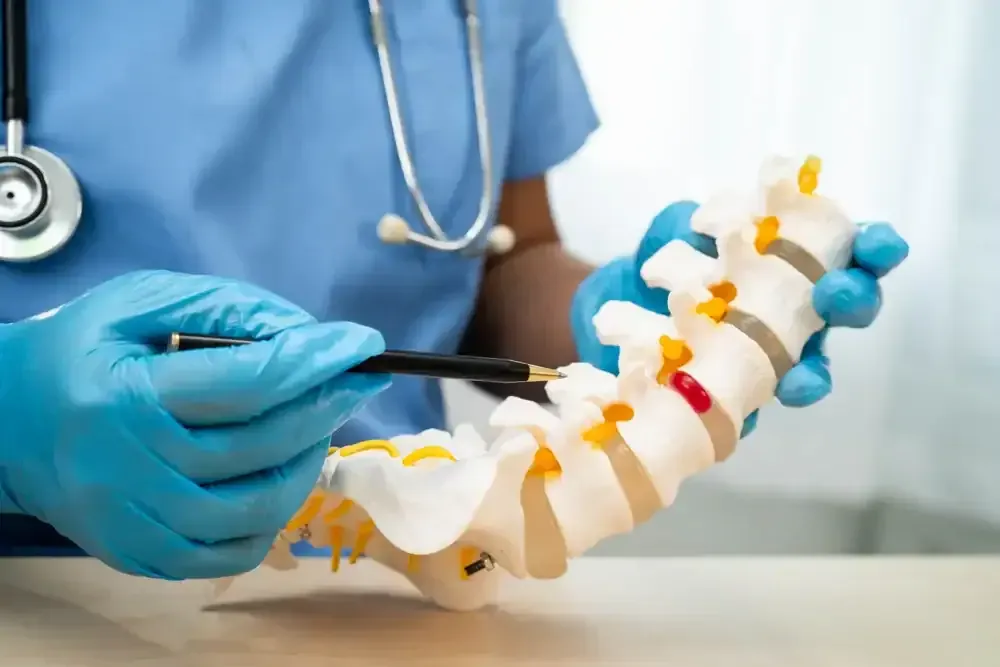
The Webster Technique addresses this by adjusting the sacrum—the triangular bone at the base of your spine—and working on the round ligament and other soft tissues. The adjustment is gentle, using a drop table or light pressure. There’s also hands-on work to release tension in the muscles around your pelvis and lower abdomen.
Research shows that the Webster Technique has an 82% success rate in helping babies move into the head-down position when performed during the eighth month of pregnancy. That’s significant, especially if you’re facing a potential C-section due to breech presentation.
But even if your baby is already head-down, the Webster Technique helps. It reduces pelvic pain, improves your range of motion, and creates more space for your baby as they continue to grow. When your pelvis is balanced through chiropractic care, labor tends to progress more smoothly. Studies show that first-time mothers who receive regular prenatal chiropractic care experience 25% shorter labor times. For moms who’ve had previous children, labor time can be reduced by 31%.
The baby can move through the birth canal more easily when pelvic alignment is optimal. And you’re less likely to experience “back labor,” which happens when the baby’s position puts pressure on your sacrum during contractions. Chiropractors who are Webster-certified have gone through additional training specifically for this technique. It’s not something every chiropractor offers, so if you’re looking for this kind of care in Hudson County, NJ, make sure your provider has that certification.
What to Expect at Your Prenatal Chiropractor Visit in Bayonne, NJ
Your first visit to our office usually starts with a conversation. We’ll ask about your pregnancy history, any pain or discomfort you’re experiencing, and what trimester you’re in. We’ll want to know if you’ve had any complications, if your baby is breech, and what your goals are for chiropractic care during pregnancy.
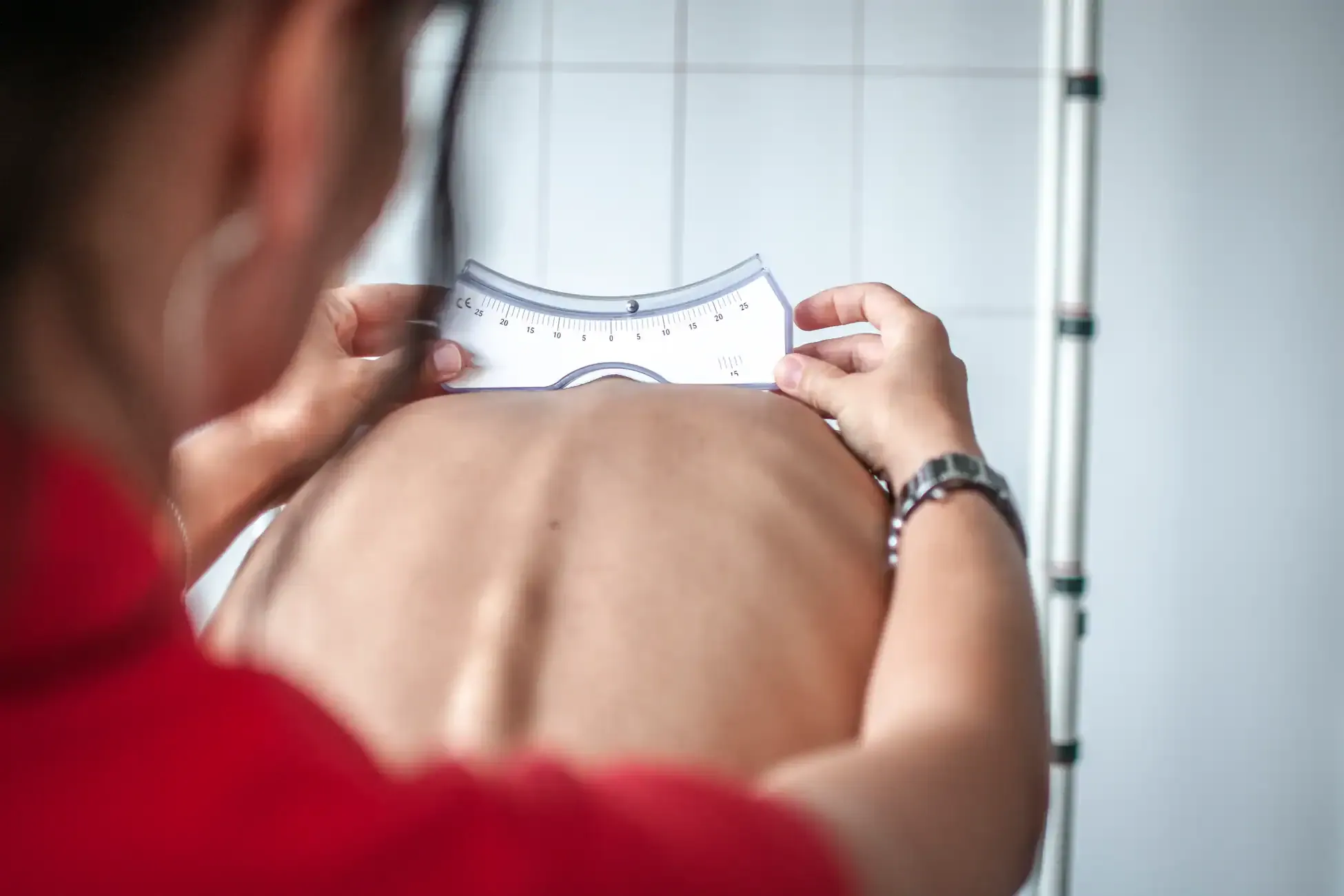
Then comes the physical assessment. We’ll check your posture, evaluate your spine and pelvis, and look for areas of misalignment or tension. This isn’t invasive. It’s a hands-on exam to see where your body needs support.
Once we have a sense of what’s going on, we’ll position you on the prenatal table. If you’re further along in your pregnancy, we’ll use pillows or cushions with cutouts so you can lie face-down without pressure on your belly. We also adjust women in a side-lying position, depending on what’s most comfortable.
The adjustment itself is quick and gentle. You might feel a slight stretch or hear a soft pop as your joints realign, but it shouldn’t hurt. Many women say they feel immediate relief—less tension, easier breathing, better range of motion.
After the adjustment, we might give you stretches or exercises to do at home. These help maintain the alignment between visits and keep your muscles from pulling your pelvis back out of place. We might also talk to you about posture, sleeping positions, and how to move throughout the day without aggravating your pain.
How often you come in depends on your needs. Some women benefit from weekly visits, especially in the third trimester. Others come every two weeks or as needed when pain flares up. The key is consistency. Regular chiropractic care gives your body the ongoing support it needs as your pregnancy progresses. One visit can help, but ongoing care is what makes the biggest difference in pregnancy back pain relief and how smoothly labor goes.
Find Pregnancy Pain Relief with a Prenatal Chiropractor in Bayonne, NJ
Pregnancy pain is common. But that doesn’t mean you have to live with it. Sciatica during pregnancy, round ligament pain, and pelvic discomfort aren’t just things to endure until delivery. They’re signals that your body needs support.
Prenatal chiropractic care offers that support. It’s safe, it’s gentle, and it’s designed specifically for the changes your body is going through right now. From relieving nerve pain to helping your baby get into the best position for birth through the Webster Technique, the benefits go beyond just feeling better. You’re setting yourself up for a smoother labor, a faster recovery, and a healthier pregnancy overall.
If you’re in Hudson County, NJ and you’re tired of being told to just deal with the pain, it’s time to try something different. We’ve been helping expectant mothers in Bayonne, NJ and the surrounding areas for over 40 years. With specialized prenatal care, Webster Technique certification, and a deep understanding of what your body needs right now, we’re here to help you feel like yourself again—even at 35 weeks.