

Hear from Our Customers
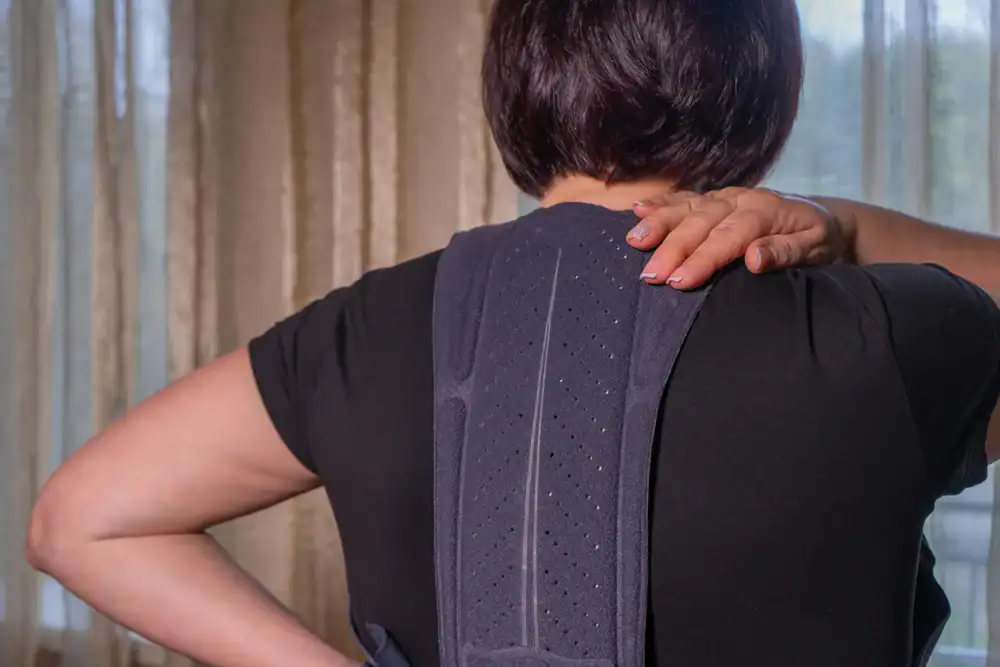
You’re spending hours hunched over your phone or computer. Your neck aches by midday. Headaches show up without warning. Your shoulders feel like they’re carrying weight that isn’t there.
That’s not just discomfort. That’s your spine under 40 to 60 pounds of pressure every time you tilt your head forward. The average person does this for 700 to 1,400 hours every year.
Here’s what changes when you fix forward head posture in West Side, NJ: the constant neck tension eases. Headaches become less frequent, then rare. Your shoulders drop back where they belong. You breathe easier because your ribcage isn’t compressed. You stand taller without thinking about it.
This isn’t about perfect posture for appearances. It’s about reducing the mechanical stress that’s causing real damage to your cervical spine, your muscles, and your ligaments. When your head sits where it’s supposed to, your body stops compensating. The pain stops compounding.
We serve Hudson County with a focus you won’t find everywhere: Chiropractic BioPhysics. It’s one of the most research-backed methods for correcting spinal misalignment and restoring proper posture long-term.
Most chiropractors adjust. We correct. That means using 3D body scans to see exactly where your posture has shifted, then building a plan that addresses the structure—not just the symptoms.
Dr. Roses is local to the area, trained with respected practitioners in Bayonne, and built this practice around one belief: your body doesn’t need drugs to heal. It needs the right alignment and the right guidance. West Side, NJ residents dealing with text neck symptoms or rounded shoulders get care that’s both advanced and grounded in how your spine actually works.

You start with a full postural assessment. That includes a 3D body scan to measure how far your alignment has shifted. Most people don’t realize how much their head has moved forward or how rounded their shoulders have become until they see it mapped out.
From there, we build a correction plan specific to your body. This isn’t a generic adjustment. It’s a combination of spinal realignment, targeted exercises, and manual therapy designed to restore the natural curve of your cervical spine.
Treatment uses gentle, precise techniques. Tools like the Arthrostim allow adjustments with far less force than traditional methods, so your nervous system can respond without being overwhelmed. You’re also given exercises—strength work and stretches—that reinforce the changes between visits.
Over time, your posture shifts back toward neutral. The pressure on your neck decreases. The compensations your body was making start to unwind. You’ll feel it in how you move, how you sleep, and how much energy you have at the end of the day.

Ready to get started?
Posture correction in West Side, NJ isn’t a quick fix. It’s a structured process that addresses the muscles, ligaments, and alignment issues causing your symptoms.
You get spinal adjustments that target the cervical spine and upper back—the areas most affected by forward head posture and rounded shoulders. These adjustments reduce the mechanical stress your neck has been carrying and help restore the natural curve that’s been flattened by years of poor positioning.
You also get upper crossed syndrome stretches and rounded shoulders correction exercises tailored to your specific imbalances. Tight chest muscles get lengthened. Weak upper back muscles get strengthened. The goal is balance—so your body holds proper alignment on its own, not just during treatment.
Hudson County residents face unique postural challenges. Long commutes, desk jobs, and constant device use create repetitive strain patterns. We factor in these lifestyle realities when building your plan, so the corrections stick even when you’re back in your daily routine.

Most people start feeling relief within the first few weeks, but real structural correction takes longer. Research shows that a focused program of adjustments and exercises over 8 to 10 weeks can produce measurable improvements in alignment and pain reduction.
Your timeline depends on how severe your forward head posture is and how long you’ve had it. If you’ve been dealing with text neck symptoms for years, your muscles and ligaments have adapted to that position. Reversing that takes consistent care.
We use 3D scans to track progress, so you’re not guessing. You’ll see the changes in your posture as they happen. Most patients notice less pain and better mobility before the scans show full correction, which is a good sign your body is responding.
Yes. Forward head posture puts excessive load on your cervical spine—up to 60 pounds of pressure when your head tilts forward at a 60-degree angle. That pressure strains muscles, compresses nerves, and restricts blood flow, all of which contribute to headaches and chronic neck pain.
Studies show that over 64% of people with text neck experience neck pain, and nearly half deal with recurring headaches. Correcting the alignment reduces that load. When your head sits in a neutral position, the muscles don’t have to work as hard, the nerves aren’t compressed, and circulation improves.
Chiropractic adjustments combined with targeted exercises address both the structural cause and the muscular imbalances. You’re not just masking symptoms with medication. You’re removing the mechanical stress that’s causing them in the first place.
Text neck symptoms include persistent neck pain, stiffness, headaches, and shoulder discomfort. You might also notice reduced range of motion—like difficulty turning your head fully to one side—or a feeling of tightness at the base of your skull.
Upper crossed syndrome shows up as rounded shoulders, a forward head position, and tightness in your chest and upper traps. Your upper back muscles become weak and overstretched, while your chest muscles shorten and pull your shoulders forward.
Both conditions stem from the same root cause: prolonged time in a flexed position, usually from looking down at devices or sitting at a desk. Left untreated, these postural changes can lead to more serious issues like cervical spine instability, chronic nerve irritation, and premature arthritis in the neck joints.
A 3D postural scan gives us a clear picture of your alignment before treatment starts. It shows exactly how far your head has shifted forward, how much your shoulders have rounded, and where your spine has lost its natural curve.
This isn’t about ordering unnecessary tests. It’s about having objective data to build your treatment plan and measure progress. Posture correction works best when it’s precise, and you can’t be precise without knowing where you’re starting from.
The scan is non-invasive and takes just a few minutes. You’ll see the results immediately, which helps you understand why you’re feeling the way you are. Most people find it eye-opening—they didn’t realize how much their posture had changed until they saw it on screen.
Once your posture is corrected, the goal is to keep it that way. That usually means periodic check-ins rather than ongoing intensive treatment. How often depends on your lifestyle and how well you maintain the exercises you’ve been given.
If you’re back at a desk for eight hours a day or constantly on your phone, your body will try to revert to old patterns. Maintenance visits help catch small shifts before they become big problems again. Think of it like dental cleanings—you brush your teeth, but you still go in for check-ups.
We’ll give you a clear plan for what maintenance looks like in your case. Some people come in monthly. Others come in every few months. It’s based on your body’s needs, not a one-size-fits-all schedule.
Many insurance plans cover chiropractic care, including treatment for posture-related issues like forward head posture and text neck. Coverage varies depending on your plan, so it’s worth checking your benefits before your first visit.
Our office can help verify your insurance and explain what’s covered. Even if your plan has limits on chiropractic visits, posture correction is often considered medically necessary when it’s tied to pain, reduced function, or documented spinal misalignment.
If you don’t have insurance or your plan doesn’t cover the full treatment, we work with you on payment options. The cost of correcting your posture now is a fraction of what you’d spend managing chronic pain, medications, or more invasive treatments down the road.