

Hear from Our Customers
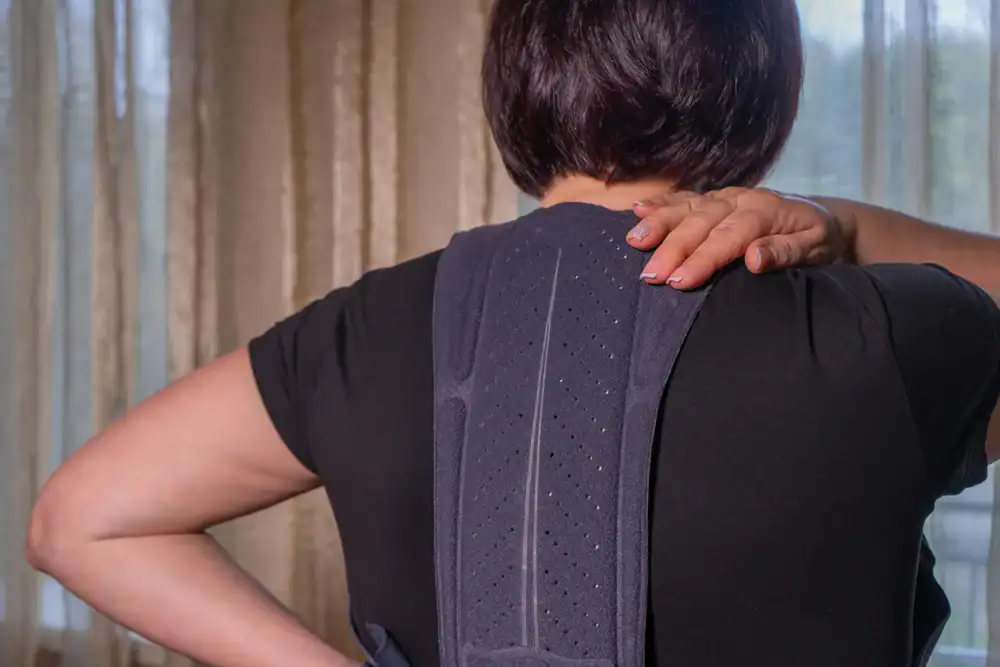
Your head weighs about eight pounds. For every inch it sits forward, that’s an extra ten pounds of pressure on your neck and shoulders. If you’re dealing with forward head posture in West End, NJ, you’re not just uncomfortable—you’re setting yourself up for chronic issues that get harder to reverse the longer you wait.
When posture correction works, you notice it fast. The tension headaches ease up. Your shoulders drop away from your ears. You can turn your head without wincing. You stop needing to stretch every twenty minutes just to get through your workday.
But the real benefit shows up later. Better spinal alignment means less wear on your joints, fewer flare-ups, and a body that doesn’t punish you for sitting at a desk or looking at your phone. Over 90% of our patients report significant improvement after a series of treatments—not because we’re miracle workers, but because your body responds when you give it what it actually needs.
Dr. Paul Roses has been practicing chiropractic care in the Bayonne area since 1981. That’s over three decades of treating text neck symptoms and treatment in West End, NJ, long before anyone called it “text neck.” He earned his Doctor of Chiropractic degree from Life Chiropractic College and has spent his career doing one thing well: helping people move and feel better without drugs or surgery.
Roses Chiropractic isn’t a high-volume clinic where you’re rushed in and out. You get a full assessment, a clear explanation of what’s going on, and a plan that makes sense for your schedule and your body. Our patients rate Dr. Roses 4.63 out of 5, with a 5.00 for bedside manner—because he actually listens.
West End residents deal with the same postural issues as the rest of Monmouth County: long commutes, desk work, and too much screen time. We see it every day, and we know how to address it.

First, we assess where you’re actually at. That means a visual posture analysis, range of motion testing, and often spinal X-rays to see what’s happening beneath the surface. We’re looking at alignment, muscle imbalances, and how your daily habits are contributing to the problem.
Then we adjust. Spinal adjustments restore mobility to joints that have been stuck or misaligned, which takes pressure off nerves and muscles. If you’ve got rounded shoulders correction exercises on your mind, we’ll show you what to do at home—but the in-office work is what creates the foundation for those exercises to actually help.
You’ll also get guidance on ergonomics, stretching, and strengthening. Upper crossed syndrome stretches target the tight muscles in your chest and neck while activating the weak ones in your upper back. It’s not complicated, but it has to be done right. Most patients come in once or twice a week for the first few weeks, then taper off as things improve. You’re not signing up for forever—you’re correcting a problem so it doesn’t keep coming back.

Ready to get started?
Posture correction in West End, NJ isn’t just about cracking your back and sending you home. You’re getting spinal adjustments that restore proper alignment, soft tissue work to release tight muscles, and a personalized plan that addresses how to fix forward head posture in West End based on your specific situation.
We also address text neck symptoms and treatment in West End, NJ, which has become one of the most common complaints we see. Between smartphones, laptops, and long commutes down the Garden State Parkway, your neck is taking a beating. The good news? It responds well to targeted care. Studies show that patients who receive regular chiropractic care have 28% better spinal alignment compared to those who don’t seek treatment.
You’ll leave each visit with exercises, posture cues, and ergonomic tips that fit your life. If you work from home, we’ll talk about your desk setup. If you’re on your feet all day, we’ll adjust the plan accordingly. The goal is simple: get you out of pain, improve your alignment, and give you the tools to maintain it. No gimmicks, no upsells—just clear, effective care that works.

Most people start feeling better within the first few visits, but real correction takes time. Forward head posture develops over months or years, so reversing it doesn’t happen overnight. A typical treatment plan runs about six months with around 30 in-office visits, plus home care.
That might sound like a lot, but compare it to the alternative: doing nothing and dealing with worsening pain, headaches, and potential long-term damage like disc degeneration or osteoarthritis. Research shows that patients who stick with a structured plan see dramatic improvements in overall posture and a 40% lower risk of future musculoskeletal injuries.
Your timeline depends on how severe your posture issues are, how long you’ve had them, and how consistent you are with the exercises and adjustments we recommend. Some people improve faster, others take longer. We track your progress and adjust the plan as needed.
Text neck shows up as neck pain, stiffness, headaches, and shoulder tension. You might also notice reduced range of motion—like you can’t look over your shoulder without turning your whole body. Some people get tingling or numbness in their arms if nerves are being compressed.
Chiropractic care is one of the most effective ways to treat text neck symptoms in West End, NJ. We use spinal adjustments to restore mobility, reduce nerve irritation, and take pressure off the muscles that are overworking to compensate for poor alignment. You’ll also get stretches and strengthening exercises that target the root cause, not just the symptoms.
The Journal of Manipulative and Physiological Therapeutics published research showing that chiropractic care is effective for treating forward head posture and related neck pain. It’s a drug-free, non-invasive approach that addresses the problem at its source. Most patients notice improvement within a few weeks, especially when they combine in-office treatment with the home exercises we recommend.
Rounded shoulders happen when the muscles in your chest and front of your shoulders get tight, and the muscles in your upper back get weak. The fix involves stretching the tight ones and strengthening the weak ones. Doorway chest stretches, shoulder blade squeezes, and rows are all effective.
But here’s the thing: exercises only work if your spine is aligned properly first. If your thoracic spine is locked up or your neck is out of position, those exercises won’t give you the results you’re looking for. That’s where chiropractic adjustments come in—they restore the mobility and alignment that allow your muscles to function the way they should.
We’ll show you exactly which exercises to do and how to do them correctly. Upper crossed syndrome stretches are particularly helpful for rounded shoulders because they target the specific muscle imbalances causing the problem. You’ll do some of this at home, but the in-office work is what makes those exercises effective. It’s a combination approach, and it works when both pieces are in place.
Many insurance plans cover chiropractic care, but coverage varies depending on your specific plan and provider. Some plans cover a set number of visits per year, others require a referral or prior authorization. We recommend calling your insurance company to ask about chiropractic benefits before your first visit.
Even if your plan doesn’t cover the full cost, chiropractic care is often more affordable than you think—and it’s been shown to reduce overall healthcare spending. Studies show that chiropractic care provides a 60% reduction in healthcare costs related to musculoskeletal issues and saves 20 to 40 percent compared to care that starts with a medical doctor.
We’ll work with you to understand your coverage and help you make the most of your benefits. If you’re paying out of pocket, we’ll be upfront about costs so there are no surprises. The goal is to make effective care accessible, not to nickel and dime you for every visit.
Yes. Once we’ve corrected your current posture issues, regular maintenance care can help you stay aligned and avoid future problems. Think of it like going to the dentist—you don’t wait until you have a cavity to get a cleaning. The same logic applies to your spine.
Patients who receive regular chiropractic care have a 40% lower risk of future musculoskeletal injuries compared to those who don’t. That’s because we’re not just treating symptoms—we’re addressing the underlying biomechanics that lead to pain and dysfunction in the first place.
Prevention also means making changes to your daily habits. We’ll help you set up an ergonomic workspace, teach you how to lift and move properly, and give you exercises that keep your muscles balanced. If you spend a lot of time driving or sitting, small adjustments to your routine can make a big difference. The combination of periodic adjustments and smart daily habits is what keeps you out of pain long-term.
Posture correctors—those braces and straps you see online—can provide temporary support, but they don’t fix the underlying problem. In fact, relying on them too much can weaken the muscles that are supposed to be holding you upright. They’re a band-aid, not a solution.
Chiropractic care addresses the root cause. We’re correcting spinal misalignments, releasing tight muscles, and strengthening weak ones so your body can maintain good posture on its own. The goal is to make you less dependent on external support, not more.
That said, some patients use posture correctors as a short-term reminder while they’re building strength and awareness. If that’s something you’re interested in, we can talk about whether it makes sense for your situation. But the real work happens through adjustments, exercises, and habit changes—not from wearing a brace. You want a body that works correctly, not one that needs constant propping up.