
Hear from Our Customers
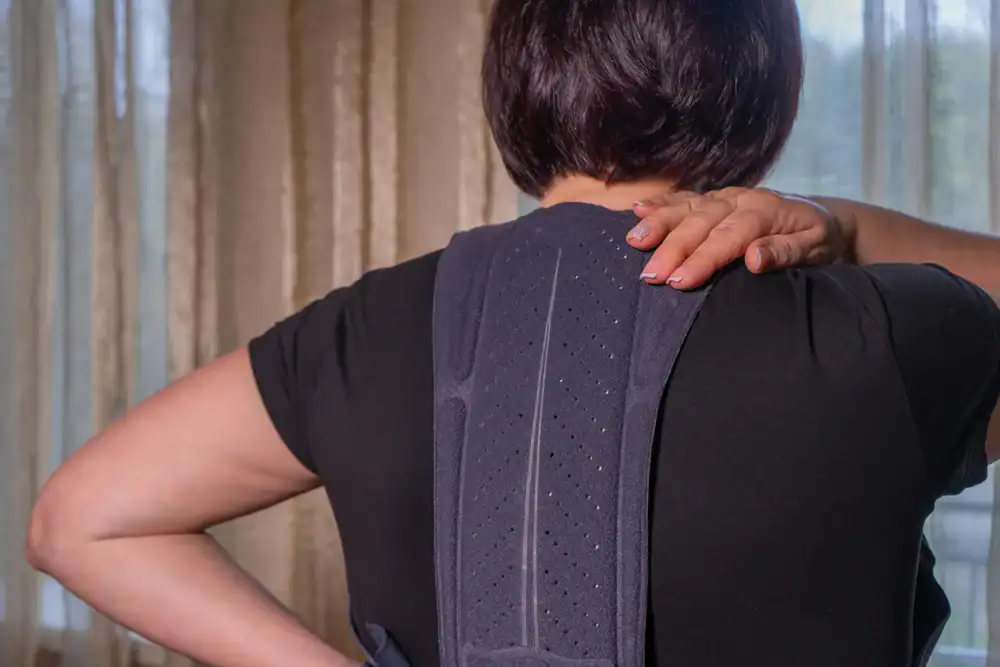
Your head stops feeling like it weighs 50 pounds by the end of the day. That constant tension between your shoulder blades finally lets up. You can look at your phone or computer without immediately feeling it in your neck.
The headaches that show up every afternoon start disappearing. Your shoulders drop back to where they’re supposed to be instead of creeping up toward your ears. You sleep better because your neck isn’t locked in that forward position all night.
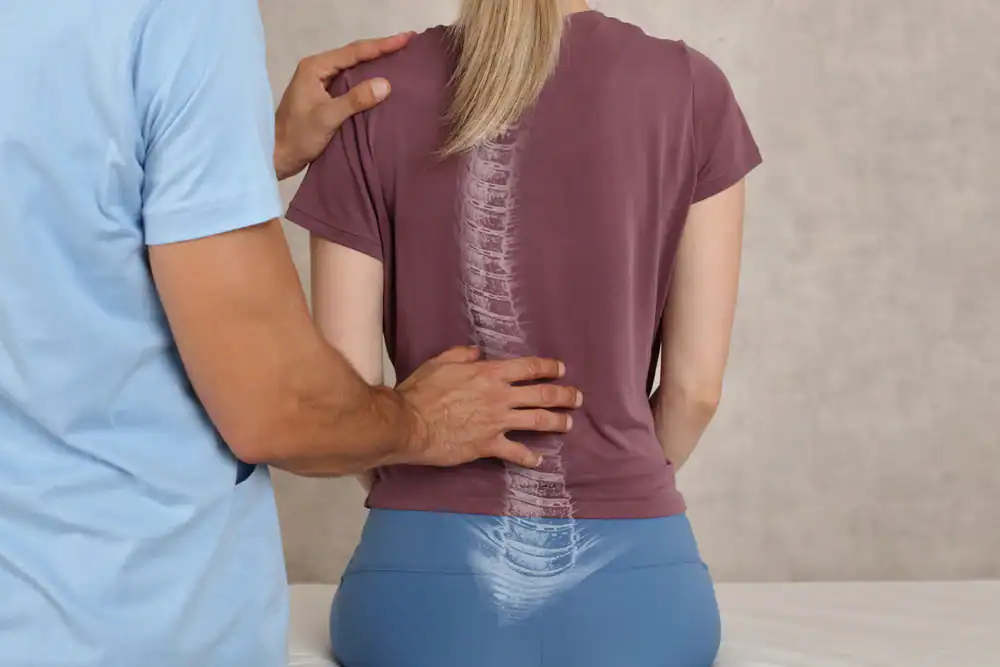
This is what happens when you address the actual spinal misalignments causing your posture problems in The Heights, NJ—not just stretch a little and hope it gets better. Your body stops compensating for poor alignment, and the pain that comes with it goes away.
Dr. Paul Roses has been treating posture-related pain in Hudson County since 1981. He’s seen the shift from typewriters to laptops to smartphones—and watched how each one made the problem worse for people working in The Heights, NJ.
Our approach isn’t about selling you endless appointments. It’s about finding the subluxations in your spine that are causing the forward head posture, text neck symptoms, and rounded shoulders—then correcting them so your body can actually heal. No drugs, no surgery, just targeted adjustments that address the root cause.
We use baseline assessments and custom exercise programs designed specifically for your alignment issues. You’re not getting a generic stretching routine you could find on YouTube.
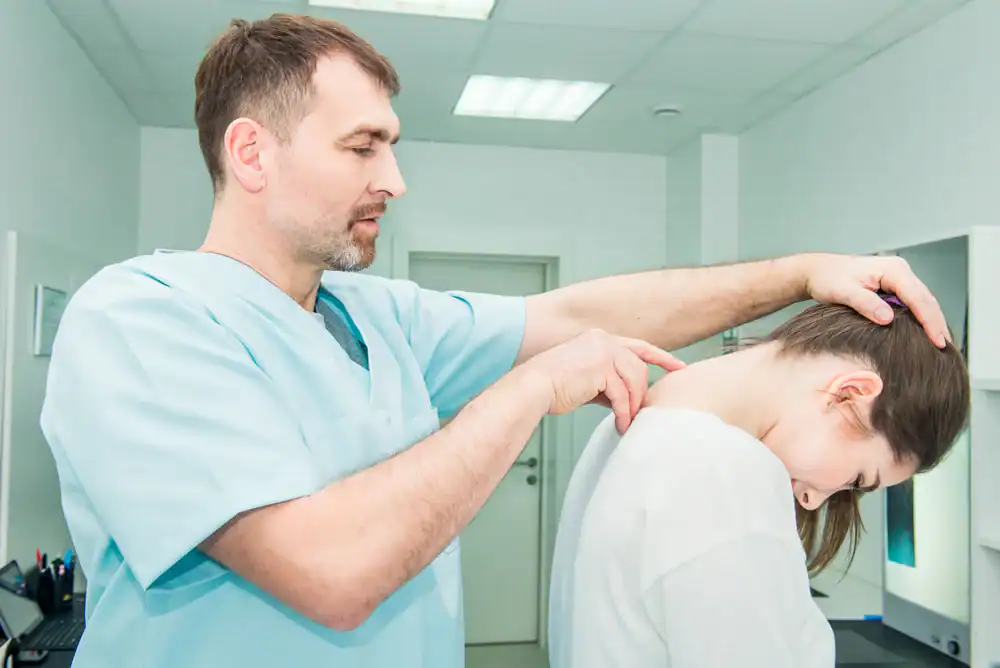
First, you get a proper assessment using Titron Infrared Imaging. It takes a few seconds and shows exactly where your spine is misaligned. No guessing, no assumptions—just data on what’s actually happening with your posture.
Then Dr. Roses creates a treatment plan based on your specific misalignments. If you’ve got forward head posture from years of computer work in The Heights, NJ, that’s a different correction than someone dealing with rounded shoulders from warehouse labor. The adjustments target your problem areas.
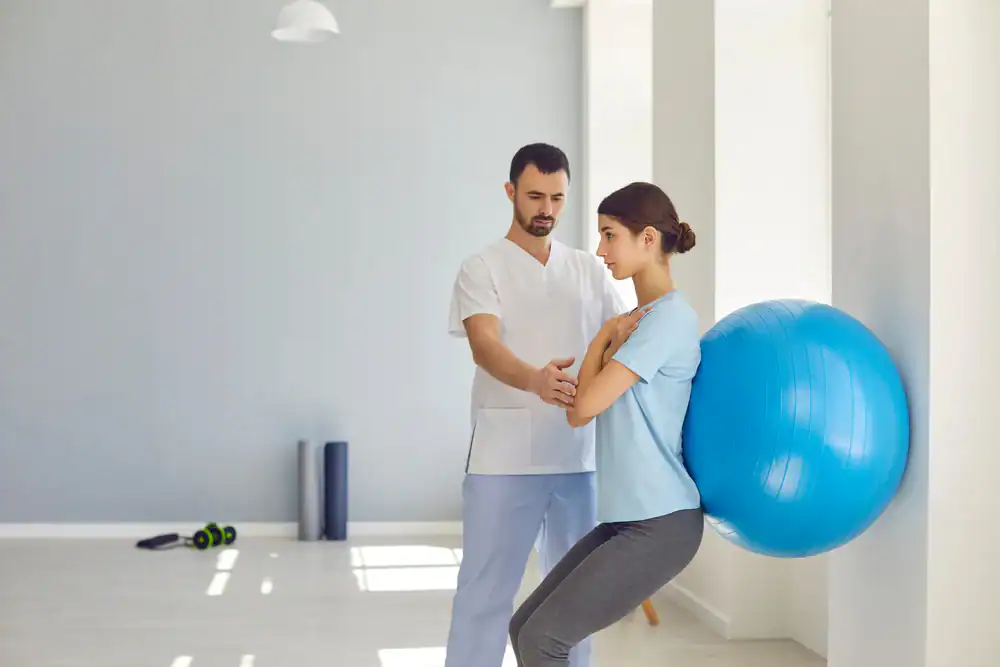
You’ll also get a custom exercise program to do at home. These aren’t random stretches—they’re designed to reinforce the corrections happening in our office and retrain your muscles to support proper alignment. Most patients notice improvement within the first few visits, with significant changes by the third adjustment.
The goal is to fix the underlying issue so you’re not dependent on constant treatment. You learn what’s causing the problem, how to fix forward head posture in The Heights, NJ, and how to maintain the results long-term.

Ready to get started?
You get spinal adjustments that target the exact vertebrae causing your posture issues. For people in The Heights, NJ dealing with text neck symptoms and treatment needs, this usually means focusing on the cervical spine where that forward head position creates the most damage.
You receive rounded shoulders correction exercises in The Heights that are specific to your muscle imbalances. If your chest muscles are tight and your upper back is weak—which is common with desk work—you get exercises that address that exact pattern. If you’re dealing with upper crossed syndrome stretches in The Heights, the program targets the neck, shoulders, and upper back together.
You also get lifestyle coaching on what’s making your posture worse. That might mean adjusting your workstation setup, changing how you hold your phone, or modifying activities that keep pulling your head forward. The treatment only works if you’re not undoing it eight hours a day at your desk.
This matters in The Heights, NJ because 64.7% of people working from home have neck or back pain, and 39.2% say it’s making them less productive. You’re not alone in dealing with this—but you don’t have to keep dealing with it.
Most people see noticeable improvement within three to four weeks of consistent treatment. That doesn’t mean you’re done in a month—it means the pain starts decreasing and your range of motion improves enough that you can tell something’s actually changing.
The timeline depends on how long you’ve had the problem and how severe the misalignment is. If you’ve been hunching over a computer for ten years, your spine isn’t going to snap back into place in two visits. The muscles, ligaments, and joints need time to adapt to the correct position.
You’ll typically come in two to three times per week initially, then taper down as your posture stabilizes. The home exercises are just as important as the adjustments—they’re what train your body to maintain the corrections between visits. Skip those, and you’re adding weeks to your recovery timeline.
Text neck shows up as pain at the base of your skull, stiffness in your neck, and headaches that start in the afternoon. You might also notice your shoulders are constantly tight, or you get a burning sensation between your shoulder blades after looking at your phone.
The treatment addresses the spinal misalignments caused by that 30-degree forward head angle most people use when texting. When your head is tilted forward, it’s putting 40+ pounds of pressure on your cervical spine instead of the normal 10-12 pounds. That creates subluxations that need to be corrected with specific adjustments.
Treatment in The Heights, NJ combines those adjustments with exercises that strengthen your neck extensors and stretch your chest muscles. You’re essentially retraining your body to hold your head in the correct position. You’ll also learn how to hold your phone at eye level instead of looking down—because no amount of treatment will fix the problem if you’re recreating it every time you check your email.
They work if they’re the right exercises for your specific muscle imbalances, and if you’re also addressing the spinal misalignments causing the problem. Exercises alone won’t fix rounded shoulders if your thoracic spine is locked in a forward position.
Rounded shoulders typically come from tight chest muscles and weak upper back muscles. The correction exercises focus on stretching the pectorals and strengthening the rhomboids and lower trapezius. But here’s what most people miss—if your spine is misaligned, those muscles can’t function properly no matter how much you strengthen them.
That’s why our approach at Roses Chiropractic combines adjustments with exercises. The adjustments restore proper spinal alignment so your muscles can actually do their job. Then the exercises reinforce that alignment and prevent the shoulders from rolling forward again. You need both components for lasting results in The Heights, NJ.
Upper crossed syndrome stretches target the muscles that get tight from desk work—your upper trapezius, levator scapulae, and pectoral muscles. These are the muscles that pull your head forward and your shoulders up when you’re hunched over a computer all day.
The stretches focus on lengthening those overactive muscles while you strengthen the underactive ones in your deep neck flexors and lower trapezius. It’s called “upper crossed” because when you look at the muscle imbalances from the side, they form an X pattern across your upper body.
But stretching alone won’t fix upper crossed syndrome in The Heights, NJ if the underlying cause is spinal misalignment. Your muscles are tight because they’re compensating for vertebrae that aren’t in the right position. You stretch them, they feel better for an hour, then they tighten right back up because the spine is still misaligned. That’s why you need the adjustments along with the stretches.
Many insurance plans cover chiropractic care, including posture correction treatment, but coverage varies significantly by plan. Some cover a set number of visits per year, others require a referral, and some don’t cover chiropractic at all.
You’ll need to check your specific plan’s chiropractic benefits. Look for terms like “spinal manipulation” or “manual therapy” in your coverage documents. Even if chiropractic is covered, you might have a copay per visit or need to meet a deductible first.
We can verify your insurance benefits before you start treatment so you know exactly what you’ll pay out of pocket. If your plan doesn’t cover chiropractic care in The Heights, NJ, ask about payment plans or package pricing. The cost of ongoing treatment is usually less than people expect—and significantly less than the long-term cost of pain medications, imaging, or eventual surgery if the posture problems go untreated.
Yes, because most tension headaches and chronic neck pain come from the same source—forward head posture putting excessive strain on your cervical spine and the muscles supporting it. When your head is positioned correctly over your shoulders, those muscles don’t have to work as hard, and the tension that causes headaches goes away.
The headaches people get from posture problems typically start at the base of the skull and radiate forward. They show up in the afternoon after hours of poor posture, and they’re often accompanied by neck stiffness and shoulder tension. That’s your body telling you it’s tired of holding your head in the wrong position.
Posture correction in The Heights, NJ addresses this by realigning the cervical vertebrae and reducing the nerve interference causing the pain signals. When the spine is in proper alignment, the muscles relax, blood flow improves, and the headaches decrease in both frequency and intensity. Most patients notice their headaches improving within the first few weeks of treatment—often before the posture itself looks dramatically different.