

Hear from Our Customers
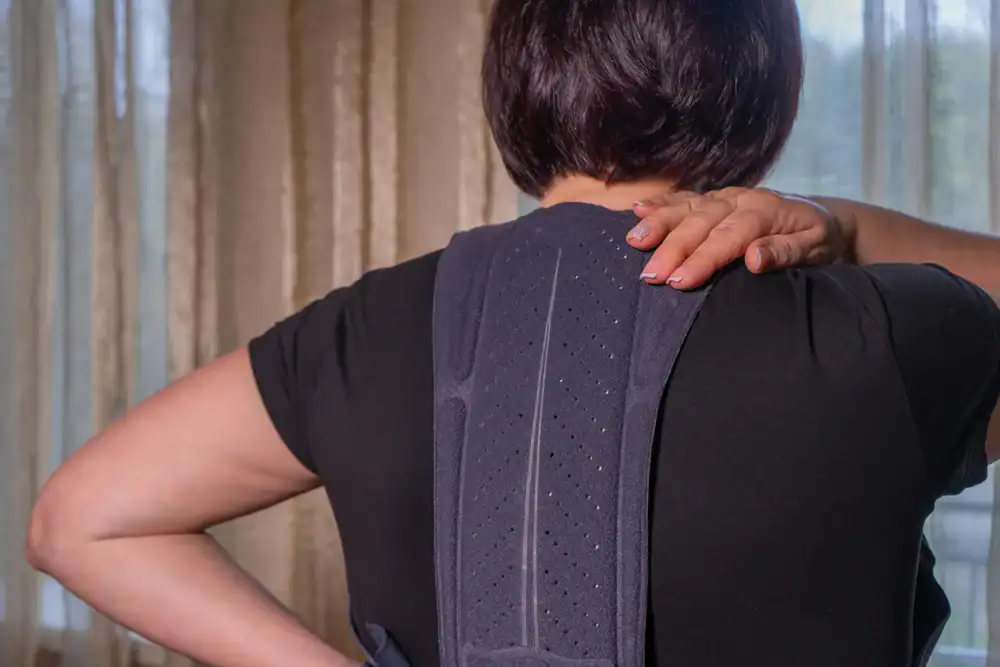
Your head weighs about 10-12 pounds. For every inch it shifts forward, you add another 10 pounds of pressure on your neck and spine. That’s why text neck symptoms and treatment matter so much—you’re not imagining the pain.
When you fix forward head posture in St. Aedens, NJ, the relief shows up fast. Headaches ease up because your neck isn’t straining all day. Your shoulders drop back where they belong instead of rounding forward from hours at a desk. You stop waking up stiff.
The bigger shift happens over weeks. You move through your day without that nagging ache. Bending down doesn’t hurt. Turning your head to check your blind spot feels normal again. You’re not constantly adjusting how you sit or stand to find a position that doesn’t make things worse.
Dr. Paul Roses has been practicing chiropractic in the Hudson County area for over 30 years. He’s seen the shift—more people working from home, more hours at computers, more forward head posture cases walking through our door in St. Aedens, NJ.
After 9/11, he provided on-site care for Fire and Police heroes. He’s adjusted patients with multiple sclerosis who walked 10 feet without a walker after one session. He’s treated babies and he’s treated seniors—posture problems don’t discriminate by age.
What keeps people coming back isn’t just the adjustments. It’s that he explains what’s happening in your body without making you feel like you need a medical degree to understand it. You know what’s wrong, why it hurts, and what actually fixes it.

You start with a spinal and postural screening. This isn’t a quick look—it’s Titron Infrared Imaging that shows exactly where your alignment is off and how much stress your spine is under. You see the same images Dr. Roses sees.
From there, you get a treatment plan built around your specific posture issues. If you’re dealing with upper crossed syndrome stretches become part of your routine, but so do targeted adjustments that address the root cause—not just the symptoms. Most people feel a difference within three visits. Some walk normally again after three weeks.
You’re not locked into endless appointments. The goal is to correct the problem, teach you how to maintain it, and get you back to your life. You’ll learn rounded shoulders correction exercises you can do at home. You’ll understand what’s making your posture worse so you can actually change it.

Ready to get started?
Posture correction in St. Aedens, NJ isn’t just adjustments. You get a full assessment of how your daily habits—your workspace setup, how you hold your phone, how you sleep—are contributing to the problem. Most people don’t realize their car headrest or their couch is making things worse.
Treatment includes spinal adjustments to realign your neck and upper back, but also therapeutic exercises designed specifically for text neck symptoms and treatment. These aren’t generic stretches you could find online. They’re based on what your imaging shows and what your body actually needs.
St. Aedens has seen the same trend as the rest of Hudson County—more remote workers, more screen time, more posture-related pain. We’ve adapted our approach to address the specific issues that come from spending 8-10 hours a day at a desk. You’re getting care that reflects how you actually live and work, not a one-size-fits-all protocol.

Most people notice a difference within the first three visits—less pain, easier movement, fewer headaches. But actually correcting forward head posture takes longer because you’re retraining your spine and the muscles that have been compensating for months or years.
A typical treatment plan runs 8-12 weeks. That includes regular adjustments, at-home exercises, and ergonomic changes to your workspace or daily routine. Some people see major improvement faster, especially if they’re consistent with the exercises and make the recommended changes to how they sit and move throughout the day.
The timeline also depends on how long you’ve had the problem. If you’ve been dealing with text neck for six months, you’ll likely improve faster than someone who’s had forward head posture for six years. Either way, you’re not looking at endless treatment—you’re looking at a clear plan with a clear endpoint.
Text neck shows up as neck pain and stiffness, but it doesn’t stop there. You might get headaches that start at the base of your skull. Your shoulders might ache or feel tight constantly. Some people feel pain between their shoulder blades or notice their upper back is always sore.
You might also experience tingling in your hands or arms, especially after long periods at a computer. That happens when forward head posture puts pressure on the nerves running from your neck down your arms. It’s not carpal tunnel—it’s your neck.
Treatment starts with spinal adjustments to restore proper alignment in your cervical spine. You’ll also get specific exercises to strengthen the muscles that pull your head back and your shoulders down. And you’ll learn how to hold your phone, set up your monitor, and position yourself throughout the day so you’re not constantly reinforcing the problem. Most people feel relief within a few weeks if they stick with the plan.
Exercises help, but they’re not the whole solution. Rounded shoulders happen because certain muscles get tight (your chest and front shoulders) while others get weak (your upper back and rear shoulders). Stretching and strengthening those muscles is part of fixing the problem.
But if your spine is misaligned—which it usually is when you have chronic rounded shoulders—exercises alone won’t get you all the way there. You need adjustments to correct the spinal positioning first. Then the exercises actually work because your body is in the right alignment to build strength where it matters.
The exercises we recommend target the specific imbalances causing your rounded shoulders. You’re not doing random stretches. You’re doing movements designed to reverse upper crossed syndrome, which is the pattern of tight and weak muscles that creates that hunched-forward look. Combined with adjustments, most people see their posture improve significantly within two to three months.
Upper crossed syndrome is a postural pattern where your chest and neck muscles get tight while your upper back and neck stabilizers get weak. It creates that forward head, rounded shoulder position that makes you look hunched even when you’re trying to stand up straight.
It’s called “crossed” because if you drew lines connecting the tight muscles and the weak muscles, they’d form an X across your upper body. It’s extremely common in people who work at desks, drive a lot, or spend hours on their phones. And yes, it gets worse over time if you don’t address it.
Stretches help loosen the tight muscles—your pecs, your upper traps, the muscles at the front of your neck. But you also need to strengthen the weak ones, which is where targeted exercises come in. And you need adjustments to reset your spinal alignment so those muscles can actually do their job. Upper crossed syndrome stretches are part of the treatment plan at Roses Chiropractic, but they work best when combined with chiropractic care that addresses the underlying spinal issues.
Many insurance plans cover chiropractic care, including posture correction treatment, but coverage varies depending on your specific plan. Some cover a set number of visits per year. Others require a referral or prior authorization. Some cover adjustments but not additional services like imaging or therapeutic exercises.
The best approach is to call your insurance company before your first visit and ask what your chiropractic benefits include. Ask specifically about coverage for spinal adjustments, diagnostic imaging, and therapeutic exercises. You can also call us directly—we can help you understand what’s typically covered and what your out-of-pocket costs might look like.
Even if your insurance doesn’t cover everything, most people find the cost worth it when they’re finally getting relief from chronic pain and actually fixing the problem instead of just managing symptoms. We focus on getting you better, not keeping you coming back indefinitely, which means you’re not looking at years of ongoing treatment costs.
If your pain gets worse after sitting at a computer, looking at your phone, or driving for long periods, posture is likely a major factor. If you notice your head jutting forward in photos or your shoulders rounding when you’re standing naturally, that’s another sign.
Common symptoms that point to posture problems include headaches that start at the base of your skull, neck stiffness that’s worse in the morning or after work, shoulder pain that doesn’t have an obvious injury cause, and upper back pain between your shoulder blades. If you feel like you’re constantly trying to “crack” your neck or roll your shoulders to get relief, your posture is probably off.
The only way to know for sure is to get a proper assessment. We use spinal screenings and infrared imaging to see exactly what’s happening with your alignment. You’ll know within one visit whether posture correction is what you need or if something else is going on. Either way, you’re not guessing—you’re getting a clear answer based on what your spine actually looks like.