

Hear from Our Customers
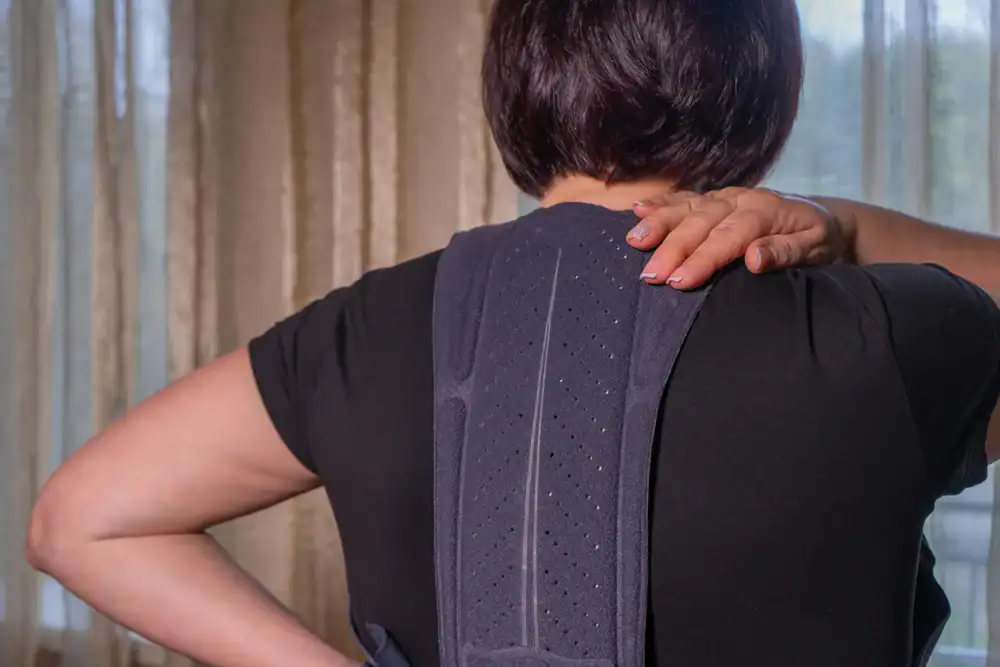
The neck pain that’s been following you around for months starts backing off within the first few weeks. You’re not constantly adjusting your position at your desk or waking up stiff every morning.
Your shoulders drop back where they belong. Breathing gets easier because your ribcage isn’t compressed forward anymore. The tension headaches that used to show up every afternoon either disappear or happen way less often.
You move differently—getting out of your car, reaching for something overhead, turning to check your blind spot. Things that used to pull or pinch just work the way they should. That’s what happens when forward head posture in LSP Industrial gets corrected instead of ignored.
Dr. Paul Roses has been practicing chiropractic in this area for over 30 years. He’s seen what happens when warehouse workers, office staff, and logistics professionals in LSP Industrial ignore posture problems until they can’t anymore.
After 9/11, he provided on-site care for first responders at Ground Zero. He knows what real injury looks like, and he knows the difference between something that needs surgery and something that needs the right adjustments and exercises.
You’re not getting a new chiropractor figuring things out. You’re getting someone who’s corrected text neck and rounded shoulders in LSP Industrial, NJ long enough to know what works and what doesn’t.

First visit is an assessment. Dr. Roses looks at how your head sits relative to your shoulders, checks your range of motion, and identifies which muscles are overworking and which ones have checked out. If x-rays make sense, he’ll tell you why.
Then you start getting adjusted. The goal is realigning your cervical spine so your head isn’t jutting forward and putting 40-60 pounds of pressure on your neck. Most people feel some relief within three weeks, but the timeline depends on how long you’ve been living with upper crossed syndrome in LSP Industrial, NJ.
You’ll also get exercises—specific ones that strengthen what’s weak and stretch what’s tight. These aren’t generic YouTube stretches. They’re designed for your posture problem, and doing them at home makes the adjustments hold better. Over time, your body relearns what correct posture feels like, and you stop defaulting back to the position that caused the problem.

Ready to get started?
You’re getting spinal adjustments that target the root cause—not a massage that feels nice for an hour and then wears off. We use advanced techniques to correct alignment in your cervical and thoracic spine, which is where text neck and rounded shoulders in LSP Industrial start.
You’re also getting a custom exercise plan. Strengthening your deep neck flexors and mid-back muscles is what keeps your posture from sliding back into old patterns. You’ll know exactly what to do, how often, and why it matters.
And you’re getting ergonomic coaching. If you’re sitting at a desk in one of LSP Industrial’s logistics or office facilities for eight hours a day, your setup matters. Small changes—monitor height, chair position, how you hold your phone—make a bigger difference than most people realize. This is especially relevant here, where so many jobs involve prolonged sitting or repetitive forward-leaning tasks.

Most people start feeling better within three weeks, but that’s not the same as being fully corrected. Relief from pain happens faster than structural change.
If you’ve had forward head posture for years, your muscles, ligaments, and joints have adapted to that position. Reversing it takes consistent adjustments and exercises over a few months. Some patients notice significant improvement in 8-12 weeks. Others with more severe misalignment need longer.
The timeline also depends on what you do between visits. If you’re doing your exercises and making the ergonomic changes we recommend, you’ll see faster progress. If you’re still hunched over your phone for hours every night, it’s going to take longer.
Stretching helps with tight muscles, but it doesn’t fix the underlying spinal misalignment that’s causing your posture problem in the first place. You can stretch your chest and neck all day, but if your vertebrae are out of position, you’re just working around the issue.
Posture correction in LSP Industrial, NJ involves spinal adjustments that realign your cervical spine and thoracic spine. That’s what allows your head to sit back where it belongs instead of jutting forward. Once the structure is corrected, then stretching and strengthening exercises make sense—they help maintain the correction.
Think of it this way: if your car’s alignment is off, rotating the tires doesn’t fix it. You need the alignment corrected first, then the tires wear evenly. Same concept with your spine and muscles.
Yes, if it’s caught before permanent damage sets in. Text neck and upper crossed syndrome are reversible with the right combination of adjustments, exercises, and postural retraining.
We’ve corrected these issues in patients who’ve had symptoms for years. The key is addressing both the structural problem (spinal misalignment) and the muscular imbalances (tight pecs and weak mid-back). You can’t just fix one and ignore the other.
That said, if someone has severe arthritis or disc degeneration from decades of poor posture, you’re managing the condition and preventing it from getting worse—not erasing all the damage. But even in those cases, people get significant pain relief and improved function. The earlier you address it, the better your outcome.
Not for the initial correction, no. Once your posture is corrected and you’ve built the strength to maintain it, you’re done with the intensive phase of care.
Some people choose to come in periodically for maintenance adjustments—maybe once a month or every few months—because they like how they feel and want to stay ahead of problems. Others finish their treatment plan and only come back if something flares up.
We’re not interested in keeping you dependent on adjustments. The whole point of giving you exercises and ergonomic guidance is so your body can hold the correction on its own. If you’re still working a desk job in LSP Industrial or spending hours on your phone, occasional tune-ups make sense. But you’re not locked into twice-a-week visits forever.
It depends on your plan. Most insurance companies cover chiropractic care when it’s medically necessary—meaning you have pain, limited range of motion, or another documented issue related to your posture.
If you’re coming in because your neck hurts from forward head posture or you’re dealing with headaches from upper crossed syndrome, that’s typically covered under your chiropractic benefits. If you’re coming in purely for “wellness” or “prevention” without symptoms, coverage gets shakier.
Our office can verify your benefits before you start treatment so you know what you’re paying out of pocket. We’ll also work with you on payment options if your insurance doesn’t cover everything. The goal is to make treatment accessible, not to surprise you with bills.
Your first visit is about figuring out what’s actually wrong. Dr. Roses will ask about your symptoms—when the pain started, what makes it better or worse, whether you’ve tried anything else. Then he’ll do a physical exam to see how your posture looks, how your spine moves, and where you’re holding tension.
He might take x-rays if he needs a clearer picture of your spinal alignment. This isn’t standard for everyone, but if you’ve got significant forward head posture or he suspects structural issues, it’s worth seeing what’s happening beneath the surface.
From there, he’ll explain what he found, what’s causing your symptoms, and what the treatment plan looks like. If it makes sense to adjust you that same day, he will. If not, you’ll schedule your next visit and leave with a clear understanding of what needs to happen next. No pressure, no upselling—just a straight answer about whether we can help you.