

Hear from Our Customers
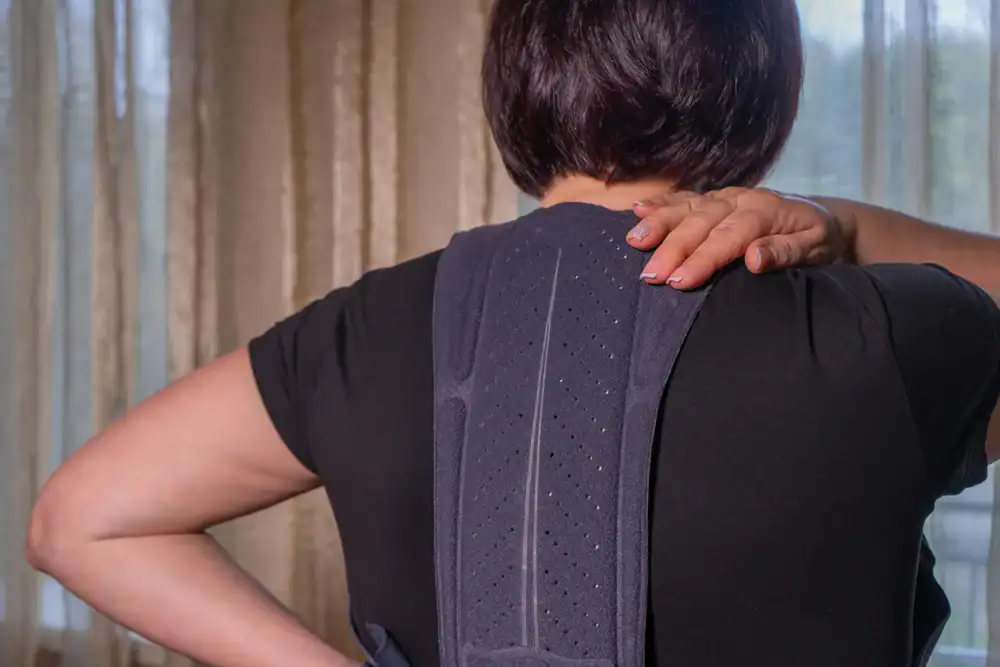
Your neck shouldn’t hurt by 2 PM every day. You shouldn’t need to stretch every hour just to get through your workday. And you definitely shouldn’t be waking up stiff because you spent another eight hours at your desk yesterday.
Text neck symptoms in Hudson Heights have exploded since remote work became the norm. That’s what happens when your head sits three inches forward of where it should be—your cervical spine takes on an extra 40 to 60 pounds of force. Every single day.
Posture correction in Hudson Heights, NJ addresses the actual problem. Not just the pain you feel today, but the spinal degeneration, nerve irritation, and early-onset arthritis that poor posture creates over time. You get your head back over your shoulders. Your muscles stop compensating. The tension releases.
Most people notice less pain within the first few visits. But the real benefit? You’re preventing years of progressive damage that only gets harder to reverse.
Dr. Paul Roses grew up in Bayonne. He went to St. Peter’s University, earned his Doctor of Chiropractic degree from Life Chiropractic College, and came back to serve the people he grew up with.
That was 30 years ago. We’ve been treating posture-related issues in Hudson Heights, NJ and across Hudson County ever since—without drugs, without surgery, and without the runaround you get at most clinics.
You’re not a number here. Dr. Roses takes the time to listen, explain what’s happening in your spine, and map out a plan that actually makes sense for your life. He’ll even follow up later the same day to see how you’re feeling after your adjustment. That’s not standard practice—it’s just how we work.
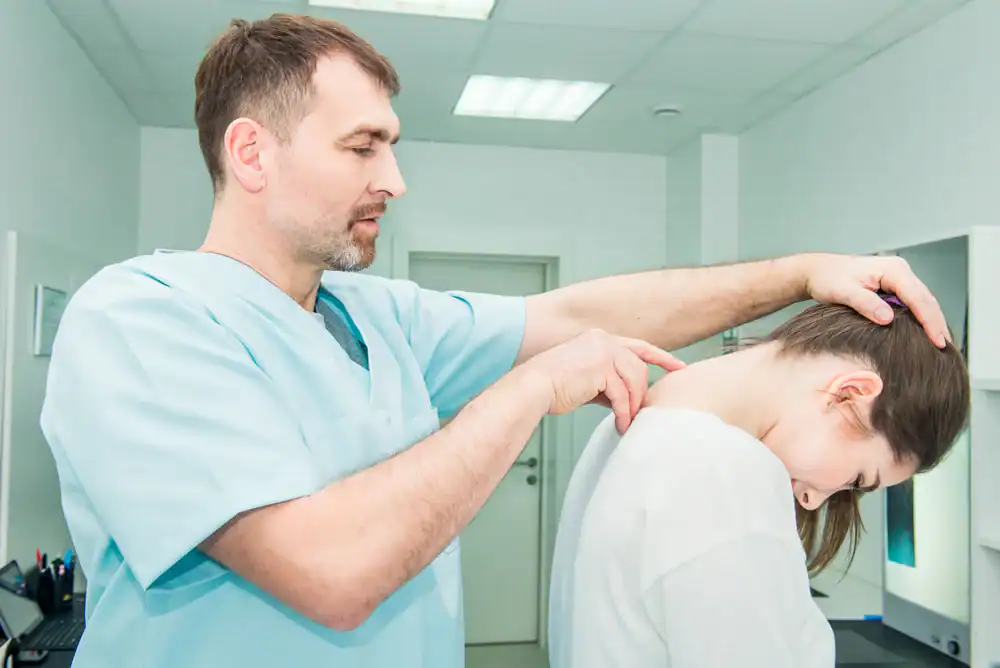
First, you’ll get a full spinal and postural screening. Dr. Roses uses Titron Infrared Imaging to get a baseline assessment of your spine—it’s painless, takes a few seconds, and shows exactly where the stress is building up.
Then he’ll walk you through what’s actually going on. If you’ve got forward head posture, rounded shoulders, or upper crossed syndrome, he’ll explain how that’s affecting your neck, shoulders, and spine. No jargon. Just clear answers.
Your adjustment comes next. Dr. Roses uses advanced spinal correction techniques that are safer and more effective than older methods. You’re not getting cracked and sent home. You’re getting precise, targeted care that realigns your spine and takes the pressure off your nerves.
Before you leave, you’ll get corrective exercises and lifestyle advice. These aren’t generic stretches you could find on YouTube. They’re specific to your posture issues and designed to keep you improving between visits. Most people feel relief right away, but the real progress happens when you’re consistent with the plan.

Ready to get started?
You’re not just getting an adjustment. You’re getting a full corrective care plan that addresses why your posture broke down in the first place.
That includes spinal adjustments using state-of-the-art chiropractic techniques. These adjustments realign your cervical spine, reduce the load on your neck, and restore normal movement. You’ll also get specific corrective exercises for rounded shoulders and upper crossed syndrome stretches in Hudson Heights, NJ that retrain your muscles to hold your body in the right position.
Dr. Roses will also give you lifestyle and ergonomic advice. If you’re working from home in Hudson Heights, your setup matters. Small changes to your desk height, monitor position, and chair support can make a massive difference in how you feel by the end of the day.
Hudson County has seen a 35% increase in people working from home since 2022. That means more people sitting for longer periods, in worse positions, with less movement throughout the day. If that sounds like you, posture correction isn’t optional—it’s necessary. The longer you wait, the harder it gets to reverse the damage.

Text neck symptoms in Hudson Heights show up as neck pain, stiffness, headaches, and sometimes numbness or tingling in your arms or hands. If you’re looking down at your phone or laptop for hours every day, you probably have it.
The technical term is forward head posture. For every inch your head moves forward, your neck has to support an extra 10 pounds of weight. Most people with text neck have their head sitting 2 to 4 inches forward—that’s 20 to 40 extra pounds your cervical spine is carrying all day long.
You’ll feel it as tightness at the base of your skull, tension across your shoulders, or a dull ache that gets worse as the day goes on. Some people get tension headaches. Others feel a burning sensation between their shoulder blades. If it’s been going on for a while, you might notice your range of motion is limited—you can’t turn your head as far as you used to without discomfort.
The good news? Text neck treatment in Hudson Heights, NJ can reverse most of this damage if you address it before it turns into arthritis or nerve damage.
Most people start feeling better within the first few visits. But actually correcting forward head posture in Hudson Heights, NJ takes longer—usually a few months of consistent care.
Here’s why: your muscles, ligaments, and joints have adapted to your poor posture. They’ve been holding your head in the wrong position for years. You can’t undo that in a week. You need spinal adjustments to realign your cervical spine, corrective exercises to retrain your muscles, and time for your body to build new movement patterns.
Dr. Roses will give you a realistic timeline based on how severe your posture issues are. If you’ve only had forward head posture for a year or two, you’ll improve faster. If it’s been a decade, it’ll take longer. But either way, you’ll notice less pain and better mobility within the first month.
The key is consistency. If you only come in when your neck hurts, you’re just managing symptoms. If you follow the full plan—adjustments, exercises, ergonomic changes—you’re actually fixing the problem.
Yes. Most shoulder and upper back pain comes from rounded shoulders and upper crossed syndrome—both of which are posture problems, not muscle problems.
Upper crossed syndrome happens when the muscles in your chest and the back of your neck get tight, while the muscles in your upper back and front of your neck get weak. This creates the classic “hunched forward” look. Your shoulders roll inward, your head juts forward, and your upper back rounds out.
That imbalance puts constant tension on your traps, rhomboids, and levator scapulae. You feel it as burning between your shoulder blades, tightness across the top of your shoulders, or a nagging ache that won’t go away no matter how much you stretch.
Rounded shoulders correction exercises in Hudson Heights, NJ target those imbalances. You’ll strengthen the weak muscles, stretch the tight ones, and get spinal adjustments that restore normal alignment. Most people feel a noticeable difference within a few weeks—less tension, better range of motion, and way less pain by the end of the day.
Not always. Dr. Roses uses Titron Infrared Imaging to assess your spine during your first visit. It’s painless, takes just a few seconds, and gives him a clear picture of where the stress and tension are building up.
If he sees something that needs a closer look—like significant spinal degeneration or nerve involvement—he might recommend X-rays. But for most people dealing with forward head posture or text neck in Hudson Heights, NJ, the infrared imaging and physical exam are enough to create an effective treatment plan.
The goal isn’t to over-test you. It’s to get the information needed to help you improve as quickly as possible. If imaging will change the treatment approach, Dr. Roses will tell you. If it won’t, he’s not going to waste your time or money.
You’ll know exactly what’s going on with your posture, what’s causing your pain, and what needs to happen to fix it—all in your first visit.
Many insurance plans cover chiropractic care, including posture correction in Hudson Heights, NJ. But coverage varies depending on your plan, your deductible, and whether chiropractic is included in your benefits.
The best way to find out is to call your insurance company and ask if they cover chiropractic adjustments and corrective care. You can also reach out to us directly—we can help you understand what your plan covers and what your out-of-pocket costs might look like.
Even if your insurance doesn’t cover the full cost, most people find that the relief they get from posture correction is worth paying for out of pocket. You’re not just treating pain—you’re preventing long-term damage that could lead to chronic issues, more expensive treatments, or even surgery down the road.
Dr. Roses will work with you to create a plan that fits your budget and your health goals. No surprises, no pressure—just honest answers about what you need and what it’ll cost.
Your first visit starts with a conversation. Dr. Roses will ask about your pain, your daily routine, how long you’ve been dealing with posture issues, and what you’ve already tried. He’s not rushing you—he’s listening.
Then you’ll get a spinal and postural screening. This includes the Titron Infrared Imaging scan, a physical exam, and a posture assessment. Dr. Roses will show you what’s happening in your spine and explain how your posture is contributing to your pain.
If you’re a good candidate for care, he’ll do your first adjustment that same day. You’ll also get specific corrective exercises and lifestyle recommendations to start working on between visits. Most people leave feeling lighter, looser, and more hopeful than they have in months.
Dr. Roses often follows up later that same day to check in and see how you’re feeling. That’s not standard in most clinics, but it’s how we make sure you’re getting the results you came for. You’re not just another appointment—you’re someone we’re committed to helping.