

Hear from Our Customers
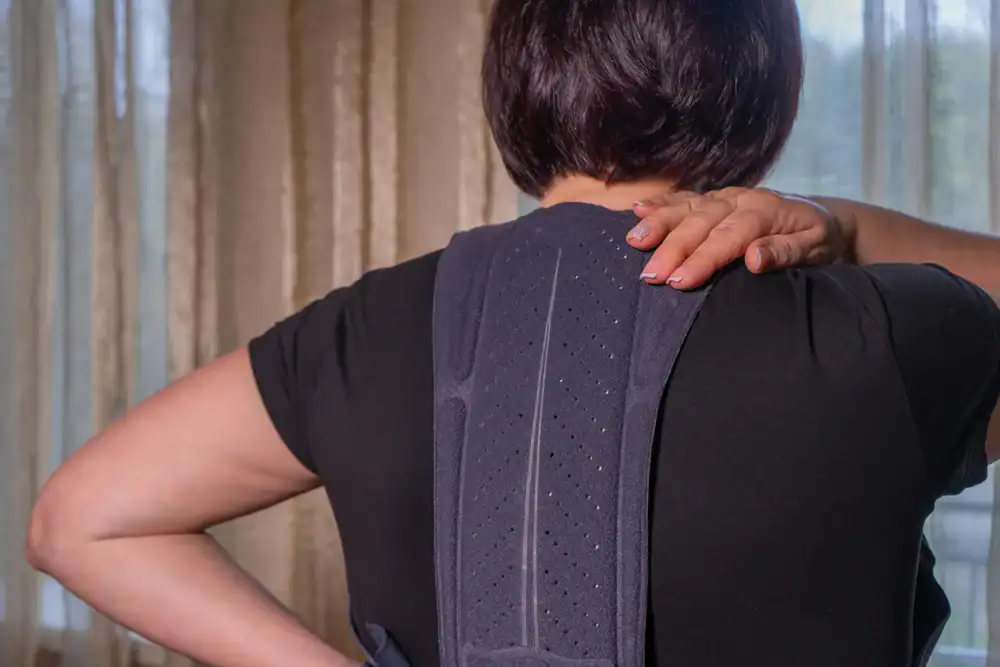
Your neck stops aching by mid-afternoon. You can turn your head to check your blind spot without wincing. The tension headaches that used to hit you three times a week just stop showing up.
That’s what happens when we address the actual structural problem instead of just telling you to “sit up straighter.” Your shoulders drop back where they belong. Your head sits over your spine instead of jutting forward. You breathe easier because your ribcage isn’t compressed.
The difference shows up in how you feel at your desk, how you look in photos, and how much energy you have at the end of the day. When text neck symptoms and treatment in Gregory Park actually work, you notice it in your daily life—not just during the appointment.
Dr. Paul Roses has been practicing chiropractic in the Hudson County area since 1981. He’s seen patients who tried other approaches for over a year with little progress, received epidural shots, and were told surgery was their only option.
What sets our approach apart is the combination of advanced spinal correction technology and personalized exercise programs designed specifically for your body. We use Titron Infrared Imaging to get a baseline assessment in seconds, then build a treatment plan around what your spine actually needs—not a one-size-fits-all protocol.
Gregory Park residents come to our Bayonne office because they want someone who understands the difference between temporary relief and actual correction. You’re not getting a quick adjustment and sent on your way. You’re getting a blueprint for fixing the problem.

Your first appointment starts with imaging and assessment. Dr. Roses uses infrared technology to see exactly where your spine is out of alignment—no guessing, no generic treatment plans. This takes a few seconds and shows you what’s actually happening in your neck and upper back.
From there, you get a personalized correction plan. This includes specific adjustments using advanced techniques that are safer and more effective than older methods, plus exercises designed just for your posture issues. These aren’t generic stretches you could find online—they’re targeted to strengthen and correct your unique problems.
You’ll do some of the work at home. The exercises take minutes, not hours, and they’re designed to make your adjustments hold longer. Dr. Roses also coaches you on what activities to avoid or modify so you’re not undoing progress between visits.
Most people notice changes within the first few visits. Your range of motion improves. The constant tension starts to ease. Over time, the correction becomes structural—your body learns to hold itself differently, and the results stick.

Ready to get started?
You get a full spinal assessment using technology that most chiropractic offices don’t have. The Titron Infrared Imaging gives Dr. Roses a clear picture of nerve interference and misalignment patterns that contribute to forward head posture, rounded shoulders, and upper crossed syndrome in Gregory Park.
Treatment includes hands-on spinal adjustments tailored to your specific posture issues. If you’re dealing with text neck from years of looking down at your phone or computer, the adjustments focus on restoring proper cervical curve. If your shoulders are rolled forward from desk work, treatment addresses the thoracic spine and shoulder mechanics.
You also receive a customized exercise program. These aren’t the same stretches given to everyone—they’re selected based on your assessment and designed to reinforce the structural changes happening through adjustments. Strength exercises, stretching, and shoulder-based movements all work together to reduce forward head posture and thoracic kyphosis.
Gregory Park has a significant working-age population, many in technology-related jobs. That means a lot of people sitting at desks, staring at screens, and developing the same postural patterns. We understand this local reality and build treatment plans that fit into your actual life—not some idealized version where you have unlimited time for therapy.

Most people notice some improvement within the first three to four visits. That might mean less neck pain, better range of motion, or reduced tension headaches. But actual structural correction—where your posture holds on its own—takes longer.
The timeline depends on how long you’ve had the problem and how severe it is. If you’ve been dealing with forward head posture for a decade, your body won’t reorganize itself in two weeks. Realistic expectations are usually several months of consistent treatment and home exercises to see lasting change.
Dr. Roses uses imaging to track progress, so you’re not guessing whether it’s working. You can see the changes in your spinal alignment over time. That’s different from just feeling a little better and hoping it sticks.
Text neck happens when you spend prolonged periods looking down at your phone, tablet, or laptop with your cervical spine in flexion. Over time, this forward head position strains the muscles in your neck and upper back, compresses nerves, and can lead to early onset arthritis in your cervical spine.
Chiropractic treatment for text neck in Gregory Park focuses on restoring the natural curve of your neck through spinal adjustments and corrective exercises. The adjustments address misalignments that developed from repetitive poor posture. The exercises strengthen the muscles that support proper head position and stretch the ones that have shortened from being in flexion all day.
Can it be fixed? Yes, but you also have to modify the behavior that caused it. Dr. Roses will coach you on ergonomics, screen positioning, and how to take breaks that actually help. Treatment works when you combine professional correction with smarter daily habits.
The goal is to correct the structural problem so your body maintains proper posture on its own. That’s not a lifetime of three-times-a-week appointments. It’s an intensive correction phase, then a maintenance phase, then eventually just periodic check-ins.
During the correction phase, you’re coming in regularly—sometimes multiple times per week—because you’re actively retraining your spine and the surrounding muscles. As your posture improves and stabilizes, visits spread out. You might shift to once a week, then every other week, then monthly.
Some people choose to continue with occasional maintenance visits because they like staying ahead of problems, especially if their job puts constant stress on their posture. Others complete their correction plan and only come back if something flares up. Dr. Roses is focused on getting you to the point where you don’t need him anymore—not creating dependency.
Upper crossed syndrome is a specific pattern of muscle imbalance that creates forward head posture and rounded shoulders. Certain muscles in your chest and neck get tight and overactive, while muscles in your upper back and neck get weak and underactive. This creates a “crossed” pattern of dysfunction.
Regular bad posture might just be slouching out of habit without the same degree of muscular imbalance. Upper crossed syndrome is more structural and usually comes with symptoms like chronic neck pain, shoulder pain, headaches, and reduced range of motion. It’s common in people who work at computers all day or spend hours looking down at devices.
Treatment for upper crossed syndrome in Gregory Park requires more than just reminders to sit up straight. You need upper crossed syndrome stretches that target the tight muscles, strengthening exercises for the weak ones, and spinal adjustments to address any misalignments contributing to the pattern. We address all three components so the correction actually holds.
Many insurance plans cover chiropractic care, including treatment for posture-related issues like forward head posture, text neck, and rounded shoulders. Coverage varies depending on your specific plan, so the best approach is to call our office and verify your benefits before your first appointment.
We can help you understand what your insurance will cover and what your out-of-pocket costs might be. Some plans cover a certain number of visits per year, while others require a copay for each visit. Knowing this upfront helps you plan for treatment without surprise bills.
Even if your insurance doesn’t cover the full cost, many people find that the relief from chronic pain and the prevention of long-term spinal degeneration make it worth the investment. Posture problems don’t get better on their own—they get worse and more expensive to treat later.
Yes, because forward head posture and neck misalignment often contribute to both tension headaches and TMJ issues. When your head sits too far forward, the muscles at the base of your skull work overtime to hold it up. That constant tension triggers headaches.
The same misalignment affects your jaw. Your temporomandibular joint is connected to the alignment of your cervical spine. When your neck is out of position, it changes how your jaw sits and moves, leading to clicking, pain, and difficulty chewing.
Posture correction in Gregory Park that addresses the cervical spine often reduces or eliminates these symptoms. Dr. Roses has seen patients experience relief from migraines and jaw pain after just a few adjustments because the treatment addresses the root cause—not just the symptoms. If your headaches or jaw issues are related to posture, fixing the structural problem gives you lasting relief instead of just masking pain with medication.