

Hear from Our Customers
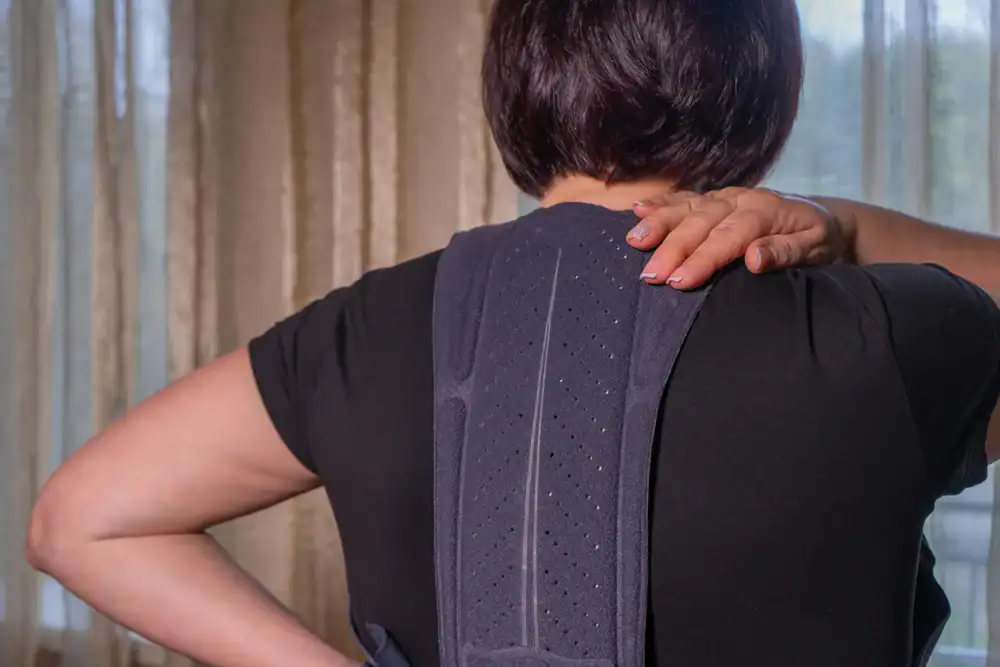
You stop reaching for ibuprofen every afternoon. Your headaches ease up because your neck isn’t straining to hold your head in place anymore. That constant tension between your shoulder blades starts to fade.
When forward head posture gets corrected, your spine can do what it’s designed to do—support your body without fighting gravity all day. You’re not just sitting up straighter in meetings. You’re sleeping better because your neck isn’t locked in the same forward position it held for eight hours at your desk.
Text neck symptoms like stiffness, soreness, and that nagging ache behind your eyes don’t have to be your baseline. Once the alignment shifts, your muscles stop compensating. Your energy improves because your body isn’t burning fuel just to keep you upright.
Dr. Paul Roses has been practicing chiropractic in Hudson County since 1981. That’s over four decades of treating office workers, commuters, and professionals dealing with the same postural stress you’re experiencing right now in Exchange Place, NJ.
This isn’t a new practice experimenting with the latest trends. You’re working with a doctor who’s seen thousands of cases of rounded shoulders correction and upper crossed syndrome—and knows exactly what works. Our approach focuses on spinal correction without unnecessary drugs, using advanced techniques that don’t require aggressive neck manipulation.
Exchange Place brings its own challenges: long commutes on PATH trains, hours at desks in office towers, and constant phone use navigating the area. We understand how your daily routine in this neighborhood creates the postural problems you’re dealing with.

Your first visit starts with a baseline assessment. Dr. Roses uses Titron Infrared Imaging to see exactly where your spine is misaligned—no guessing, just data. This takes seconds and shows what’s actually happening with your posture.
From there, you get a personalized treatment plan. This includes spinal adjustments using advanced techniques that are safer and more comfortable than traditional methods. You’re not getting the same generic treatment as everyone else. Your plan addresses your specific issues—whether that’s text neck from constant email checking or rounded shoulders from desk work.
You’ll also receive exercises designed specifically for your problem areas. These aren’t random stretches pulled from the internet. They’re targeted movements you can do at home to reinforce what’s happening during your adjustments. We also discuss what activities to avoid and how to modify your workspace setup.
Most people notice changes within the first few visits. Some patients report walking normally after just three adjustments. The goal isn’t just temporary relief—it’s correcting the underlying spinal misalignment causing your postural problems.

Ready to get started?
You get comprehensive spinal assessment using infrared imaging technology. You receive individualized adjustments that address your specific misalignments. You walk out with custom exercises designed for your exact postural issues.
In Exchange Place, NJ, where the average professional spends 8-10 hours sitting, text neck symptoms and forward head posture are practically epidemic. Your treatment plan accounts for your work environment, your commute, and your daily habits. That means practical advice you can actually use—not generic suggestions that don’t fit your life.
We also provide ongoing lifestyle coaching. This covers everything from how to set up your monitor height to what sleeping positions support better spinal alignment. You’re not just getting adjusted and sent on your way.
Our focus stays on drug-free, non-invasive correction. No prescriptions to fill, no surgical consultations to schedule. Just proven chiropractic techniques that have worked for over 40 years, now applied with modern technology and a deep understanding of how Exchange Place professionals actually live and work.

Most people see noticeable improvement within 4-6 weeks of consistent treatment, but your timeline depends on how severe your forward head posture is and how long you’ve had it. If you’ve been dealing with text neck for years, your muscles and ligaments have adapted to that position—they need time to readjust.
Dr. Roses creates a treatment schedule based on your specific case. Some patients come twice a week initially, then taper to once a week as their posture improves. You’re not locked into endless appointments. The goal is correction, not dependency.
Between visits, the exercises you do at home make a significant difference. Patients who actually do their prescribed stretches and strengthen their upper back muscles see faster results. Your daily habits matter too—if you’re still hunched over your phone for hours without breaks, you’re working against your own progress.
Rounded shoulders develop when your chest muscles get tight and your upper back muscles get weak and overstretched. This happens from prolonged sitting, especially at computers, and from looking down at phones constantly. In Exchange Place, where most people work desk jobs and commute on trains while scrolling their phones, it’s incredibly common.
Chiropractic addresses rounded shoulders by correcting the spinal misalignments that contribute to the problem and by retraining the muscles around your shoulder blades. Dr. Roses uses specific adjustments to restore proper positioning, then gives you exercises that strengthen your upper back and stretch your chest.
This isn’t just about pulling your shoulders back and hoping they stay there. It’s about addressing upper crossed syndrome—the pattern of tight and weak muscles that keeps pulling you into that hunched position. When your spine is properly aligned and your muscles are balanced, your shoulders naturally settle into better position. You don’t have to constantly remind yourself to sit up straight.
Many insurance plans cover chiropractic care, including treatment for postural issues, but coverage varies significantly by plan. Some policies cover a set number of visits per year, while others require a copay for each visit. You’ll need to check your specific plan details.
Our office can verify your insurance benefits before you start treatment. We’ll let you know what’s covered, what your out-of-pocket costs might be, and how many visits your plan allows. This way you’re not surprised by bills later.
Even if your insurance doesn’t cover posture correction, many patients find the cost worthwhile compared to the alternative—ongoing pain medication, reduced work productivity, or eventually needing more invasive interventions. Some people use HSA or FSA funds to cover their visits. We can discuss payment options during your initial consultation so you know exactly what you’re looking at financially.
Text neck symptoms include neck pain and stiffness, headaches that start at the base of your skull, shoulder tension, and sometimes numbness or tingling in your arms. You might notice your neck feels sore after checking emails or scrolling social media. Some people develop a visible forward curve in their neck.
The problem stems from holding your head in a forward, downward position for extended periods. Your head weighs 10-12 pounds, but when it’s tilted forward at a 45-degree angle (typical texting position), the effective weight on your neck increases to 40-50 pounds. That’s a lot of strain, hour after hour, day after day.
Treatment for text neck in Exchange Place, NJ involves spinal adjustments to restore proper neck alignment, exercises to strengthen the muscles that hold your head in correct position, and practical strategies to reduce the strain. Dr. Roses shows you how to position your phone at eye level, how often to take breaks, and what stretches actually help. The adjustments relieve the immediate symptoms while the exercises and habit changes prevent them from coming back.
Yes. Upper crossed syndrome responds well to chiropractic care combined with specific exercises—surgery is rarely necessary. This condition involves a predictable pattern: tight chest and neck muscles, weak upper back and neck flexor muscles, rounded shoulders, and forward head posture. It’s extremely common in office workers.
Dr. Roses treats upper crossed syndrome by addressing both the muscular imbalances and the spinal misalignments that contribute to the pattern. Adjustments help restore proper spinal positioning, particularly in your mid-back and neck. Then you get targeted exercises that strengthen your weak upper back muscles and stretch your tight chest muscles.
The key is consistency. You can’t just get adjusted once and expect 10 years of poor posture to disappear. But with regular treatment and by actually doing your exercises at home, most people see significant improvement within a few months. You’ll notice your shoulders sitting further back, less tension in your neck, and better overall posture without having to constantly think about it. The changes become automatic as your body relearns proper positioning.
Stretches help, but they don’t address spinal misalignments. If your vertebrae are out of proper position, no amount of stretching will fix that. You might get temporary relief, but the underlying problem remains. That’s why people do the same stretches for months and still have the same postural issues.
Chiropractic posture correction in Exchange Place, NJ starts by correcting the spinal misalignments that are pulling your body into poor posture. Once your spine is properly aligned, then stretches and exercises become much more effective because your body can actually hold the correct position. You’re working with your structure, not against it.
We combine both approaches—adjustments to fix the structural problems, plus specific exercises to retrain your muscles and maintain the improvements. The exercises you get aren’t generic internet stretches. They’re chosen based on your specific postural issues identified during your assessment. This targeted approach gets results faster and makes them last longer than just stretching on your own and hoping something changes.