
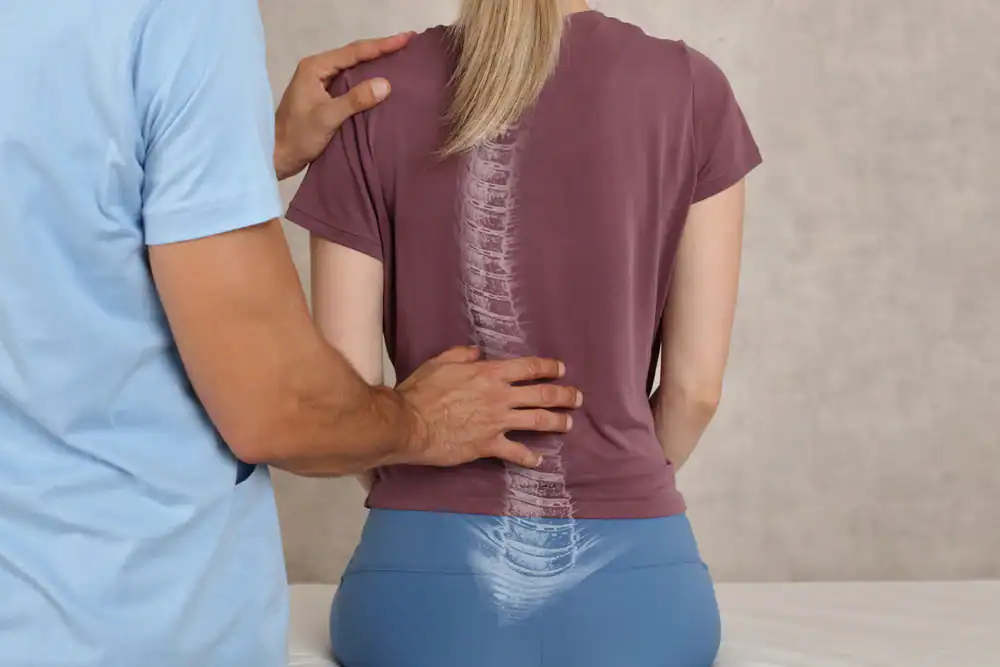
Hear from Our Customers
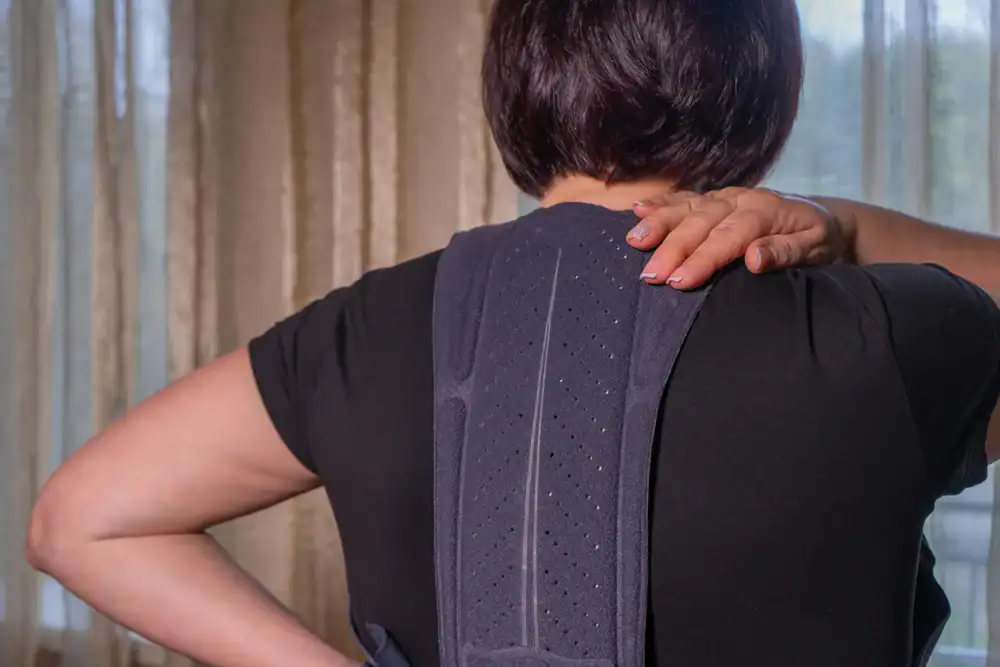
You stop reaching for pain relievers every afternoon. Your shoulders drop away from your ears. That tension headache that shows up around 3 PM? Gone.
Posture correction in Canal Crossing, NJ isn’t about standing straighter in front of a mirror. It’s about undoing the damage from hours bent over a phone or laptop—damage that’s causing real pain right now.
When forward head posture gets corrected, your neck stops bearing 40+ pounds of pressure. Your upper back stops compensating. The muscles that have been locked tight for months finally release. You’re not just sitting differently—you’re moving through your day without constant discomfort reminding you something’s wrong.
That’s what happens when the root cause gets addressed, not just the symptoms.
Dr. Paul Roses has been practicing chiropractic in Hudson County since 1981. That’s over four decades of treating neck pain, correcting spinal alignment, and helping people in Canal Crossing, NJ get out of pain without drugs or surgery.
Canal Crossing is growing fast—7,000 new housing units, thousands of students, and a community that’s increasingly glued to smartphones. That means more text neck, more forward head posture, and more people dealing with upper crossed syndrome who don’t even know what to call it.
We don’t run on scripts or one-size-fits-all adjustments. You get a baseline assessment using Titron Infrared Imaging, a customized exercise plan designed for your specific problem, and adjustments that target what’s actually causing your pain. No upselling. No unnecessary visits. Just focused treatment that gets you better.
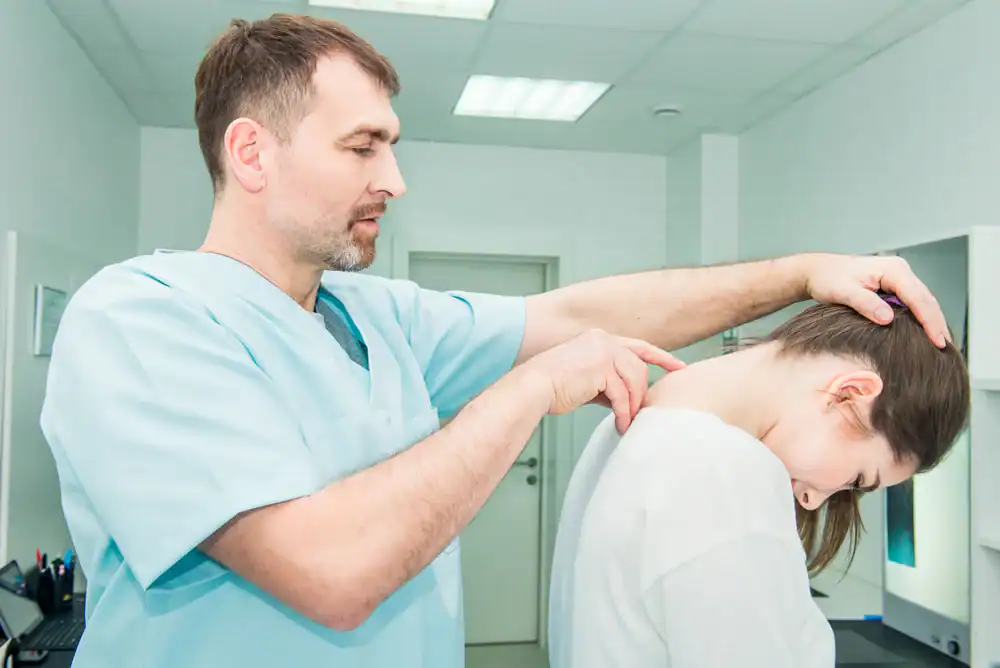
First, you get assessed. Titron Infrared Imaging takes a few seconds and shows exactly where your posture has shifted out of alignment. No guessing. No generic diagnosis. You see what’s happening in your spine and neck.
Then treatment starts immediately. Adjustments target the areas causing your pain—usually the cervical spine, upper back, and shoulders. These aren’t random cracks. They’re specific corrections designed to restore normal alignment and take pressure off compressed nerves.
You also get a customized exercise program—what we call your “blueprint.” These are stretches and movements you do at home to reinforce the adjustments and retrain the muscles that have been pulling you forward. Upper crossed syndrome stretches in Canal Crossing, NJ aren’t complicated, but they need to be done right.
Most people notice a difference within the first few visits. Pain decreases. Range of motion improves. Headaches fade. The goal isn’t just relief—it’s long-term correction so you’re not back here in six months with the same problem.

Ready to get started?
You’re not just getting adjusted and sent home. Posture correction in Canal Crossing, NJ includes infrared imaging to establish a baseline, spinal adjustments to restore alignment, and a personalized exercise plan that strengthens the right muscles and stretches the tight ones.
Text neck symptoms and treatment in Canal Crossing, NJ also involve coaching on what to avoid. Certain movements, positions, and habits are making your posture worse. You’ll know what they are and how to adjust them so you’re not undoing progress between visits.
Canal Crossing has a younger, tech-heavy population. Smartphone use here mirrors the national average—over three hours a day, 58 checks per day. That’s a lot of forward neck flexion. It’s why text neck syndrome is epidemic, especially in adults under 40.
Treatment here addresses the whole picture: muscle activation, movement patterns, postural alignment across your entire upper body. Forward head posture doesn’t happen in isolation. Your chest tightens, your upper back weakens, your shoulders round forward. Fixing one part without addressing the others doesn’t work. That’s why the approach is multifaceted—and why it actually holds.
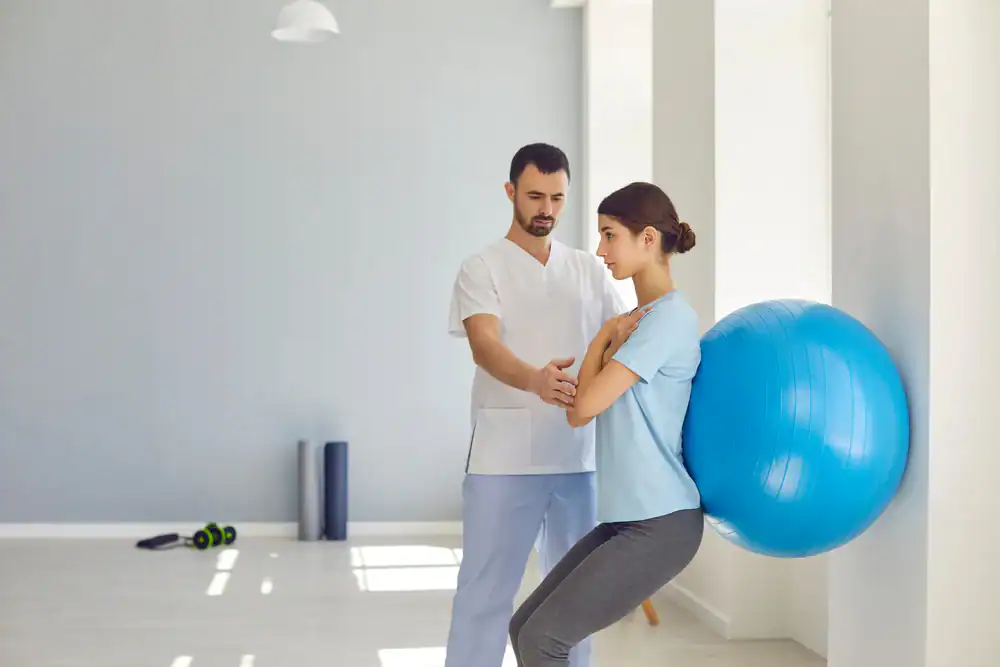
Most people see noticeable improvement within four weeks if they’re consistent with adjustments and home exercises. Research shows that therapeutic exercises targeting forward head posture can produce major changes to craniovertebral angle and moderate improvement in neck pain in just one month.
That said, how long you’ve had the problem matters. If your posture has been off for years, it takes longer to retrain those muscles and reset your alignment. If you caught it early, correction happens faster.
You’re not locked into months of endless visits. Treatment is focused on getting you better, then giving you the tools to maintain it. Some people need weekly adjustments for a few weeks, then taper off. Others need more intensive care upfront. It depends on severity, but you’ll know the plan after your first assessment.
Text neck symptoms include neck discomfort, shoulder pain, headaches, upper back tightness, and sometimes arm pain or numbness. If you spend a lot of time looking down at your phone or laptop and you’re dealing with any of those issues, there’s a good chance text neck is part of the problem.
You might also notice your head sits forward when you look at yourself from the side. That’s forward head posture—a hallmark of text neck syndrome. For every inch your head moves forward, your neck bears an extra 10 pounds of pressure. Most people with text neck are carrying 30 to 40 extra pounds of load on their cervical spine.
The condition doesn’t fix itself. It’s chronic, and it gets worse the longer it goes untreated. If you’re experiencing these symptoms in Canal Crossing, NJ, getting assessed sooner means less damage to undo later.
Yes. Upper crossed syndrome is one of the most common posture-related conditions we treat. It’s characterized by tight chest muscles, weak upper back muscles, rounded shoulders, and forward head posture. Desk jobs are a major cause, but so are everyday activities like doing laundry, washing dishes, or even holding a baby.
Treatment focuses on releasing the tight muscles (usually pectoralis minor and upper traps), strengthening the weak ones (mid-back and deep neck flexors), and correcting spinal alignment through adjustments. Upper crossed syndrome stretches in Canal Crossing, NJ are part of your home program, but they work best when combined with targeted chiropractic care.
Scapular stabilization exercises have been shown to significantly improve postural alignment and muscular imbalance. You’ll get specific movements designed for your body, not generic stretches pulled from the internet. That’s how you actually fix the problem instead of just managing symptoms.
Chiropractic is one of the safest treatments available for posture correction. It’s drug-free, non-invasive, and allows your body to heal naturally without medications or surgery. The 1993 Manga study found that chiropractic care could save hundreds of millions of dollars annually in work disability payments and direct healthcare costs compared to other treatments.
Physical therapy can help, but it doesn’t address spinal misalignment the way chiropractic does. Adjustments remove nerve interference and restore proper joint motion, which is critical for long-term posture correction. Exercises alone won’t fix a misaligned spine.
Up to half of people who undergo spinal surgery see their symptoms return within months or years. Chiropractic can often prevent that initial surgery altogether. If you’re dealing with text neck symptoms and treatment in Canal Crossing, NJ, starting with the least invasive option makes sense—especially when it’s been proven effective for over a century.
Your first visit starts with an assessment. You’ll go through Titron Infrared Imaging, which takes just a few seconds and gives a clear picture of where your posture has shifted. You’ll also talk through your symptoms, your daily habits, and what’s been tried before.
From there, treatment begins the same day. You’re not waiting weeks for results. Adjustments are tailored to your specific misalignments, and you’ll walk out with a customized exercise plan—your blueprint—that reinforces what happens in the office.
Most people feel some level of relief after the first adjustment, but real correction takes consistency. You’ll know upfront how many visits are recommended, what the timeline looks like, and what you need to do at home. No surprises. No drawn-out treatment plans that don’t make sense. Just a clear path to fixing what’s causing your pain.
Yes. Rounded shoulders are almost always the result of muscle imbalances and postural habits, not structural damage that requires surgery. Tight chest muscles pull your shoulders forward. Weak upper back muscles can’t pull them back. Chiropractic adjustments combined with rounded shoulders correction exercises in Canal Crossing, NJ retrain those muscles and restore balance.
Scapular stabilization exercises are particularly effective. Research shows they improve postural alignment, increase pectoralis minor length, and reduce muscular imbalance. You’ll get specific movements that target the muscles causing your shoulders to round, not generic stretches that don’t address the root cause.
Surgery should be a last resort, and for rounded shoulders, it’s rarely necessary. The body responds well to conservative care when it’s done correctly. You’re not stuck with the posture you have now—it just takes the right combination of adjustments, exercises, and consistency to correct it.