

Hear from Our Customers
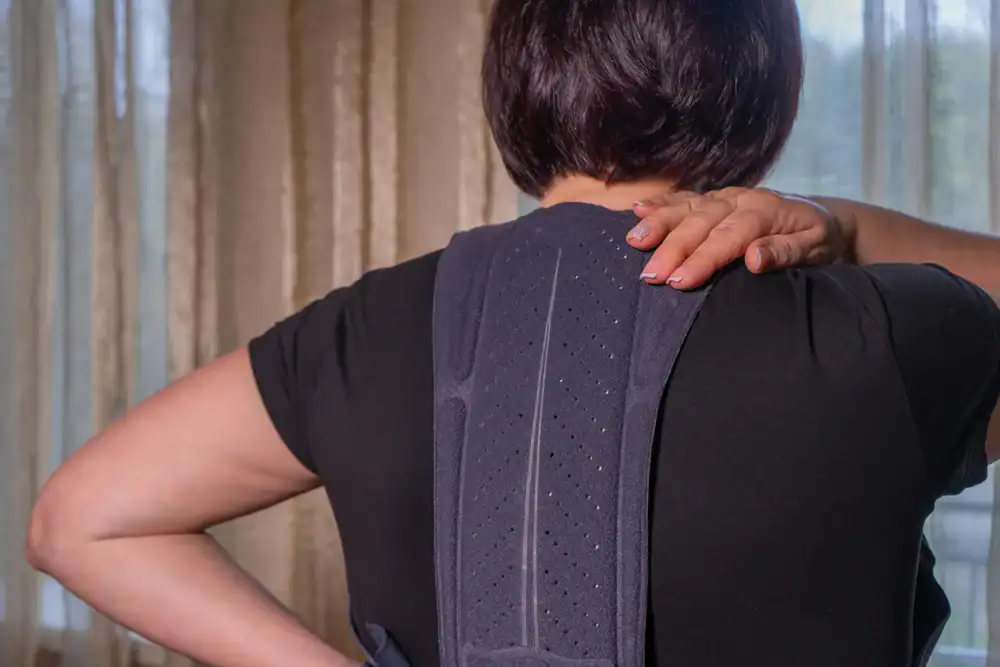
You stop reaching for ibuprofen every afternoon. The tension headaches that show up around 3 PM start disappearing. Your neck doesn’t feel like it’s carrying a bowling ball by the end of the day.
That’s what happens when forward head posture treatment in Bayfront, NJ addresses the actual problem instead of masking symptoms. Your spine moves back into proper alignment. The pressure on your vertebrae decreases. Your muscles stop compensating for positions they were never meant to hold.
Most people notice they’re sleeping better within the first few weeks. You’re not waking up stiff. You’re not adjusting your pillow five times a night trying to get comfortable. Your body finally gets the rest it’s been missing because your neck and shoulders aren’t locked in tension while you sleep.
The difference shows up in how you move through your day. You’re not constantly rolling your shoulders or cracking your neck. You can sit through a meeting or finish a project without needing to stand up and stretch every twenty minutes. Your posture holds without you having to think about it.
Dr. Paul Roses has been treating posture problems in Bayfront, NJ since 1981. That’s over three decades of seeing what happens when people spend years hunched over computers, looking down at phones, or sitting in positions that slowly wreck their spine.
He’s not new to this. He’s seen the progression from minor discomfort to chronic pain enough times to know exactly where you’re headed if nothing changes. More importantly, he knows how to fix forward head posture in Bayfront, NJ before it becomes a permanent problem.
You’re not getting a one-size-fits-all approach here. Dr. Roses looks at how your specific habits created your specific posture issues, then builds a treatment plan around your body and your daily routine. He calls patients later the same day to check progress. He’s available even during emergencies on off days. That’s not standard practice—it’s just how we operate.

First visit starts with a full posture analysis and movement screening. Dr. Roses measures your forward head angle, checks your shoulder position, and identifies exactly where your spine has shifted out of alignment. You’re not getting a generic assessment—this is specific to how your body has adapted to your habits.
Treatment combines spinal adjustments with corrective exercises designed for your particular posture issues. If you’re dealing with text neck symptoms in Bayfront, NJ, the focus is on restoring proper cervical curve and reducing the pressure on your neck vertebrae. If rounded shoulders are the main problem, treatment targets the muscle imbalances pulling your shoulders forward.
You’ll get therapeutic exercises to do between visits. These aren’t complicated gym routines—they’re targeted stretches and strengthening movements that take 15-20 minutes. Research shows that 20-minute sessions three times per week for ten weeks effectively relieve neck pain. The exercises work because they’re addressing the specific muscles that have weakened or tightened from your posture habits.
Most patients start feeling different after three adjustments. Not “a little better”—actually different. You’re walking normally. Your range of motion improves. The constant background tension in your neck and shoulders starts releasing. Within a month, most people report feeling better than they have in years.

Ready to get started?
Treatment for upper crossed syndrome in Bayfront, NJ includes spinal adjustments that move bones away from compressed nerves. That’s the core of what’s causing your pain—vertebrae sitting in positions that put pressure on nerve pathways. The adjustments restore proper spacing and alignment.
You also get a customized corrective exercise program using NASM-based methods. These exercises have been proven to significantly reduce forward head angle and improve thoracic kyphosis. They’re not random stretches pulled from the internet—they’re specific to the postural deviations Dr. Roses identifies during your assessment.
Bayfront residents deal with the same postural issues affecting the entire Hudson County area. Long commutes mean extended time sitting in car seats that promote forward head posture. Office jobs in nearby Jersey City or Manhattan mean 8+ hours daily in positions that create rounded shoulders. The treatment accounts for these local factors because your daily routine directly impacts how quickly your posture improves.
You’re also getting education on how to maintain proper posture during your normal activities. Small adjustments to your workstation setup, your phone usage habits, and how you sleep can prevent you from undoing the progress between appointments. The goal isn’t just to fix your posture temporarily—it’s to give you the tools to keep it fixed.

Most people see measurable improvement in four weeks with consistent treatment. Research on modified cervical exercises shows forward head posture can improve significantly in just one month when you’re doing the right exercises three times per week.
That doesn’t mean you’re done in four weeks. It means the pain decreases, your range of motion improves, and the visible forward lean of your head starts correcting. Full correction typically takes 10-12 weeks of regular adjustments combined with home exercises.
The timeline depends on how long you’ve had the problem and how severe it is. If you’ve been dealing with tech neck for six months, you’ll respond faster than someone who’s had forward head posture for six years. Your daily habits also matter—if you’re still spending eight hours a day in the same position that created the problem, progress will be slower unless you make some adjustments to your setup.
The most common text neck symptoms in Bayfront, NJ start with neck discomfort that gets worse as the day goes on. You might not notice it first thing in the morning, but by afternoon your neck feels stiff and tight. That’s the early warning sign.
Headaches that start at the base of your skull and radiate forward are another major indicator. These aren’t typical tension headaches—they’re caused by the muscles at the back of your neck being constantly strained from holding your head in a forward position. Shoulder pain often shows up next, particularly between your shoulder blades or at the top of your shoulders.
If it progresses, you’ll start getting arm pain or tingling in your hands. That happens when the forward head position puts enough pressure on nerves that the symptoms radiate down your arms. Some people also experience upper back pain and reduced range of motion—you can’t turn your head as far or tilt it back without discomfort. If you’re experiencing any combination of these symptoms and you spend significant time on your phone or computer, text neck is likely the cause.
Exercises help, but they’re only addressing half the problem. Rounded shoulders happen because certain muscles get tight while others get weak. Stretching and strengthening those muscles will improve the muscle imbalance, but it won’t fix the spinal misalignment that’s often present.
When your shoulders have been rounded forward for months or years, your thoracic spine adapts to that position. The vertebrae shift. The natural curve of your upper back increases. Exercises can’t move those bones back into proper alignment—that requires spinal adjustments.
The most effective rounded shoulders correction in Bayfront, NJ combines both approaches. Adjustments restore proper spinal positioning and take pressure off compressed nerves. Exercises retrain the muscles to hold that corrected position. Research shows therapeutic exercises have a significant impact on reducing forward head angle and thoracic kyphosis, but the results are better and faster when combined with chiropractic adjustments. You need both to get lasting correction.
Upper crossed syndrome is the technical term for the muscle imbalance pattern that creates forward head posture and rounded shoulders. Your chest muscles and the muscles at the base of your skull get tight and overactive. Meanwhile, your deep neck flexors and the muscles between your shoulder blades get weak and underactive.
If you work a desk job, use your phone for more than five hours daily, or spend significant time looking down at screens, you probably have some degree of upper crossed syndrome. The pattern is extremely common in Bayfront, NJ because so many residents commute to office jobs or work from home in less-than-ideal ergonomic setups.
You can test for it yourself. Stand sideways in front of a mirror and relax completely. If your ear is forward of your shoulder instead of directly above it, that’s forward head posture. If your shoulders round forward and your palms face behind you instead of toward your sides, that’s the rounded shoulder component. Both together indicate upper crossed syndrome. The condition doesn’t fix itself—it progressively gets worse without treatment because your daily habits keep reinforcing the same muscle imbalances.
Only if you go back to the exact same habits that created the problem in the first place. Posture correction in Bayfront, NJ gives you proper spinal alignment and retrains your muscles to support that alignment. But if you immediately return to eight hours daily of hunching over a laptop with your head forward, yes, the problem will eventually return.
That’s why treatment includes education on maintaining proper posture during your regular activities. Small changes make a significant difference. Raising your monitor to eye level, holding your phone up instead of looking down at it, and doing your exercises a few times per week maintains the correction long-term.
Most patients find that once their posture is corrected, their body naturally prefers the proper position. Slouching actually becomes uncomfortable because your muscles and spine have adapted to correct alignment. You might need occasional maintenance adjustments if you have a particularly demanding job or if you slip back into old habits, but the dramatic forward head posture and rounded shoulders don’t return if you’re maintaining even basic awareness of your positioning throughout the day.
Most insurance plans cover chiropractic care when it’s treating a diagnosed condition like cervical strain, thoracic pain, or headaches related to postural issues. The key is that you’re being treated for pain or dysfunction, not just cosmetic posture improvement.
Coverage varies significantly between plans. Some cover a set number of visits per year. Others require a referral from your primary care physician. A few cover adjustments but not the corrective exercises or additional therapies. You’ll need to check your specific plan details or call your insurance company to understand your coverage.
We can provide the documentation your insurance company needs to process claims for posture-related treatment. Many patients find that even with co-pays, chiropractic care is significantly less expensive than ongoing pain medication, epidural injections, or the surgery that becomes necessary when posture problems progress untreated. If insurance doesn’t cover treatment or you don’t have coverage, our office can discuss payment options that make care accessible without the financial stress of paying everything upfront.