
Bayonne Pediatric Chiropractor for Growing Families
Give Us a Call
Business Hours:
Mon - Fri: 8:30am - 7pm, Sat-Sun: 9am - 1pm
Text us Now For Immediate Assistance With a Live Expert!
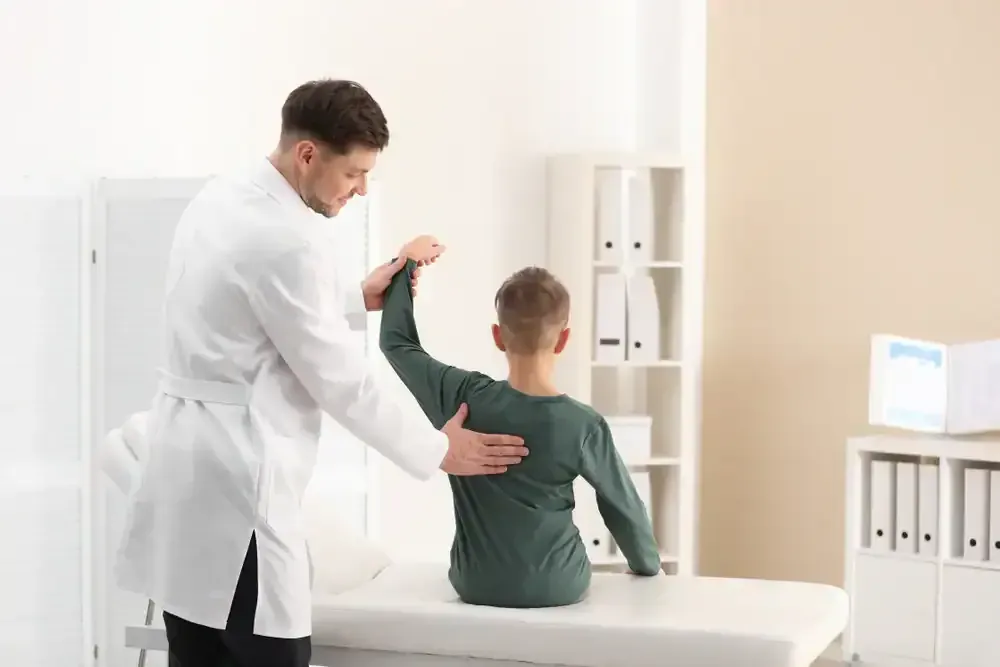
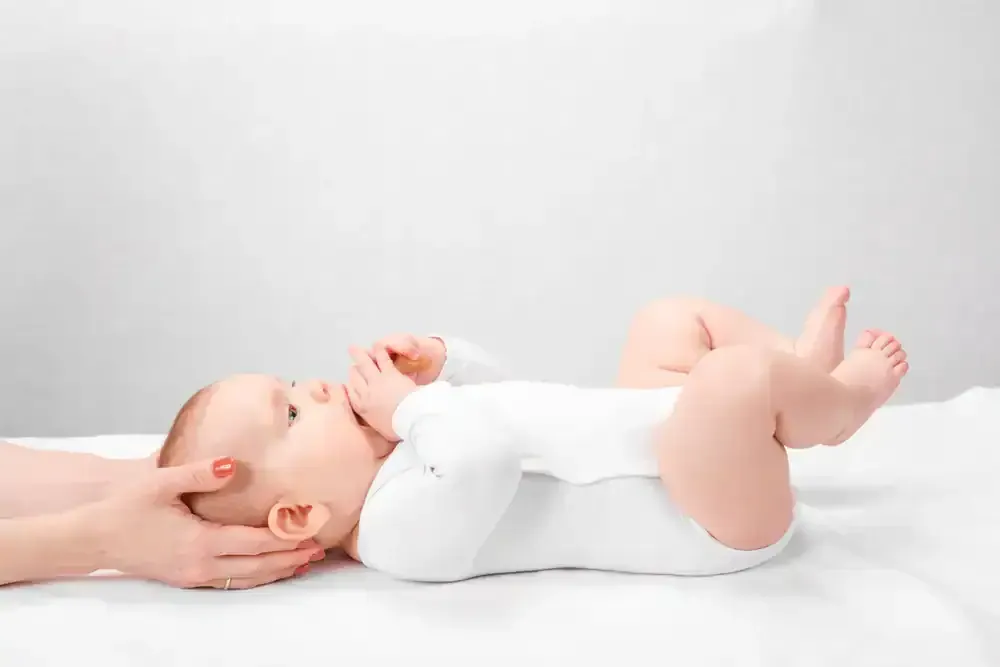
Gentle Pediatric Chiropractor Care for Healthy Childhood Growth
Nestled within the welcoming community of Bayonne, Roses Chiropractic provides expert care tailored for the youngest members of your family. Our experienced team is dedicated to ensuring the health and development of children through gentle and effective chiropractic adjustments. As a trusted pediatric chiropractor serving Bayonne, we understand the unique needs of growing bodies and are committed to fostering their well-being. Our approach emphasizes a friendly, comforting environment to ease children and their parents. Reach out to us today to schedule an appointment and give your child the gift of optimal health.
Experience an Invigorating Chiropractor Visit for Total Body Wellness
We provide highly personalized care to help our patients overcome physical limitations and achieve a balanced lifestyle. As your dedicated chiropractor, our team evaluates the root cause of your discomfort to design a precise healing plan. Our modern approach to wellness ensures you receive the attention needed to restore natural mobility and optimize your overall health for the long term.
Why Choose Us?
Proven Track Record You Can Trust
Four decades of helping Bayonne residents live pain-free, backed by real results and genuine patient care.
Over 44 Years Experience
Dr. Paul Roses has been serving Bayonne since 1982, with genuine, endearing care.
Personalized Care Plans
Every patient receives one-on-one care with customized treatment plans.
High Patient Ratings
Consistently high ratings from all of our members!
Insurance Accepted
We accept most insurance plans as well as Medicare and Medicaid.
Experienced Chiropractor Bayonne, NJ
Your Neighborhood Pain Relief Experts
At Roses Chiropractic, we understand that pain isn’t just physical—it affects everything you do. Dr. Paul Roses combines 43 years of experience with state-of-the-art techniques to get you back to living without limits. We’re not just treating symptoms; we correct the cause. In turn restoring the quality of your life.
43+ Years Serving Bayonne Families
Advanced Spinal Correction Techniques
Personal Follow-Up Care, Always
Chiropractic Services Hudson County, NJ
Complete Care for Every Pain Point
Trusted Chiropractic Care Hudson County, NJ
Why Bayonne Trusts Dr. Roses
- Emergency Availability: Dr. Roses is available for emergencies even on his days off—your pain doesn’t wait.
- Personal Follow-Up: We call after your visit to check your progress and answer any questions you have.
- Advanced Techniques: State-of-the-art spinal correction methods that are safer and more effective than traditional approaches.
- Concierge Service: Dedicated patient advocate follows your progress to ensure you’re satisfied and getting better each day.
- Bilingual Care: Dr. Roses speaks Italian and English, ensuring clear communication for all our patients.
- Insurance Friendly: We work with Medicaid, Medicare, and most insurance plans to make care affordable.
Bayonne Family Chiropractic Results
See What's Possible for Your Recovery
Our Process!
01
Start off with a consultation
We begin with a warm, one-on-one consultation to understand your concerns, health history, and goals so we can care for your entire family with confidence and clarity.
02
Titron Scan
We use a gentle Titron scan to assess spinal alignment and nerve function, giving us clear, objective insights to guide safe and effective care for every member of your family.
03
Report of findings/care plan
We review your results together and create a clear, personalized care plan that explains what we found, how we can help, and what to expect moving forward for your family’s health.
04
Adjustments
We provide gentle, precise chiropractic adjustments tailored to each family member to help restore balance, improve mobility, and support long-term wellness.
Where Can I Find the Best Pediatric Chiropractor in Bayonne?
Frequently Asked Questions
Get answers to common questions about chiropractic care, treatments, recovery, and what to expect at Roses Chiropractic.
What is a chiropractic adjustment?
A chiropractic adjustment is the art of introducing a specific force in a precise direction, applied to a vertebra that is subluxated or out of place. The Chiropractor identifies the location of the subluxation, determines the exact direction and the best way to correct the positioning. The adjustment itself is a movement of the spine that is done either by hand or with an instrument. The movement may be quick or may be undetectable with low force techniques. The adjustment assists the vertebra back into normal alignment and restores proper motion in order to relieve nerve interference.
What are the benefits of seeing a chiropractor for chronic back pain?
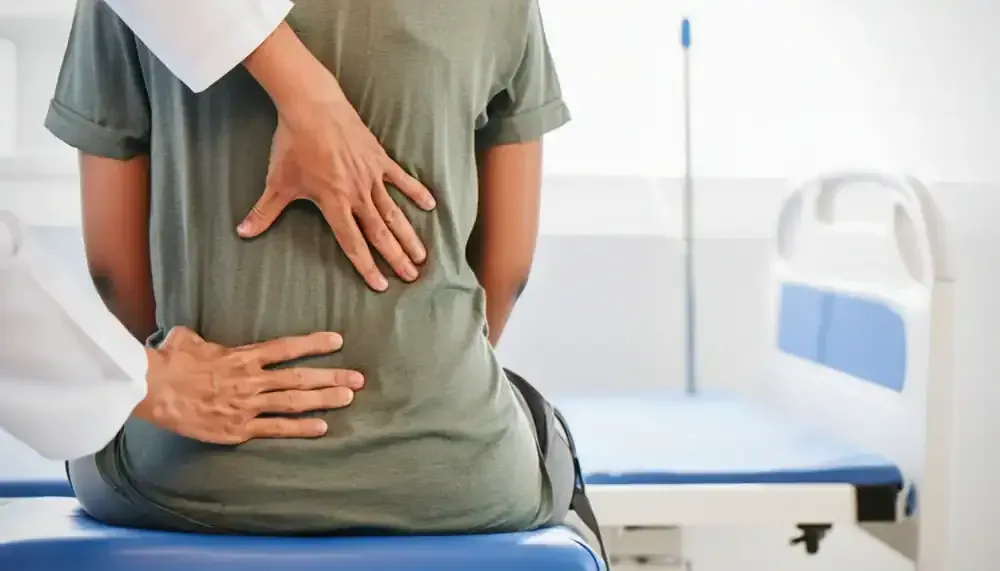
When you experience persistent discomfort, chiropractic care offers a safe, non-invasive, and drug-free solution to help you find relief. We focus on gentle spinal adjustments that align your musculoskeletal structure, which relieves pressure on your nerves and reduces inflammation. Our tailored treatment plans not only alleviate acute pain but also improve your overall mobility, posture, and nervous system function. We aim to help your body heal itself naturally so you can return to your favorite activities pain-free. Don't let chronic pain hold you back. Call us now or reach out to get a consultation with our experienced team today.
How does spinal decompression therapy work and who is it for?
We utilize state-of-the-art spinal decompression to gently stretch the spine, creating negative pressure within the discs. This advanced therapy helps retract bulging or herniated discs, taking pressure off pinched nerves and allowing nutrient-rich fluids back into the area to promote natural healing. We frequently recommend this treatment for patients struggling with sciatica, worn spinal joints, or damaged nerve roots. Our goal is to provide lasting relief without the need for invasive surgeries or medication. If you are ready to find relief from nerve pain, call us now or get a consultation with our specialists today.
What should I expect during my first chiropractic visit?
During your initial visit, we focus on understanding your unique health history and physical needs. We will conduct a thorough physical examination and spinal assessment to identify any misalignments or areas of tension. Our dedicated team will then discuss our findings with you and create a customized treatment plan designed to achieve your wellness goals. We believe in open communication, so we always explain every step of the process before we begin any adjustments. Your comfort and health are our top priorities. Take control of your wellness today—call us now or get a consultation to schedule your visit.
How often do I need to get chiropractic adjustments?
The frequency of your visits depends entirely on your specific body, condition, and wellness goals. We treat each patient uniquely, meaning some may need frequent care initially to manage acute pain, while others benefit from monthly maintenance visits to support overall health. Our primary focus is to help you find relief quickly and then transition you into preventative care to maintain your spinal alignment and nervous system health. We constantly assess your progress to adjust your plan as you heal. Ready to start your customized wellness plan? Call us now or get a consultation to secure your appointment today.
Hear From Our Patients
Real Stories From Roses Chiropractic Clients
For more than four decades, families in Bayonne have trusted Dr. Roses and his team for compassionate, personalized chiropractic care. See what our patients have to say about their experiences and the care they’ve received.
Ready to Live Without Pain?
Don’t spend another day suffering. Contact Roses Chiropractic today and discover why Bayonne has trusted Dr. Roses for over four decades.